

If you’ve turned on the tap and only cold water comes out, you know how annoying a broken water heater can be. The good news is many problems have easy fixes you can try before you call an engineer. Below you’ll get straight‑forward advice that saves time and money.
First, figure out what type of heater you have – electric or gas. Electric units often stop heating because a broken thermostat or a blown fuse cuts power. Gas heaters can lose flame due to a dirty pilot, a faulty ignition, or a clogged vent.
Another frequent culprit is sediment build‑up. Over time minerals settle at the bottom of the tank, reducing efficiency and causing the heating element or burner to overheat. When you hear rumbling or notice rusty water, sediment is likely the cause.
Leaking joints or a cracked tank also create loss of hot water. A small drip might just be a loose connection, but a big leak usually means the tank needs replacement. Check the area around the heater for puddles or damp walls.
Start with the power source. For electric heaters, locate the circuit breaker and reset it if it’s tripped. Swap the breaker with another in the panel to rule out a bad breaker. Then, inspect the thermostat – most units have a dial you can set to 120‑130°F. If the dial feels loose or doesn’t stay in place, the thermostat may need replacement.
For gas heaters, make sure the pilot light is lit. If it’s out, follow the manufacturer’s instructions to relight it safely. A smell of gas or a clicking sound without a flame signals a problem with the ignition system, which usually requires a professional.
Next, drain a few gallons of water to clear sediment. Turn off the power or gas, attach a garden hose to the drain valve, and open the valve. Let the water run until it looks clear, then close the valve, refill the tank, and restore power.
While you’re at it, check the pressure‑relief valve. Lift the knob; water should flow out freely. If it sticks or leaks after you release it, replace the valve – it’s a cheap part that protects the tank from over‑pressure.
If none of these steps restore hot water, it’s time to call a qualified technician. A professional can test the heating element, inspect the gas valve, or advise whether the whole unit needs replacement. Remember, working with gas or high‑voltage parts can be dangerous, so when in doubt, get help.
Regular maintenance keeps repairs rare. Flush the tank once a year, keep the area around the heater clear, and test the thermostat every six months. Small habits add up to a longer‑lasting, more efficient water heater.
Whether you’re dealing with a cold shower or a strange noise, the tips above give you a clear path forward. Try the easy checks first, and you’ll often avoid an expensive service call. When you do need a pro, you’ll at least know what’s going on, making the repair smoother for everyone.
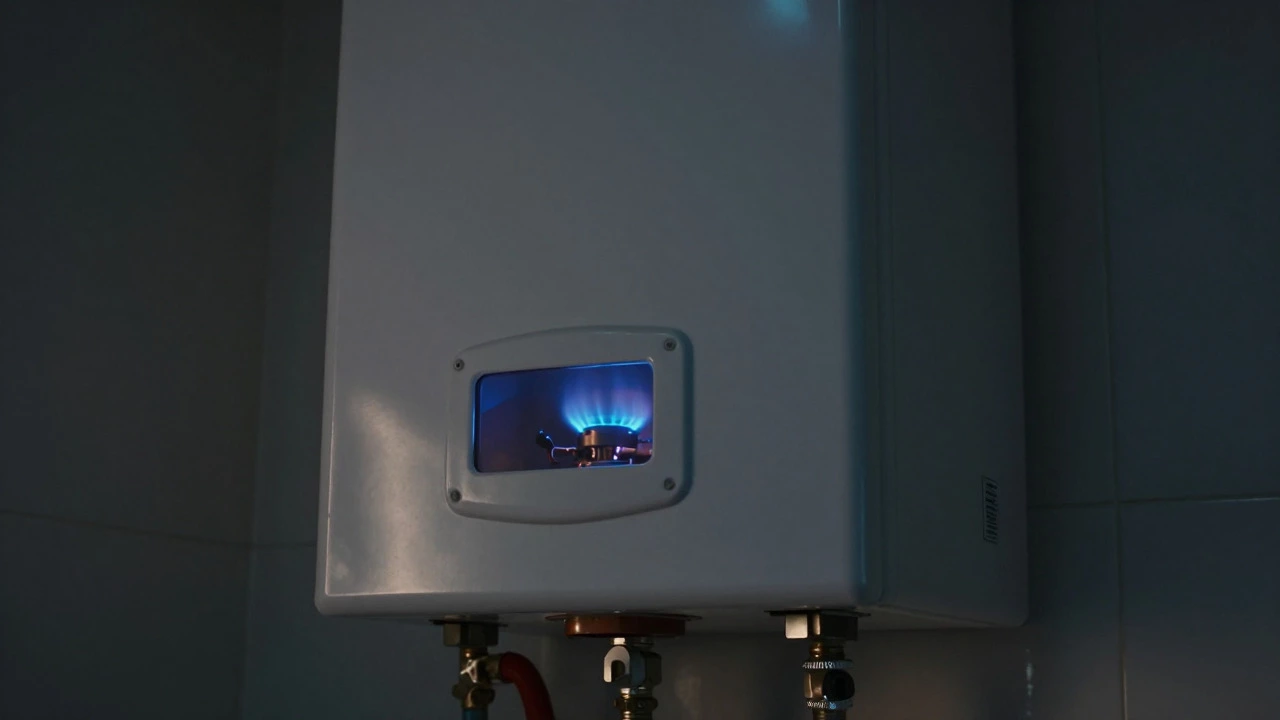
Discover why your hot water stopped working. From pilot lights to thermostats, learn the most common causes of no hot water and how to fix them yourself.
Learn how to diagnose a failing hot water heater thermostat with this expert guide. Spot the signs, use a multimeter for testing, and find out when to replace it.
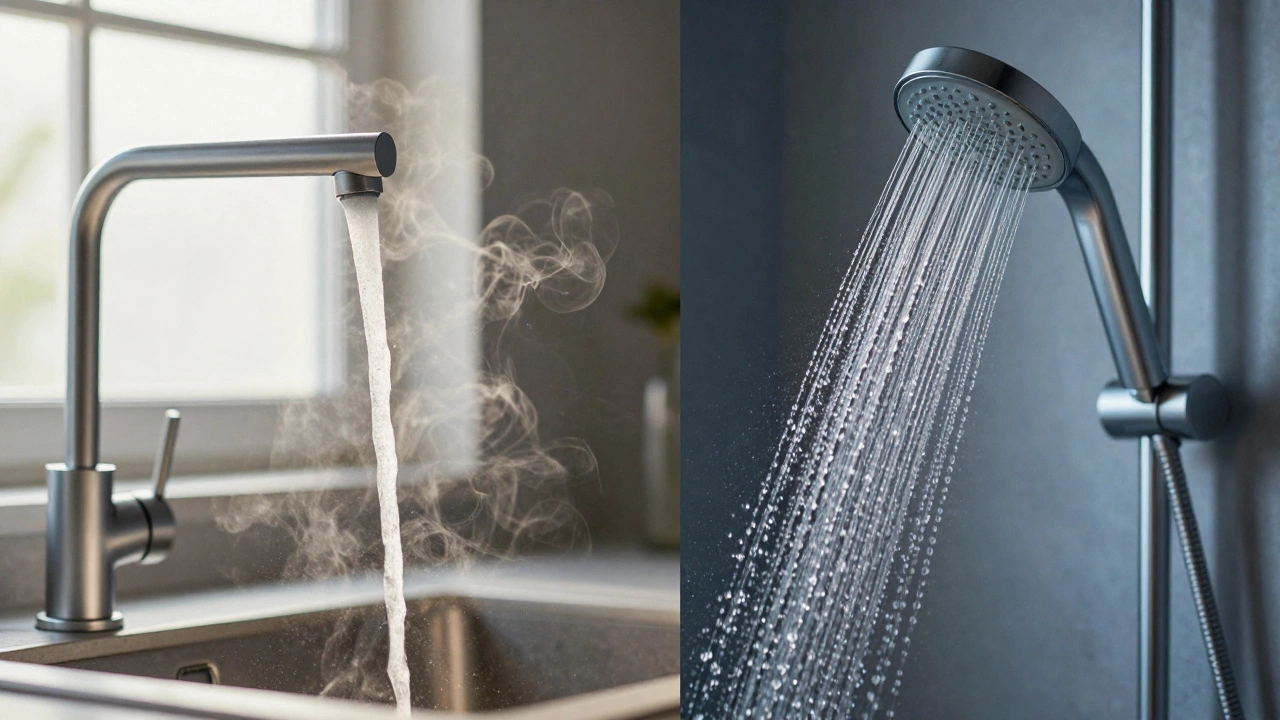
Shower cold but other taps hot? Learn how to diagnose and fix the problem, from failing mixing valves and diverters to air locks and sediment buildup.
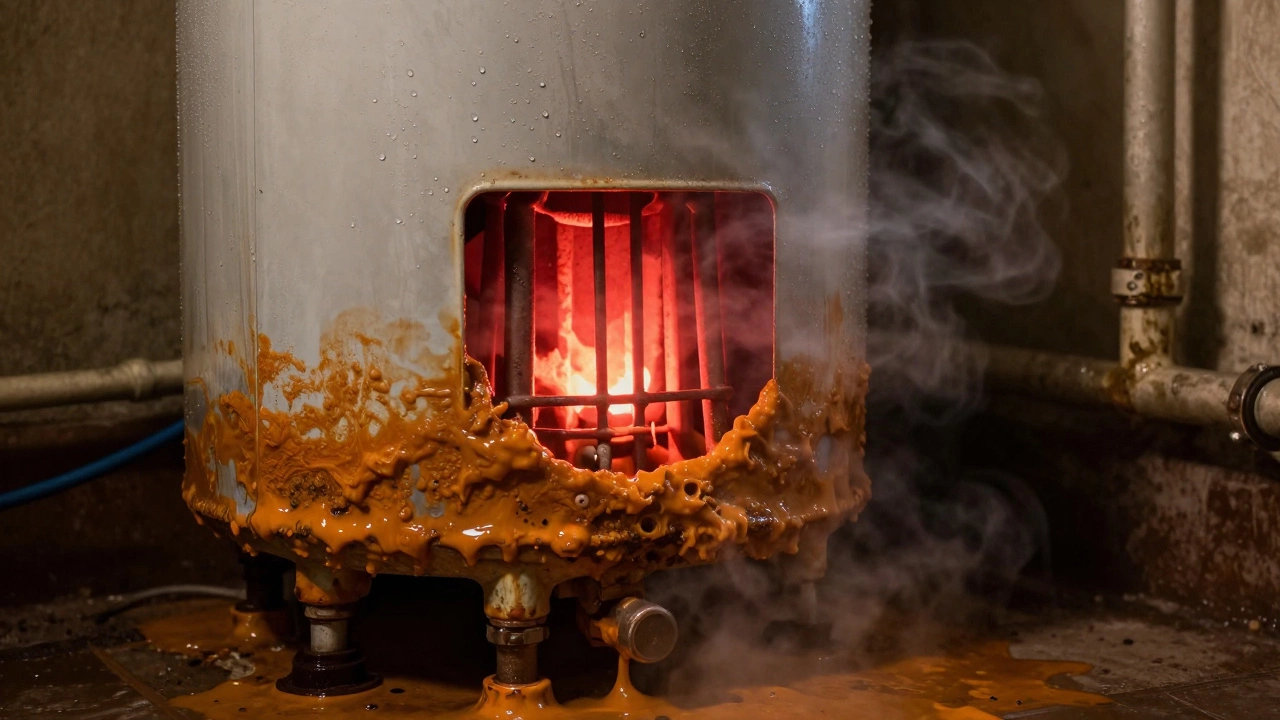
Sediment buildup from hard water is the #1 cause of water heater failure. Learn how mineral deposits damage your tank, why the anode rod matters, and simple steps to prevent leaks and extend your heater's life.
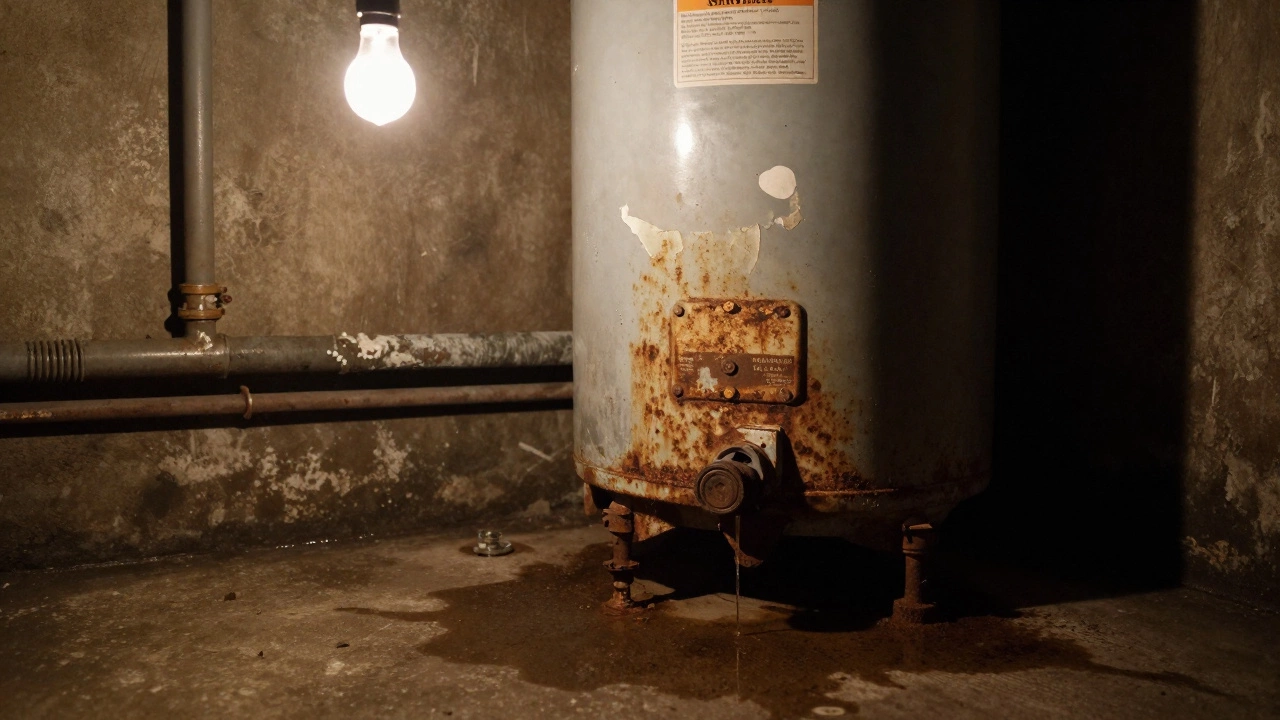
A 20-year-old water heater is likely inefficient, unsafe, and prone to sudden failure. Repairing it may seem cheaper, but replacement saves money, energy, and prevents costly water damage. Here’s what you need to know before deciding.
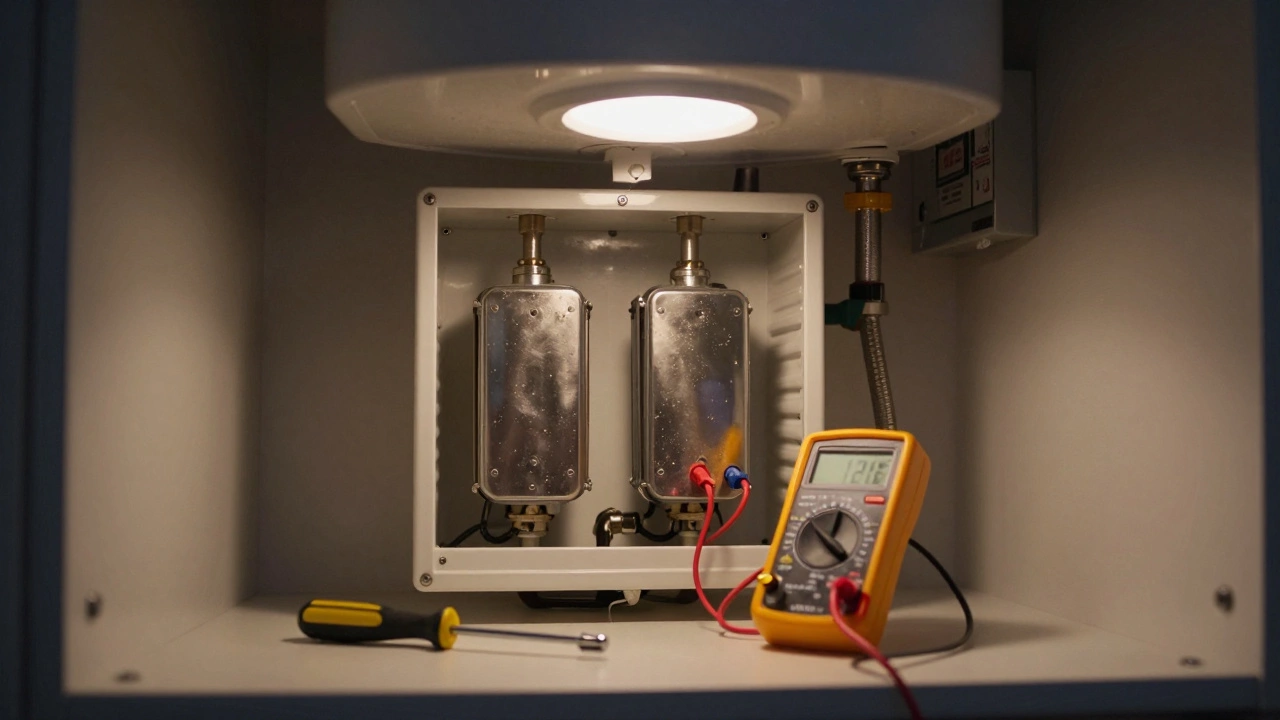
Fix a water heater producing cold water by checking the power, testing heating elements, adjusting the thermostat, flushing sediment, and replacing faulty parts like the dip tube or thermocouple. Most issues are simple DIY fixes.
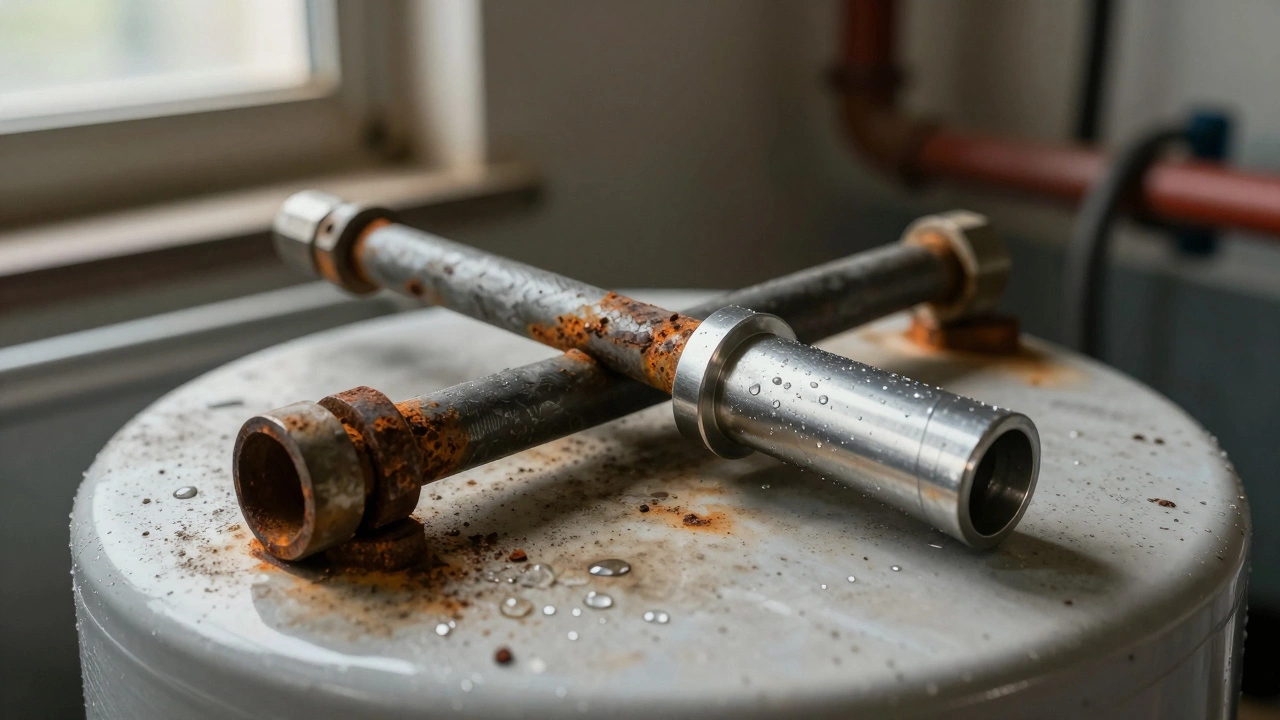
Replace your water heater's anode rod every 1-2 years in hard water areas to prevent tank corrosion. A simple £20 part can save you hundreds in repairs.
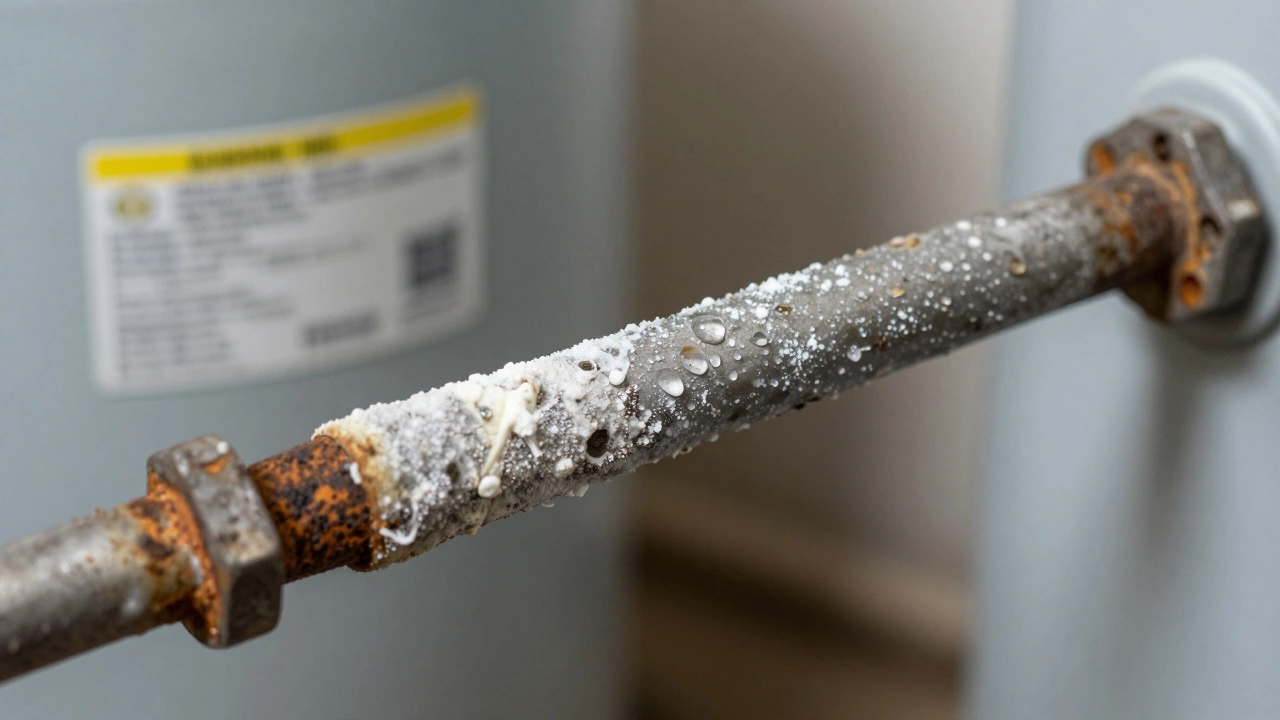
Water heaters commonly fail due to anode rod corrosion, heating element burnout, thermostat issues, and tank rust. Learn the top 5 causes and how to prevent them before you're left with no hot water.
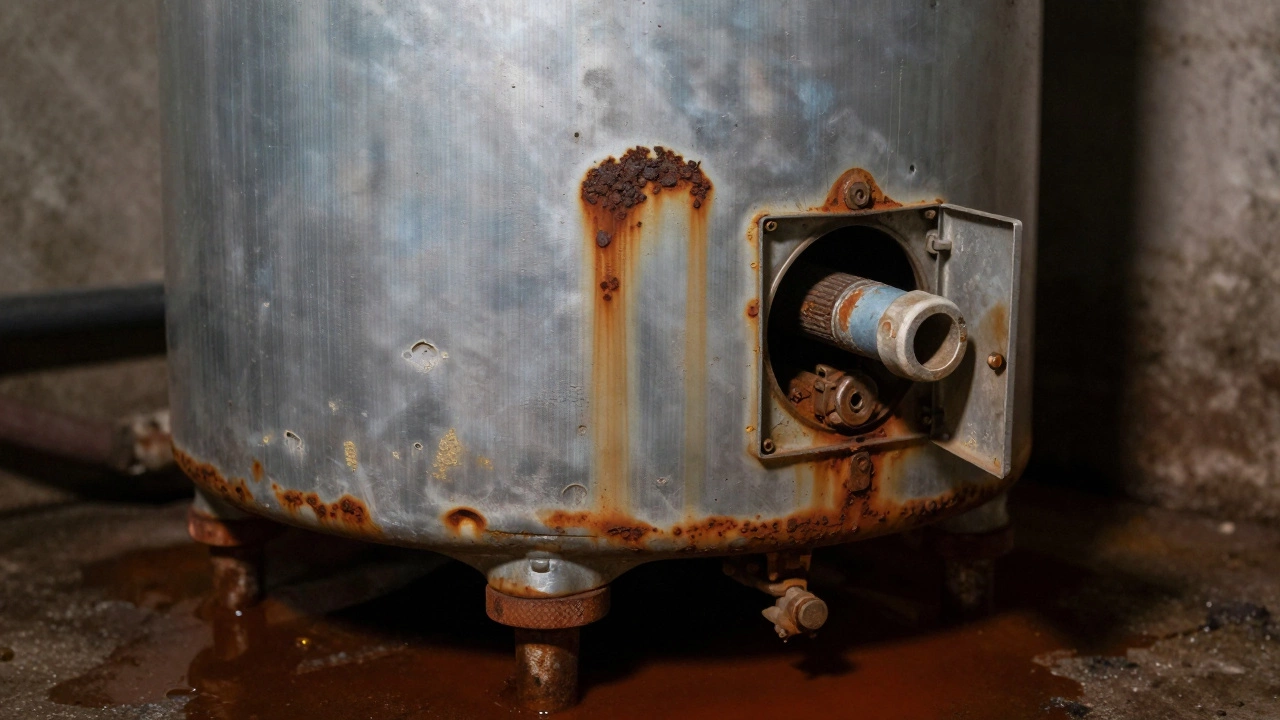
Water heaters commonly fail due to heating element burnout, thermostat issues, corrosion, and sediment buildup. Learn the top causes and how to spot them early to avoid costly repairs or sudden breakdowns.
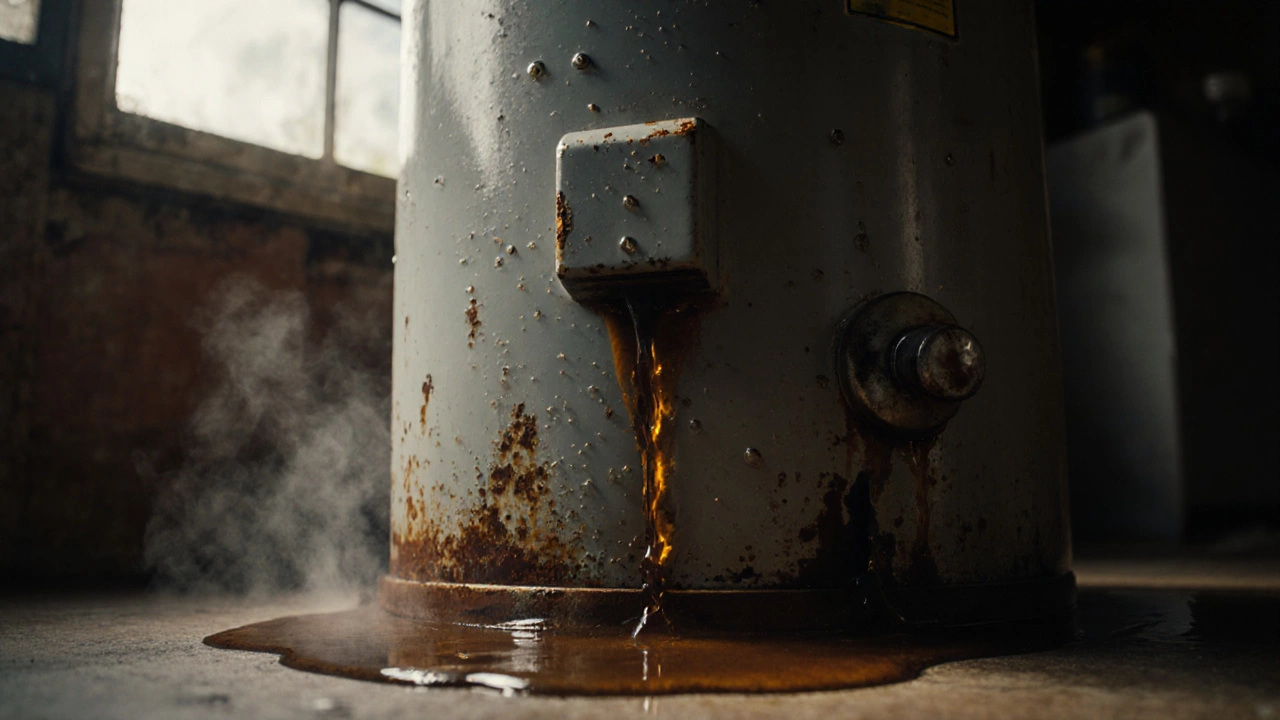
Most water heaters fail due to tank corrosion, heating element burnout, or sediment buildup. Learn the top failure points and how to spot them early to avoid costly repairs or floods.
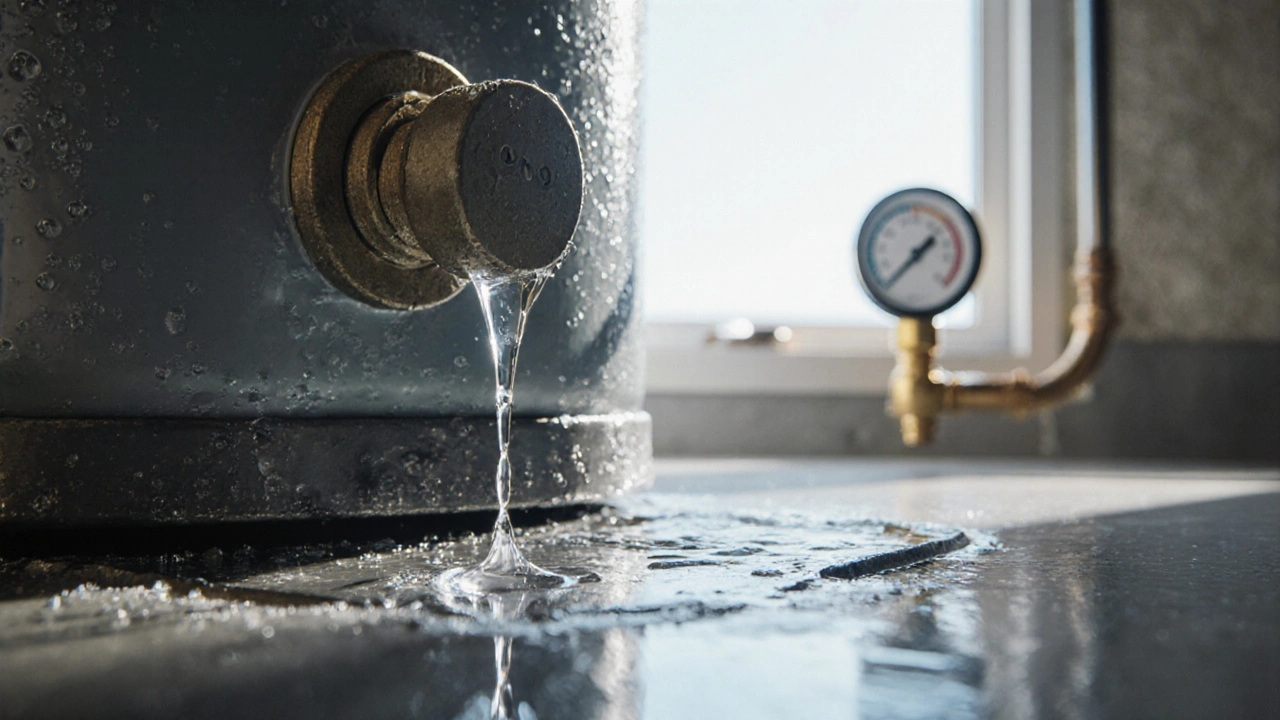
Water heater leaks usually come from five common spots: the pressure relief valve, anode rod, drain valve, tank corrosion, or pipe fittings. Learn where to look and how to fix it before it turns into a flood.
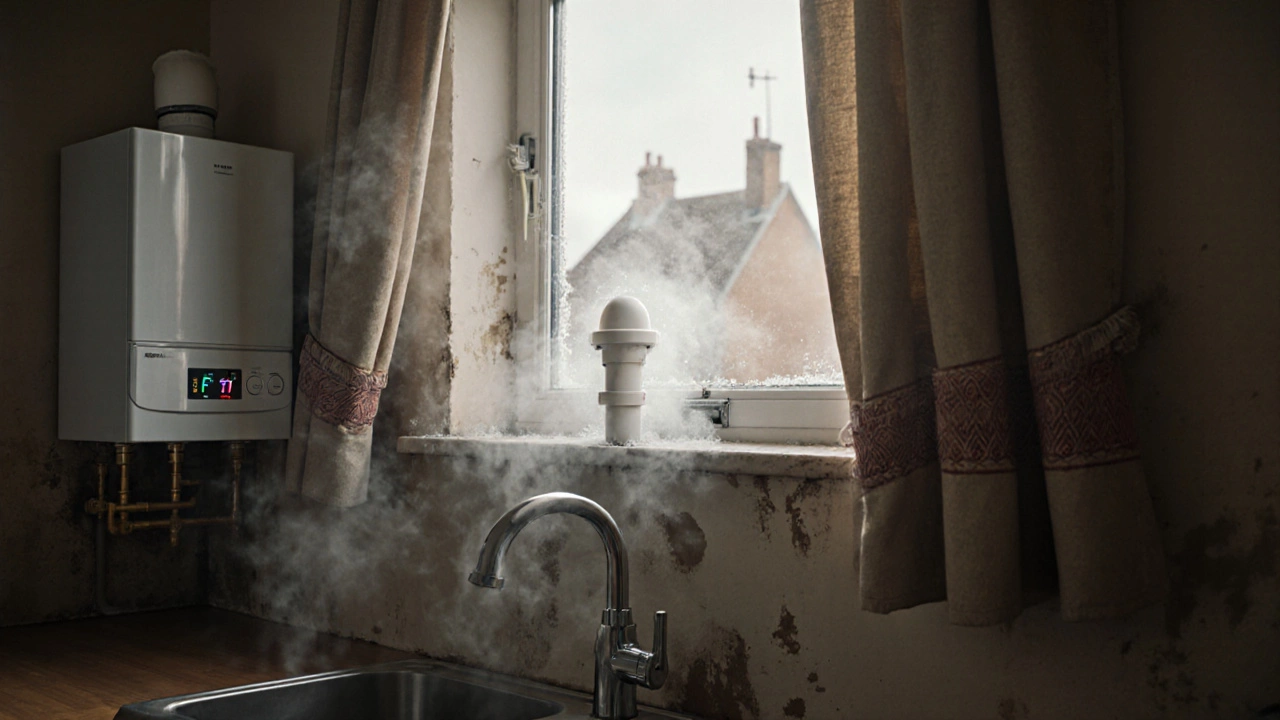
Your hot water stopped suddenly? This guide breaks down the top 7 causes - from low pressure to frozen pipes - and shows you how to fix them yourself before calling a plumber.
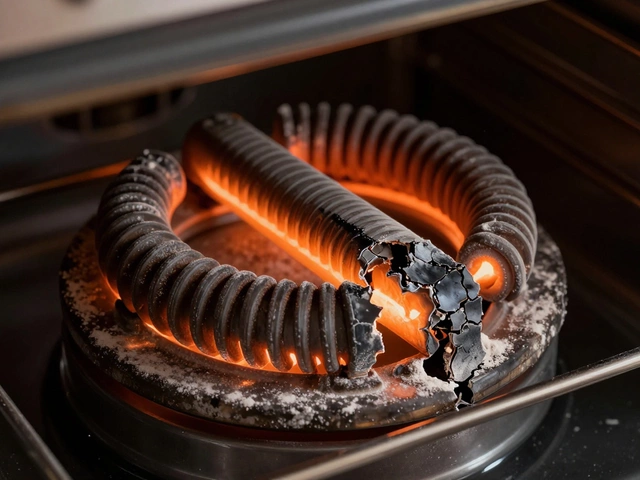
Learn how to tell if your oven element is blown by checking for visible damage, testing with a multimeter, and observing oven behavior. Most oven heating issues are simple fixes.
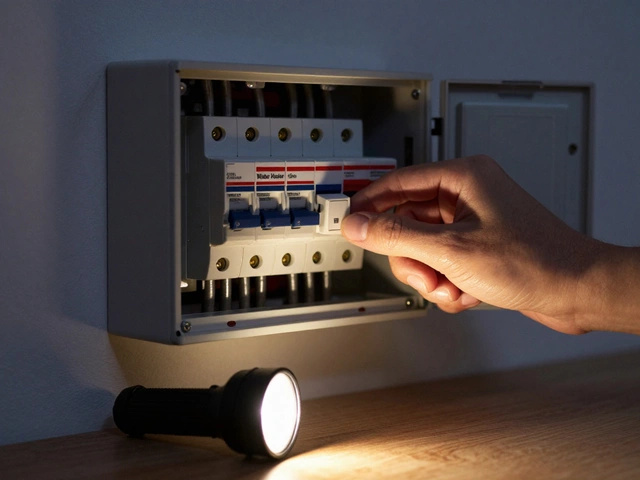
When there's no hot water, the first thing to check isn't the heater-it's the circuit breaker or pilot light. Most issues are simple fixes that save time and money. Learn what to look for and how to fix it yourself.
Is your washing machine considered old? Learn the real lifespan, signs it's aging, and pro tips to keep it running longer. Get real facts and advice from an expert.
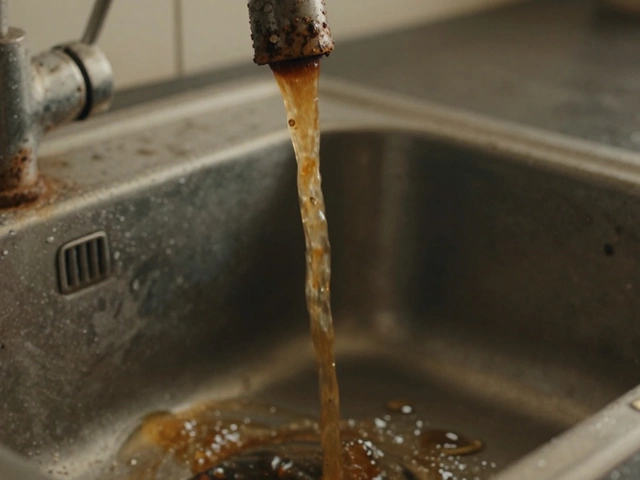
Watch for rusty water, leaks, strange noises, or no hot water-these are clear signs your water heater is failing. Age, higher bills, and bad smells mean it’s time to replace it before it breaks down.
If your extractor fan has suddenly stopped working, it's not just annoying but can lead to bigger problems like excess moisture and lingering odors. This article will delve into common issues with extractor fans and provide practical solutions you can try at home. Learn about potential causes, from power supply problems to sensor malfunctions, along with straightforward fixes. Some tips might even save you from calling in a professional. Get your fan back up and running with ease!