
Shower Temperature Diagnostic Tool
Answer a few questions to narrow down the cause of your cold shower.
Diagnostic Result
Analyzing symptoms...
Recommended Action:
Please select options to see recommendations.
- If other taps have hot water, your water heater is likely fine.
- The most common culprit is a failed shower mixing valve.
- Air locks or sediment buildup in the shower lines can block heat.
- Clogged showerheads can cause pressure drops that trick the heater.
- Diverter valves in tub-shower combos often leak, stealing your heat.
The Mystery of the Selective Cold Shower
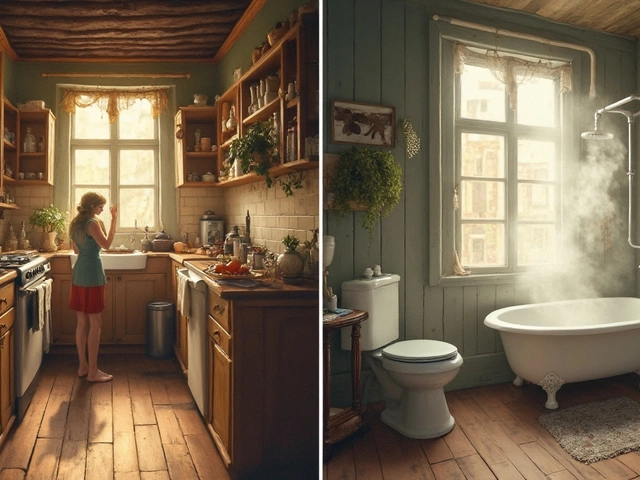
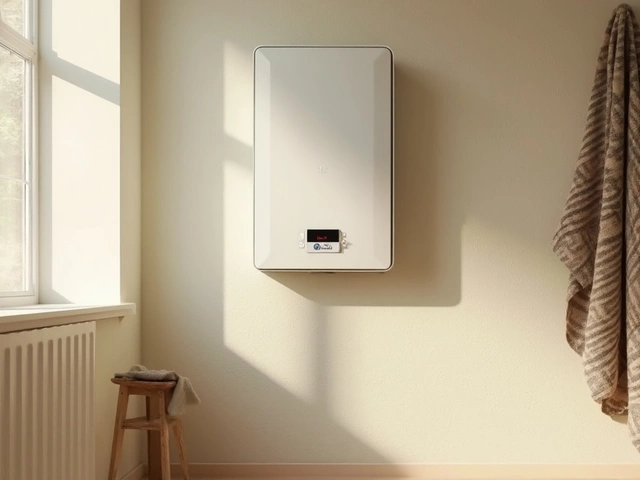
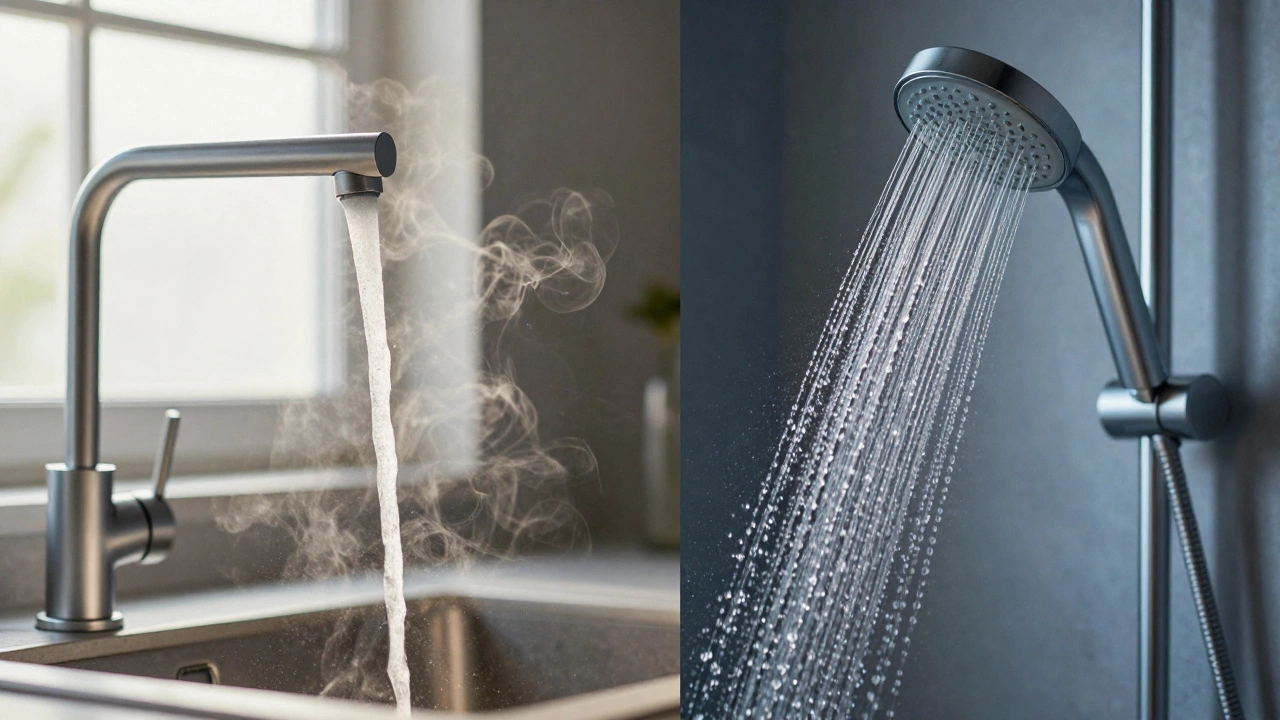
When you have hot water in the kitchen but not the shower, you can stop worrying about the main tank. Your Water Heater is an appliance that heats and stores water for the entire home, and since it's delivering heat to other rooms, it is doing its job. The issue is local. It is happening somewhere between the main hot water line and your showerhead.
Usually, this boils down to a problem with flow or temperature regulation. Have you noticed if the water is completely cold, or just lukewarm? That distinction helps narrow down whether you have a total blockage or just a failing part. If it is totally cold, the hot water isn't even reaching the shower. If it is lukewarm, the hot water is getting there, but it's being diluted by too much cold water.
The Main Suspect: The Shower Mixing Valve
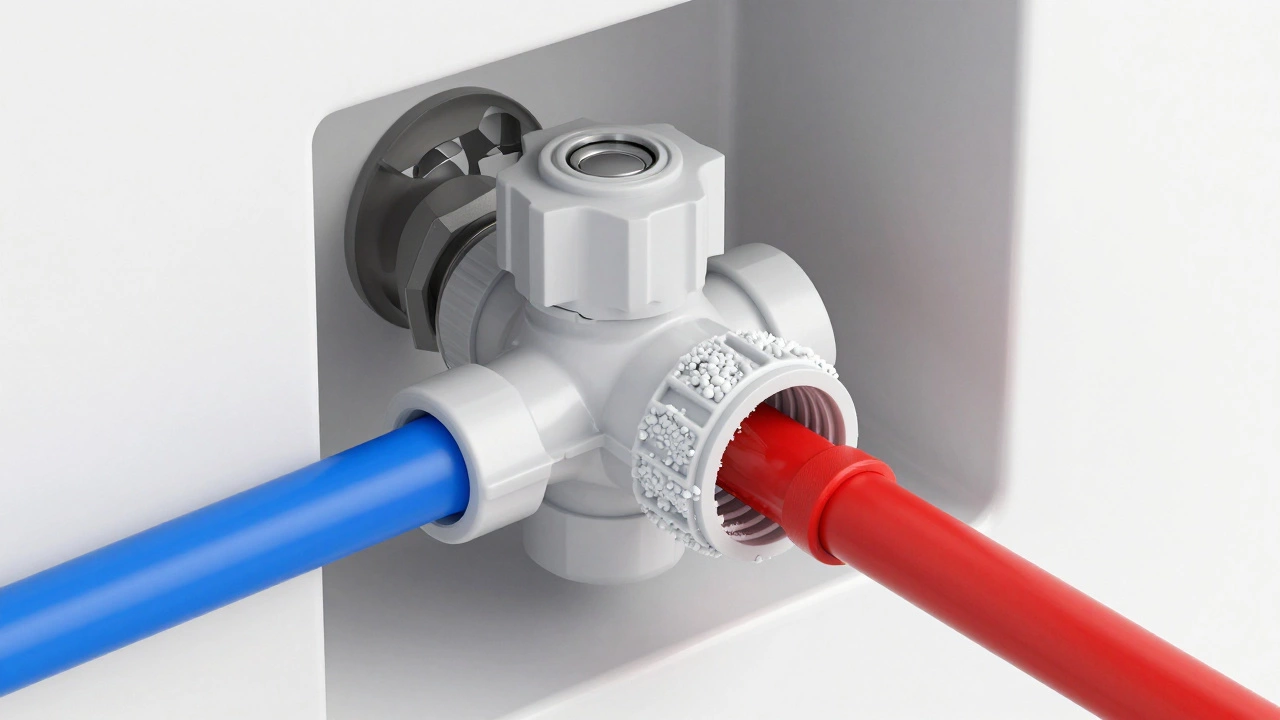
In most modern bathrooms, there is a hidden piece of hardware called a Shower Mixing Valve. This is a device that blends hot and cold water to reach the temperature you set with the handle. Inside this valve is a cartridge-a small plastic and rubber cylinder that controls the flow.
Over time, these cartridges collect mineral deposits. If you live in an area with hard water, calcium builds up inside the cartridge, blocking the hot water side while letting the cold water flow freely. This is why your shower feels cold even when the handle is turned all the way to 'hot'. The cold water is winning because the hot water simply can't squeeze through the lime-scale buildup.
Another common failure is a worn-out O-ring. These tiny rubber seals keep the hot and cold streams separate. When they perish, cold water can leak into the hot water stream, cooling it down before it ever hits your skin. If you notice the handle feels "loose" or doesn't click into place, the cartridge is likely the problem.
Dealing with the Shower Diverter
If you have a bathtub and shower combo, you have a Diverter Valve. This is the little pin you pull up to send water from the tub spout up to the showerhead. If this valve doesn't seal properly, you lose a significant amount of water pressure.
Why does this matter for temperature? Many Tankless Water Heaters or high-efficiency boilers require a specific flow rate to trigger the heating element. If the diverter is leaking, the flow rate drops. The heater thinks nobody is using the water, or it can't maintain the temperature because the pressure is too low. You'll feel the water start warm and then rapidly turn cold as the system fails to keep up with the inefficient flow.
| Symptom | Likely Cause | Difficulty to Fix | Solution |
|---|---|---|---|
| Totally cold water | Blocked Mixing Valve | Medium | Replace Cartridge |
| Starts hot, goes cold fast | Diverter Leak / Flow Rate | Low | Clean or Replace Diverter |
| Low pressure and lukewarm | Clogged Showerhead | Very Low | Vinegar Soak/Cleaning |
| Screeching noise when hot | Air Lock in Pipes | Medium | Flush the Lines |
The Hidden Danger of Air Locks
An air lock is exactly what it sounds like: a bubble of air trapped in the plumbing that prevents water from moving. This often happens after you've had plumbing work done or if the water was shut off for a few hours. While it's rare for an air lock to affect only the hot water line, it can happen if the air bubble is trapped in the specific branch leading to the shower.
When this happens, the hot water from your Boiler tries to push through, but the air bubble acts like a plug. You might hear a "gurgling" or "coughing" sound coming from the walls. To fix this, you usually have to flush the system by opening all the taps in the house and letting them run for a few minutes, which forces the air out through the vents.
Sediment and Scale Buildup
If you've had the same shower for a decade, the pipes themselves might be the problem. In older homes, water heater repair often involves more than just fixing the tank; it involves cleaning the lines. Sediment-basically tiny rocks of minerals-can settle in the horizontal sections of your piping.
Because the shower is often the furthest point from the heater, it's the first place to suffer from "slugs" of sediment. If a chunk of lime-scale breaks loose from the tank, it can travel down the line and get stuck right at the entrance of the shower valve. This restricts the hot water flow while the cold water (which comes from a different, colder pipe where minerals don't precipitate as easily) flows perfectly.
The Role of the Showerhead
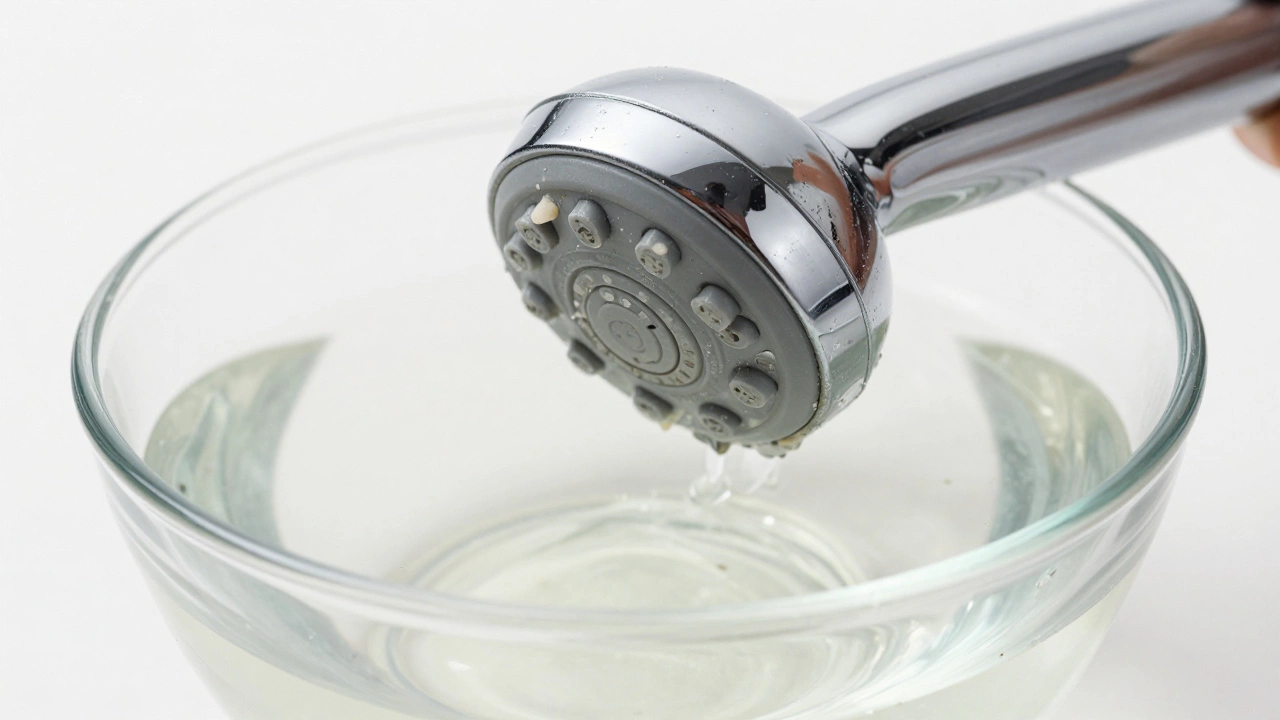
It sounds too simple to be true, but a dirty showerhead can actually make your water feel cold. If the nozzles are clogged with minerals, the water backs up in the pipe. In some high-end systems with Thermostatic Valves, this back-pressure can confuse the sensor. The valve might think the water is too hot because it's sitting in the pipe longer, so it automatically adds more cold water to compensate, leaving you with a lukewarm shower.
Try removing the showerhead and turning the water on. If the water coming out of the bare pipe is steaming hot, you just need to soak your showerhead in a 50/50 mix of white vinegar and water for an hour. This dissolves the calcium and restores the proper flow balance.

When to Stop DIYing and Call a Pro
Changing a shower cartridge is something a handy homeowner can do with a screwdriver and a wrench. However, if you've replaced the cartridge and the water is still cold, the problem is likely deeper in the walls. If you suspect a collapsed pipe or a major blockage in the copper lines, don't start tearing into your drywall without a professional.
A licensed plumber can use a camera or a pressure test to find exactly where the hot water is stopping. If you're dealing with a Combination Boiler, the issue could also be a faulty diverter valve inside the boiler itself, which is a job far beyond a simple DIY fix.
Why is only the shower cold but the bathroom sink is hot?
This usually means the water heater is working fine, but there is a blockage or failure specifically in the shower's mixing valve or the pipes leading to the shower. The most common cause is a clogged shower cartridge that prevents hot water from entering the stream.
Can a clogged showerhead cause cold water?
Yes, indirectly. A clogged head can create back-pressure that triggers a thermostatic valve to add more cold water to prevent scalding, resulting in a lukewarm shower. It can also lower the flow rate enough that some tankless heaters stop firing.
How do I know if my shower cartridge needs replacing?
Signs include the handle feeling stiff or loose, water leaking from the handle, or the temperature not changing even when you move the handle to the full hot position. If other taps are hot, the cartridge is the prime suspect.
What is an air lock in the pipes?
An air lock is a pocket of air trapped in the plumbing that blocks water flow. It often happens after plumbing repairs. You can usually fix it by running all the taps in the house simultaneously for several minutes to push the air out.
Does hard water affect shower temperature?
Absolutely. Hard water contains minerals like calcium and magnesium that create scale. This scale builds up inside the narrow channels of the shower mixing valve, often blocking the hot water side more than the cold side.
Next Steps and Troubleshooting
If you're staring at a cold shower right now, start with the easiest fix: clean the showerhead. If that doesn't work, check your diverter valve if you have a tub. If the pressure is fine but the temperature is wrong, it's time to look at the mixing valve cartridge.
For those with older homes, consider installing a water softener. This prevents the scale buildup that kills shower cartridges in the first place. If you've tried all these steps and the water is still freezing, contact a professional to check for internal pipe blockages or boiler diverter failure.