Water Heater Repair vs Replacement Cost Calculator
Calculate Your Best Option
Your Best Option
RecommendationRepair Costs
Over 2 years (assuming 2 repairs):
Replacement Costs
Upfront cost:
Energy Savings
Annual savings:
Total over 10 years:
Water Damage Risk
Twenty years is a long time for anything in your home to keep working-especially something that heats water every single day. You wake up, turn on the tap, and the water’s lukewarm. The pilot light flickers. There’s a strange rumble from the basement. You start wondering: should I fix this old water heater, or just replace it?
Water heaters don’t last forever
Most tank-style water heaters last between 8 and 12 years. That’s the industry standard. Some might make it to 15 with perfect maintenance, but 20? That’s pushing it. If yours is two decades old, it’s already outlived its design life by a full third. Think of it like an old car with 200,000 miles on it. It still runs, but every repair feels like a band-aid on a cracked engine block.
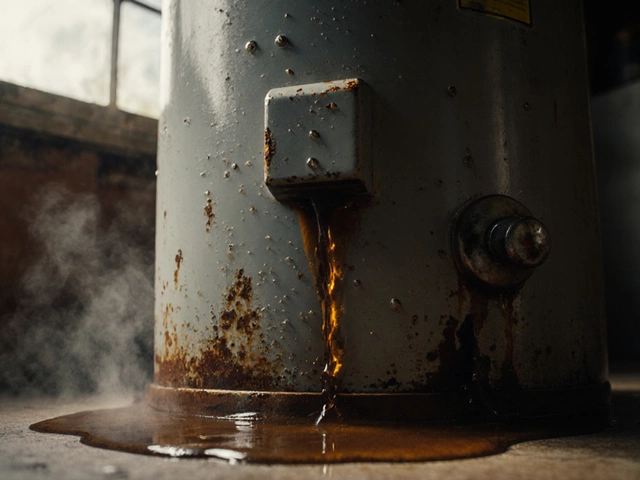
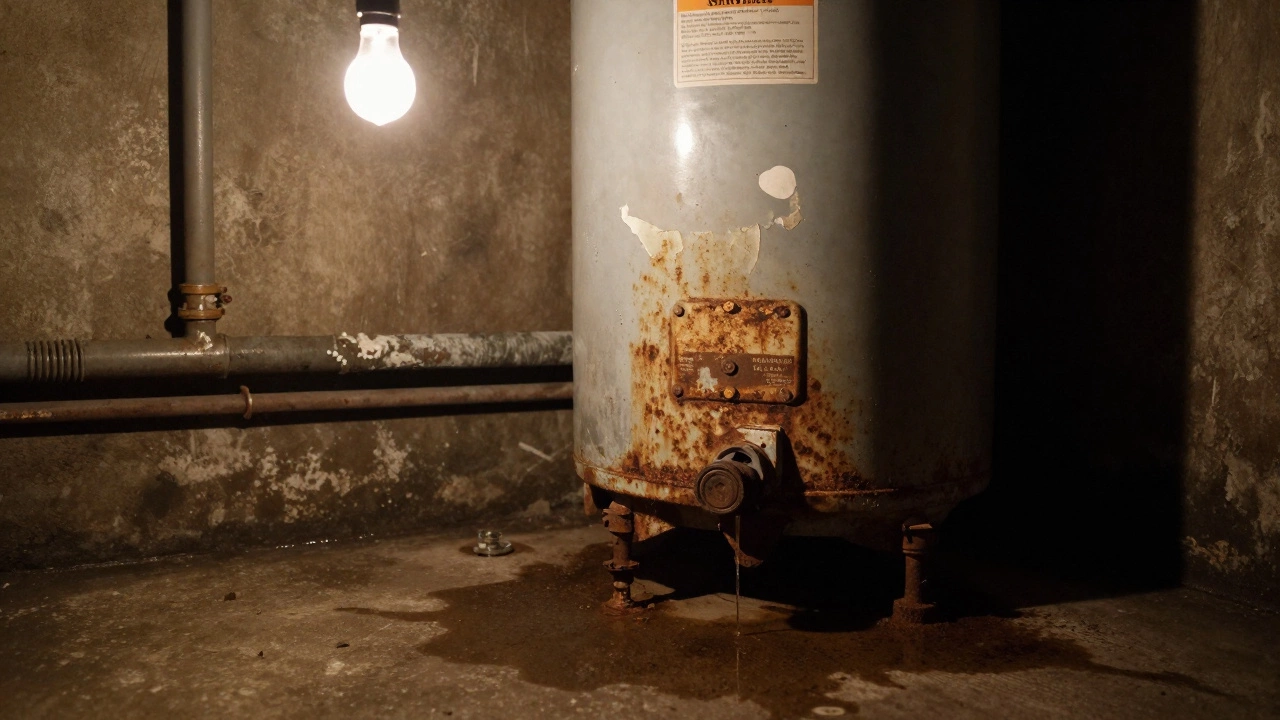
The tank itself is made of steel lined with glass. Over time, minerals in the water build up and eat away at that lining. Once the lining breaks down, rust sets in. You’ll start seeing brown water, strange smells, or leaks around the base. Those aren’t just annoyances-they’re signs the tank is failing from the inside out.
What’s the cost of repair?
Let’s say your water heater isn’t heating. You call a technician. They check the thermostat, the heating elements, the dip tube. Maybe they find a bad element. Replacing it costs £80-£120 for parts, plus £100-£150 in labour. Total: £200-£270. Sounds reasonable, right?
But here’s the catch: if one part is failing, others are close behind. The anode rod, which protects the tank from corrosion, was probably replaced 10 years ago. It’s dead now. The pressure relief valve? It’s been cycling since the 2000s. The pipes around it? They’re original, and calcium buildup has narrowed them by 40%. Fixing one thing doesn’t fix the rest. And if the tank itself has a slow leak? You can’t repair that. You replace it.
Most repairs on 20-year-old units are temporary. You pay £250 to get hot water again, and two months later, it’s back to sputtering. That’s not a repair. That’s a payment plan for replacement.
Modern water heaters are smarter and cheaper to run
Twenty years ago, water heaters were about 60% efficient. Today’s models hit 95%+ efficiency. That means if you’re spending £80 a month on heating water, a new unit could cut that to £50. Over five years? That’s £1,800 in savings alone.
Modern units also come with smart features: remote temperature control, leak detection, self-cleaning systems, and even alerts when the anode rod needs replacing. You won’t find those on a 20-year-old tank. And if you have an electric water heater, newer models are compatible with off-peak tariffs-meaning you can heat water overnight when electricity is cheapest.
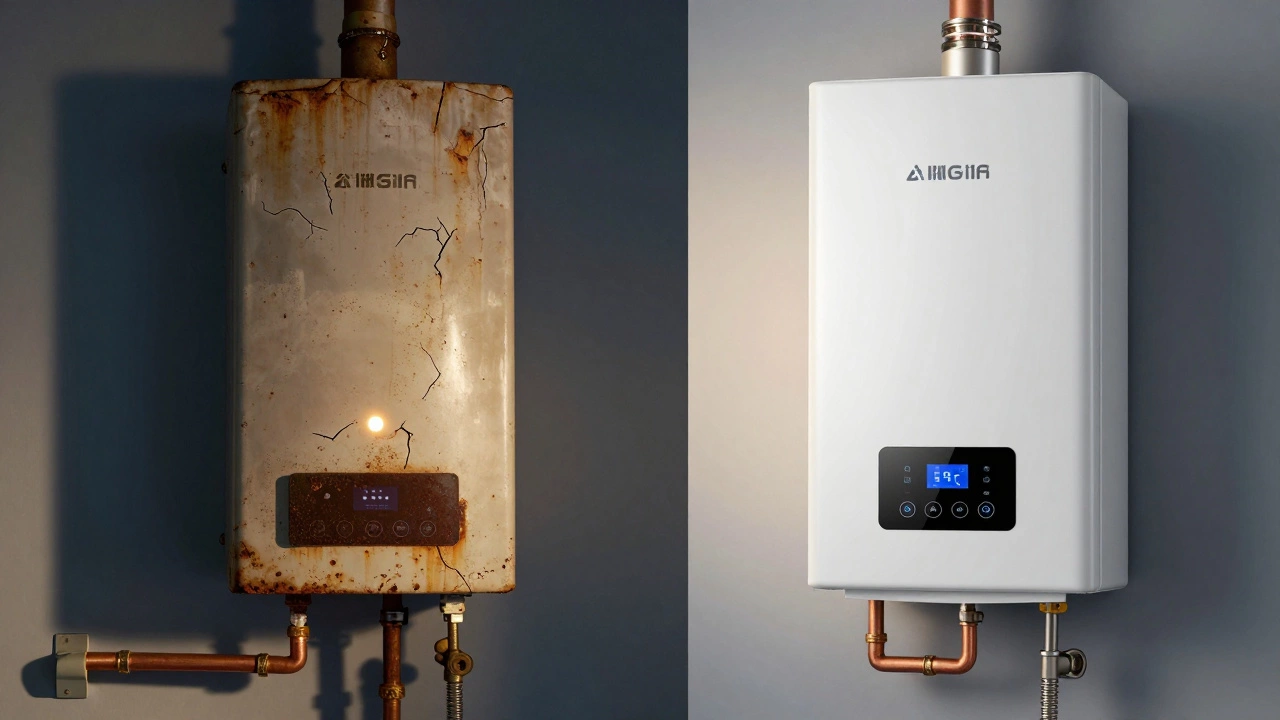
Gas models now have sealed combustion chambers and condensing technology. They’re quieter, safer, and use 30% less fuel. If your current heater is gas-powered and still uses an open-flame burner, you’re running a piece of 1990s tech in your home. That’s not just outdated-it’s a risk.
Leak risk: a hidden cost
The biggest danger of an old water heater isn’t that it stops working. It’s that it bursts.
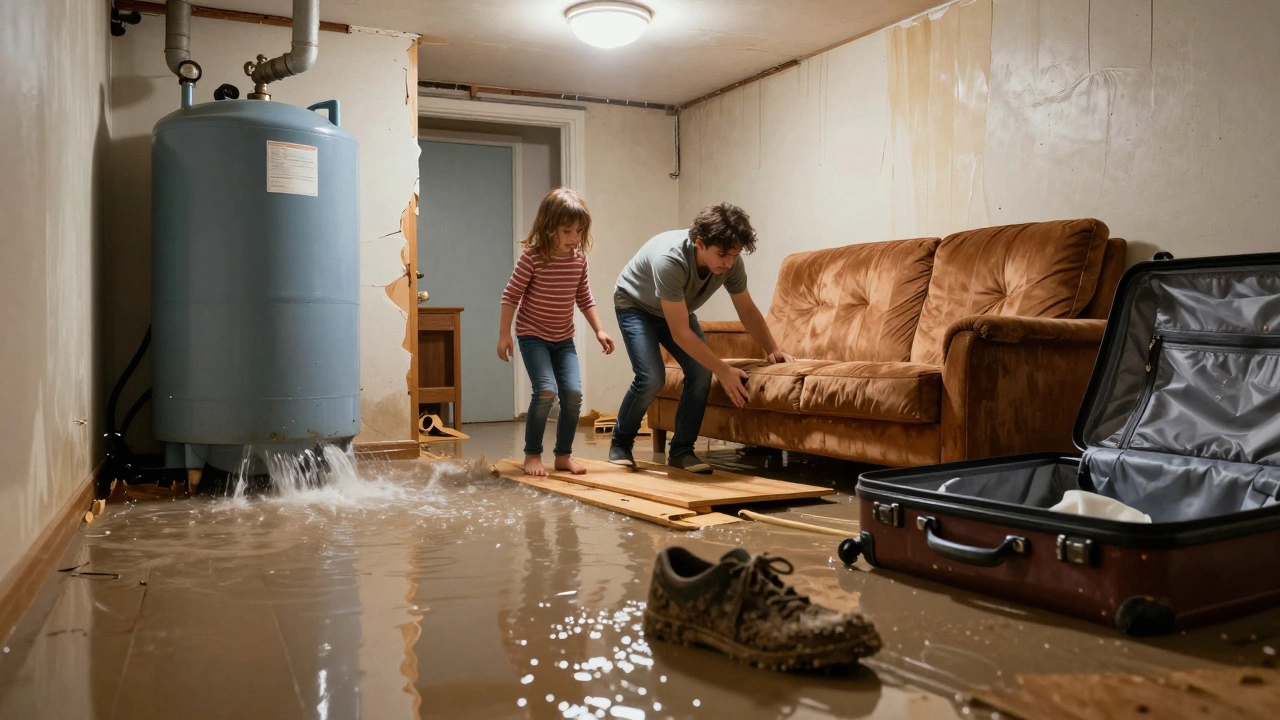
A ruptured tank can dump 50-80 gallons of water in minutes. That’s enough to flood your basement, ruin flooring, warp walls, and destroy stored items. Water damage repairs average £3,000-£8,000 in the UK. Insurance might cover it, but your premiums will spike. Some policies even deny claims if the heater was past its expected lifespan.
And here’s the kicker: most leaks happen when you’re not home. You go on holiday. You’re at work. You come back to a swamp. That’s not a hypothetical. It happens every week in Bristol, especially in older homes with basement installations.
Replacement costs-what you really pay
A standard 50-gallon electric water heater costs between £800 and £1,200 installed. Gas units run £1,000-£1,600. That sounds steep until you break it down.
£1,200 over 10 years? That’s £120 a year. Compare that to spending £250 every two years on repairs. After four repairs, you’ve already spent £1,000-and you’re still stuck with a ticking time bomb.
Plus, you get a 10-year warranty on a new unit. That’s peace of mind. No more midnight calls to plumbers. No more wondering if the water’s safe to shower in.
There are also government incentives. The UK’s Boiler Upgrade Scheme offers up to £7,500 toward heat pumps, but even if you stick with a traditional tank, some local councils offer £200-£500 rebates for replacing old electric heaters with high-efficiency models. Check your Bristol council website. It’s worth a 10-minute search.
When repair might still make sense
There’s one scenario where fixing a 20-year-old heater makes sense: if you’re moving out in six months. If you’re renting, or planning to sell, and you don’t plan to live there long-term, a cheap fix keeps things running until you’re gone.
But if you’re staying? If you care about your home’s value, your safety, or your monthly bills? Don’t fix it. Replace it.
What to look for in a new water heater
- Size: A 50-gallon tank suits 3-4 people. Larger households need 60-80 gallons.
- Type: Tankless units save space and energy but cost more upfront. For most UK homes, a high-efficiency tank is the sweet spot.
- Energy source: Electric is easier to install. Gas is cheaper to run but needs a vent. Heat pumps are the most efficient but require outdoor space.
- Warranty: Go for at least 10 years. Longer warranties mean better build quality.
Brands like Worcester Bosch, Vaillant, and Ideal offer reliable models with good UK support. Avoid no-name brands. You’re not saving money-you’re gambling.
Final call
A 20-year-old water heater is like a 20-year-old smartphone. It still turns on. But it’s slow. It dies quickly. And when it fails, it takes something important with it. You wouldn’t keep using a 20-year-old phone. Don’t keep using a 20-year-old water heater.
Replace it. Not because you have to. But because you deserve hot water that’s reliable, safe, and efficient. The money you spend now saves you stress, risk, and cash down the line.
Can a 20-year-old water heater be repaired safely?
Technically, yes-but it’s rarely safe or smart. Most repairs only delay the inevitable. Components like the anode rod, heating elements, and valves wear out over time, and replacing one part doesn’t stop others from failing. A 20-year-old tank is likely corroded inside, making leaks or bursts far more likely. Even if the repair works for a few months, the risk of sudden failure and water damage is too high to justify the cost.
How much does it cost to replace a 20-year-old water heater?
Replacement costs between £800 and £1,600, depending on the type and fuel source. A standard 50-gallon electric unit runs £800-£1,200 installed. Gas models cost £1,000-£1,600 due to venting requirements. Tankless units start at £1,800. Labour, removal of the old unit, and disposal are usually included. Some local councils in the UK offer rebates up to £500 for upgrading to high-efficiency models.
Is it cheaper to repair or replace a 20-year-old water heater?
In the short term, repair seems cheaper-maybe £200-£300. But over two years, you’ll likely need multiple repairs. By year three, you’ll have spent more than the cost of a new unit. Plus, you’ll face higher energy bills and the risk of water damage. Replacing it upfront saves money, energy, and stress over the long term.
Do I need a plumber to replace my water heater?
Yes. Water heater installation involves plumbing, electrical work (for electric units), gas line connections (for gas units), and pressure testing. DIY replacement is risky and often violates building regulations. In the UK, gas installations must be done by a Gas Safe registered engineer. Even electric units require proper wiring and drainage. Always hire a qualified professional.
What signs indicate my water heater is beyond repair?
Rusty or discoloured water, a persistent rotten egg smell, visible leaks around the base, loud rumbling or popping noises, and inconsistent water temperature are all red flags. If you’ve had multiple repairs in the past two years, or if the tank is over 15 years old, it’s likely beyond repair. A professional inspection can confirm corrosion inside the tank using a camera probe-most plumbers offer this for free.
Replacing a 20-year-old water heater isn’t just about convenience-it’s about protecting your home, your budget, and your peace of mind. The sooner you act, the less you’ll pay in the long run.