Water Heater Health Checker
If your hot water suddenly turns cold, or you notice puddles under your water heater, you’re not imagining things. Something’s wrong. Water heaters don’t usually die without warning-they give you plenty of clues long before they completely fail. Ignoring these signs won’t make the problem go away. It’ll just make your next repair bill bigger-or leave you with no hot water in the middle of winter.
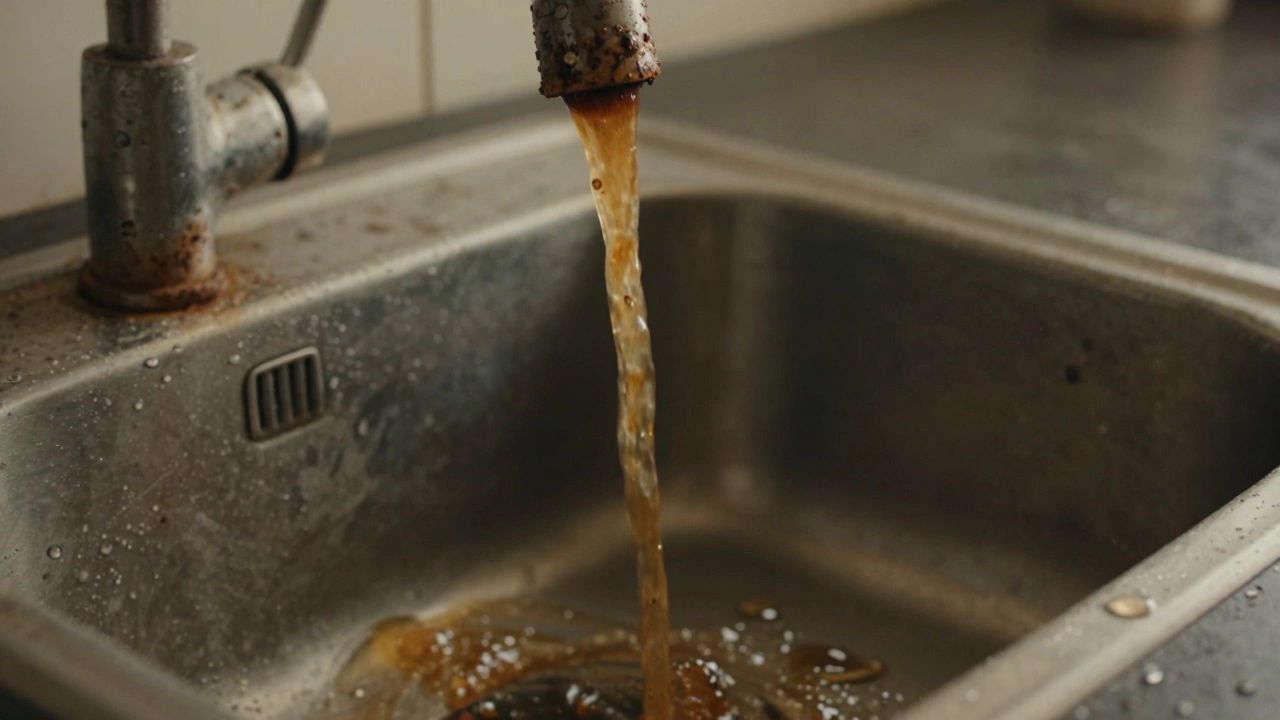
Water that’s rusty or discoloured
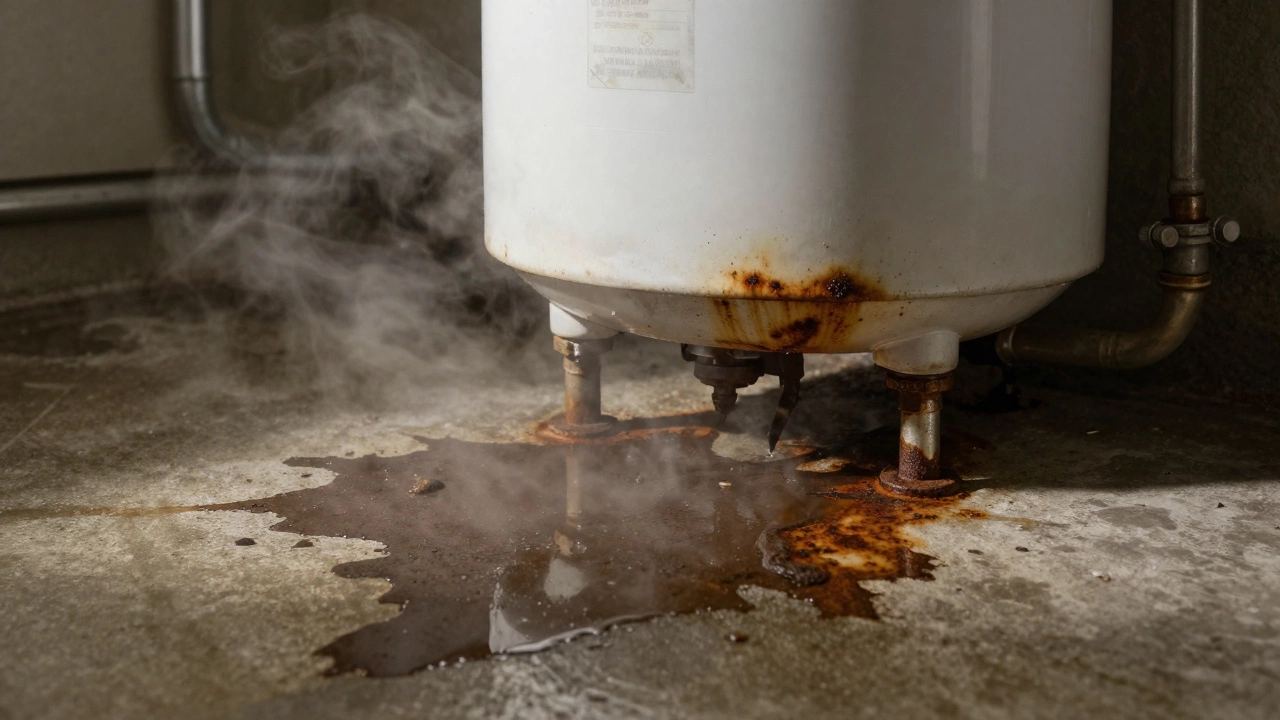
Clear, clean hot water is normal. Rusty, brown, or yellow water is not. This usually means the inside of your tank is corroding. The glass lining that protects the steel tank from rust has worn out, and now the metal is eating itself from the inside. You might see it in your sink, shower, or even your washing machine. It’s not just ugly-it’s a sign your tank is nearing the end of its life. Once rust starts showing up in your water, you’re looking at a tank that’s likely over 10 years old. Replacing the anode rod won’t fix this. The damage is already done.
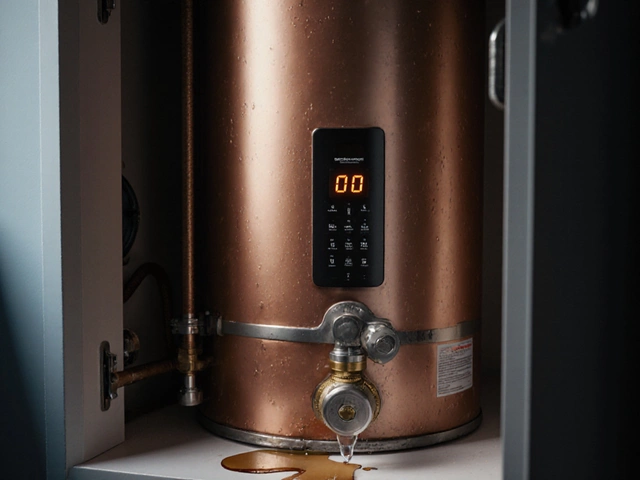
Water pooling around the base
Seeing water on the floor under your water heater? Don’t assume it’s just condensation. Condensation happens in humid weather and dries quickly. Real leaks? They stick around. A leak from the tank itself means the metal has corroded through. This is a death sentence for most standard tanks. If the leak is coming from a pipe or fitting, you might get away with a simple fix. But if the tank itself is weeping, it’s done. No patch, no sealant, no magic spray will stop it. A tank leak is a full replacement situation.
No hot water-or not enough
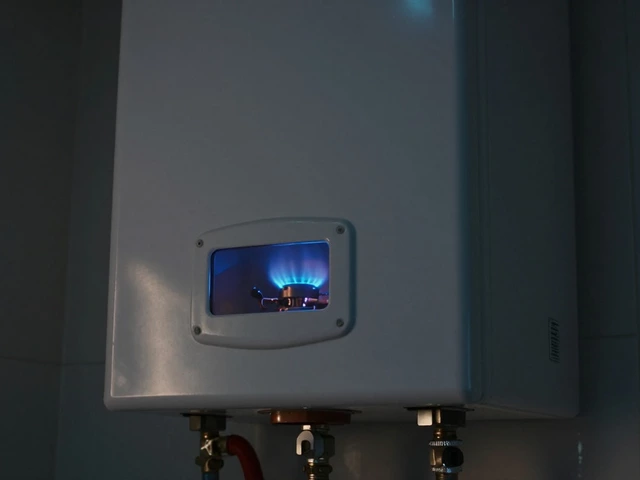
If your shower goes cold after five minutes, or your dishes come out icy, your water heater isn’t heating properly. For electric models, it’s often one of the two heating elements that’s burned out. Gas models might have a faulty thermocouple or pilot light issue. But if you’ve had consistent hot water for years and now you’re running out fast, the problem could be sediment. Over time, minerals from hard water sink to the bottom and form a thick layer. That sludge acts like insulation, trapping heat below the tank instead of letting it rise to the water above. The result? Your water heater runs longer, uses more energy, and still doesn’t deliver enough hot water.
Loud banging or popping noises
That sound? It’s not your imagination. When sediment builds up at the bottom of the tank, it traps water between the metal and the mineral layer. That trapped water heats up, turns to steam, and bursts through the sludge-creating loud bangs or popping noises. It’s like a mini volcano inside your heater. These noises aren’t just annoying. They mean your tank is working harder than it should. That extra strain wears out components faster. And if you hear it often, you’re probably already losing efficiency. A yearly flush can prevent this. But if the noise has been going on for months? You’re likely past the point of easy fixes.
Age of the water heater
Most water heaters last between 8 and 12 years. If yours is 10 or older and you’re starting to notice any of the other signs, don’t wait for it to fail completely. Even if it’s still working, an aging unit is a liability. Older tanks are more prone to leaks, inefficiency, and sudden breakdowns. You might think you’re saving money by waiting, but you’re just risking a flood, a cold house, and a rushed, expensive emergency replacement. The average cost of replacing a water heater in the UK is between £1,200 and £2,500. A proactive replacement costs less than a flood cleanup and emergency call-out.
Smell like rotten eggs
That foul smell when you turn on the hot tap? It’s not your soap. It’s hydrogen sulfide gas. It happens when sulfate-reducing bacteria feed on sulfur in the water and react with the magnesium anode rod inside the tank. The rod is supposed to protect the tank from rust-it sacrifices itself so the tank doesn’t have to. But when it wears down too far, or when bacteria get into the system, you get that rotten egg smell. Flushing the tank and replacing the anode rod with an aluminium one can help. But if the smell returns quickly, your tank might be too old or too contaminated to fix properly.
Higher energy bills with less hot water
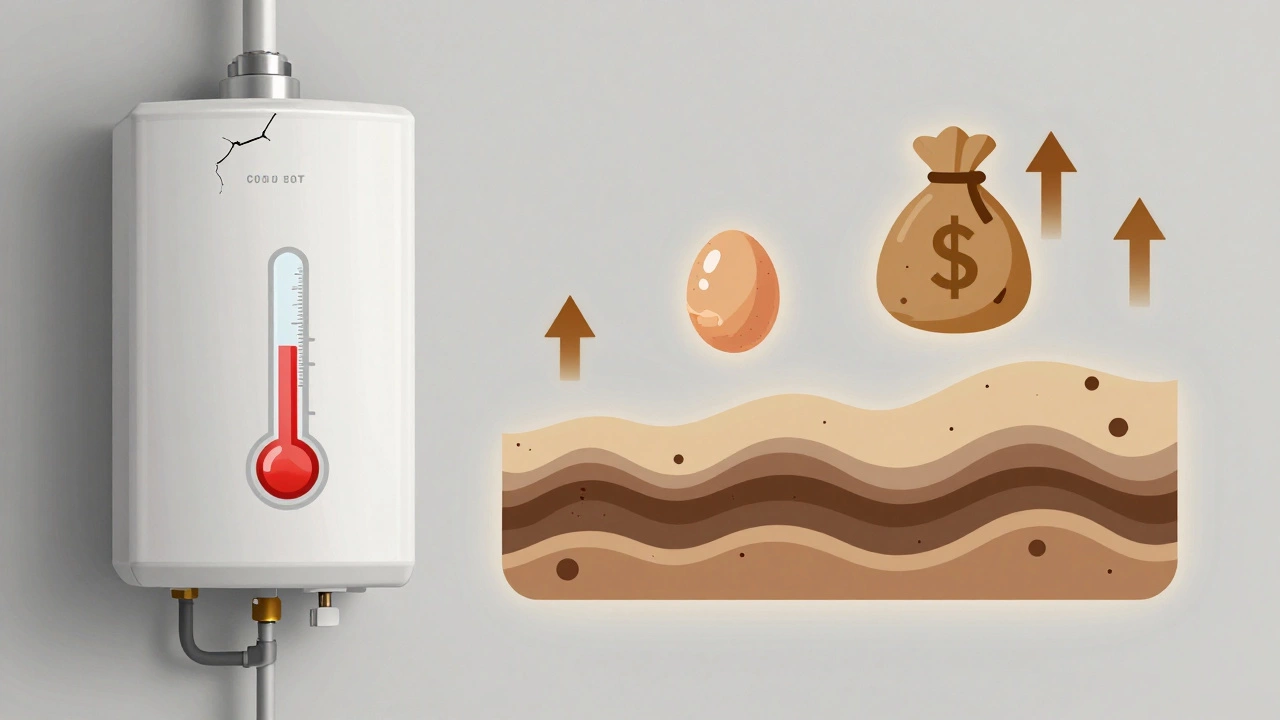
Is your gas or electric bill creeping up even though your usage hasn’t changed? And yet, you’re getting less hot water than before? That’s a classic sign of inefficiency. Sediment buildup, failing elements, worn insulation, or a damaged dip tube all force your heater to work harder to deliver the same results. A water heater that’s losing efficiency isn’t just wasting money-it’s also wearing out faster. If your bills have jumped 15-20% over the last year without a change in habits, it’s time to look under the tank.
What to do when you spot these signs
If you’ve noticed one or two of these signs, don’t panic. But don’t ignore them either. Start by checking the age of your unit. Look for the manufacturer’s label-there’s usually a date stamped on it. If it’s over 8 years old, start planning for replacement. For minor issues like noise or smell, a professional flush and anode rod replacement might buy you a year or two. But if you’re seeing rust, leaks, or no hot water at all, replacement is the only smart move. Waiting for a full breakdown means you’ll be without hot water overnight, possibly during freezing weather. Emergency repairs cost more. And if your tank bursts? You’re looking at water damage to your floor, walls, and possibly your neighbour’s ceiling below you.
How to avoid surprises
Prevention is cheaper than repair. Every year, drain a few gallons from the bottom of your tank to flush out sediment. Test the pressure relief valve by lifting the lever-it should release water with a strong stream. If it doesn’t, replace it. Keep the area around your water heater dry and clear. Check for early signs of rust or dampness every few months. These small habits can extend your heater’s life by years. But remember: even the best-maintained tank will eventually wear out. Don’t wait for disaster. Plan ahead.