

If your shower suddenly turns cold or the thermostat keeps tripping, you’re probably dealing with a water heater problem. Most issues are simple enough to diagnose at home, but some need a qualified technician. Here’s a straight‑forward guide to spotting the common culprits, doing basic maintenance, and knowing when it’s time to get professional help.
A reset button on an electric water heater is there for a reason – it protects the heating element from overheating. If you find yourself pressing it more than once a month, look for these warning signs:
Turn off the power, let the tank cool, and check the element for obvious signs of corrosion. If the element looks damaged, replace it – it’s a $30‑$70 part and usually a quick DIY job.
Regular flushing removes sediment that can turn a perfectly good heater into a ticking time bomb. Most manufacturers recommend flushing once a year, but if you have very hard water, twice a year is safer.
How to flush: Turn off the gas or electricity, attach a garden hose to the drain valve, open the valve, and let the water run until it’s clear. Close the valve, refill the tank, and fire up the heater.
Following a good flush schedule can add 5‑10 years to a tank’s life. Speaking of life, a typical electric water heater lasts 10‑15 years, while a gas model can stretch to 15‑20 years if you keep the flue clean and the burner free of debris.
Two quick DIY checks before you call anyone:
If you spot any of these signs, a professional repair can save you from a cold shower and a pricey replacement. Our local experts in Bognor Regis can diagnose the issue on the spot and get your hot water back in minutes.
Bottom line: Resetting often, noisy operation, or a drop in water temperature? Start with a quick visual check, flush the tank, and replace any faulty parts you can. When the problem persists, call a qualified technician to avoid further damage and keep your hot water flowing.
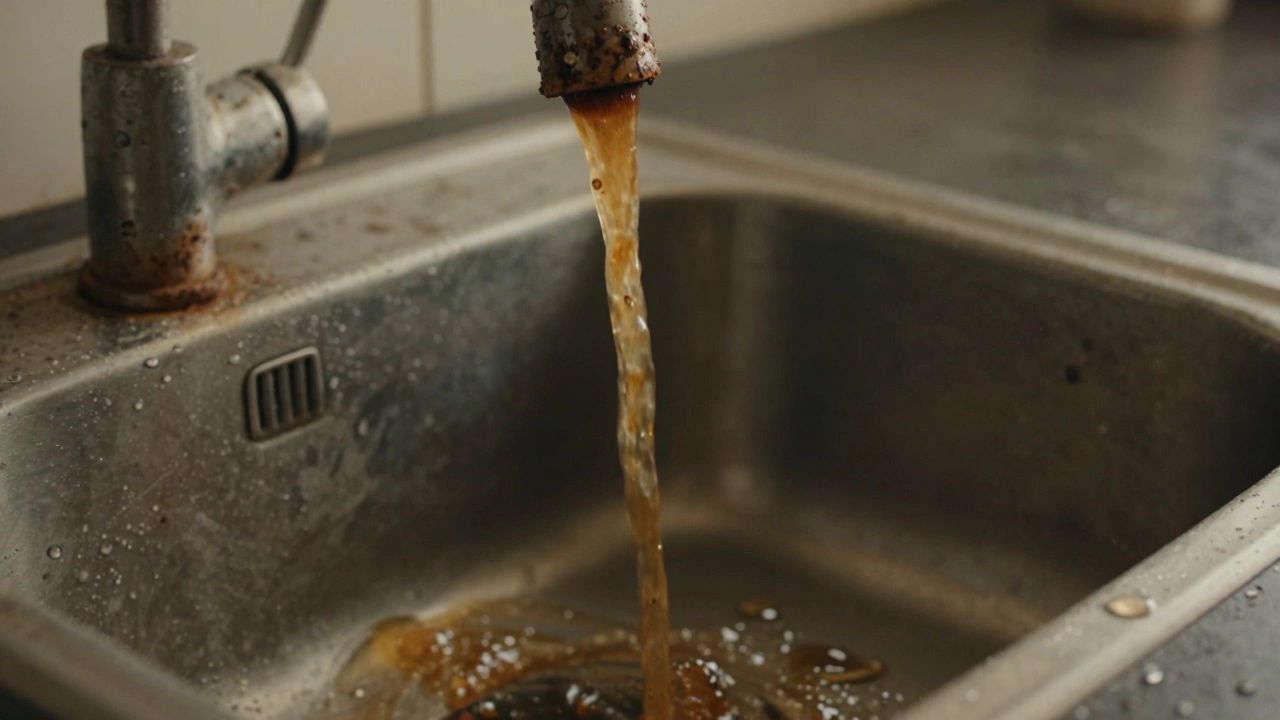
Watch for rusty water, leaks, strange noises, or no hot water-these are clear signs your water heater is failing. Age, higher bills, and bad smells mean it’s time to replace it before it breaks down.
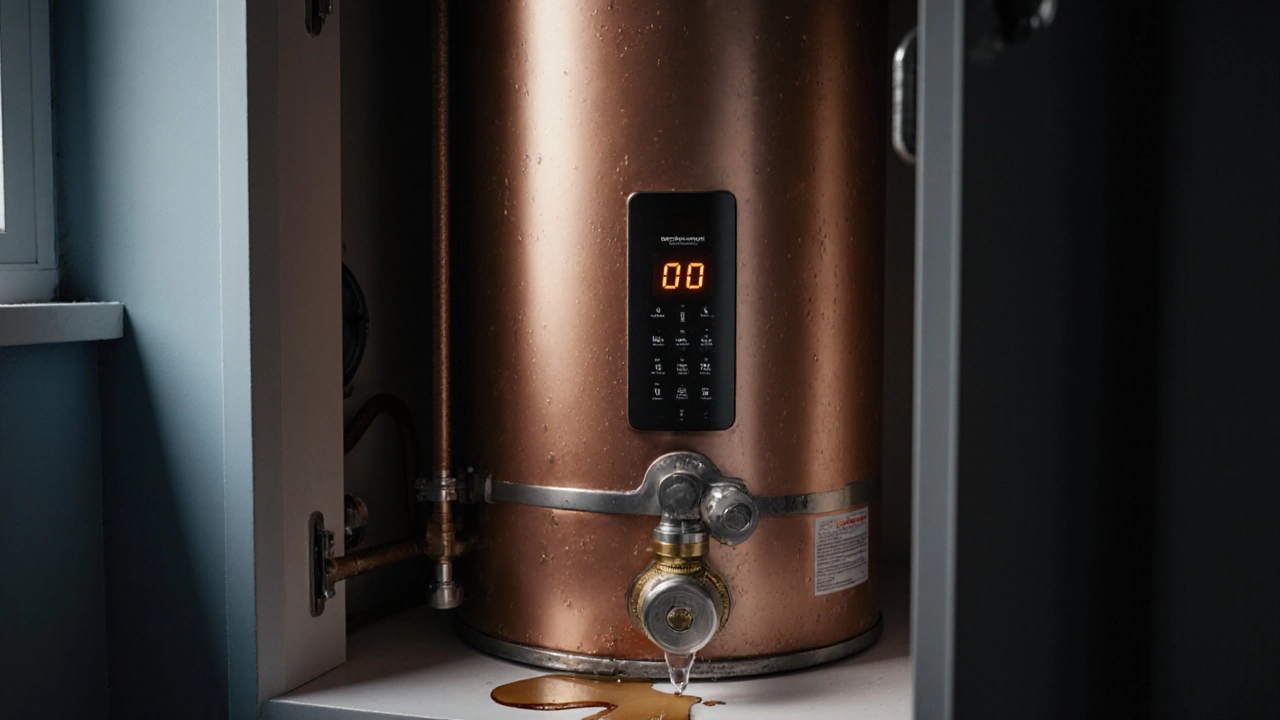
Spot the top warning signs of a failing hot water heater, from strange noises and leaks to temperature swings and error codes, plus practical fixes and when to call a pro.

Frustrated by cold water instead of a hot shower? This guide breaks down the most common reasons your hot water is running cold, with simple fixes anyone can try at home.

When your water heater only puts out cold water, it’s more than just annoying—it can point to real problems inside the unit. This article breaks down the most common reasons behind a water heater that refuses to warm up, from tripped breakers to busted heating elements. You’ll find tips on quick checks you can do at home before calling a pro, plus some unexpected facts about how water heaters really work. Knowing what’s wrong can save you from a frigid morning shower and a giant repair bill. Get ready to tackle that cold water problem with practical advice you can use right away.

Thinking of tackling an extractor fan installation on your own? Doing it yourself can be a rewarding project if you have the right tools and know-how. This guide breaks down the process into manageable steps, explains what to watch out for, and offers practical tips to avoid common pitfalls. You'll learn when it makes sense to go DIY and when you might need to call in a pro.
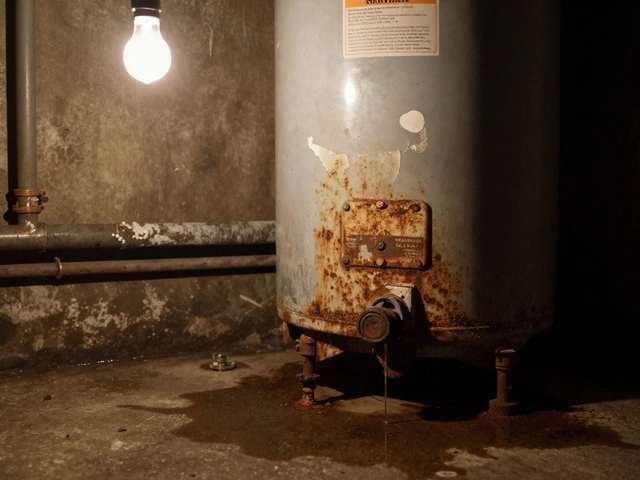
A 20-year-old water heater is likely inefficient, unsafe, and prone to sudden failure. Repairing it may seem cheaper, but replacement saves money, energy, and prevents costly water damage. Here’s what you need to know before deciding.
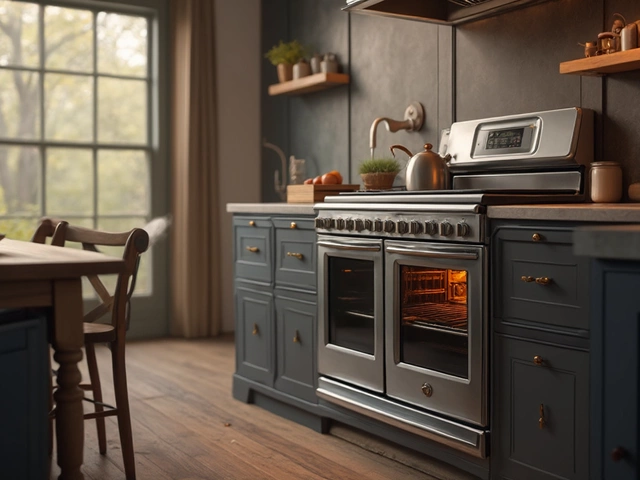
Choosing an oven that stands the test of time goes beyond looks and price. This article delves into which oven brands are celebrated for their durability. We'll explore how build quality, materials, and innovative technologies play a role in longevity. Plus, you’ll get insider tips on maintaining your oven for years to come. Discover how to make a smart choice today that benefits you tomorrow.
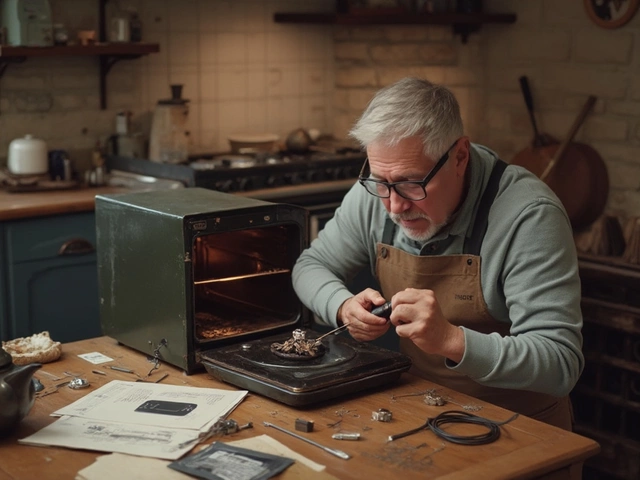
Oven troubles can throw a wrench in your meal plans. From a faulty heating element to problematic door hinges, diagnosing oven issues doesn't have to be daunting. This guide helps you identify and address common electric oven problems. Learn when a DIY fix is safe and when it's time to consult a professional. Simple steps and practical tips get you on your way to a working oven.

Stuck with a broken boiler and a cold house? This guide shares quick, practical steps to keep your home warm without a working boiler. Learn about safe heating alternatives, ways to trap heat, and smart tricks for getting through chilly nights. Find out what to avoid, when to call a professional, and how to prep for future breakdowns. Perfect for homeowners who want to stay safe and comfortable during a boiler emergency.