Boiler Health Checker
Check your boiler's condition
Answer the questions below to see if your boiler might be having issues. Based on your responses, we'll provide a severity assessment and recommended next steps.
Answer the questions above to see your boiler's condition assessment.
If your boiler suddenly stopped heating your home, or you hear strange noises coming from it, you’re not imagining things. A broken boiler doesn’t always scream for help-it often whispers. And by the time you notice, you’re left with cold pipes and a rising gas bill. In Bristol, where winters can drop below freezing and older homes rely on boilers more than central heating systems, knowing the early signs of failure can save you from a chilly night and a costly emergency call.
Your boiler isn’t heating the house
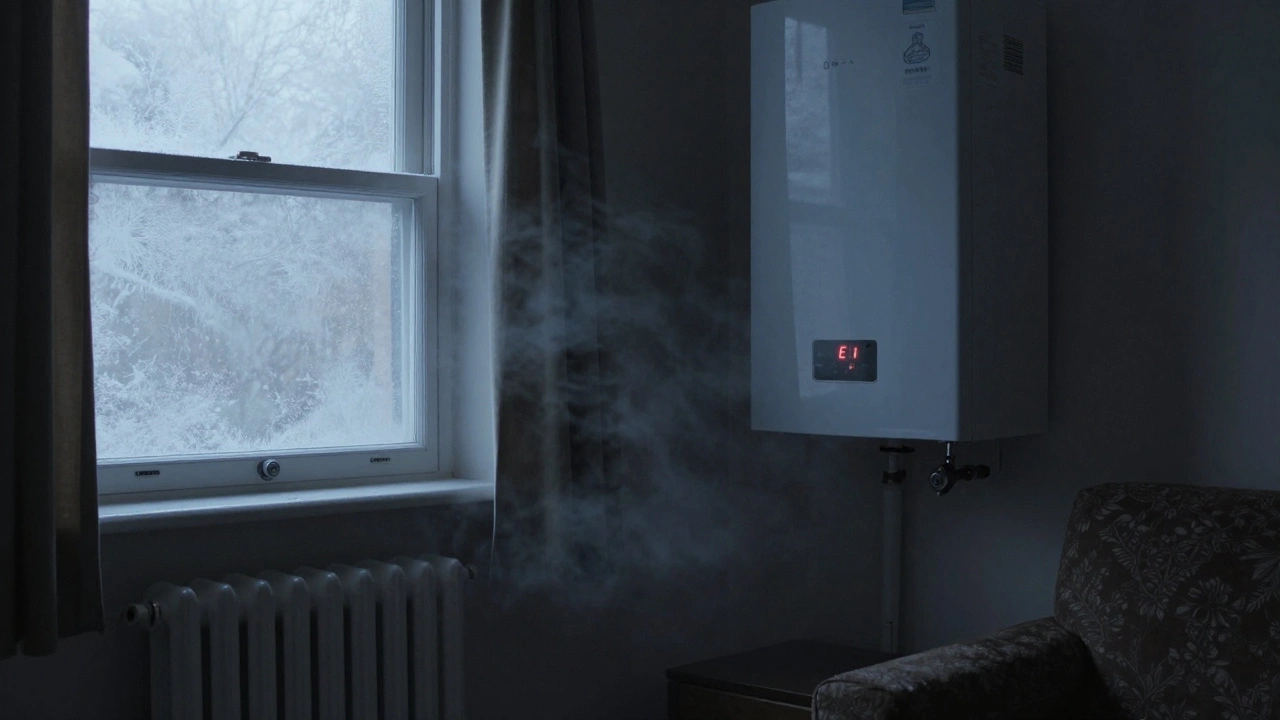
This is the most obvious sign. If your radiators are cold, even when the thermostat is turned up, your boiler isn’t doing its job. But don’t jump to conclusions. First, check if the thermostat is set correctly and if the timer is on. If those are fine, and only some radiators are cold, you might have air trapped in the system. Bleed them. If none of the radiators warm up after bleeding, the boiler itself is likely the issue.
Boilers in homes built before 2005 often use older pump systems that wear out. If the pump fails, hot water can’t circulate. You might hear a low hum from the boiler but no heat comes out. That’s not normal. A working boiler should heat your home within 15 to 20 minutes after turning it on.
You hear banging, gurgling, or whistling noises
Boilers are quiet machines. Any loud or unusual sound is a red flag. Banging noises-sometimes called "kettling"-happen when limescale builds up inside the heat exchanger. Water gets trapped, boils, and then suddenly expands, creating a loud bang. This is common in hard water areas like Bristol and Bath.
Gurgling usually means air in the system or low water pressure. Whistling can point to a faulty valve or a leak in the pressure system. These aren’t just annoying-they’re warning signs. Left unchecked, kettling can crack the heat exchanger, which costs over £800 to replace. And if your boiler is over 10 years old, it’s often cheaper to replace the whole unit than fix it.
The pilot light keeps going out
If your boiler has a visible pilot light (most older models do), and it keeps flickering or going out, something’s wrong. It’s not normal for a pilot light to extinguish on its own. The most common causes are a faulty thermocouple, dirty gas jets, or a draft near the boiler. Sometimes, a blocked flue or poor ventilation can cause the same issue.
Modern condensing boilers don’t have pilot lights-they use electronic ignition. But if your boiler won’t ignite at all, and you hear a click but no flame, that’s the same problem in digital form. It’s not a power issue. If the boiler turns on but doesn’t light, the gas valve or ignition system is failing.
Water leaks around the boiler
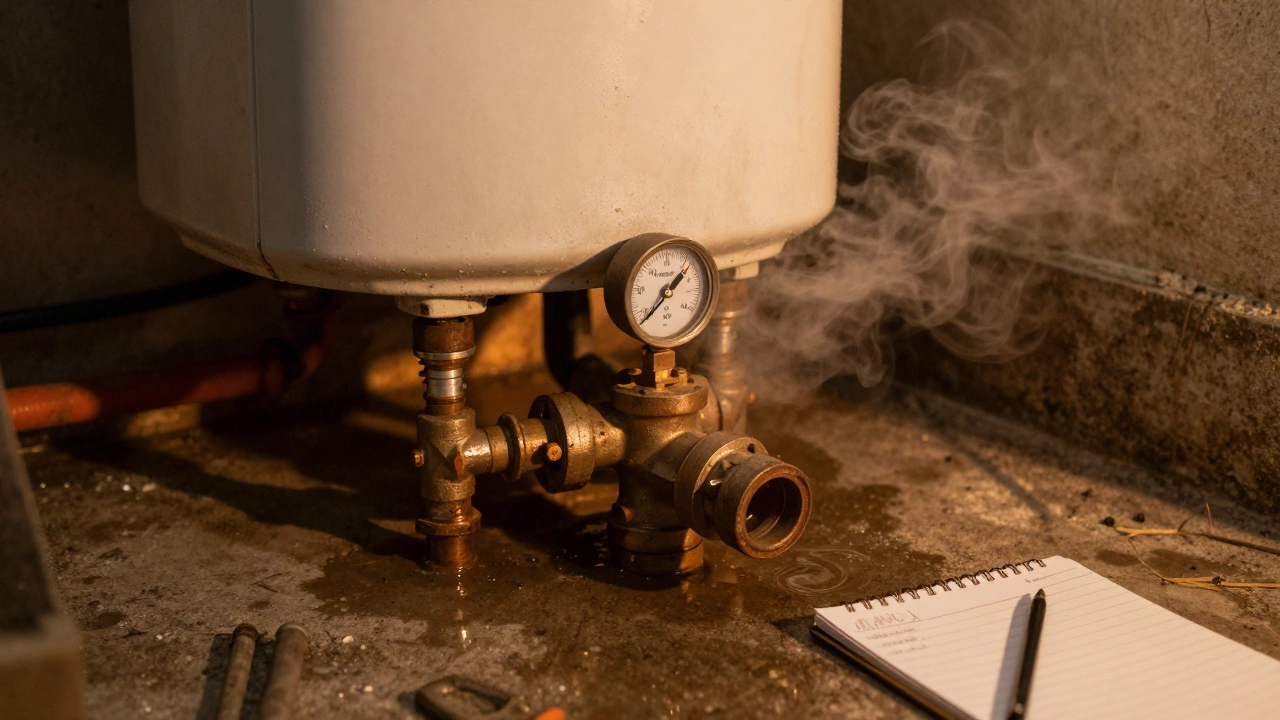
Any water pooling under or near your boiler is serious. A small drip might seem harmless, but it’s usually a sign of a corroded pipe, a cracked heat exchanger, or a failing pressure valve. In older boilers, the seals around the pump or valves wear out. In newer ones, corrosion from acidic condensate can eat through pipes.
Check the pressure gauge on your boiler. If it drops below 1 bar regularly, you have a leak. You might need to top up the pressure every few days. That’s not normal maintenance-it’s a symptom of damage. Left alone, a small leak can turn into a flood, especially if the boiler is in the loft or basement.
The boiler displays an error code
Most boilers made after 2010 have digital displays. If you see an error code like E1, F2, or C7, don’t ignore it. These aren’t random numbers-they’re diagnostic codes. A common one is E1, which usually means a flame failure or gas supply issue. F2 often points to a blocked condensate pipe, especially in winter when it freezes.
Some codes can be fixed with a reset. But if the same code comes back after resetting, it’s not a glitch-it’s a fault. For example, if your boiler keeps showing E9 (overheat), the thermostat or sensor is broken. Replacing a sensor costs £150. Replacing the whole control board? £400. If your boiler is over 12 years old, you’re paying to keep an outdated system running.
Your gas bill spikes for no reason
If your heating usage hasn’t changed but your gas bill jumped 30% or more, your boiler is working harder than it should. That usually means it’s inefficient. A boiler that’s 15 years old might be running at 65% efficiency. New ones are 90%+.
When components like the pump, fan, or heat exchanger wear out, the boiler burns more gas to produce the same heat. It’s like driving a car with a clogged air filter-you’re using more fuel just to keep moving. In the UK, the average household spends £1,200 a year on gas heating. A failing boiler can add £300-£500 extra. That’s more than the cost of a new A-rated boiler over time.
You smell gas or burning plastic
This is the most urgent warning. If you smell gas-like rotten eggs-turn off the boiler and the gas supply immediately. Open windows. Don’t switch lights on or use your phone. Call the National Gas Emergency Service on 0800 111 999. Even a small gas leak is dangerous.
If you smell burning plastic instead, it could mean an electrical component is overheating. The control board, fan motor, or wiring insulation might be melting. This can lead to fire. If your boiler is in a cupboard or near flammable materials, this is even riskier. Never ignore a burning smell. Even if it stops, the damage is already done.
How old is your boiler?
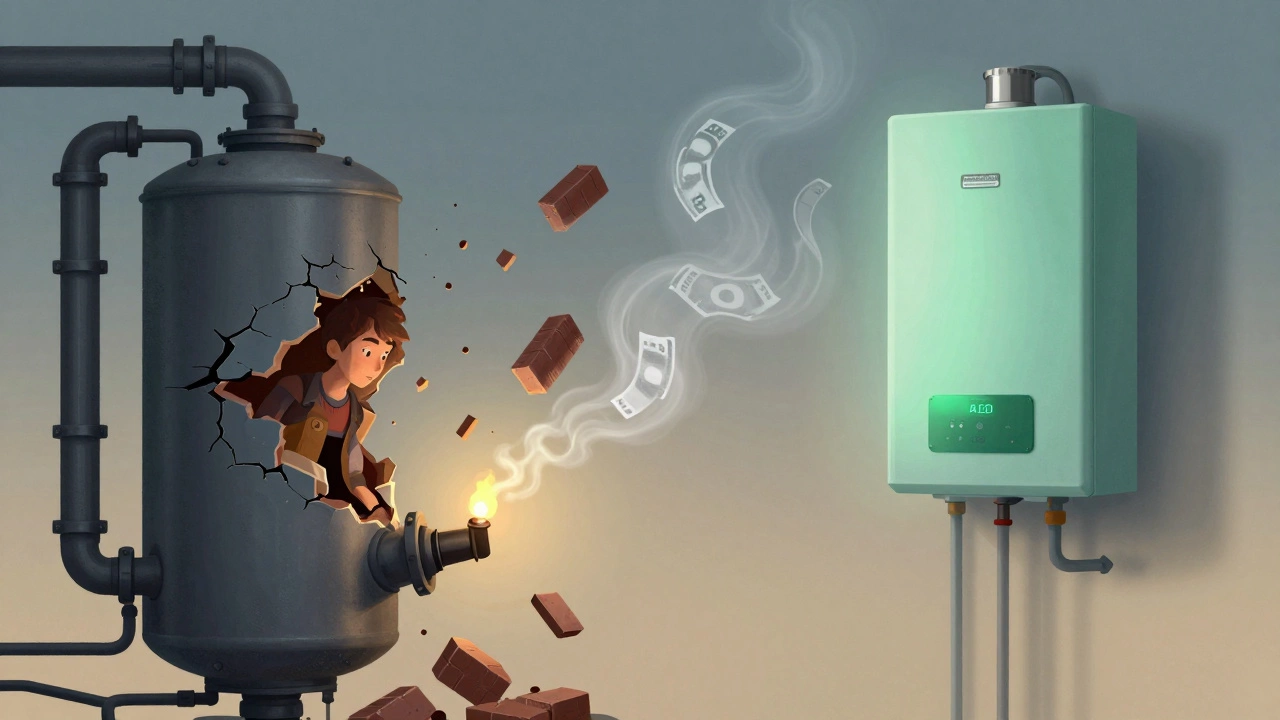
Age matters more than you think. Most boilers last 10-15 years. If yours is 12 or older and you’re seeing any of these signs, you’re in the danger zone. Manufacturers don’t design boilers to last forever. Parts become obsolete. Engineers stop stocking them. Repairs get more expensive than replacements.
Look at the make and model. If it’s a Worcester Bosch, Vaillant, or Baxi from 2010 or earlier, it’s likely not compatible with modern smart controls. New boilers come with Wi-Fi apps, self-diagnosis, and lower emissions. If you’re still using a manual thermostat and a boiler from 2008, you’re missing out on savings and safety.
What to do next
If you’ve noticed one or more of these signs, don’t wait. Call a Gas Safe registered engineer. Never try to fix a boiler yourself. Gas leaks, electrical faults, and pressure issues can be deadly.
Get a quote for repair vs replacement. If the repair costs more than half the price of a new boiler, walk away. A new A-rated combi boiler costs between £2,000 and £3,500 installed. But it will cut your heating bill by 20-30% and last 15+ years.
And if you’re in Bristol or nearby, look for engineers who offer emergency callouts. Many local firms have 24/7 service. Don’t wait for a freezing night to realize your boiler’s gone.
How can I tell if my boiler is just low on pressure?
Check the pressure gauge on the front of your boiler. If it’s below 1 bar, it’s low. Most boilers have a filling loop-a small valve near the bottom. Open it slowly until the pressure hits 1.2-1.5 bar, then close it. If the pressure drops again within a few days, you have a leak. Low pressure alone doesn’t mean the boiler is broken, but repeated drops do.
Can a boiler break without showing any signs?
Rarely. Most failures happen gradually. Even if your boiler seems fine, if it’s over 10 years old, it’s silently wearing out. The heat exchanger can develop micro-cracks, the pump bearings can wear down, and sensors can drift out of calibration. These don’t always trigger alarms. That’s why annual servicing is critical-it catches hidden problems before they turn into breakdowns.
Is it worth repairing a 15-year-old boiler?
Almost never. A 15-year-old boiler is past its design life. Even if you fix one part, another will fail soon. Parts are harder to find, labor costs are higher, and efficiency is low. You’ll pay more in repairs over the next year than you would for a new A-rated boiler. Plus, newer models are quieter, safer, and compatible with smart thermostats. The long-term savings make replacement the smarter choice.
Why does my boiler work in summer but not in winter?
This usually points to a problem with the condensate pipe. In winter, it can freeze, causing the boiler to shut down. In summer, when it’s warmer, the pipe thaws and the boiler works again. You’ll see an error code like F2 or E1. The fix is simple: wrap the pipe in insulation or gently pour warm water over the outside. But if this happens every winter, it’s time to reroute the pipe or install a heated condensate pipe.
Should I turn my boiler off if I suspect it’s broken?
If you smell gas, turn off the gas supply immediately and call emergency services. If you see water leaks, electrical smells, or repeated error codes, turn the boiler off at the wall. Don’t leave it running if it’s acting up. Continuing to use a faulty boiler risks fire, carbon monoxide leaks, or flooding. Better to be cold for a day than risk your home’s safety.
Next steps if your boiler is failing
Start by checking your boiler’s service history. Did it get a yearly check? If not, schedule one now-even if it’s working. A good engineer will spot early wear before it becomes a breakdown.
Look up your boiler’s model online. Find out how old it is and what common faults it has. Some models from 2009-2012 had known issues with circuit boards. Knowing this helps you avoid being overcharged.
Get at least two quotes from Gas Safe engineers. Ask what they recommend: repair or replace. If both say replace, listen. Don’t let fear of cost stop you. Many energy companies offer boiler grants or payment plans for low-income households. Check the UK government’s Warm Home Discount scheme.
And remember-your boiler isn’t just a machine. It’s your warmth, your safety, and your peace of mind. Don’t wait until it fails completely. Act early, and you’ll avoid the worst of winter’s chill.