

When your boiler, a central heating system that generates hot water and steam for radiators and taps. Also known as a central heating system, it keeps your home warm and your showers hot suddenly stops working, it’s not just inconvenient—it’s uncomfortable, especially in winter. A boiler isn’t just a box in the corner; it’s the heart of your home’s heating and hot water system. When it fails, you’re not just losing heat—you’re facing a potential safety issue, especially if it’s a gas model. That’s why knowing the most common reasons a boiler stops working helps you act fast, stay safe, and avoid costly mistakes.
One of the top reasons a boiler isn’t working is low water pressure, the force that moves water through your heating system. If the pressure gauge reads below 1 bar, your boiler will shut down as a safety measure. It’s simple to fix: use the filling loop to top it up to between 1 and 1.5 bar. Another frequent culprit is a faulty thermostat, the device that tells your boiler when to turn on or off based on room temperature. If it’s misreading or stuck, your boiler won’t fire up even if the room is freezing. Then there’s the gas supply, the fuel line that delivers gas to your boiler’s burner. Check if your gas meter is on, and make sure your neighbors have gas too—if they don’t, it’s a wider outage. Don’t forget the pump, the component that circulates hot water through your pipes and radiators. A blocked or faulty pump can cause silence where there should be hum.
If you hear gurgling, see error codes like E1 or F22, or notice water pooling under the boiler, those are clear signs something’s wrong. Some problems, like bleeding radiators or resetting the boiler, you can handle yourself. Others—like gas leaks, cracked heat exchangers, or faulty ignition systems—require a Gas Safe engineer, a certified professional legally allowed to work on gas appliances in the UK. Never guess with gas. Always call a qualified technician if you smell gas, hear hissing, or see soot around the boiler.
The collection below gives you real, practical help: how to diagnose boiler problems step by step, what repair costs you can expect in 2025, when to call a pro, and how to avoid common mistakes that make things worse. Whether you’re dealing with no hot water, strange noises, or a boiler that won’t light up, you’ll find clear answers without the fluff. No theory. No sales pitches. Just what works.
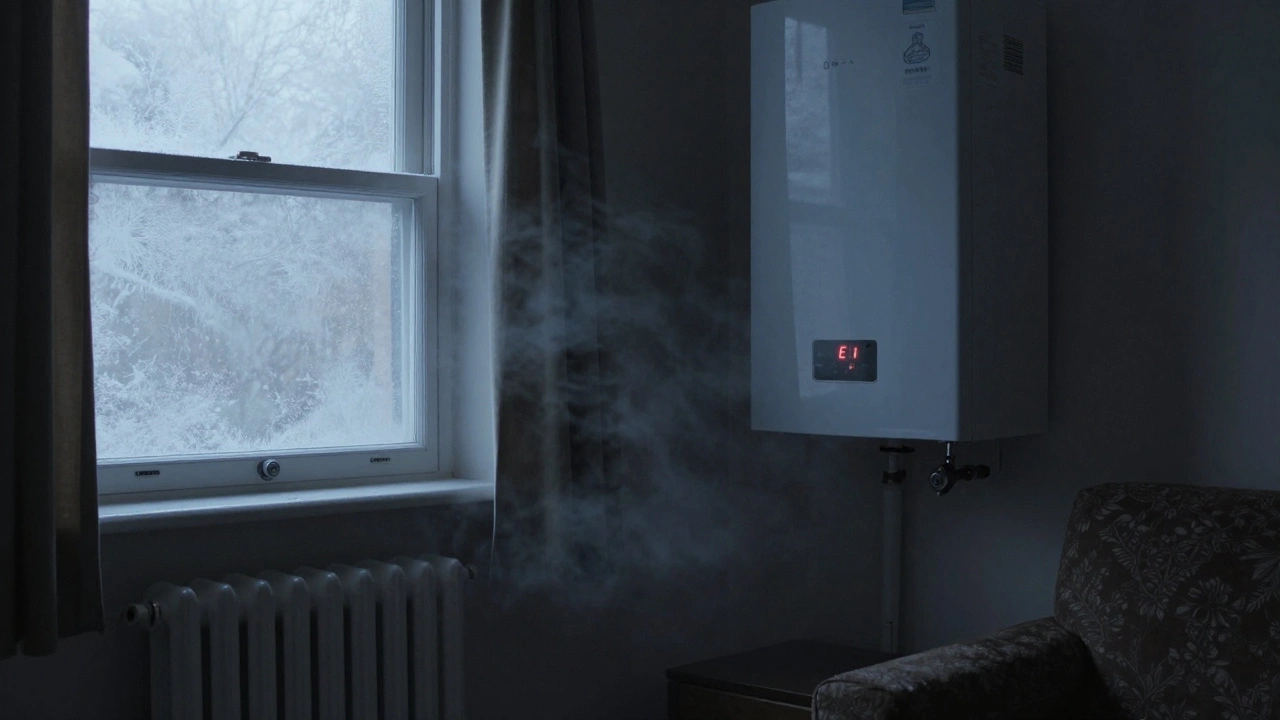
Learn the 7 clear signs your boiler is broken, from cold radiators to strange noises and gas smells. Know when to repair and when to replace before winter hits.
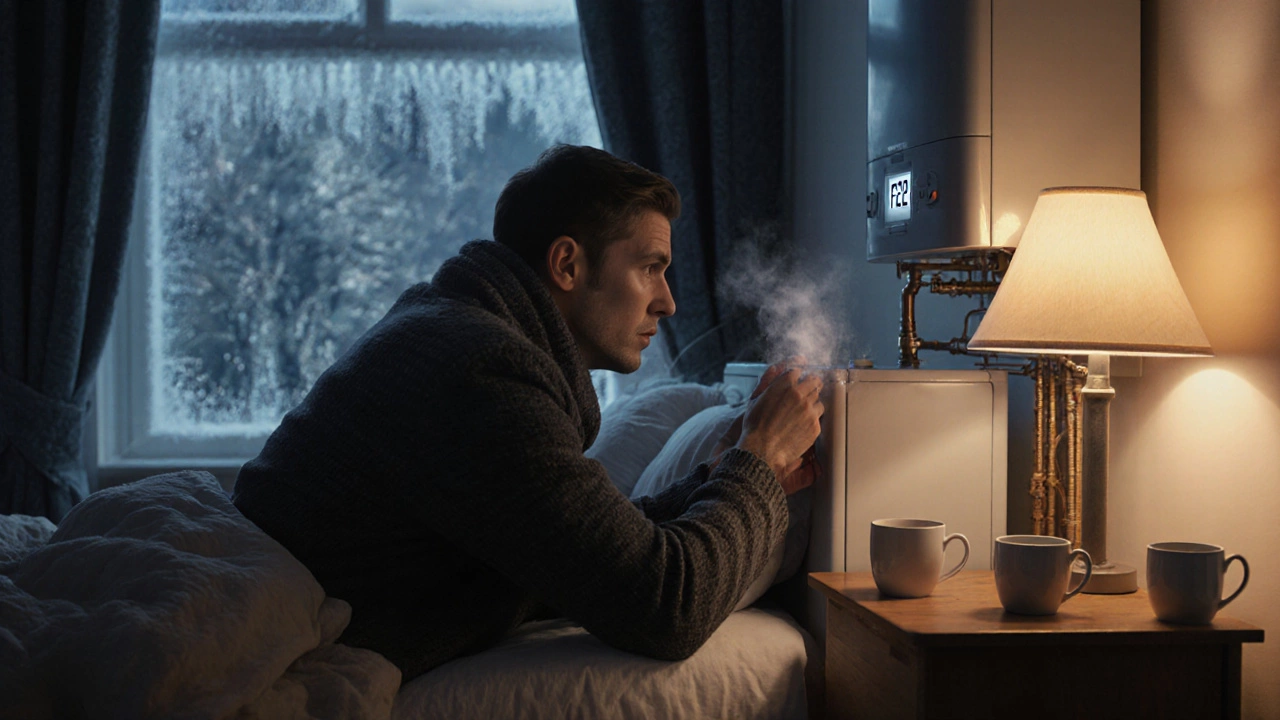
If your boiler stops working, know who to call and what to do immediately. This guide covers emergency steps, how to find a Gas Safe engineer, repair costs, and how to prevent future breakdowns in the UK.

Extractor fans play a crucial role in maintaining the air quality of your home, yet often go unnoticed until issues arise. Regular servicing of extractor fans can prevent malfunction, improve efficiency, and extend the lifespan of the device. This article explores the importance of servicing extractor fans, signs that show when a service might be needed, and provides maintenance tips to keep these devices in tip-top condition. Learn how a well-maintained extractor fan can contribute to a healthier living environment.

Extractor fans are essential for maintaining air quality in enclosed spaces like kitchens and bathrooms. When these fans break down, they can lead to moisture buildup and unpleasant odors. This guide offers practical advice on fixing a broken extractor fan, providing step-by-step instructions that any homeowner can follow. Learn how to diagnose common issues and the tools needed to restore your fan to working order.
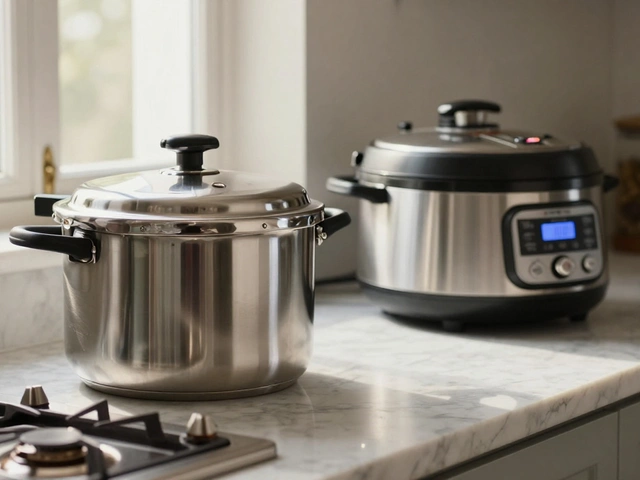
Discover how long pressure cookers last, comparing stovetop vs electric models. Learn signs of wear, repair options, and maintenance tips to extend lifespan safely.

Is your freezer not making ice? Learn how to fix common issues like clogged filters, frozen water lines, and faulty sensors with this easy guide.
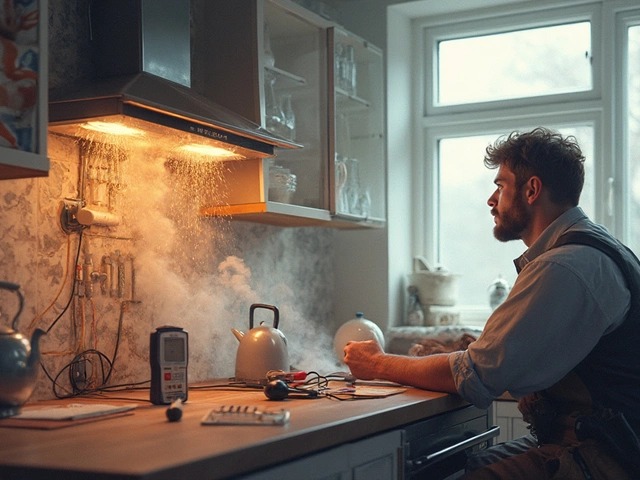
Extractor fans are essential for maintaining good air quality in homes, but what happens when they break down? This article explores whether electricians are the right professionals to fix extractor fans, the typical issues these fans encounter, and some maintenance tips to avoid frequent repairs. Learn about the repair process and when it might be time to replace your fan altogether.