Pressure Cooker Health & Lifespan Checker
Analyze Your Cooker's Condition
Recommendation
Action Items:
There is a distinct feeling of dread that comes with hearing the hiss of steam escape from your kitchen. For most of us, it signals dinner is ready. But for those who own an older model, it might signal that the pressure cooker has reached the end of its road. You stand there, wondering if you should toss this heavy metal pot into the recycling bin or if it’s safe to keep using it for another year.
The truth is, these appliances don't just expire on a calendar date. They wear out through use, neglect, and the simple physics of high-pressure cooking. A well-maintained unit can last decades, while a neglected one might become dangerous in under five years. Understanding the difference between normal wear and tear and critical failure is the key to keeping your kitchen safe and your food delicious.
Stovetop vs. Electric: The Lifespan Divide
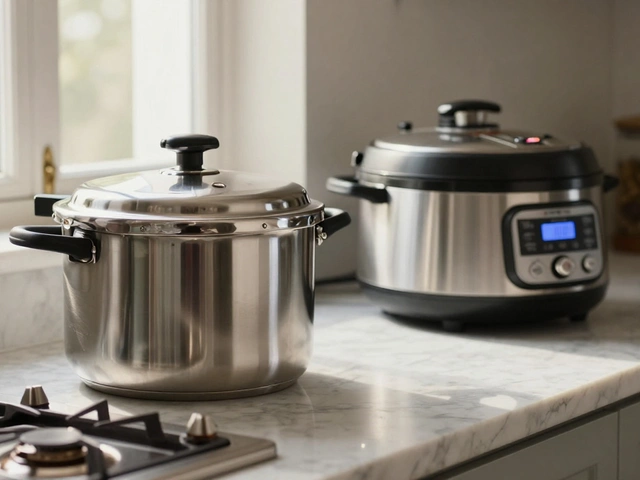
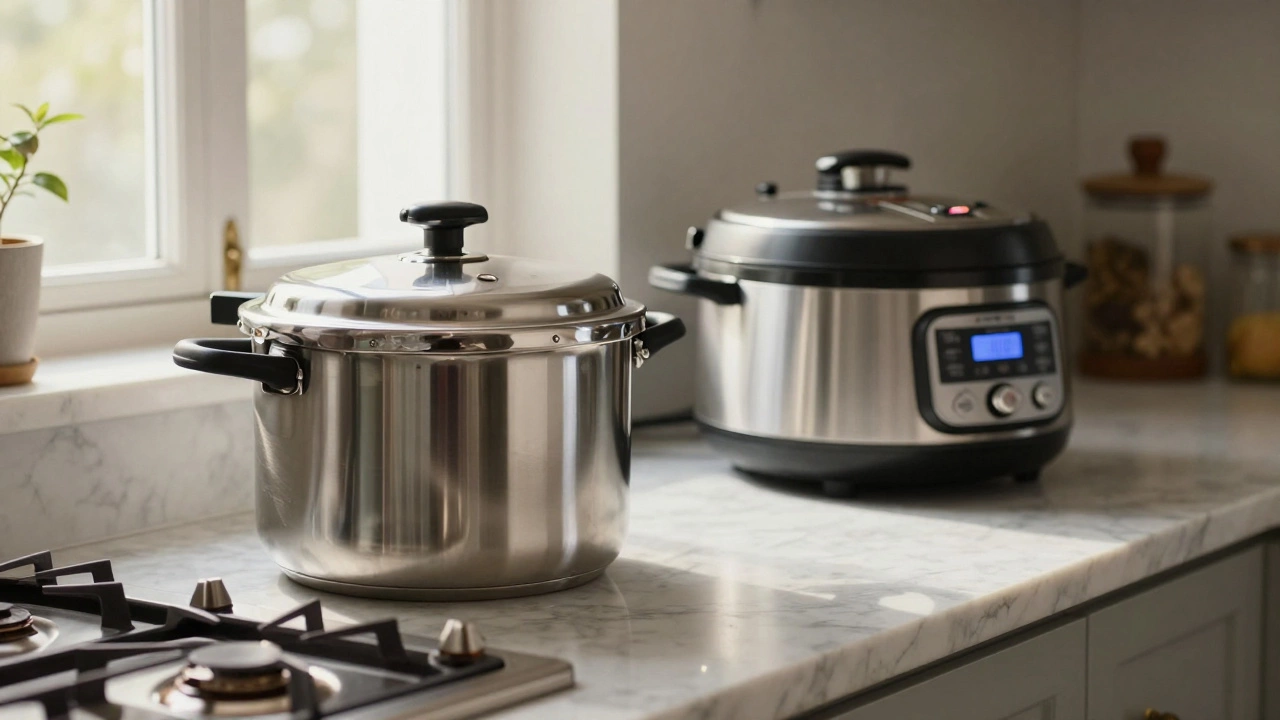
Not all pressure cookers are created equal, and their lifespans vary wildly depending on their construction. Generally, we split them into two camps: the traditional stovetop models and the modern electric multi-cookers.
Stovetop pressure cookers, such as the classic Prestige or Tefal models, are built like tanks. They consist of thick aluminum or stainless steel bodies designed to withstand direct flame and high heat. Because they have fewer electronic components, they often last between 15 and 20 years, sometimes even longer. I’ve seen families hand down grandmother’s stovetop cookers through generations. The secret isn’t magic; it’s the simplicity of the design. There are no circuit boards to fry and no plastic gears to strip.
On the other hand, Electric pressure cookers, dominated by brands like Instant Pot and Crock-Pot, are essentially smart appliances. They feature heating elements, digital displays, sensors, and microprocessors. While incredibly convenient, their average lifespan is shorter, typically ranging from 5 to 7 years. The electronics degrade over time, and the heating element at the bottom of the pot can burn out or lose efficiency. If you’re expecting an Instant Pot to last as long as a cast-iron skillet, you’ll be disappointed.
The Critical Components That Fail First
If you want to know how long your specific cooker will last, you need to look past the outer shell. The longevity of a pressure cooker depends entirely on its internal safety mechanisms and seals. These are the parts that take the beating every time you hit the "start" button or turn up the gas.
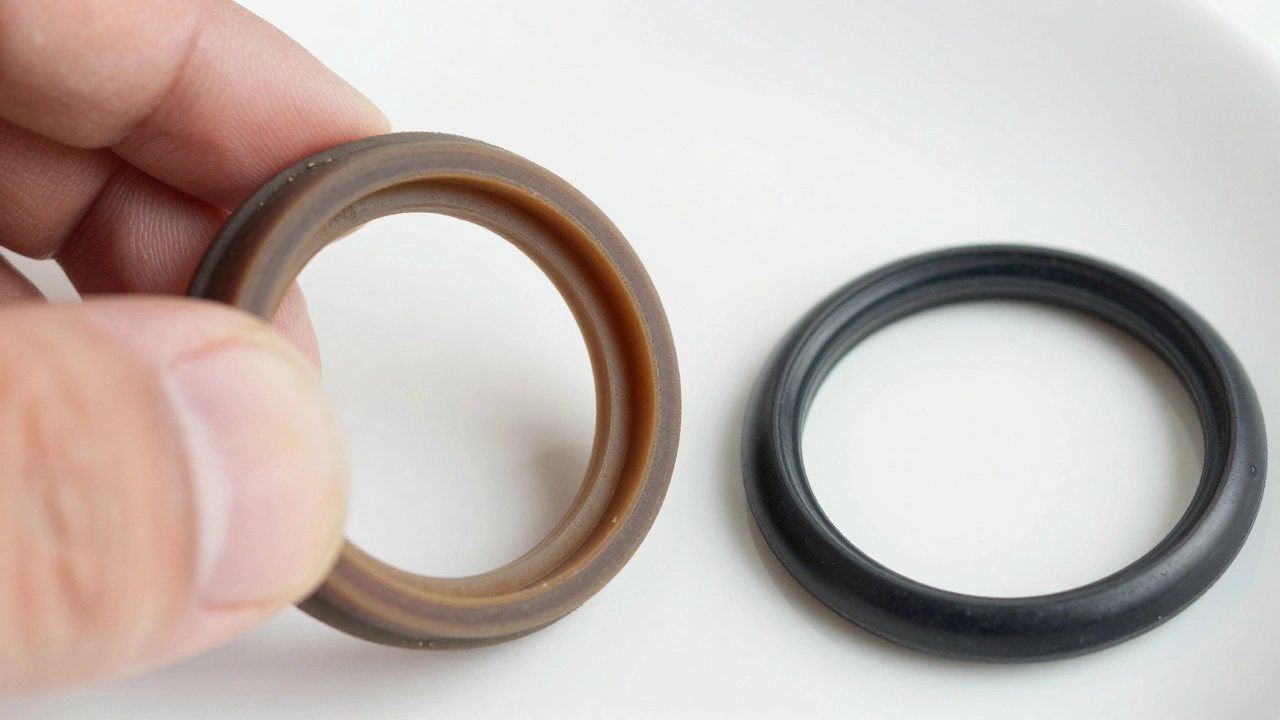
- The Gasket (Sealing Ring): This is the rubber or silicone ring that sits in the lid. It creates the vacuum seal necessary for pressure buildup. In my experience, this is the first thing to go. Most gaskets last between 6 months and 2 years, depending on how often you cook. Over time, they become brittle, discolored, or develop tiny tears. If your cooker isn’t reaching pressure, check the gasket before calling a technician.
- The Float Valve: Found mostly in electric models, this little pin pops up when pressure builds. If it gets clogged with food debris or starch, it won’t rise properly, and the cooker won’t pressurize. Cleaning this regularly can extend the life of the appliance significantly.
- The Pressure Regulator (Weighted Valve): Common in stovetop models, this weighted piece rocks back and forth to release excess steam. If the hole inside becomes blocked with dried food, it can fail to release pressure, leading to dangerous situations. These usually last the life of the cooker but need annual cleaning.
- The Heating Element: In electric units, the coiled metal at the bottom generates heat. Unlike induction cooktops, these elements can crack or corrode if liquid spills onto them repeatedly. Once the element fails, the whole unit is usually unrepairable.
Signs Your Pressure Cooker Is Done
Knowing when to retire your appliance is crucial for safety. Pressure cooking involves temperatures exceeding 120°C (248°F) and pressures up to 15 PSI. When safety features fail, the consequences can be severe. Here are the red flags that mean it’s time to buy a new one.
Visible Damage to the Lid or Body: If you see dents, deep scratches, or warping on the lid, do not use it. A warped lid cannot create a proper seal, which means pressure can build unevenly. For stovetop models, check the rim where the lid locks. If it’s bent, the locking mechanism might engage falsely, giving you a false sense of security.
Steam Leaking from the Sides: A small amount of steam from the vent is normal. However, if steam is escaping from the sides of the lid or the locking mechanism, the seal is compromised. This indicates that the gasket is worn out or the lid body is damaged. Replacing the gasket might fix it, but if the leak persists, the cooker is unsafe.
Error Codes That Won’t Clear: Modern electric cookers speak in codes. "Burn" errors usually mean there’s not enough liquid or food is stuck to the bottom. But if you get recurring "Open," "Overheat," or "Sensor" errors despite cleaning and troubleshooting, the internal motherboard or sensors are likely failing. At this point, repair costs often exceed the price of a new mid-range model.
Loss of Pressure Retention: If you find yourself cooking beans for three hours instead of forty minutes, your cooker isn’t holding pressure. This could be a dirty valve, but if cleaning doesn’t help, the internal mechanics are worn out. An inefficient cooker wastes energy and ruins food texture.
Can You Repair a Broken Pressure Cooker?
This is the million-dollar question. The answer depends heavily on whether you have a stovetop or electric model.
For stovetop pressure cookers, repair is often viable and affordable. Replacement gaskets, sealing rings, and pressure regulator weights are widely available for major brands like Prestige, Tefal, and Kuhn Rikon. These parts cost between £5 and £15. Swapping them out takes ten minutes and can revive a cooker that’s been sitting in the cupboard for years. The mechanical nature of these devices makes them friendly to DIY repairs.
For electric pressure cookers, the situation is grim. Manufacturers rarely sell replacement motherboards, heating elements, or control panels to consumers. While you can easily buy replacement gaskets and inner pots, the core electronic components are sealed units. If the display flickers or the unit won’t power on, professional repair shops often quote prices higher than buying a new unit. In Bristol, for example, finding a specialist who stocks parts for specific Instant Pot models is nearly impossible. Most technicians will advise replacement rather than repair for electrical failures.
| Component | Stovetop Model | Electric Model |
|---|---|---|
| Gasket/Seal | Easily replaceable (£5-£10) | Easily replaceable (£8-£15) |
| Lid Mechanism | Replaceable parts available | Rarely repairable; full lid replacement needed |
| Heating Source | N/A (Uses stove) | Not user-replaceable; requires professional service |
| Control System | N/A (Manual) | Not repairable; motherboard failure = dead unit |
| Average Repair Cost | Low (£10-£20) | High (£50+ or not possible) |
Extending the Life of Your Pressure Cooker
You don’t have to accept the average lifespan as fate. With a few simple habits, you can push your appliance well beyond its expected years. These tips apply to both stovetop and electric models.
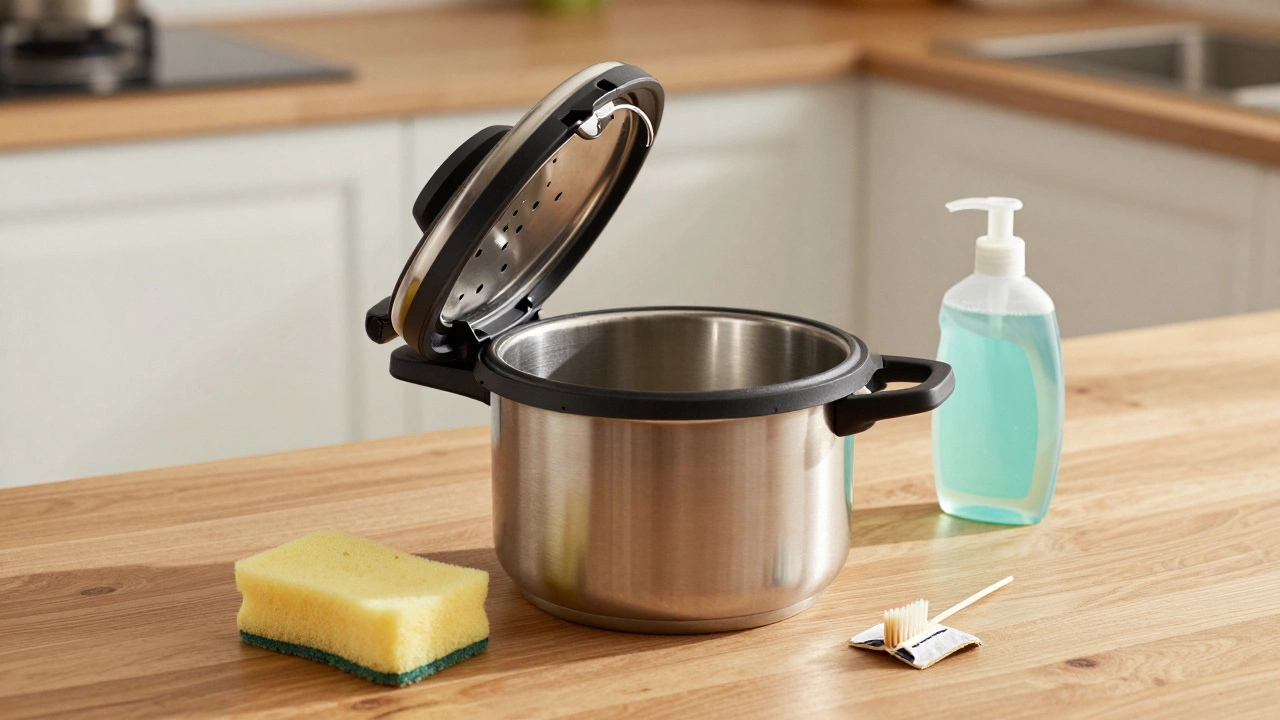
Clean the Sealing Ring Regularly: After every use, remove the gasket and wash it with warm soapy water. Rubber absorbs odors and stains, but more importantly, food particles trapped in the groove prevent a tight seal. Let it air dry completely before reinserting. A damp gasket breeds mold and degrades faster.
Don’t Use Abrasive Sponges: The interior of your pressure cooker, especially the non-stick coating in electric models, is delicate. Using steel wool or harsh scouring pads scratches the surface. These scratches become breeding grounds for bacteria and weaken the structural integrity of the pot. Stick to soft sponges and wooden utensils.
Check the Venting Holes: Before each use, visually inspect the steam release valve and float valve holes. Use a toothpick or a small brush to clear any dried food residue. Blocked vents are the number one cause of premature failure because they force the cooker to work harder than designed.
Store It Properly: Don’t store the lid upside down on the pot if it puts pressure on the gasket. Some models come with clips to hold the lid open; use them. Constant compression on the rubber ring causes it to lose its elasticity permanently, leading to leaks.
When to Replace: A Practical Checklist
Deciding to throw away a functioning appliance feels wasteful. But when it comes to pressure cookers, safety outweighs sentiment. Use this checklist to make the call.
- Age Check: Is your electric cooker over 7 years old? Consider replacing it proactively, even if it works. Electronics degrade silently.
- Part Availability: Can you still buy replacement gaskets and valves for your model? If the manufacturer has discontinued support, the cooker is on borrowed time.
- Safety History: Has it ever leaked steam excessively or failed to lock? One incident is enough to warrant retirement.
- Efficiency Drop: Are you cooking longer than usual? If yes, and cleaning didn’t help, the internal mechanics are worn.
- Physical Condition: Are there cracks, deep scratches, or warping? If yes, replace immediately.
In the end, a pressure cooker is a tool, not a heirloom-unless it’s a stovetop model cared for with extreme diligence. By understanding the limits of your device and maintaining its critical components, you ensure that every meal is cooked safely and efficiently. Don’t wait for a disaster to decide it’s time for an upgrade.
How often should I replace the gasket on my pressure cooker?
You should replace the gasket every 6 to 12 months for regular home use. If you use your pressure cooker daily, consider replacing it every 3 to 6 months. Signs that it needs immediate replacement include discoloration, hardening, cracks, or persistent steam leaking from the lid.
Is it safe to use a pressure cooker with a scratched interior?
Minor superficial scratches on stainless steel interiors are generally safe. However, deep scratches or flaking non-stick coatings in electric models should prompt replacement. Flaking coating can contaminate food, and deep scratches can weaken the pot's structure under high pressure.
Why does my electric pressure cooker show "Open" error?
The "Open" error usually means the lid is not properly sealed. Ensure the gasket is correctly seated, the float valve is clean and moving freely, and the lid is locked in the correct position. Food debris blocking the sealing area is a common culprit.
Can I repair a broken heating element in an Instant Pot?
No, the heating element in most electric pressure cookers like the Instant Pot is not user-replaceable. It is integrated into the base unit. If the heating element fails, you typically need to replace the entire appliance, as professional repair is often not cost-effective.
Do stovetop pressure cookers last longer than electric ones?
Yes, stovetop pressure cookers generally last much longer, often 15-20 years or more. This is because they lack complex electronics and heating elements that degrade over time. Their simple mechanical design makes them more durable and easier to maintain with basic part replacements.