

If your pressure cooker isn’t building pressure or is leaking steam, you’re probably annoyed and worried about safety. The good news? Most issues are easy to spot and fix yourself, and you don’t need a PhD to get it working again.
Start with the basics. Make sure the sealing ring is clean, flexible, and correctly positioned. A cracked or dried‑out ring lets steam escape, so the cooker never reaches pressure. If the ring looks worn, replace it – they’re cheap and usually come with the cooker.
Next, look at the pressure valve. Food particles can block the vent, causing pressure to build up too fast or not at all. Clean the valve with a soft brush and run hot water through it. While you’re at it, check the safety plug – it should move freely. A stuck plug can be a sign of mineral build‑up, which you can dissolve with a vinegar soak.
Some fixes are best left to the pros. If the lid won’t lock, the gasket is damaged, or the cooker makes rattling noises even after cleaning, it could be a structural issue. Attempting a DIY repair on the pressure chamber can be dangerous.
At Bognor Regis Appliance Repair Experts, we’ve seen everything from warped lids to faulty pressure sensors. Our technicians are trained to inspect the cooker safely, replace worn parts, and test it under pressure before it goes back to you. We aim to get it fixed fast, so you can get back to cooking your favorite stews.
Here’s a quick checklist before you pick up the phone:
If you answered “yes” to any of the last two, it’s time for a professional look.
Remember, safety is the top priority. Never force a lid shut, and always release pressure according to the manufacturer’s instructions. A quick visual inspection and a few simple clean‑ups solve most hiccups, but don’t gamble with a faulty pressure cooker.
Got a stubborn issue? Give Bognor Regis Appliance Repair Experts a call. We’ll diagnose, repair, and test your pressure cooker so you can enjoy meals without worry.
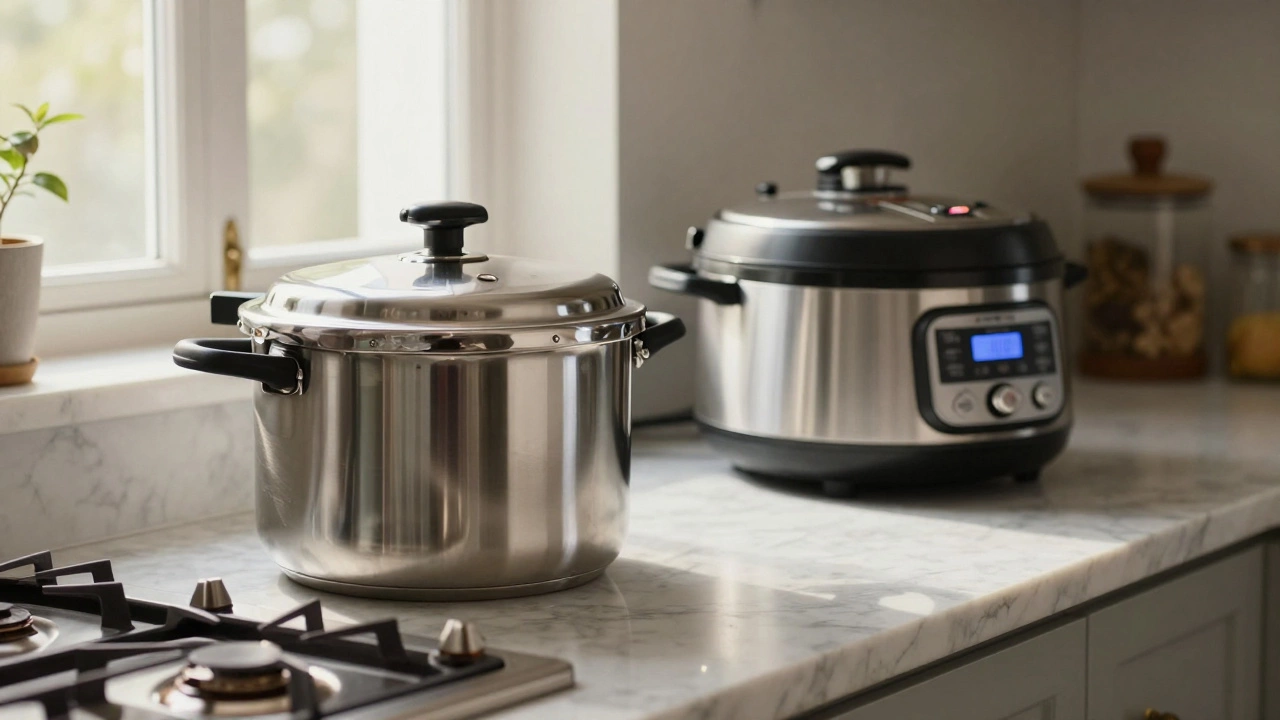
Discover how long pressure cookers last, comparing stovetop vs electric models. Learn signs of wear, repair options, and maintenance tips to extend lifespan safely.

Pressure cookers can usually be repaired, and fixing them at home can save both time and money. This article covers how to spot common problems, which parts can be replaced, and when to leave repair jobs to the pros. You'll also find smart tips to keep your pressure cooker running safely. Even if you're not a 'handy' person, a lot of repairs are easier than you’d think. Don't toss out that pressure cooker until you know what can actually be fixed.
Troubles with your water heater might mean it needs a reset. Knowing when and how to reset it can prevent cold showers and unnecessary stress. This guide covers signs your water heater needs resetting, why it's important, and how to do it safely. Plus, learn some handy maintenance tips to keep it running smoothly.
This article delves into the debate between Rheem and AO Smith water heaters, two titans in the world of home appliances. It provides a comprehensive comparison, exploring key aspects like energy efficiency, durability, and cost-effectiveness. It also highlights some interesting facts and practical tips to help you choose the right water heater for your needs. Whether you're looking to upgrade your system or repair your current unit, this guide aims to provide valuable insights.
Routine maintenance of extractor fans is crucial to maintaining indoor air quality and ensuring the efficient operation of these ventilation systems. This article explores why servicing extractor fans is important, providing insight into potential problems that may arise if overlooked. Learn how regular upkeep can prevent costly repairs and improve the lifespan of your equipment. Discover practical tips and a step-by-step guide on how to ensure your extractor fan is operating at its best. Keep your home fresh and healthy by understanding the significance of extractor fan servicing.
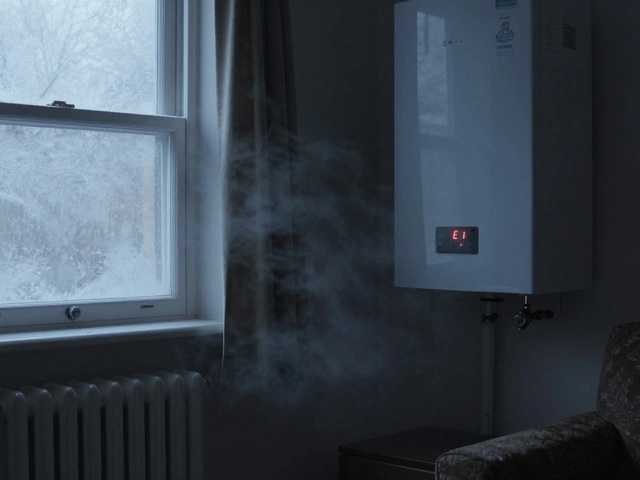
Learn the 7 clear signs your boiler is broken, from cold radiators to strange noises and gas smells. Know when to repair and when to replace before winter hits.
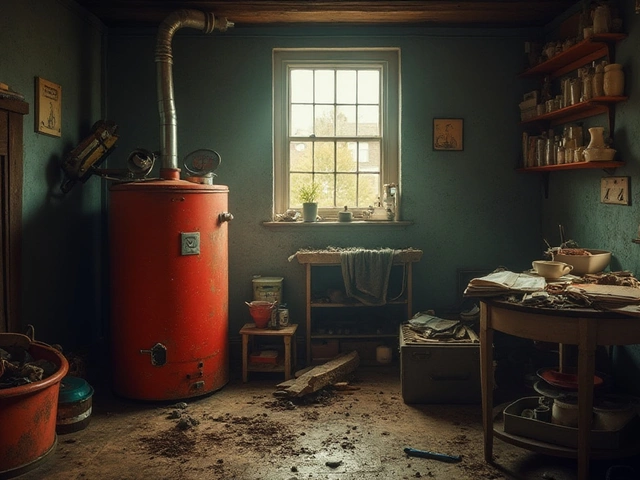
A 40-year-old boiler can pose potential safety risks. Understanding the wear and tear it undergoes over the decades is crucial. Regular maintenance and safety checks are essential to ensure it operates safely. Homeowners should consider the pros and cons of keeping such an old appliance. Discover tips and advice on making informed decisions regarding your boiler's safety and efficiency.