

Oven Repair Cost Estimator (UK 2026)
Estimated Total Cost
Includes parts, labour & VAT
Your oven is cold. You’re staring at a blank screen or a dial that refuses to warm up the roast you’ve spent twenty minutes prepping. The immediate question isn’t just “why?”-it’s “how much will this set me back?” In the UK in 2026, fixing an oven that won’t heat typically costs between £150 and £350. However, that range can swing wildly depending on whether you have an electric or gas model, the specific part that failed, and where you live.
If you’re in Bristol or anywhere else in the South West, labour rates might be slightly higher than the national average, but competition among local technicians keeps prices reasonable. Before you call a pro, it helps to know exactly what drives these costs so you aren’t overcharged for simple fixes.
The Breakdown: Labour vs. Parts
When you get a quote for oven repair, you’re paying for two distinct things: the technician’s time and the physical components needed to fix the issue. Understanding this split is crucial because sometimes the part is cheap, but the labour is expensive, or vice versa.
| Cost Component | Estimated Price Range | Notes |
|---|---|---|
| Call-out Fee | £40 - £70 | Often waived if you proceed with the repair. |
| Hourly Labour Rate | £60 - £90 | Higher in London/South East; lower in rural areas. |
| Oven Heating Element | £30 - £80 | Varies by brand (e.g., Bosch, Siemens, Indesit). |
| Thermostat/Stat | £40 - £100 | Critical for temperature control. |
| Control Board/Electronics | £100 - £250+ | Most expensive part; often requires professional diagnosis. |
| Total Typical Repair Bill | £150 - £350 | Includes parts, labour, and VAT. |
Note that most reputable engineers in the UK include VAT in their quoted price. If a quote seems suspiciously low, ask if VAT is included. A call-out fee of £50 is standard in cities like Bristol. Many companies will deduct this from the final bill if you agree to the repair work on the spot.
Common Culprits: Why Your Oven Won’t Heat
Not all ovens fail in the same way. An electric oven relies entirely on electricity to generate heat, while a gas oven uses gas burners and an electric spark to ignite them. This distinction changes the likely cause and the cost significantly.
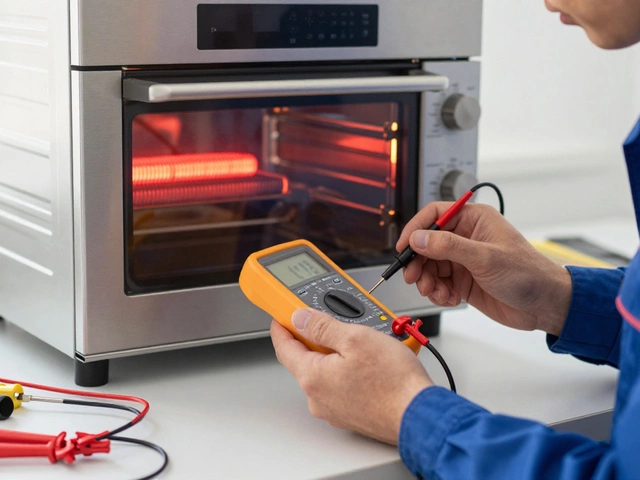
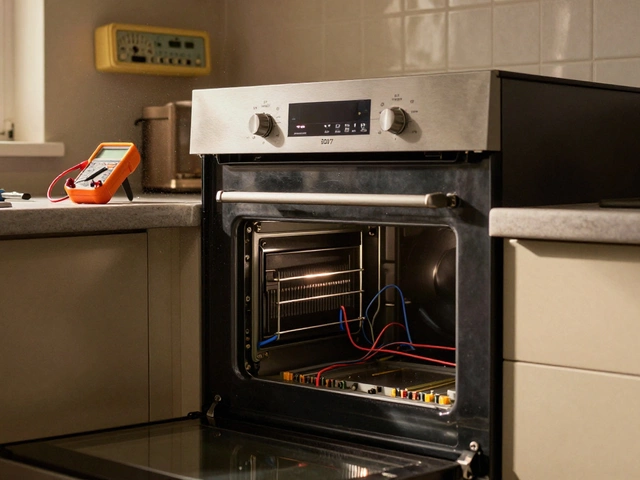
For electric ovens, the most common failure point is the heating element. These are the coiled wires inside the oven cavity. Over time, they burn out due to thermal stress. Visually, a broken element might look fine, but a multimeter test will show no continuity. Replacing this is straightforward for a technician and usually takes under an hour.
If the element is fine, the next suspect is the thermostat (or temperature sensor). This component tells the oven when to turn off. If it fails, the oven may never turn on, or it may run continuously and become dangerously hot. Thermostats are more delicate than elements and require careful calibration during installation.
In gas ovens, the issue is often the igniter. The igniter glows red-hot to open the gas valve. If it’s weak, the gas won’t flow, and the oven stays cold. Igniters are fragile ceramic parts that crack easily. They are relatively inexpensive (£20-£40) but require a Gas Safe registered engineer to replace, which adds to the labour cost.
DIY vs. Professional Repair: Is It Worth the Risk?
You might be tempted to order a replacement element online for £25 and swap it yourself after watching a YouTube video. For some people, this works. But there are significant risks involved that can turn a small saving into a large expense.
- Safety Hazards: Ovens deal with high voltages (230V-400V in the UK) and, in the case of gas models, flammable fuel. Incorrect wiring can cause short circuits, fires, or electrocution.
- Warranty Voidance: If your oven is under manufacturer warranty, DIY repairs will void it immediately. Even if it’s out of warranty, many extended service plans require professional intervention.
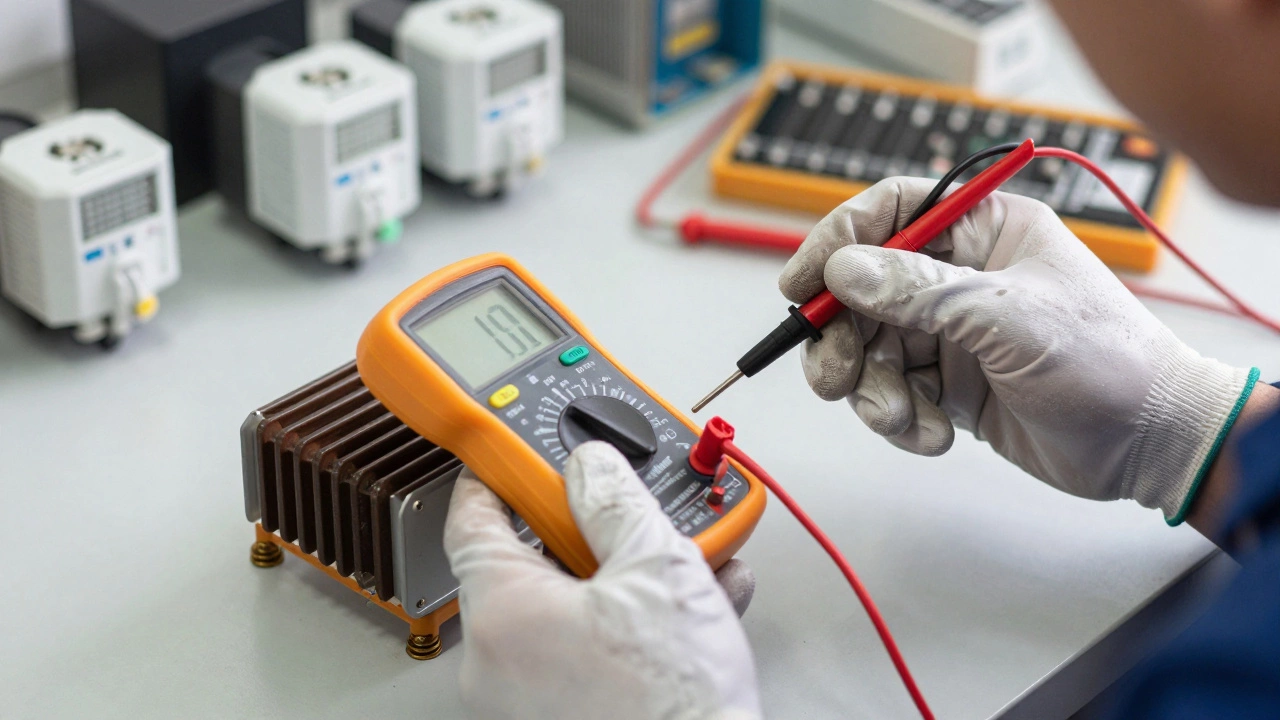
- Diagnostic Errors: What looks like a bad element might actually be a faulty control board. If you replace the element and the problem persists, you’ve wasted money and time. A professional has diagnostic tools to pinpoint the exact fault.
- Gas Regulations: In the UK, it is illegal for anyone who is not Gas Safe registered to carry out work on gas appliances. Attempting to fix a gas oven yourself is a serious legal and safety violation.
Generally, if the repair cost exceeds 50% of the price of a new oven, it’s worth considering replacement. However, modern ovens are complex electronics-heavy devices. A £300 repair on a £800 oven is often better value than buying a new unit, especially if the rest of the appliance is in good condition.
Factors That Influence the Final Price
Why does one person pay £150 while another pays £350 for the same issue? Several variables come into play.
Brand and Model: Premium brands like Miele, Smeg, or Gaggenau use proprietary parts that are more expensive and harder to source than those for mainstream brands like Beko, Hotpoint, or Whirlpool. Some luxury brands even require certified specialists, who charge higher hourly rates.
Location: As mentioned, living in Bristol means you’re in a competitive market with many independent technicians. This can drive prices down compared to London, where travel times and living costs for engineers are higher. Rural areas might have fewer options, leading to higher call-out fees due to travel distance.
Urgency: Need the oven fixed today? Emergency or weekend call-outs often incur a premium of 20-50%. Scheduling a standard weekday appointment is almost always cheaper.
Age of Appliance: Older ovens (10+ years) may have obsolete parts. Engineers might need to source components from secondary markets, which increases lead time and cost. Sometimes, the labour alone exceeds the value of the old machine.
How to Get an Accurate Quote Without Getting Ripped Off
Getting multiple quotes is smart, but how you request them matters. Here’s a practical approach to ensure you’re comparing apples to apples.
- Describe the Symptom Clearly: Don’t just say “it’s broken.” Say “the oven light comes on, but the interior doesn’t get warm,” or “the fan runs, but no heat.” This helps the engineer guess the likely part before they arrive.
- Ask for a Fixed Price: Avoid hourly rates if possible. Ask for a “fixed price” quote that includes parts, labour, and VAT. This protects you if the job takes longer than expected.
- Check Credentials: For gas ovens, verify the engineer is on the Gas Safe Register. For electric ovens, look for NICEIC approval or membership in trade associations like Checkatrade or Trustpilot reviews.
- Beware of “Free Diagnostics”: Some companies advertise free diagnostics but charge a high hourly rate afterwards. Others charge a modest diagnostic fee (e.g., £50) that is deducted from the repair cost. The latter is often more transparent.
- Get It in Writing: Ensure the quote specifies the make and model of any replacement parts. Generic parts are cheaper but may not last as long as OEM (Original Equipment Manufacturer) parts.
When to Replace Instead of Repair
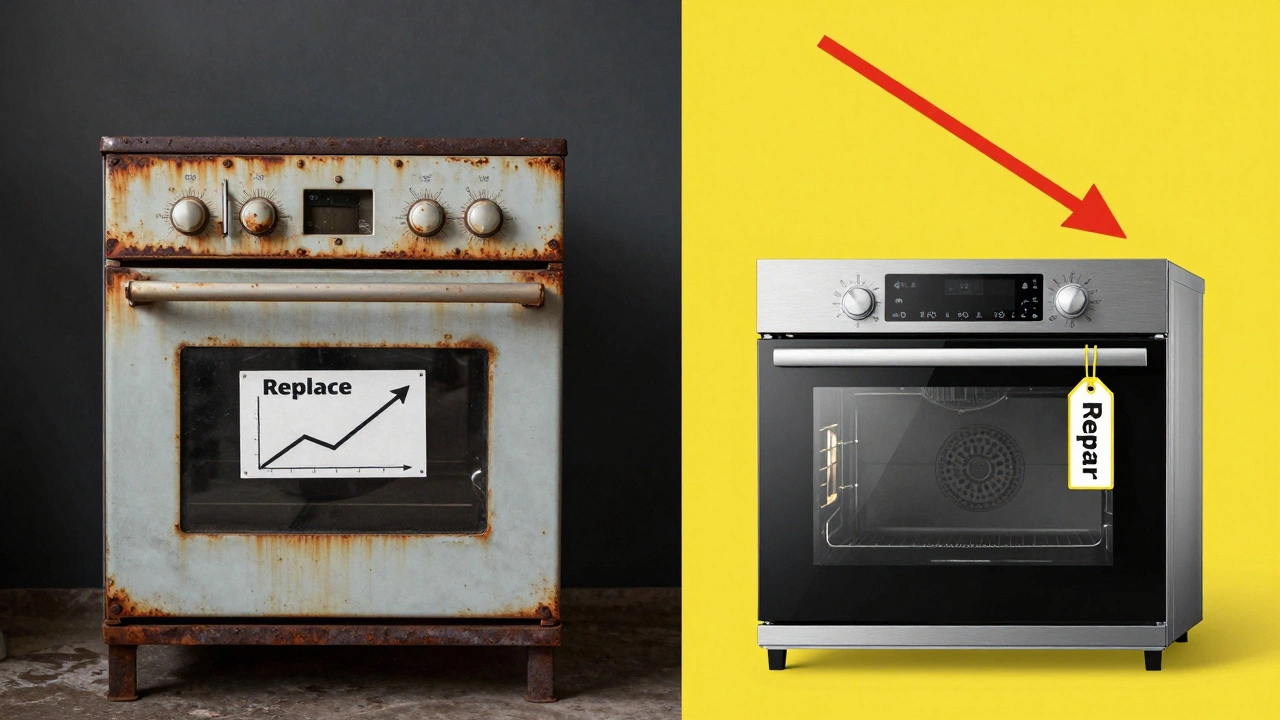
There comes a point where pouring money into an old oven is no longer sensible. Consider replacement if:
- The repair cost is more than 50% of the price of a comparable new oven.
- The oven is over 10 years old and has had multiple repairs in the last three years.
- The control panel is failing, indicating widespread electronic degradation.
- You want energy efficiency improvements. Modern ovens are significantly more efficient than models from the early 2000s, potentially saving you money on electricity bills.
In Bristol, you can find good deals on refurbished ovens or take advantage of seasonal sales on major retailers. However, if your oven is less than seven years old and the issue is isolated to a single component like an element or igniter, repair is almost always the smarter financial choice.
Troubleshooting Steps Before Calling a Pro
Before you commit to a repair call, try these simple checks. They might save you a visit from an engineer.
- Check the Power Supply: Ensure the oven is plugged in (if freestanding) and that the circuit breaker hasn’t tripped. Try plugging another device into the same socket to rule out a power outage.
- Inspect the Settings: Did you accidentally select “Grill Only” or “Fan Assist” without realizing the main heating element wasn’t engaged? Double-check the mode selection.
- Look for Visible Damage: With the oven off and cool, inspect the heating elements for cracks, blisters, or discoloration. Note: Do not touch the elements if they are hot.
- Reset the Oven: Some digital ovens lock up due to power surges. Unplugging the oven for five minutes can reset the control board and resolve minor glitches.
If these steps don’t work, it’s time to call a professional. Remember, a quick diagnosis can prevent further damage and give you peace of mind about the true cost of the repair.
Is it cheaper to repair or replace an oven that won't heat?
If the repair cost is under £200 and the oven is less than 7-10 years old, repair is usually cheaper. If the repair quote exceeds £300 or the oven is very old, replacement is often more economical in the long run due to energy efficiency and reliability.
How long does it take to fix an oven that won't heat?
Most common repairs, such as replacing a heating element or igniter, take between 30 minutes to 1 hour. More complex issues involving control boards or thermostats may take 1-2 hours. The engineer should provide an estimated time upon arrival.
Can I fix a gas oven myself?
No. In the UK, it is illegal to perform repairs on gas appliances unless you are registered with the Gas Safe Register. Attempting to do so poses serious safety risks including gas leaks and carbon monoxide poisoning. Always hire a qualified Gas Safe engineer.
Why is my oven light on but it's not heating?
This usually indicates a failure in the heating element (for electric ovens) or the igniter/gas valve (for gas ovens). The control board is sending power to the light but not to the heating components, suggesting a break in the circuit or a burnt-out component.
Do oven repair costs include VAT?
Reputable companies in the UK should include VAT in their quoted price. Always confirm this before agreeing to the work. If a quote seems too good to be true, check if VAT is added later, which could increase the total cost by 20%.