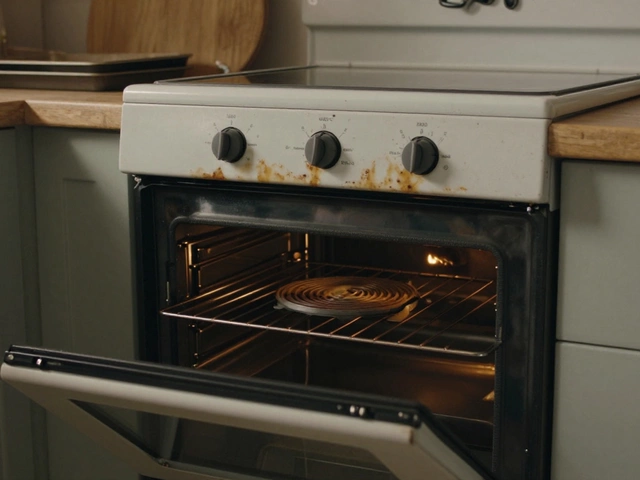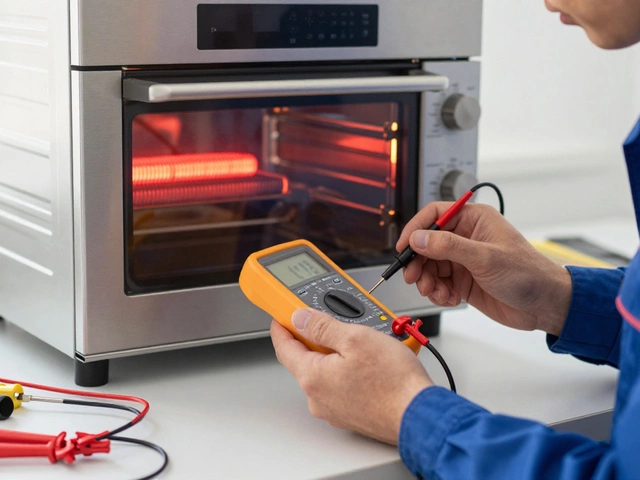

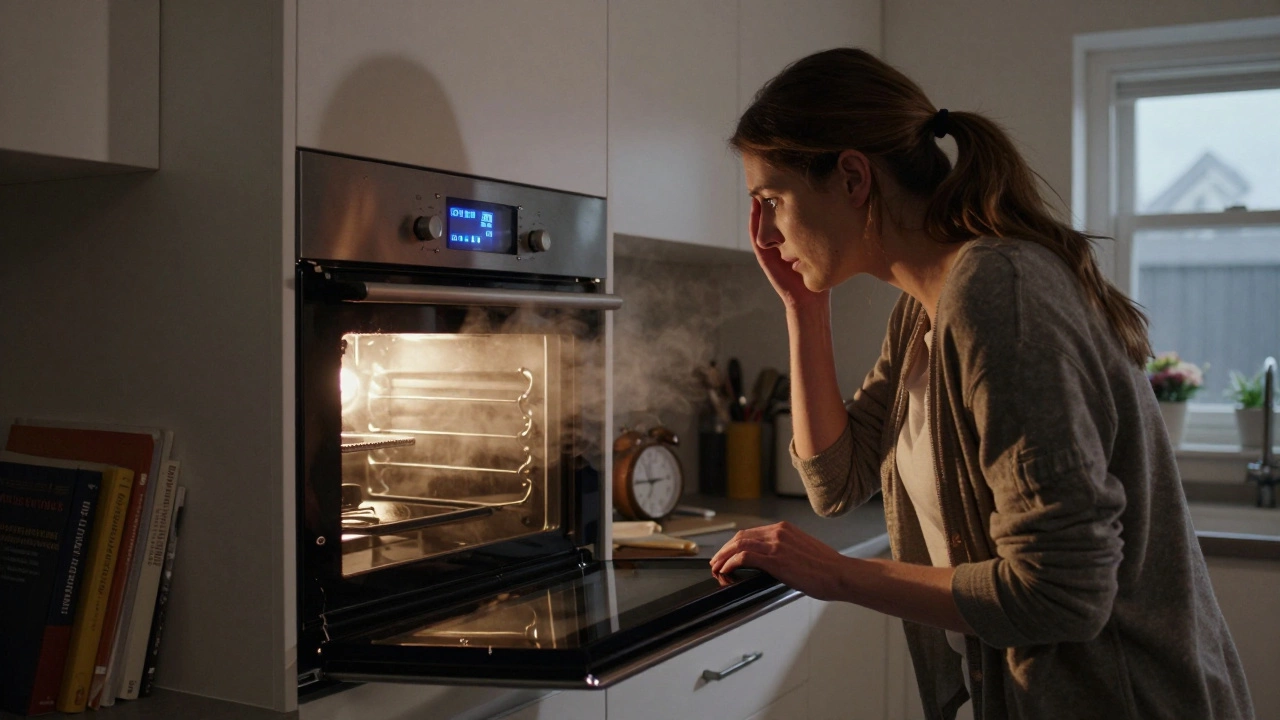
You turn on your oven and nothing happens. No heat. No beep. Just silence. Or maybe it’s heating unevenly, smoking, or throwing error codes you don’t understand. Your first thought? Fix or replace? It’s not just about money-it’s about time, safety, and whether your kitchen still feels like home. In 2025, with parts getting harder to find and new ovens packed with smart features, the answer isn’t as simple as it used to be.
How much does oven repair actually cost?
Most oven repairs in the UK cost between £80 and £250, depending on the problem. A faulty thermostat? Around £100 including parts and labour. A broken heating element? £120-£180. Door seal replacement? £70-£100. These are real prices from engineers working in Bristol, London, and Manchester this year.
But here’s what no one tells you: labour alone can be £50-£80 just to show up and diagnose. If the part isn’t in stock, you might wait 5-7 days. And if the technician can’t fix it on the first visit? You pay another call-out fee. That adds up fast.
Some repairs are cheaper than others because they’re common. Heating elements, thermostats, and door switches are standard across brands like Bosh, Hotpoint, and Neff. But if your oven is over 12 years old, parts might be discontinued. I’ve seen engineers spend 45 minutes hunting for a discontinued control board, only to say, “This isn’t worth fixing.”
What does a new oven cost these days?
A basic built-in electric oven starts at £350. That’s the lowest end-no fan, no smart features, no self-cleaning. If you want something decent with even heating, a fan oven, and a decent warranty? You’re looking at £500-£700. Mid-range models with pyrolytic cleaning, Wi-Fi control, and better insulation? £800-£1,200.
And yes, prices have gone up. Inflation, supply chain issues, and tighter energy regulations mean manufacturers are building more expensive units. But here’s the twist: many new ovens now come with a 2-year warranty. Some brands like Indesit and Hotpoint offer 5-year parts-only warranties if you register online. That’s worth something.
Don’t forget installation. If you’re replacing a built-in oven, you might need an electrician to check your circuit or rewire the socket. That’s another £80-£150. Free delivery doesn’t mean free fitting.
When repair makes sense
Fixing your oven is the smart move if:
- Your oven is under 8 years old
- The repair cost is under 50% of a new oven’s price
- The part is still being manufactured (check with the manufacturer or a trusted repair shop)
- You’re happy with the features you already have
I’ve fixed a 6-year-old Bosh oven with a failed control board for £160. The same model new costs £750. That’s an 80% savings. And the oven still works perfectly today.
Also, if your oven is part of a matching kitchen set-same brand, same finish-replacing it with something different can look jarring. Repairing keeps your kitchen looking cohesive.

When replacement is smarter
Buy new if:
- Your oven is 10+ years old
- It’s had two or more major repairs in the last year
- The repair quote is over £250
- You’re paying more than £100 a year in extra electricity because it’s inefficient
- The control panel is cracked, the door doesn’t seal, or it’s leaking gas (yes, gas ovens can do this)
Older ovens use 20-30% more energy than new ones. A 12-year-old model might cost you £180 a year to run. A new A-rated oven? Around £120. That’s £60 saved annually. Pay back the cost of a new oven in under 2 years-just from electricity.
And let’s talk safety. Cracked door seals, faulty thermostats, and worn wiring can cause fires. In 2024, the UK Fire Service reported 1,200 oven-related house fires. Most were in appliances over 10 years old. If your oven feels unsafe, don’t gamble.
What to check before deciding
Before you call a repairman or head to the store, do this:
- Find the model number. It’s usually on a sticker inside the door or on the back.
- Search the model number + “parts availability” online. If it’s listed on eBay or appliance-parts.co.uk, repair is possible.
- Check the manufacturer’s website for warranty status. Even if you’re out of warranty, some brands offer discounted parts for older models.
- Get a written quote from a Gas Safe registered engineer (for gas ovens) or a qualified electrician.
- Compare the quote to the price of a new oven. If repair is over half the cost of new, think hard.
Pro tip: Ask the repairer if they keep the old part. If they say no, or if they’re vague, that’s a red flag. Reputable technicians will show you the broken part and explain why it failed.
What about second-hand or refurbished ovens?
Some people look at eBay or Facebook Marketplace for used ovens. Tempting, right? But here’s the catch: most second-hand ovens are sold “as is.” No warranty. No safety check. And if it breaks in a week? You’re out £200 and still without an oven.
Refurbished ovens from certified sellers (like AO.com or Currys) are better. They come with a 12-month warranty, are tested to manufacturer standards, and often include free delivery. You can get a nearly new oven for £400-£550. That’s cheaper than most repairs on older models.
One customer in Bristol bought a refurbished Hotpoint oven for £480. It had a 12-month warranty, came with a free cleaning kit, and saved him £190 compared to repairing his 14-year-old model.

What about extended warranties or insurance?
Do you have home insurance that covers appliances? Some policies include breakdown cover. Check your policy. If you do, you might get free repairs or even a replacement if the oven is beyond fixing.
Extended warranties sold with new ovens? Usually not worth it. Most fail after the manufacturer’s warranty ends, and the claims process is a nightmare. I’ve seen people pay £150 a year for 5 years, only to be denied because “the control board was worn from normal use.”
Instead, set aside £15-£20 a month in a savings jar. In a year, you’ll have enough for a new oven if needed. No paperwork. No fine print.
Final decision checklist
Use this quick guide when you’re stuck:
- Under 8 years old + repair under £200? → Fix it
- Over 10 years old + repair over £250? → Replace it
- Repair costs 60%+ of a new oven? → Replace it
- It’s slow, noisy, or uses too much power? → Replace it
- Door seal is cracked or smells like burning? → Replace it-safety first
- Want smart features, better efficiency, or a cleaner kitchen? → Replace it
There’s no magic formula. But if you’re paying more than £250 to fix a 12-year-old oven, you’re not saving money-you’re delaying the inevitable. And the longer you wait, the more you risk a breakdown in the middle of Christmas dinner.
What’s the most common mistake people make?
Waiting too long. People think, “It’s still working, just a bit slow.” But a failing oven doesn’t just get worse-it gets dangerous. A cracked heating element can spark. A faulty thermostat can overheat and melt wires. A gas oven with a leak? That’s not a repair job. That’s an emergency.
Don’t wait until it stops working completely. If it’s acting up, get it checked. Even if you end up buying new, a professional diagnosis tells you exactly what’s wrong. That way, you’re not guessing.
And if you do decide to replace it? Look for models with a 5-year parts warranty. They’re more expensive upfront, but you’ll thank yourself in year four when the heating element fails again-and it’s covered.
At the end of the day, it’s not just about cost. It’s about peace of mind. Your oven is one of the most used appliances in your home. Don’t risk your safety or your sanity on a patch job that might last six months-or six days.
Is it worth repairing a 15-year-old oven?
Generally, no. Ovens older than 12 years are past their expected lifespan. Parts are often discontinued, efficiency is low, and repair costs usually exceed 60% of a new unit’s price. A 15-year-old oven also uses 25-30% more electricity than modern models, so you’re paying more to run it. Replacing it saves money in the long run and reduces fire risk.
How long does an oven repair usually take?
Most repairs take 1-2 hours if the part is in stock. If the technician needs to order a part, expect 3-7 days. Some complex issues, like control board failures, may require a second visit. Always ask for a timeline before agreeing to the job.
Can I fix my oven myself?
Only if you’re experienced with electrical or gas appliances. Simple fixes like replacing a door seal or cleaning the element can be DIY. But anything involving wiring, gas lines, or control boards should be left to a professional. Incorrect repairs can cause fires or gas leaks. And if you’re not Gas Safe registered, you can’t legally work on gas ovens in the UK.
Do all ovens have the same repair costs?
No. Premium brands like Miele or Siemens cost more to repair because parts are pricier and harder to source. Budget brands like Indesit or Hotpoint are cheaper to fix. Built-in ovens cost more than freestanding ones because they’re harder to access. Always get a quote based on your exact model.
Are new ovens more energy efficient?
Yes. New A-rated ovens use 20-35% less energy than models from 10 years ago. A 12-year-old oven might cost £180 a year to run. A new A-rated oven costs £110-£130. That’s £50-£70 saved annually. Over five years, that’s more than the cost of a mid-range oven.
What’s the average lifespan of an oven?
Most ovens last between 10 and 15 years with normal use. Gas ovens often last longer than electric ones-up to 18 years-because they have fewer electronic components. But if you use your oven daily, especially for baking or roasting, wear and tear happens faster. Regular cleaning and maintenance can extend life by 2-3 years.