

When your oven, a key appliance in UK kitchens used for baking, roasting, and cooking daily meals stops working, you face a simple but costly choice: fix it or replace it. Most people assume a broken oven means a new one is needed—but that’s not always true. Many ovens, even older ones, can be fixed for a fraction of the price of a new unit. The real question isn’t whether it’s broken—it’s whether the fix makes financial and practical sense.
Common issues like a heating element, the coil inside the oven that generates heat, often the first part to fail in electric ovens or a thermostat, the sensor that controls temperature and can drift over time are cheap and easy to replace. A new element costs under £50 and takes an hour to install. A faulty thermostat might need £80 in parts and labour, but it brings your oven back to perfect accuracy. On the other hand, if your oven’s control board, the digital brain that manages settings and safety functions is dead, repair costs can jump to £200 or more. At that point, you’re spending nearly half the price of a new oven just to fix the electronics—and there’s no guarantee other parts won’t fail next year.
Age matters. If your oven is over 10 years old, it’s likely using outdated tech and wasting energy. Modern ovens are 20-30% more efficient, and many come with smart features like auto-cleaning and precise temperature control. But if your oven is only 5-7 years old and the problem is a simple part, repairing it makes sense. Look at the cost: if the repair is less than half the price of a new oven and the unit still heats evenly, cooks reliably, and has no rust or door seal issues, fix it. If you’re constantly resetting the oven, noticing uneven cooking, or seeing error codes like F1 or E3, those are signs the internal components are wearing out fast. A single repair won’t solve the pattern.
Also consider your usage. If you bake often, use the self-clean function, or have a large family, you’ll want something dependable. A cheap repair on an aging oven might give you a few more months—but it could leave you without heat during Christmas dinner. On the flip side, if you only use the oven once a week for reheating, a £100 fix could stretch its life for years. Don’t let fear of spending push you into a big purchase. Get a professional diagnosis first. Most local repair technicians will check the oven for free or a small fee that’s waived if you go ahead with the repair.
Here’s the bottom line: if your oven’s main part is broken and it’s under 8 years old, fix it. If the control board or multiple components are failing and it’s over 10 years old, replace it. And if you’re unsure, look at the energy bills—rising costs might mean your oven is running inefficiently, making replacement smarter in the long run. Below, you’ll find real-world fixes, cost breakdowns, and expert advice on exactly when to walk away from that old appliance and when to give it one more shot.

Deciding whether to fix or replace your oven in 2025? Learn real repair costs, when replacement saves money, safety risks of old ovens, and how to make the smart choice without overpaying.

Discover when to worry about your boiler, warning signs to watch, and smart tips for safe use. Get practical advice to avoid major boiler headaches.

Thinking about swapping out the motor in your extractor fan? This article breaks down what's really involved, the red flags that mean the motor's cooked, and how to decide if you should tackle it yourself or call in a pro. It covers how to find the right replacement part, tips to avoid shocking mistakes, and why some fans just aren’t worth fixing. Whether your bathroom fan wheezes or your kitchen extractor hums like a jet, here’s how to handle a motor on its last legs.
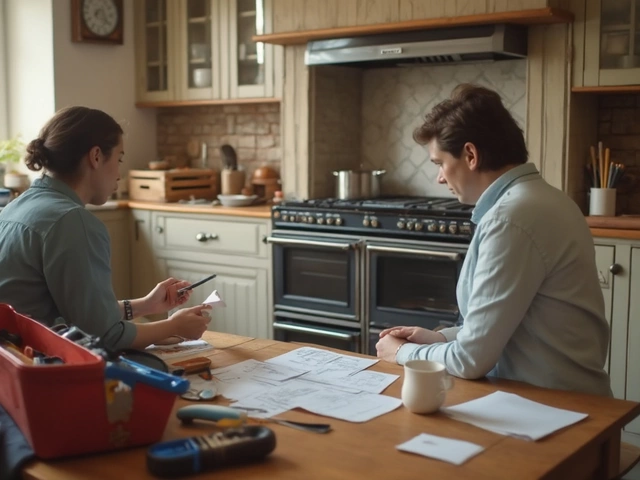
Thinking about whether to repair an 8-year-old oven? This article digs into the real costs and benefits, from repair bills to how long ovens actually last. You'll get tips on diagnosing simple issues yourself, signs to look for before calling a pro, and how energy efficiency compares between old and new models. See how warranties, brand reputation, and parts availability impact the final call. Get advice that’s practical, straight-up, and doesn’t waste your time.
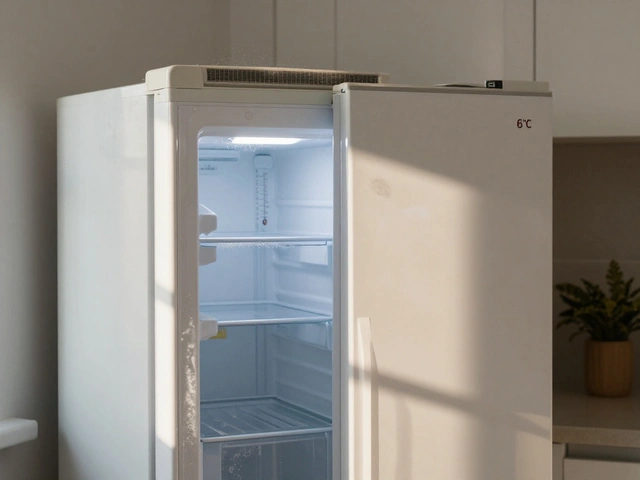
The average refrigerator lasts 13-17 years, but lifespan depends on maintenance, usage, and environment. Learn the signs it's failing, when to repair vs. replace, and how to make yours last longer.
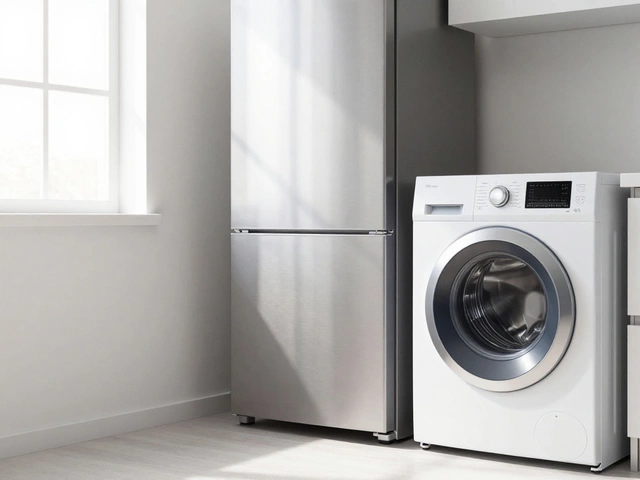
Discover what appliance service really means and how it differs from repair. Learn why regular maintenance saves money, extends lifespan, and ensures safety for your home appliances.