

If you’re standing under a cold shower, you know how annoying a faulty water heater can be. The good news is you don’t have to wait weeks for a fix. With a few simple checks and the right help, you can often restore hot water in a single afternoon. Below we break down the most common culprits, what you can safely test yourself, and when it’s time to call a professional.
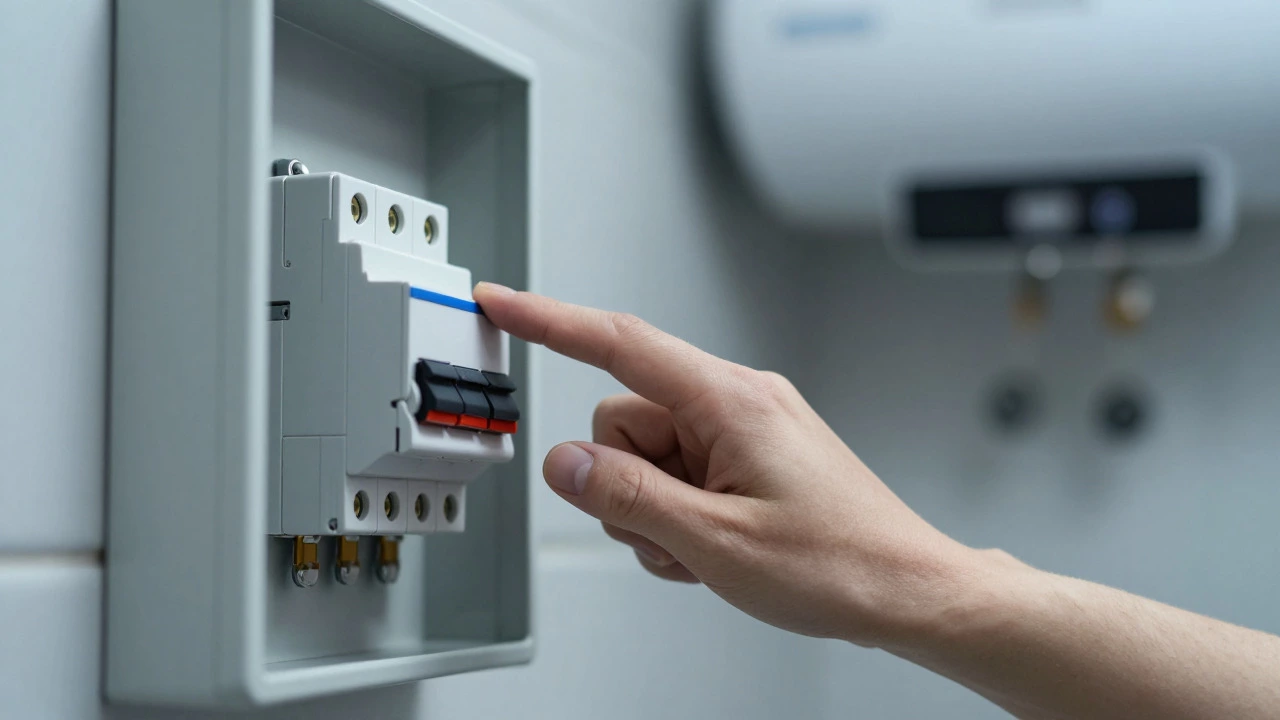
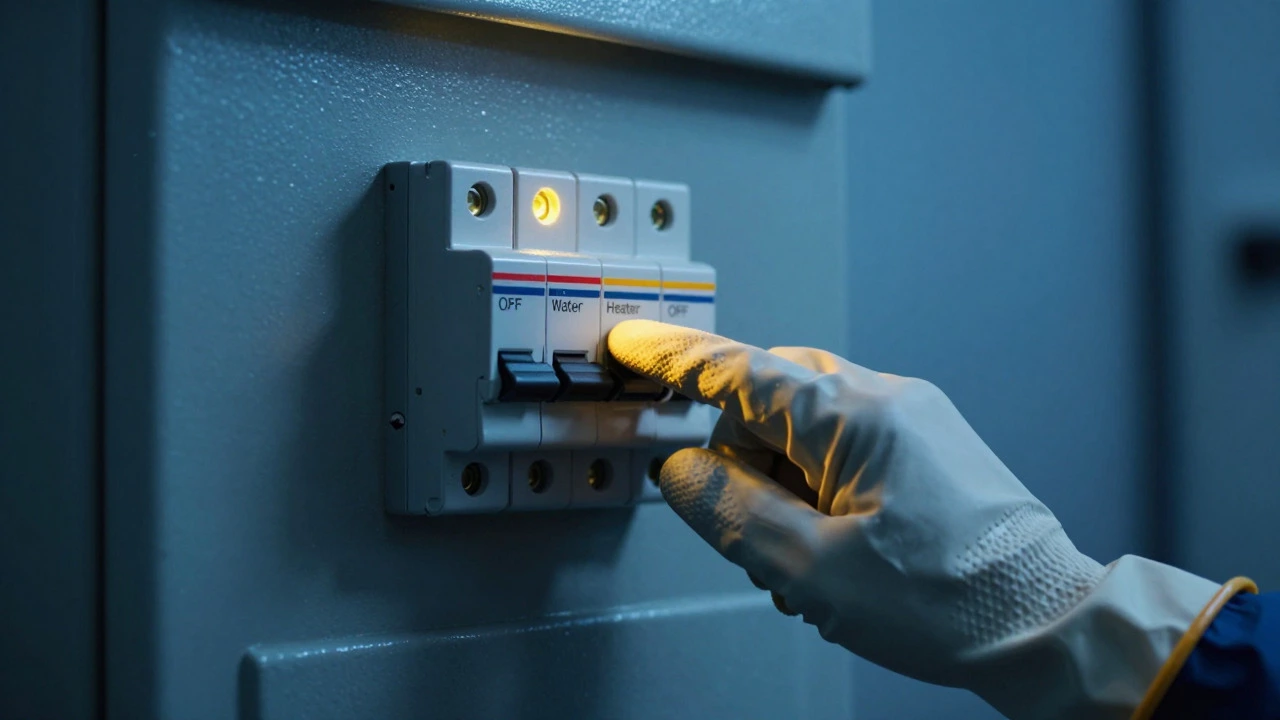
First, look at the power source. For electric heaters, a tripped breaker is the most frequent cause. Open your breaker panel, find the switch labeled “water heater,” and flip it back on. If it trips again, the heater’s heating element or thermostat may be faulty.
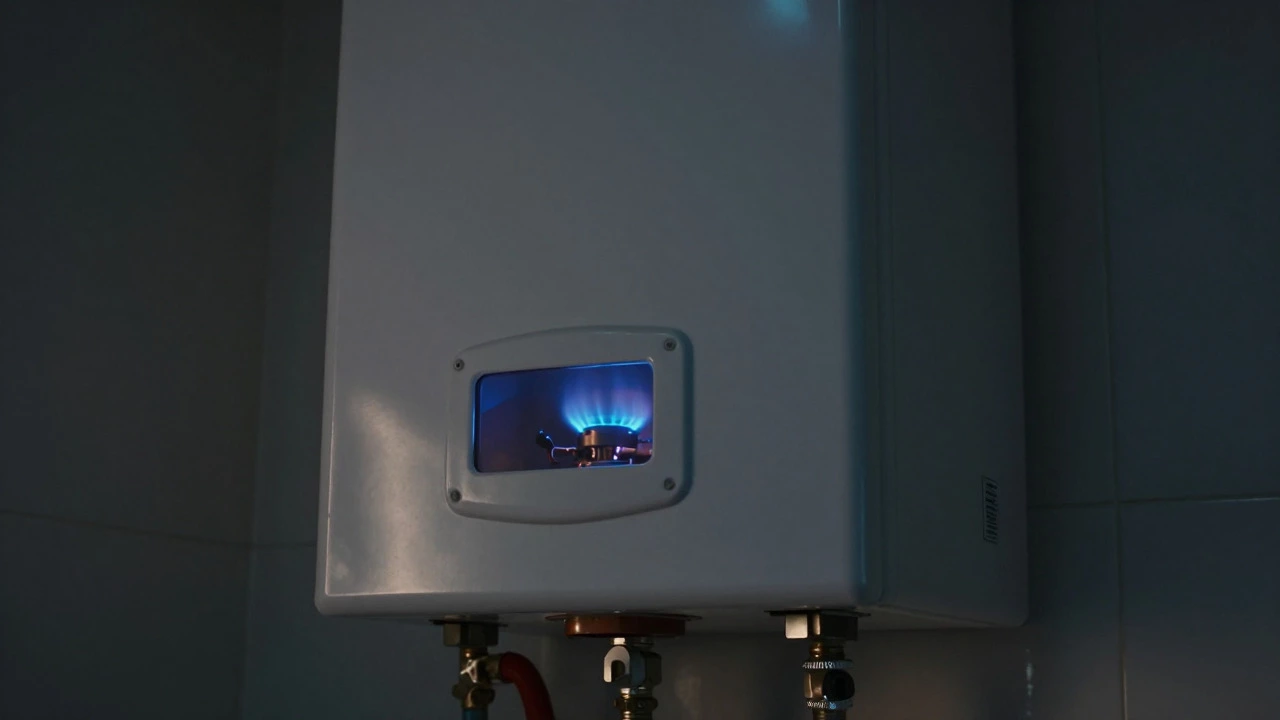
Gas heaters have a different set of suspects. A pilot light that keeps going out usually means a dirty ignitor or a faulty thermocouple. Give the pilot a quick clean with a soft brush and make sure the gas valve is fully open. If the flame still won’t stay lit, it’s safer to let a qualified plumber handle it.
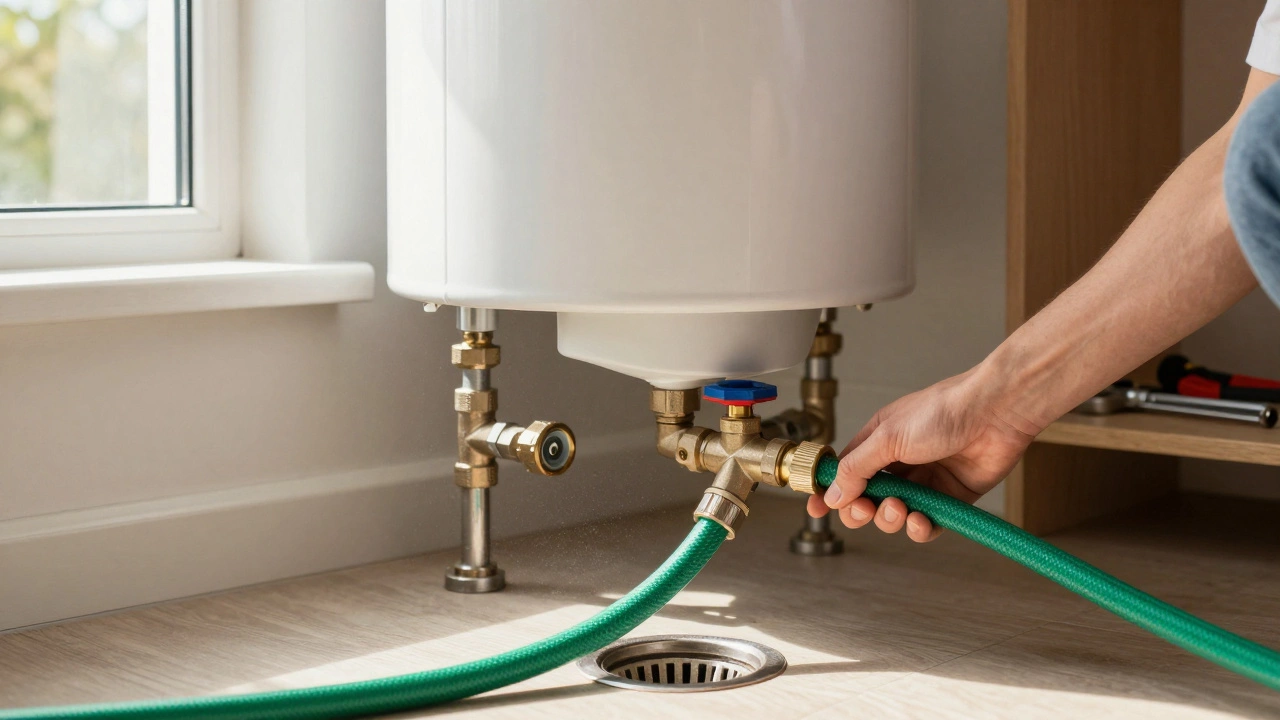
Sediment buildup is another silent troublemaker. Over time, minerals settle at the bottom of the tank, insulating the heating element and forcing it to work harder. This can cause uneven heating or complete failure. Flushing the tank once a year clears the sediment and can extend the heater’s life by several years.
Don’t forget the anode rod. It’s a metal stick that protects the tank from corrosion. A rotten rod not only shortens the heater’s lifespan but can also lead to rusty water. If you see brown water or notice a metallic smell, it’s a sign the rod needs replacing.
While DIY fixes cover many issues, some problems demand a professional’s touch. If you’ve tried resetting the breaker, relighting the pilot, and flushing the tank but still have no hot water, the heating element or internal wiring may be damaged. Working with electricity or gas without proper training is risky.
Another red flag is strange noises – banging, popping, or high‑pitched squeals. These sounds often indicate a pressure build‑up or a failing thermostat. A certified technician can safely release pressure, replace worn parts, and ensure the system complies with safety standards.
Finally, if your water heater is nearing the 8‑12 year mark, it’s worth getting a professional inspection. Even a well‑maintained unit can develop hidden leaks or worn seals that cause inefficiency and higher bills. An expert can advise whether a repair makes sense or if a replacement will save you money in the long run.
At Bognor Regis Appliance Repair Experts, we specialize in quick, reliable water heater repair. Our technicians arrive fully stocked, diagnose the issue on the spot, and often finish the job before the end of the day. We cover both electric and gas models, and we always explain what we did so you understand how to keep your heater running smoothly.
So next time cold water sneaks up on you, start with the simple checks above. If the problem persists, give us a call and let our skilled team handle the rest. Hot water shouldn’t be a luxury – it should be ready whenever you need it.
Struggling with a broken hot water heater? Learn how to troubleshoot common issues like tripped breakers, thermostat faults, and leaks before calling an expensive repair service.
Discover why your hot water stopped working. From pilot lights to thermostats, learn the most common causes of no hot water and how to fix them yourself.
Learn if you need to turn off the breaker to reset a water heater. Step-by-step safety guide for electric and gas models, troubleshooting tips, and when to call a pro.
Learn essential water heater maintenance tasks like flushing sediment, checking the anode rod, and testing safety valves to extend lifespan and improve efficiency.
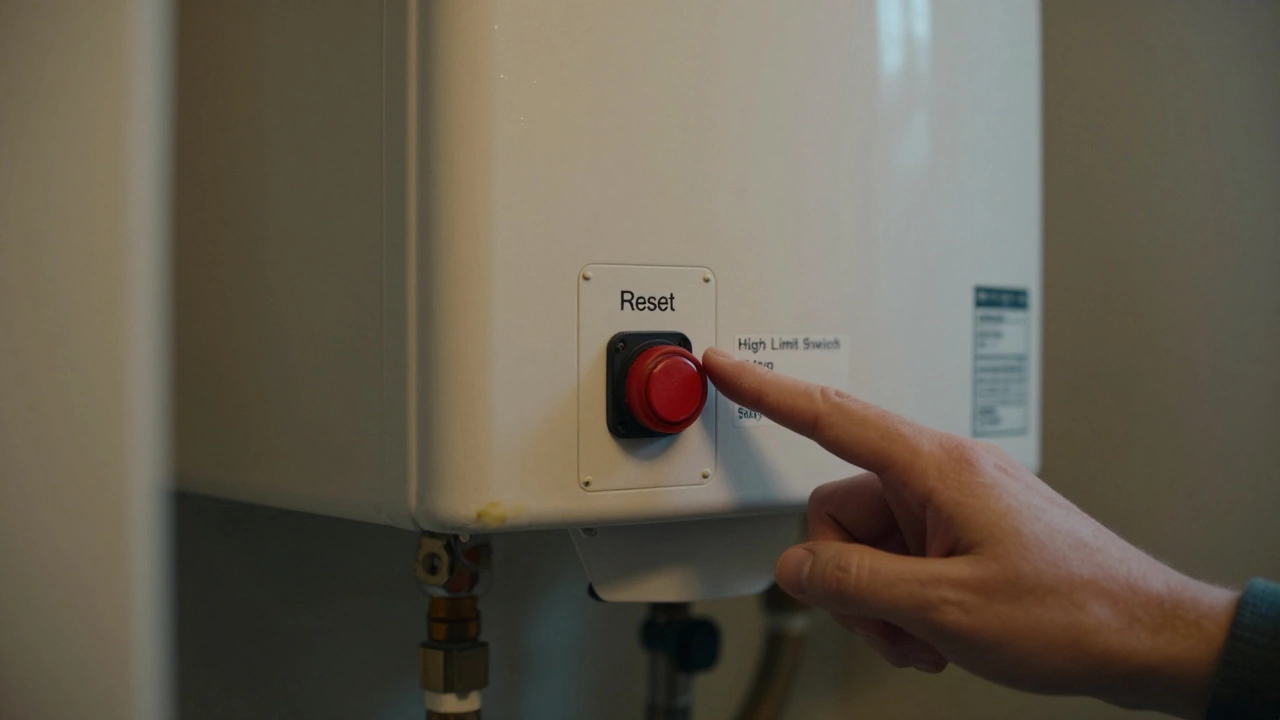
Discover why your hot water heater's reset button keeps tripping. Learn about failed thermostats, shorted elements, and sediment buildup, plus step-by-step fixes.
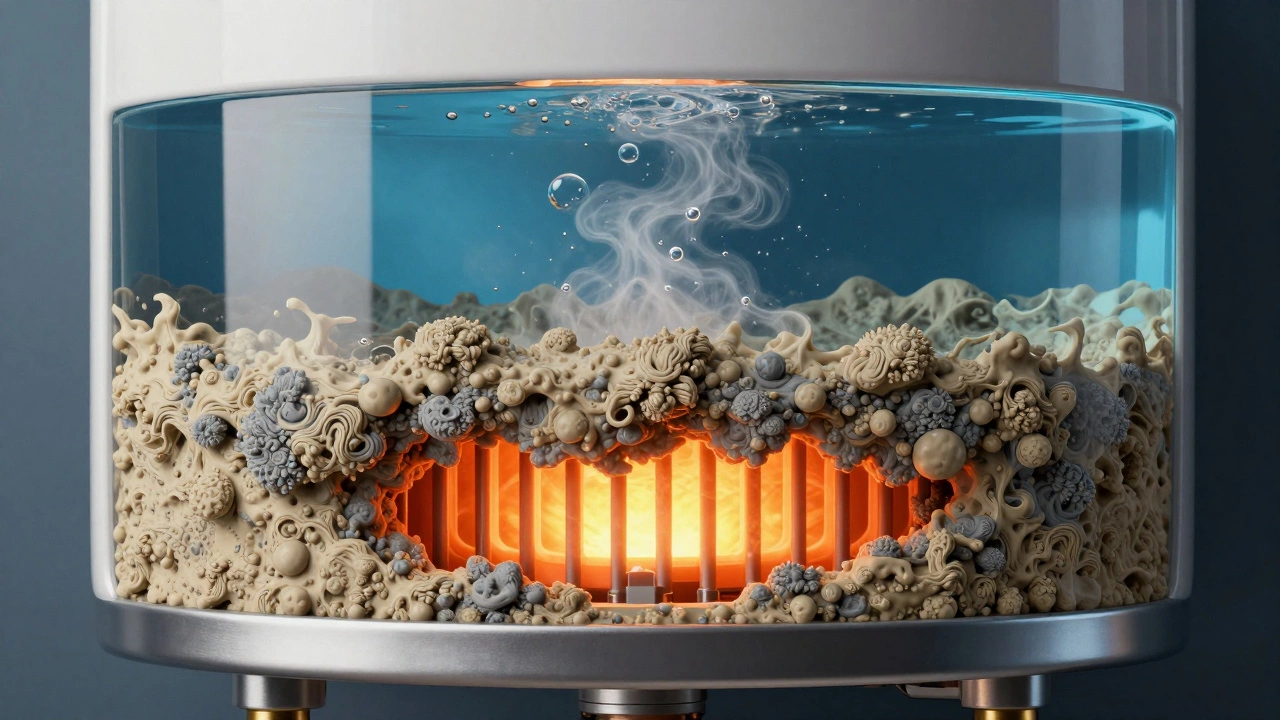
Discover the most common hot water heater problems, including sediment buildup, pilot light failures, and leaks. Learn how to diagnose issues, perform maintenance, and extend your unit's lifespan.
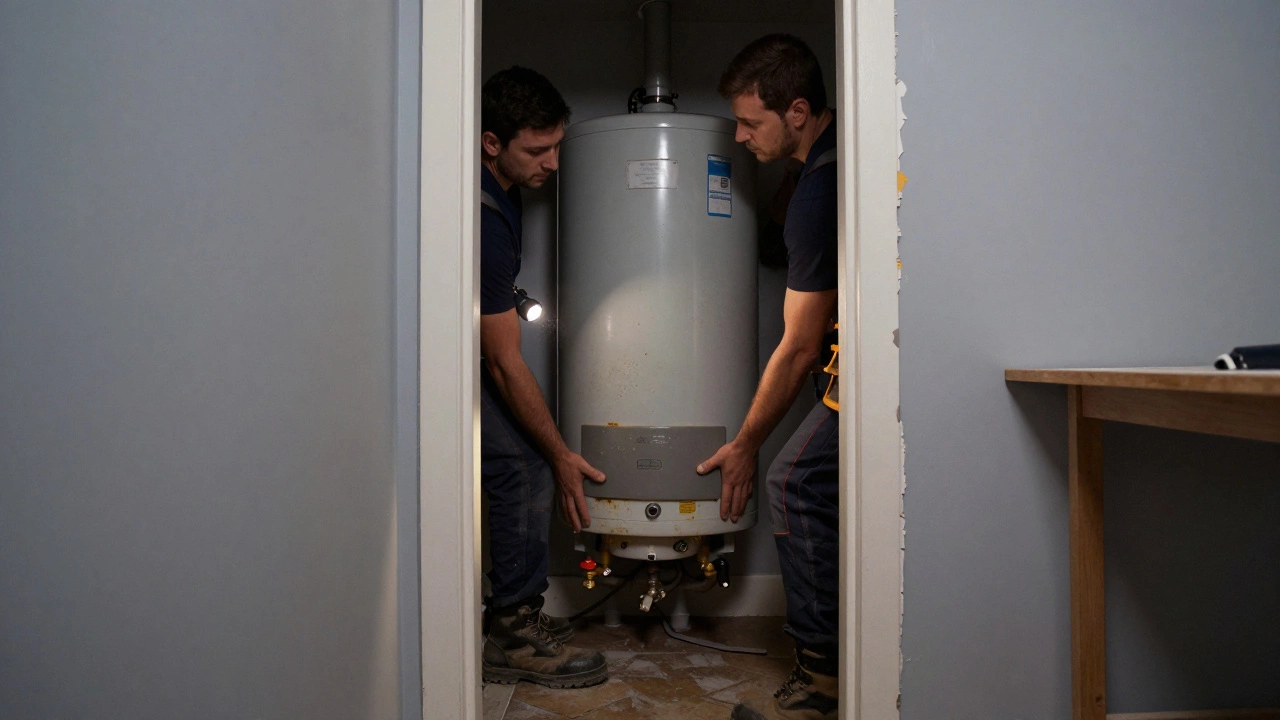
Find out exactly how long it takes to replace a water heater. We break down timelines for tank vs. tankless units, hidden delays, and installation steps to help you plan your schedule.
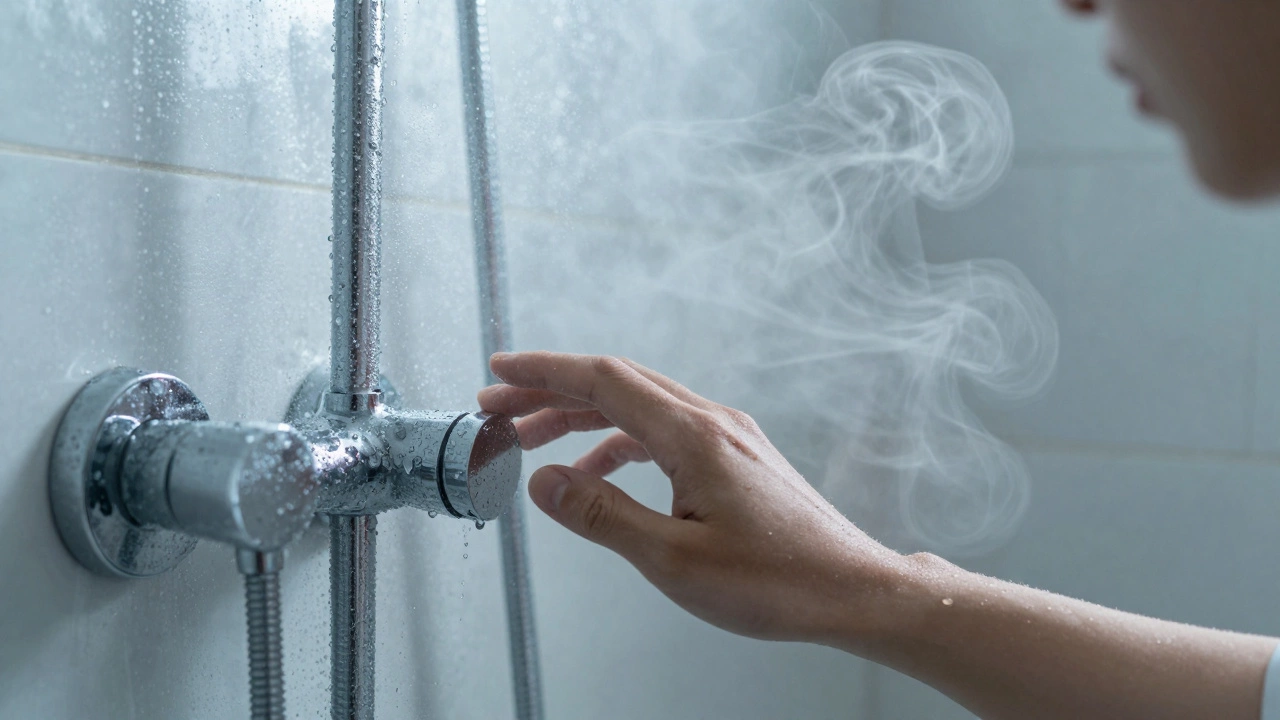
Learn how to diagnose a failing hot water heater thermostat with this expert guide. Spot the signs, use a multimeter for testing, and find out when to replace it.
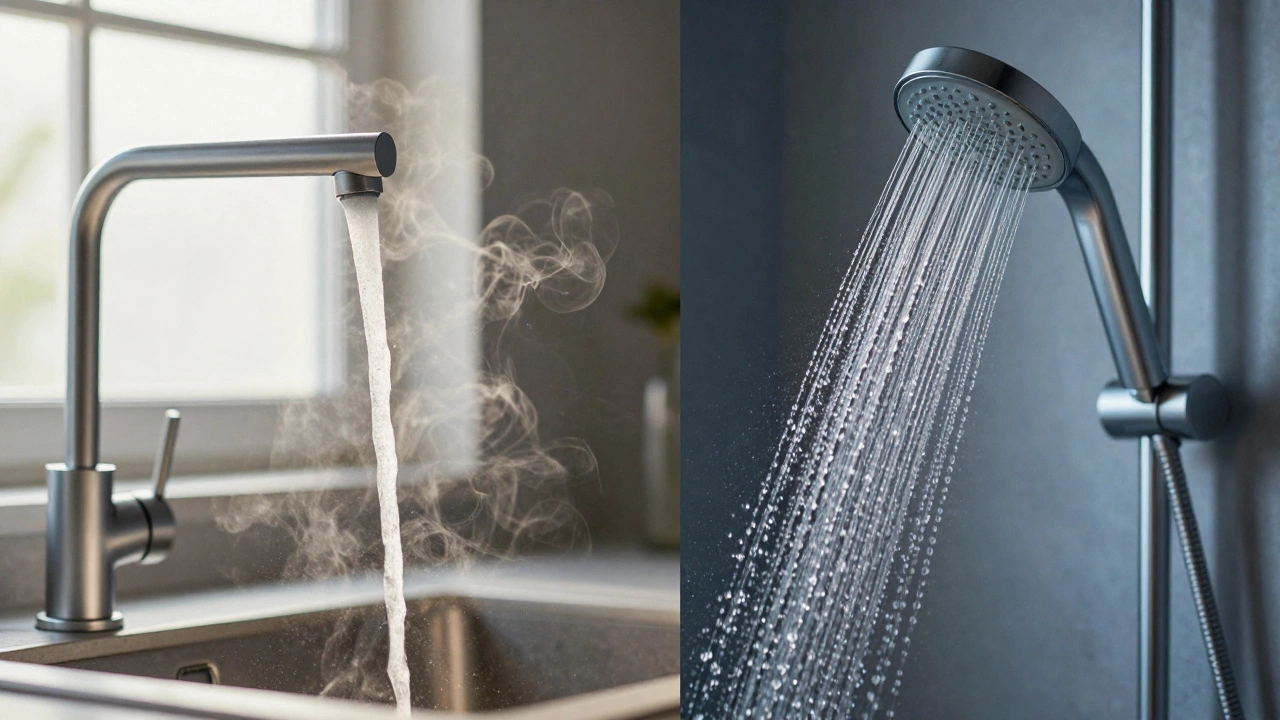
Shower cold but other taps hot? Learn how to diagnose and fix the problem, from failing mixing valves and diverters to air locks and sediment buildup.
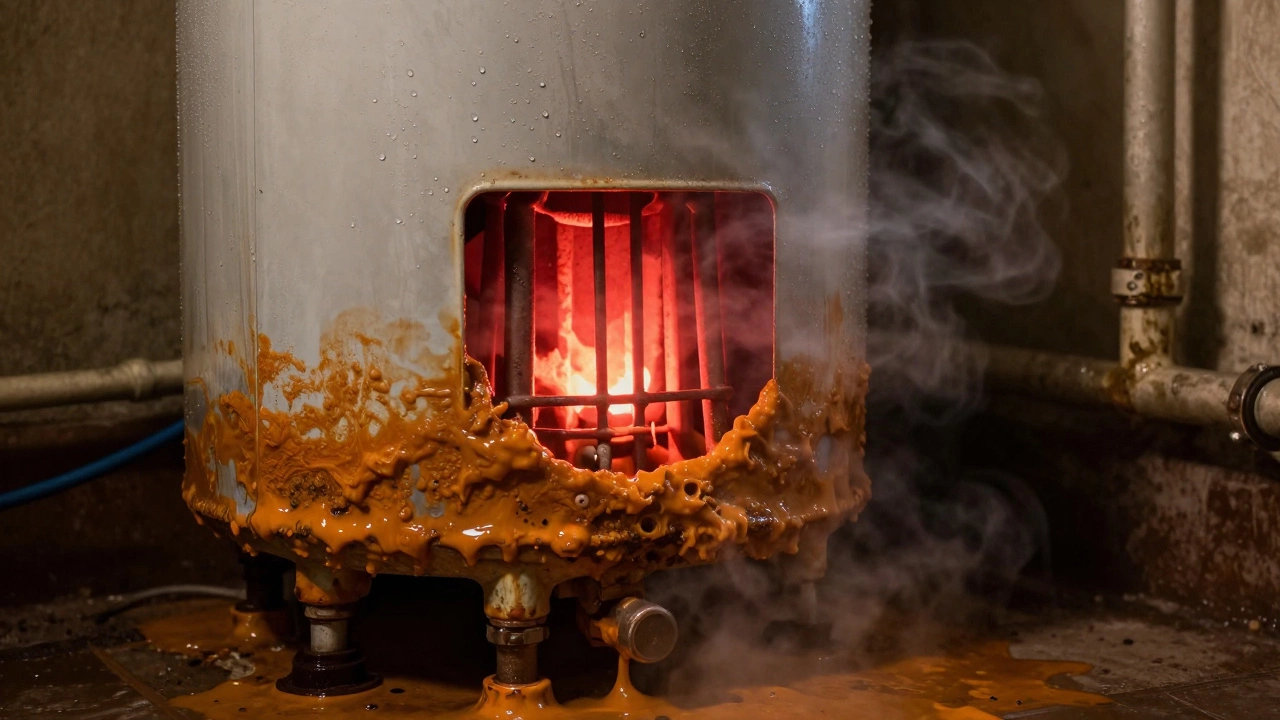
Sediment buildup from hard water is the #1 cause of water heater failure. Learn how mineral deposits damage your tank, why the anode rod matters, and simple steps to prevent leaks and extend your heater's life.
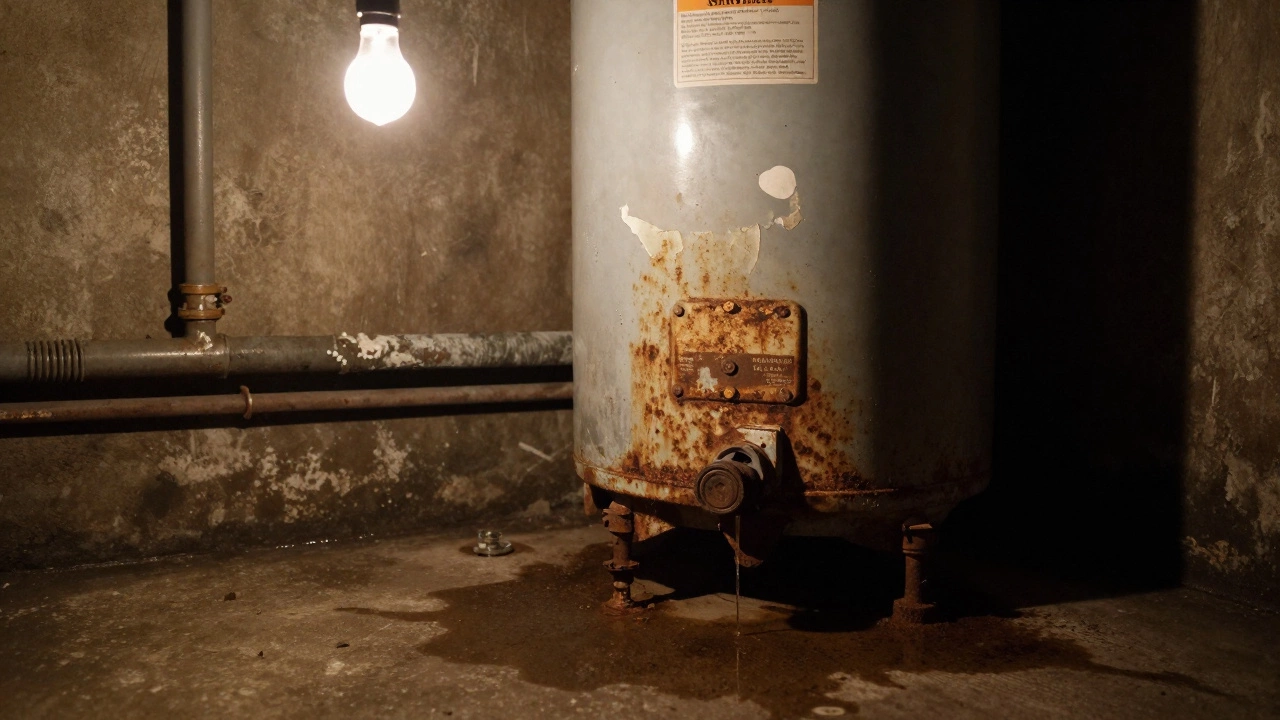
A 20-year-old water heater is likely inefficient, unsafe, and prone to sudden failure. Repairing it may seem cheaper, but replacement saves money, energy, and prevents costly water damage. Here’s what you need to know before deciding.
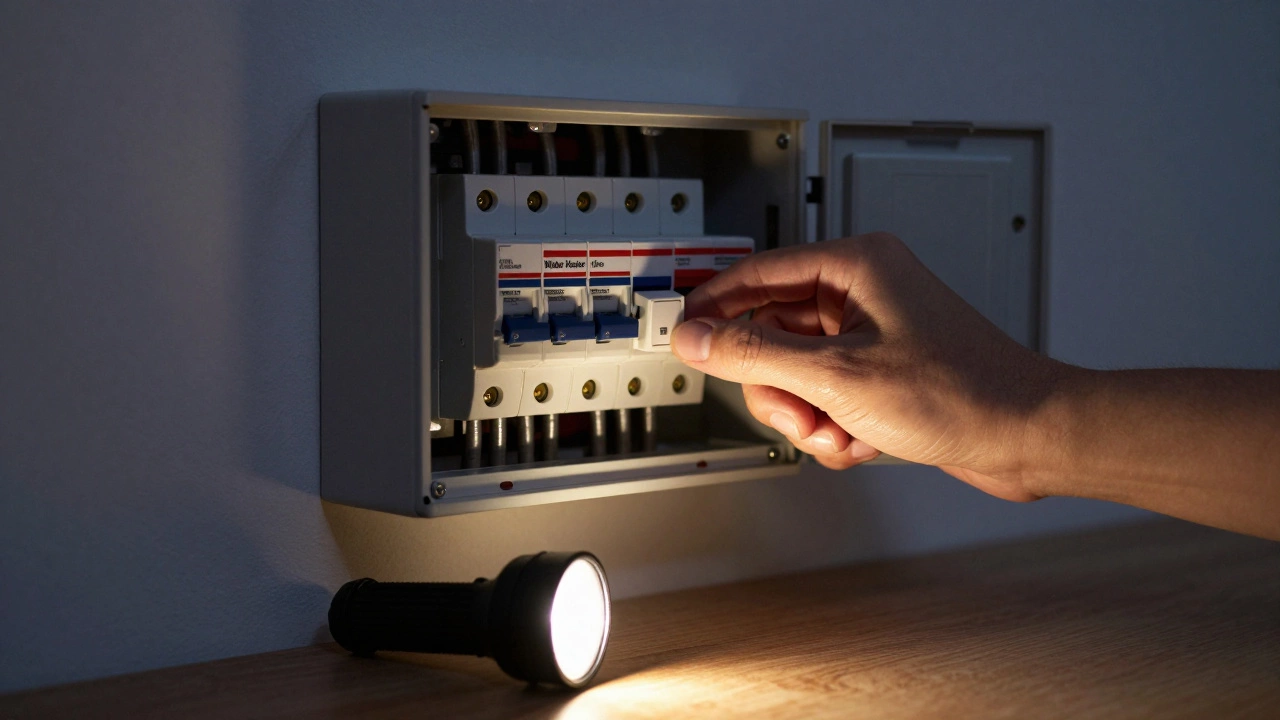
When there's no hot water, the first thing to check isn't the heater-it's the circuit breaker or pilot light. Most issues are simple fixes that save time and money. Learn what to look for and how to fix it yourself.
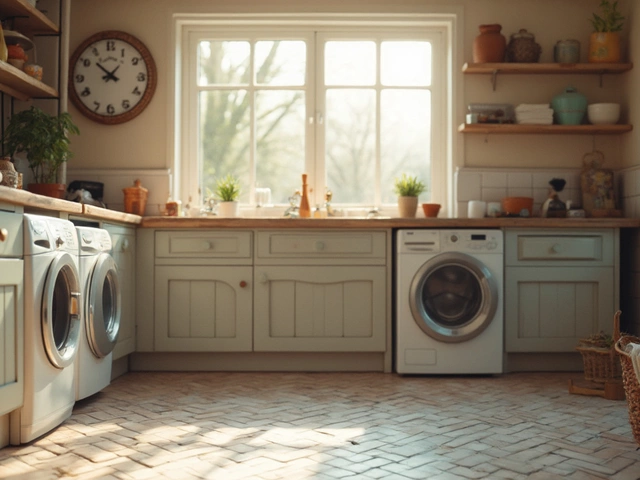
Wondering how long a washing machine should actually last? This article breaks down real averages, points out what causes washers to wear out, and shows simple ways to get more years out of your machine. We’ll look at red flags for replacement, compare old versus new models, and clear up some common myths about washers. If you want your next laundry day to go smoothly—or you’re tired of surprise breakdowns—this guide’s for you.
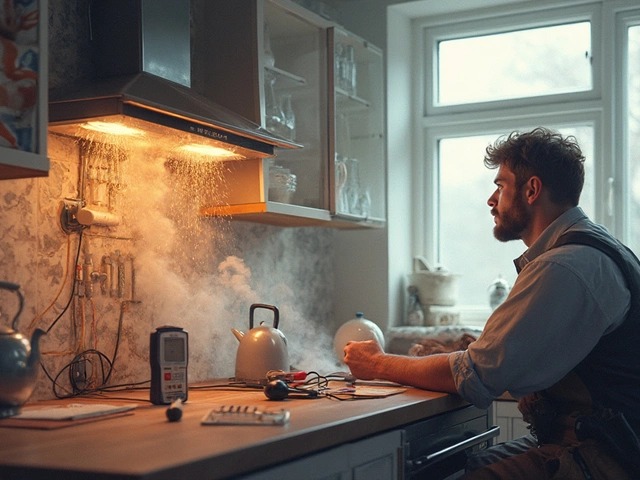
Extractor fans are essential for maintaining good air quality in homes, but what happens when they break down? This article explores whether electricians are the right professionals to fix extractor fans, the typical issues these fans encounter, and some maintenance tips to avoid frequent repairs. Learn about the repair process and when it might be time to replace your fan altogether.
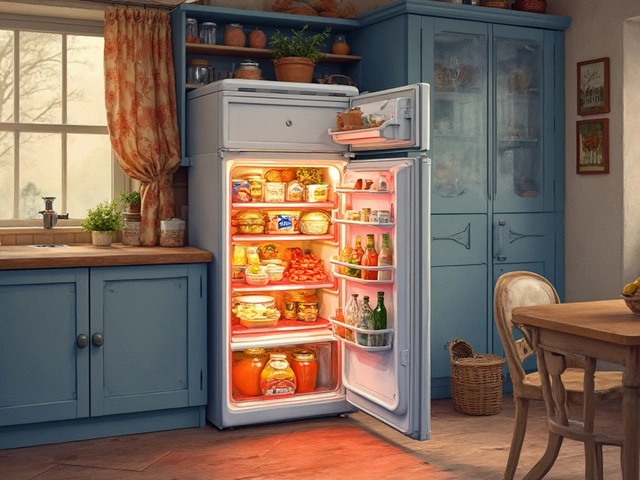
Understanding what usually fails in a fridge can save you time and money. This article explores common issues like malfunctioning thermostats, compressor problems, and leaky seals. Learn helpful tips for diagnosing and possibly fixing these issues yourself. Knowing when to call a professional is also crucial in the life of your fridge.

Electric stoves are a staple in many kitchens, but how long can you expect them to last? This article delves into the average lifespan of an electric stove and what factors can influence its longevity. Discover maintenance tips that can help extend its life and recognize signs when repairs or replacements might be necessary. This guide aims to empower you with insights into prolonging the efficiency of your kitchen's electric stove.
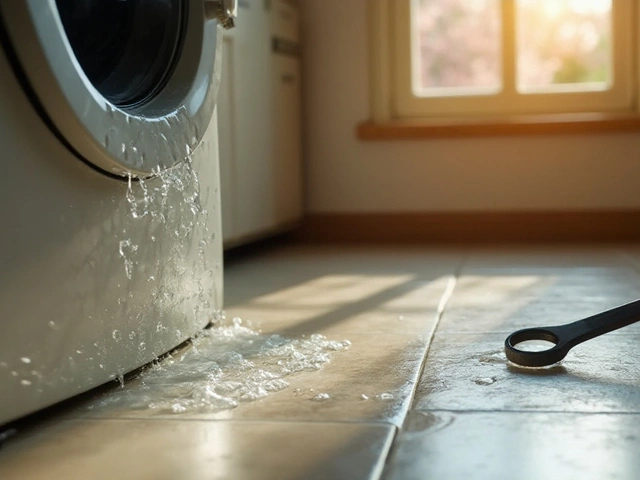
Washing machines are among the most used household appliances, making them prone to various problems over time. This article explores the most frequent issues like leaks, drainage problems, and strange noises. Understanding these problems can help in diagnosing issues quickly and considering effective repairs. The article also offers helpful tips to maintain your machine and keep it running efficiently for years. Simple maintenance steps can prevent most common problems from occurring.