Hot Water Heater Reset Button Diagnostic Tool
Select all symptoms or conditions you are experiencing to diagnose the likely cause of your reset button tripping.
Likely Cause Identified
What's Happening:
Recommended Solution:
Quick Facts:
- Difficulty
- DIY Friendly?
- Estimated Cost
- Time Required
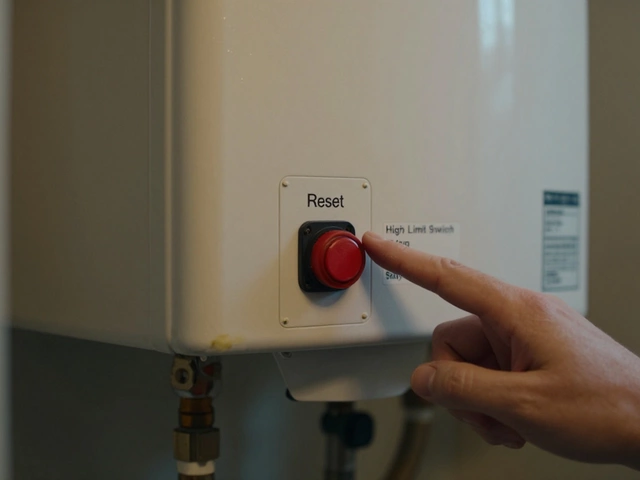
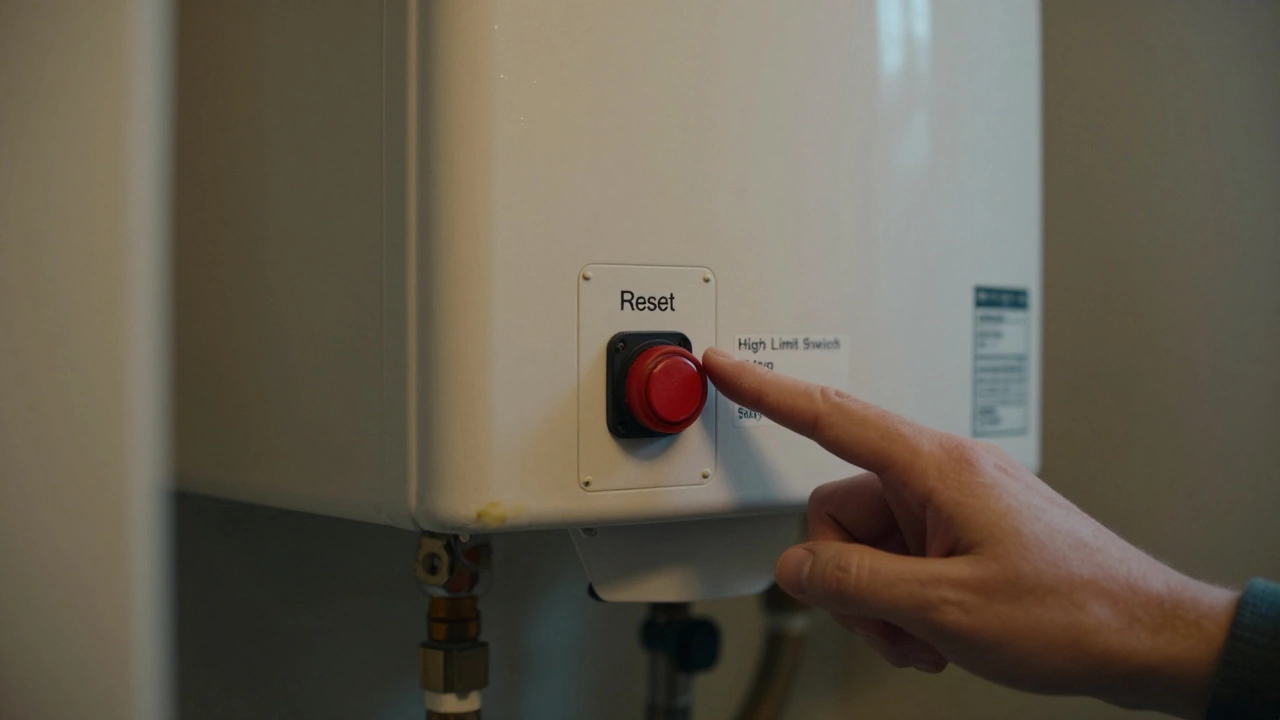
There is nothing worse than stepping into a shower and being blasted with ice-cold water. You check the tank, see that red button on the side, and realize it has popped out again. It’s frustrating, inconvenient, and frankly, a bit scary. That little button isn’t just a switch; it’s a critical safety device known as the High Limit Switch, also referred to as the Emergency Cut-Off Thermostat (ECOT). When it trips, your water heater is telling you something is seriously wrong.
Many homeowners simply push the button back in and hope for the best. But if you do that without fixing the underlying issue, the button will trip again-often within hours or days. In some cases, ignoring the root cause can lead to catastrophic failure, including tank rupture or fire hazards. So, what exactly trips this reset button? Let’s break down the five most common culprits, how to diagnose them, and when you need to call a professional.
The High Limit Switch: Your Tank’s Last Line of Defense
Before we dive into the causes, it helps to understand what this button actually does. Most standard tank-style electric water heaters have two thermostats. The lower one controls the heating element to keep the water at your desired temperature (usually around 120°F or 49°C). The upper one, which is connected to that red reset button, acts as a backup.
If the primary thermostat fails and stops regulating heat, the water temperature can skyrocket. Once the water near the top of the tank reaches roughly 180°F (82°C), the high limit switch senses the danger and cuts power to the entire unit. This prevents the water from turning into steam and potentially exploding the tank. Pushing the button resets the circuit, but only after the water has cooled down enough to be safe.
Cause 1: A Failed Primary Thermostat
This is the number one reason for repeated tripping. Think of the primary thermostat as the brain of your water heater. It tells the heating element when to turn on and off. Over time, especially in units older than ten years, these thermostats wear out. They might get stuck in the "on" position, causing the element to heat the water continuously until the emergency cut-off kicks in.
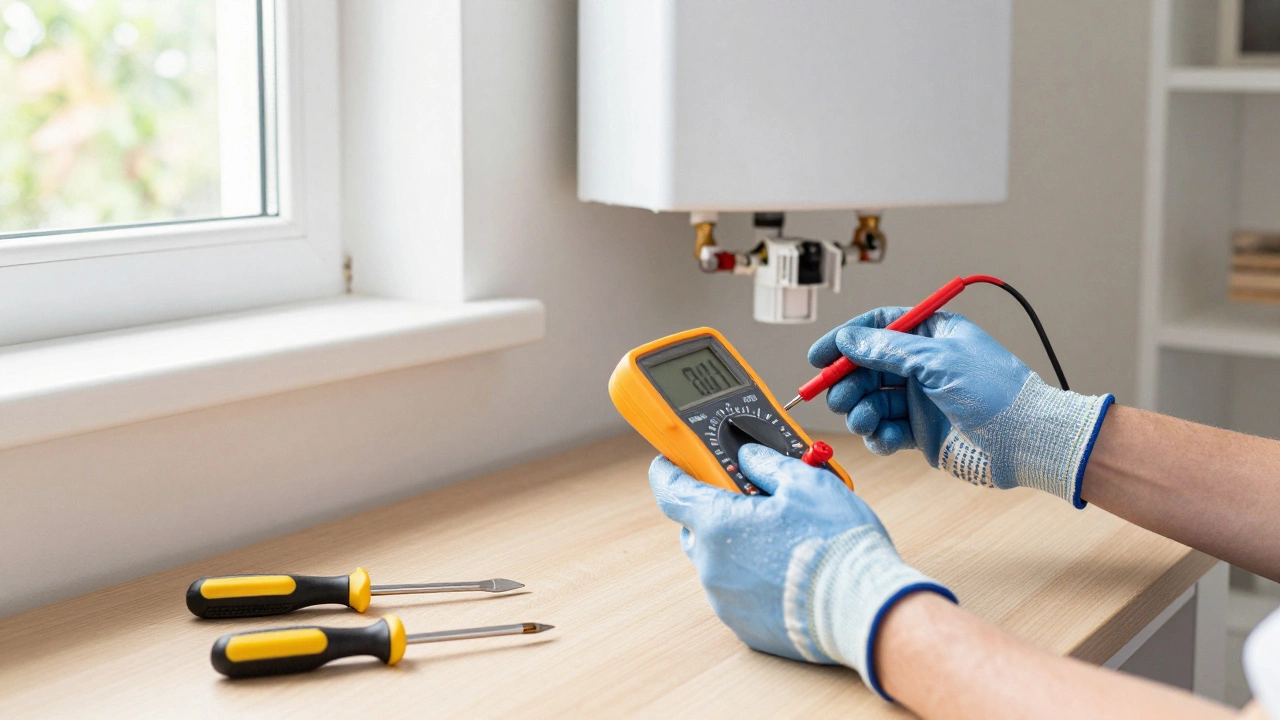
How to spot it: If your water is scalding hot before it goes cold, or if the reset button trips shortly after you push it in, the thermostat is likely faulty. You can test this with a multimeter. Set the dial to continuity (ohms). Touch the probes to the terminals on the thermostat. If there is no continuity when the thermostat should be closed, it needs replacing. Note that thermostats are often sold as a pair because they are calibrated together, so replace both to ensure even heating.
Cause 2: Shorted Heating Elements
The heating elements are the parts submerged in the water that generate the heat. Inside each element is a coil wrapped in magnesium oxide insulation, sealed inside a metal sheath. If that seal breaks, water gets in. Or, if the mineral buildup (scale) becomes too thick, the element can overheat and burn through its own insulation.
When an element shorts out, it draws excessive current. This creates intense, uncontrolled heat right at the source. The nearby high-limit switch senses this rapid temperature spike and trips immediately to protect the wiring and the tank. A shorted element often smells like burnt plastic or ozone when it fails.
Diagnosis tip: Use a multimeter to check for resistance. A healthy 4500-watt element should read between 24 and 26 ohms. If you read zero ohms, the element is shorted. If you read infinite resistance, the coil is broken. Either way, it needs replacement. Always check the element socket gasket while you’re in there, as a cracked gasket can allow water to leak into the electrical connections, causing further shorts.
Cause 3: Sediment Buildup and Overheating
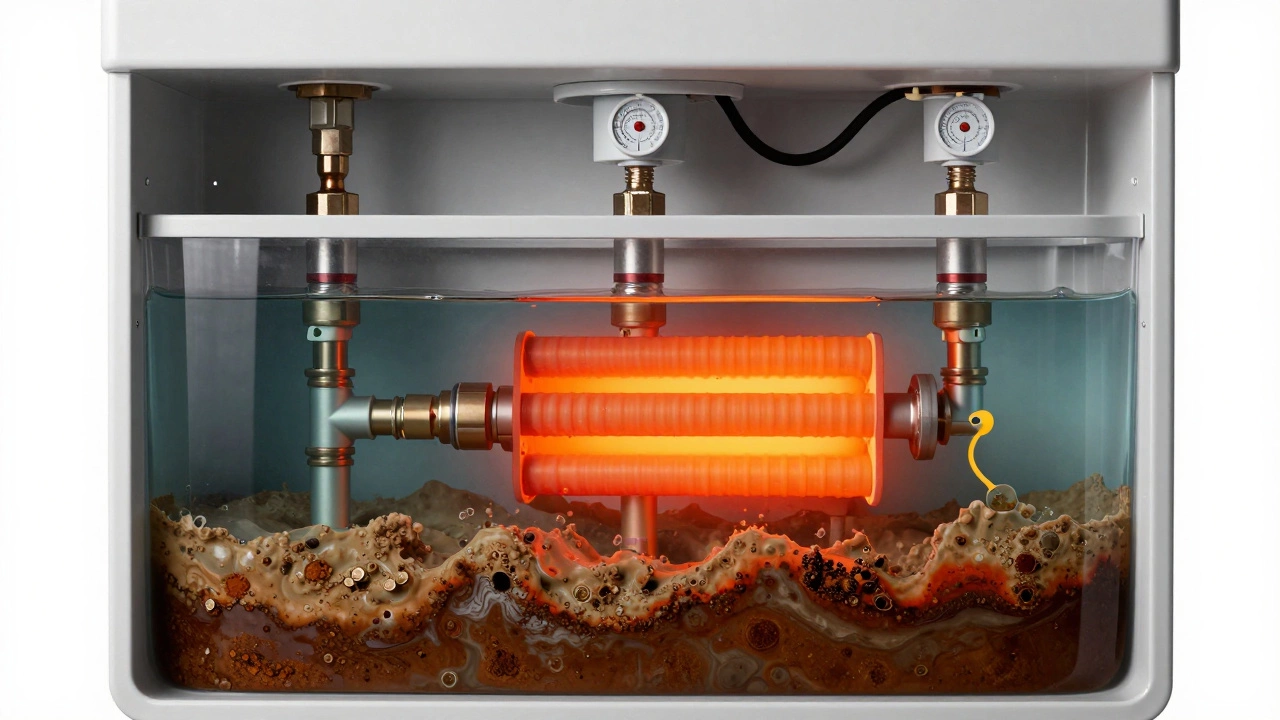
Hard water contains minerals like calcium and magnesium. As your water heater heats up, these minerals precipitate out and settle at the bottom of the tank as sediment. Over time, this layer can grow inches thick. This is bad news for two reasons.
First, the sediment acts as an insulator between the heating element and the water. The element tries to heat the water, but the scale blocks the heat transfer. The element itself gets incredibly hot-far hotter than the water surrounding it. This localized overheating triggers the high-limit switch. Second, the trapped heat can damage the glass lining of the tank, leading to leaks.
The fix: Flushing your tank annually removes loose sediment. For heavy buildup, you may need to drain the tank completely and use a vacuum cleaner designed for wet/dry use to suck out the sludge from the bottom. If the sediment is cemented hard, you might need to remove the elements and scrub them out manually.
Cause 4: Faulty Wiring or Loose Connections
Electricity hates loose connections. If the wires connecting the thermostat to the heating element are loose, corroded, or frayed, they create resistance. This resistance generates heat-not useful heat for your water, but dangerous heat that can melt insulation and trigger safety switches.
In Bristol, where humidity can be high, corrosion inside the access panel is a common issue. Moisture creeps in, oxidizes the copper terminals, and increases resistance. You might see green or white crusty deposits on the screws or wire nuts. This isn’t just a nuisance; it’s a fire hazard.
What to look for: Open the access panels (after turning off the power at the breaker!). Inspect the wiring for discoloration, melting, or looseness. Tighten any loose terminal screws. If you see significant corrosion, clean the contacts with fine sandpaper or replace the wire connectors entirely. Never skip checking the ground wire, as a poor ground can cause erratic behavior in the thermostats.
Cause 5: Power Surges and Voltage Issues
Sometimes the problem isn’t inside the tank at all. A sudden power surge from a lightning strike or grid fluctuation can fry the internal components of the thermostat or the control board (in newer smart models). Even a minor voltage imbalance in your home’s electrical system can cause one leg of the 240V supply to run higher than the other, pushing more power through the elements than they were designed to handle.
If you’ve recently had storms in the area or noticed flickering lights elsewhere in the house, consider this possibility. While less common than mechanical failures, electrical issues are tricky because they don’t always leave visible signs. A professional electrician can measure the voltage at the disconnect box to ensure it’s stable at 240V.
Comparison: Common Causes vs. Symptoms
| Cause | Key Symptom | Difficulty Level | DIY Friendly? |
|---|---|---|---|
| Failed Thermostat | Water too hot, then cold | Medium | Yes, if comfortable with wiring |
| Shorted Element | Burnt smell, immediate trip | Medium | Yes, requires draining tank |
| Sediment Buildup | Popping noises, slow recovery | Low | Yes, flushing is easy |
| Loose Wiring | Discoloration, buzzing sound | Low | Yes, visual inspection |
| Power Surge | No obvious pattern, recent storm | High | No, call an electrician |
Step-by-Step: How to Safely Reset and Test
If you suspect one of these issues, here is how to proceed safely. Safety is paramount when dealing with 240-volt electricity and scalding water.
- Turn off the power: Go to your main electrical panel and flip the breaker labeled "Water Heater" to the OFF position. Do not rely on the switch on the unit itself.
- Check the pressure: Ensure the temperature/pressure relief valve (TPR) is working. Lift the lever briefly to release some pressure. If it doesn’t move freely, replace it immediately.
- Access the panels: Remove the outer access panels on the side of the tank. You’ll usually find two panels, one for the upper element and one for the lower.
- Inspect visually: Look for burnt marks, melted wires, or corrosion. Take photos before disconnecting anything so you know how to reassemble it.
- Test components: Use a multimeter to test the thermostats and elements as described above. Replace any component that fails the continuity or resistance test.
- Reset the button: Only after confirming the fault is fixed, push the red reset button firmly until it clicks. If it pops back out immediately, stop. There is still a short circuit.
- Restore power: Turn the breaker back on. Wait a few hours for the tank to heat up, then check the water temperature at a faucet. It should be steady and not scalding.
When to Call a Professional
While many of these fixes are DIY-friendly, some situations require a pro. If the reset button trips repeatedly despite new parts, the issue might be with the tank’s internal plumbing or the gas valve (if it’s a hybrid model). Also, if you notice water leaking from the bottom of the tank, the liner is likely breached. No amount of resetting will fix a leaking tank; it needs replacement.
In the UK, electrical work must comply with Part P of the Building Regulations. If you’re unsure about rewiring or testing circuits, hire a qualified electrician or plumber. They have thermal imaging cameras and advanced meters that can detect hidden faults quickly. It’s cheaper than buying a new water heater due to negligence.
Maintenance Tips to Prevent Future Trips
Prevention is always better than cure. Here’s how to keep your water heater running smoothly:
- Flush annually: Drain a few gallons from the drain valve once a year to remove sediment. This keeps the elements efficient and cool.
- Check the anode rod: Every three to five years, inspect the sacrificial anode rod. If it’s heavily corroded or covered in calcium, replace it. This protects the tank from rust.
- Set the right temperature: Keep the thermostat at 120°F (49°C). Higher temperatures increase sediment buildup and energy costs without adding comfort.
- Inspect wiring yearly: During your annual flush, peek inside the access panels. Tighten any loose screws and clean off any dust or moisture.
Your hot water heater is a workhorse appliance. Treat it with respect, and it will serve you well. Ignoring that reset button is like ignoring a check engine light in your car-it might drive for a mile, but eventually, it will leave you stranded. By understanding why it trips, you can take control of the situation and avoid costly repairs down the line.
Is it safe to reset the hot water heater button multiple times?
No, it is not safe to repeatedly reset the button without diagnosing the cause. Each trip indicates a potential hazard, such as overheating or electrical short. Continuous resetting can damage the switch mechanism and increase the risk of fire or tank explosion.
How much does it cost to replace a water heater thermostat?
A replacement thermostat typically costs between £20 and £50 for the part. If you hire a professional, labor costs can add another £50 to £100, depending on location and accessibility. Doing it yourself saves money but requires basic electrical knowledge.
Can a bad heating element trip the reset button?
Yes, a shorted or failing heating element generates excessive heat that triggers the high-limit switch. If the element is drawing too much current or has lost its insulation, the emergency cut-off will activate to prevent damage.
Why does my water heater make popping noises before the button trips?
Popping noises are caused by sediment buildup at the bottom of the tank. As water trapped under the sediment boils, it creates steam bubbles that escape with a pop. This indicates severe scaling, which leads to overheating and tripping.
Should I replace both thermostats if one fails?
It is highly recommended to replace both thermostats simultaneously. They are calibrated to work together to ensure even heating. Replacing only one can lead to uneven water temperatures and premature failure of the new part.
How often should I flush my water heater?
You should flush your water heater at least once a year. In areas with hard water, like parts of the UK, flushing every six months may be necessary to prevent significant sediment accumulation and maintain efficiency.