

If your house feels too cold or the heating kicks on for no reason, the thermostat is probably the culprit. It’s the brain that tells your boiler or heat pump when to fire up, so a mis‑behaving thermostat can waste energy and leave you shivering. The good news? Most thermostat issues are easy to spot and fix without waiting for a technician.
First, make sure the thermostat has power. If it’s a digital model, check the display – a blank screen usually means dead batteries or a tripped fuse. Swap out the batteries with fresh alkaline ones and see if the screen lights up.
Next, verify the settings. People often forget they set the thermostat to "Away" or "Eco" mode, which intentionally lowers the temperature. Switch back to "Home" or "Comfort" and see if the heating responds.
If the thermostat is powered and set correctly but still won’t call for heat, give the unit a quick visual inspection. Dust and debris can clog the sensor or the wiring terminals. Turn off the power at the breaker, remove the cover, and gently brush away any grime. While you’re there, tighten any loose wires – a loose connection can send random signals to the boiler.
For digital thermostats, a simple reset can clear glitches. Look for a small reset button or hold the main power button for 10 seconds. After resetting, reprogram the schedule and test the system.
When cleaning and resetting don’t work, it’s time to test the thermostat’s core function. Use a multimeter set to Ohms. With the power off, remove the thermostat wires (label them first). Place the multimeter probes on the two terminals – you should see a low resistance reading when the thermostat calls for heat and an open circuit when it’s off. If the reading stays open, the thermostat’s internal switch is dead and needs replacing.
Replacing a thermostat is straightforward. Buy a model that matches your heating system – most boilers and heat pumps work with standard 2‑wire or 3‑wire units. Again, turn off the breaker, detach the old thermostat, and note which wire is which. Attach the new unit’s wires to the same terminals, secure the cover, and turn the power back on.
After installation, set the temperature and watch the heating kick in. If it works, you’ve saved a call‑out fee and got your home comfortable again. If the new thermostat still doesn’t talk to the boiler, the problem may lie in the boiler’s control board or wiring – that’s when calling Bognor Regis Appliance Repair Experts makes sense.
Our technicians know every make of thermostat and can quickly diagnose hidden wiring faults or faulty boiler controls. We’ll also clean and calibrate the whole heating system, ensuring the thermostat stays accurate for months to come.
Bottom line: a dead battery, dusty sensor, or loose wire are the most common thermostat headaches, and they’re all fixable in under an hour. Keep a spare set of batteries handy, wipe the unit clean when you change the season, and run a quick multimeter test if you suspect deeper trouble. When in doubt, a professional call saves time and avoids unnecessary replacements.
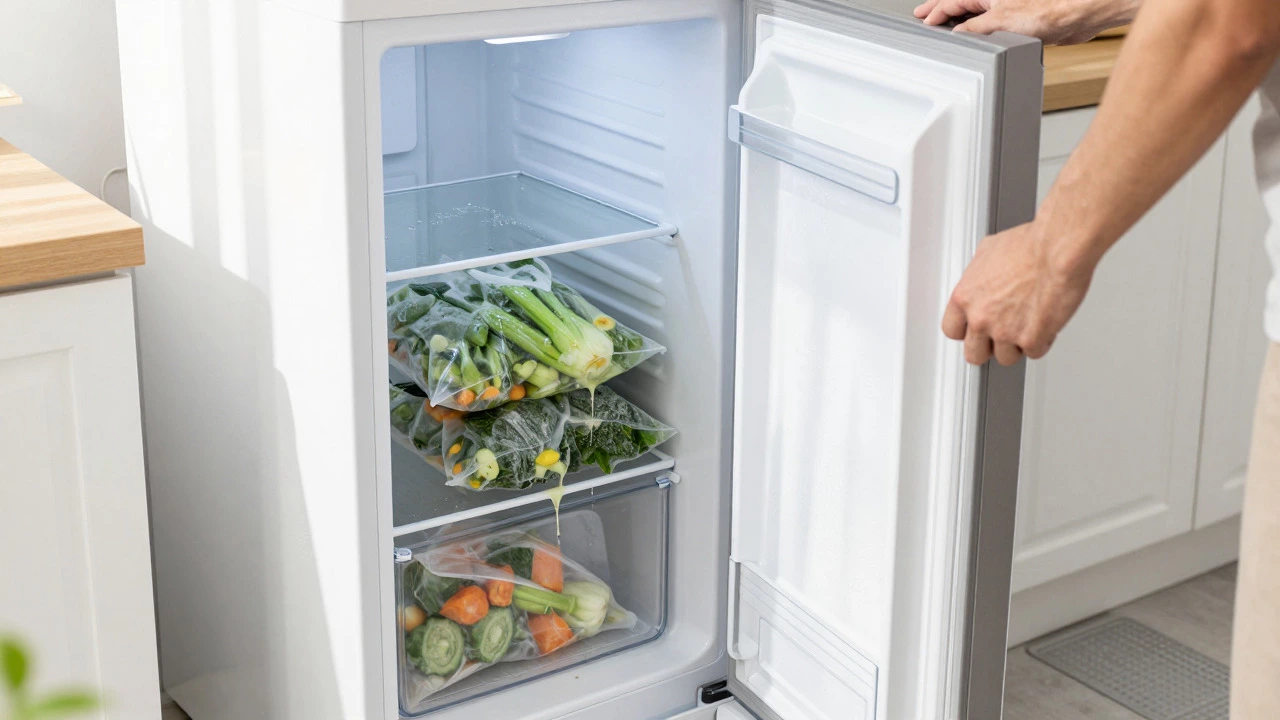
Learn how to troubleshoot a broken freezer step-by-step. From checking power sources to diagnosing defrost heaters, this guide helps you save food and money.
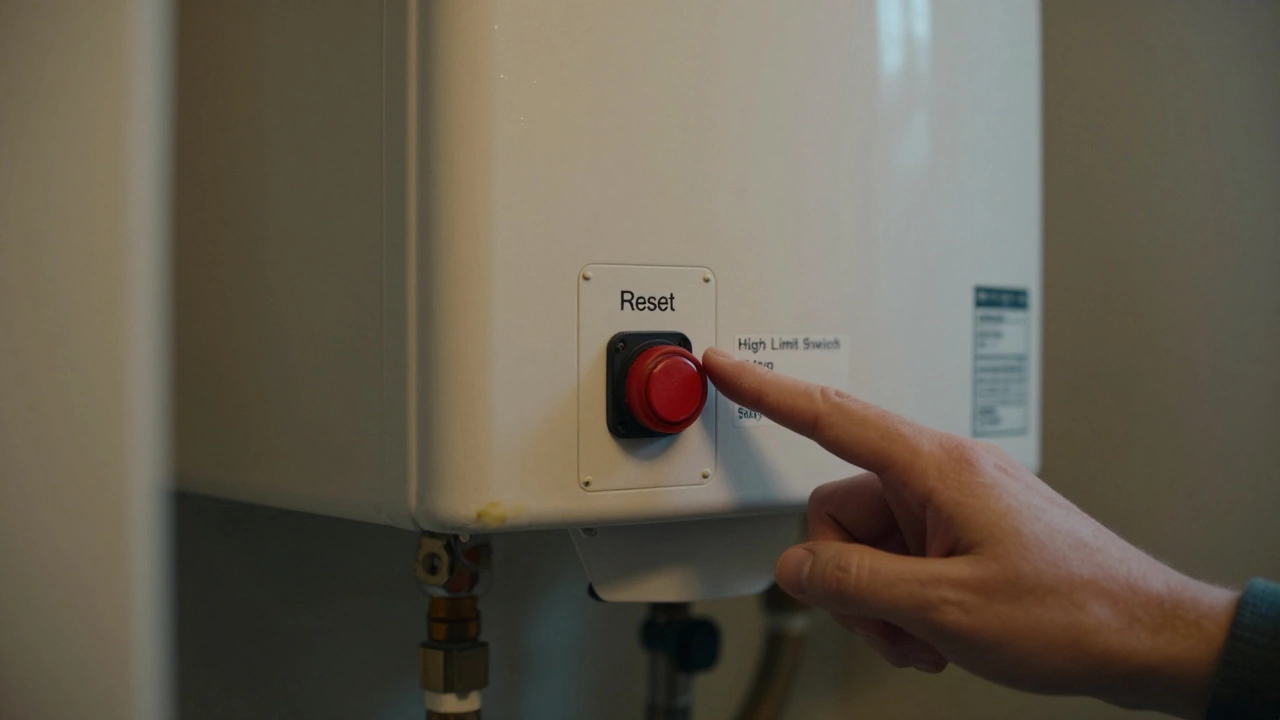
Discover why your hot water heater's reset button keeps tripping. Learn about failed thermostats, shorted elements, and sediment buildup, plus step-by-step fixes.
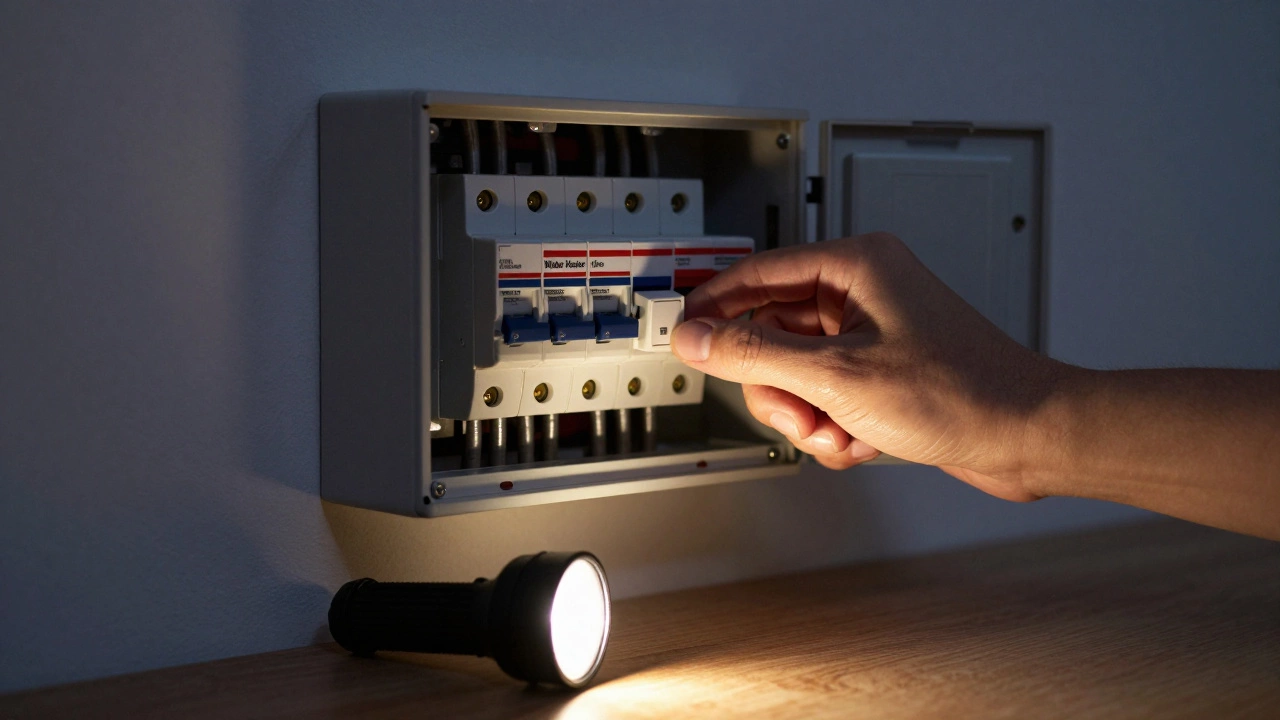
When there's no hot water, the first thing to check isn't the heater-it's the circuit breaker or pilot light. Most issues are simple fixes that save time and money. Learn what to look for and how to fix it yourself.

Find out how to tell if your oven’s heating element or thermostat is busted with simple tests, warning signs, and expert tips you can trust.
Water heaters are essential in our daily lives, yet they often fail more quickly than expected. Understanding the common causes of these failures can help in preventing them. In this article, we delve into why water heaters often break down prematurely and offer practical tips on extending their lifespan. Regular maintenance and awareness of common issues are key to ensuring your water heater runs efficiently for years.

When your electric hob stops working, it's more than just a minor inconvenience—cooking essentials go awry, family meal plans are disrupted. Understanding some common causes and fixes is crucial before calling in the big guns or rushing to buy a new unit. From circuit issues, faulty sensors, and even user errors, many problems have straightforward solutions. This guide walks you through troubleshooting steps and shares tips to keep your hob cooking strong.

Wondering if you should throw out your seven-year-old oven or give it a second chance? This article breaks down when it makes sense to fix an older oven, what problems are easy or tough to repair, and how much money you might actually save. Get straight answers on costs, lifespan, and smart ways to keep your oven running. No fluff—just helpful facts and real advice you can use.

Curious if you can fix your dishwasher without calling a pro? This article breaks down the most common dishwasher problems and explains which repairs you can actually do yourself. We’ll cover how complicated these appliances really are, how to figure out what’s wrong, the tools you’ll need, and which jobs might leave you better off calling an expert. Get practical tips, interesting facts, and a clear picture of what you’re actually signing up for before grabbing that toolbox.
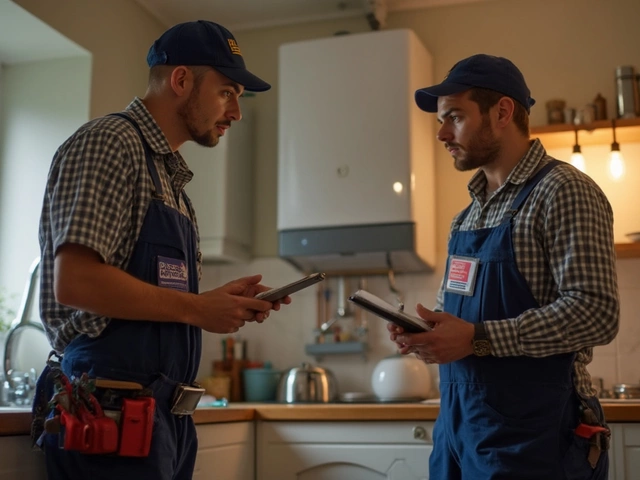
Wondering whether plumbers can fix your boiler? This article breaks down exactly what plumbers do, where their work overlaps with heating engineers, and when you need a specialist. You’ll get practical advice for dealing with boiler issues, tips for finding the right tradesperson, and a look at why gas safety credentials matter so much. There’s even a checklist for what to ask before hiring someone for your boiler job. Skip the confusion and figure out who to call, fast.