

Got a broken boiler, a leaky water heater, or a noisy extractor fan? You’re not alone. Most households face at least one of these problems each year, and the good news is you don’t always need to wait for a call‑out. Below you’ll find straightforward, DIY‑friendly advice that helps you spot trouble early, do simple fixes, and know when to call a pro.
Every appliance has its own set of warning signs. For boilers, listen for strange rattles, watch for a sudden loss of heat, and check the pressure gauge – anything below 1 bar is a sign something’s off. Water heaters give up on you when the water isn’t hot enough, the unit makes popping noises, or you notice rust‑colored water. Those are the moments you should flush the tank, clear sediment, and test the thermostat.
Heat pumps, whether air‑source or ground‑source, have a lifespan that’s heavily affected by how you treat them. Keep filters clean, schedule an annual professional service, and clear any vegetation that might block airflow. A well‑maintained heat pump can easily last 15‑20 years in the UK climate.
When an extractor fan stops working, the first step is the simplest – check that it’s still getting power. Look at the switch, the circuit breaker, and any visible wiring. If power’s fine, remove the fan cover and give the blades a good clean; grease and dust often cause motor strain. Should the motor still feel hot or make a whining sound, a quick bearing replacement can save you from buying a whole new unit.
For a water heater that won’t heat, start by inspecting the heating element. Unscrew the access panel, test the element with a multimeter, and replace if you see zero resistance. If the element is fine, the thermostat might be faulty – swapping it out is usually a 15‑minute job with the right screwdriver.
Boiler emergencies are a different beast. If you’re without heating on a freezing night, turn off the boiler immediately to avoid damage, then locate the emergency shut‑off valve. Keep a portable electric heater handy while you arrange a repair. In many cases, a leaky pressure valve or a stuck pump can be cleared with a bit of lubricant and a reset.
Remember, regular maintenance beats emergency calls every time. A quick 10‑minute flush of your water heater each spring removes sediment that steals efficiency. A brief visual inspection of your heat pump’s outdoor unit each month catches debris before it clogs the coils. And a monthly wipe‑down of extractor fans keeps them humming quietly.
When you do need professional help, choose a local service that knows the Bognor Regis climate. Experienced technicians can diagnose problems faster, source the right parts, and ensure everything complies with UK safety regulations. They’ll also give you a clear repair‑or‑replace guide so you can decide what’s worth fixing and what isn’t.
Bottom line: a bit of attention now saves you a lot of hassle later. Keep an eye on pressure gauges, listen for odd sounds, and don’t ignore minor leaks. With these easy steps, your home’s heating, hot water, and ventilation will stay reliable year after year.
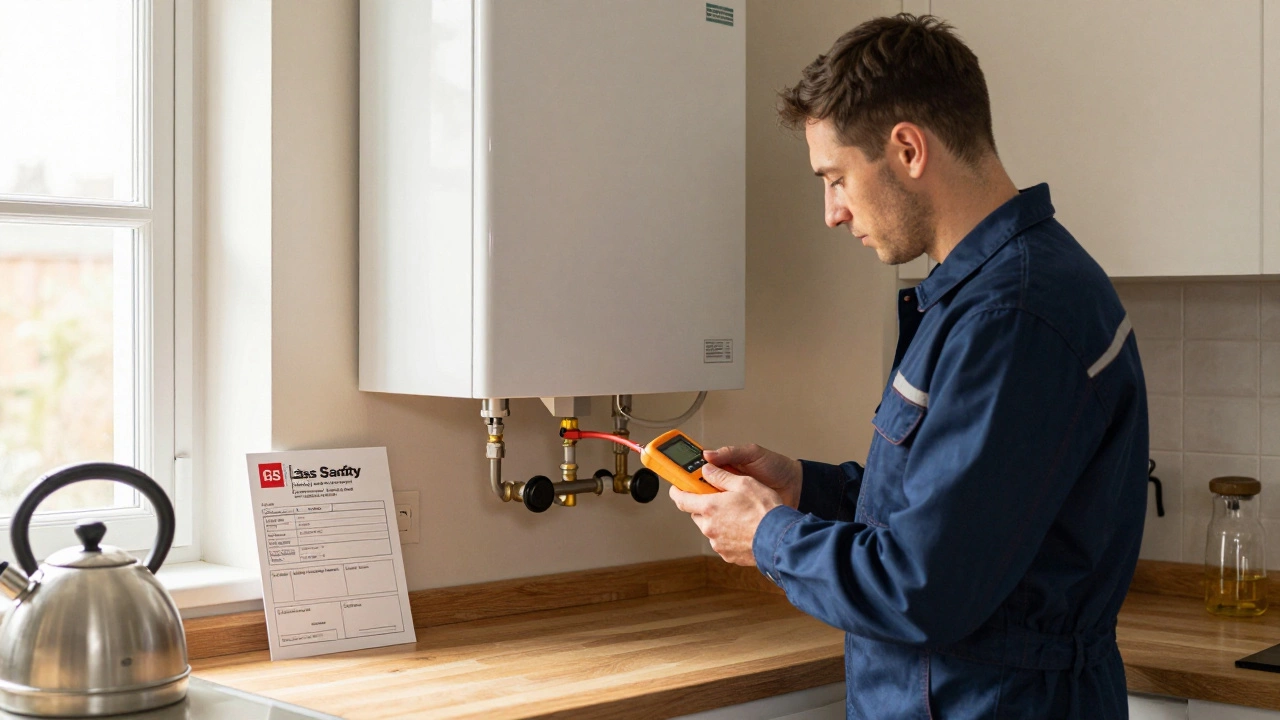
Gas appliances in the UK must be checked annually by a Gas Safe engineer to prevent deadly carbon monoxide leaks. Skipping checks risks health, safety, and legal penalties. Learn what happens during a service and how to stay safe.
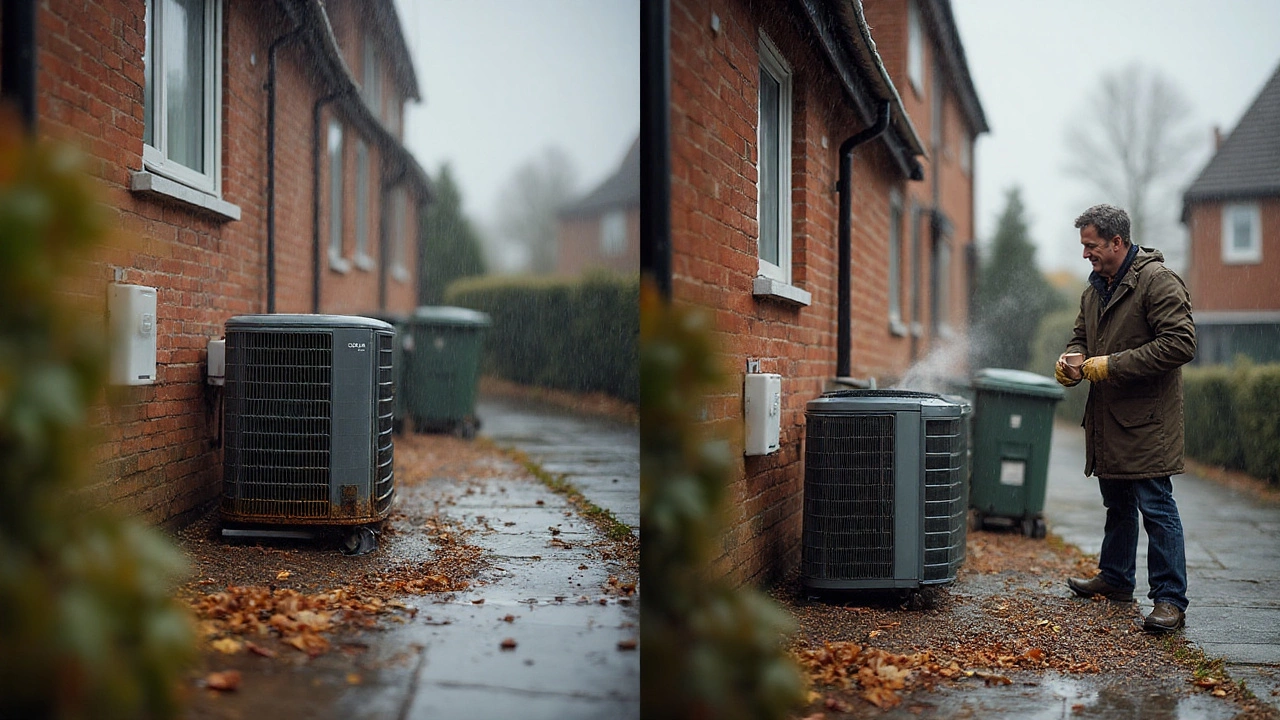
Real UK lifespan for air vs ground source heat pumps, what shortens or extends life, maintenance steps, and a simple repair-or-replace guide you can actually use.

Learn the warning signs of a failing water heater and get practical tips for repair and maintenance to prevent costly breakdowns and keep your hot water system running safely.

Wondering how long you can cope with a broken boiler? Get clear facts, repair timelines, survival tips, and legal details so you don’t get left in the cold.

Dealing with a lack of hot water can be incredibly frustrating, especially during colder months. This article provides step-by-step guidance to identify and fix common issues with water heaters, ensuring you can tackle minor problems yourself before calling a professional. By understanding the functionality and common problems associated with water heaters, you can save time, money, and avoid inconvenient cold showers.

A malfunctioning boiler can be a real nuisance, especially during the cold months. Understanding whether a broken boiler constitutes an emergency is crucial. This article provides insights into when to prioritize boiler repairs, potential risks associated with delayed attention, and essential DIY tips to consider before professional help arrives. Dive into valuable advice on maintaining your heating system efficiently.
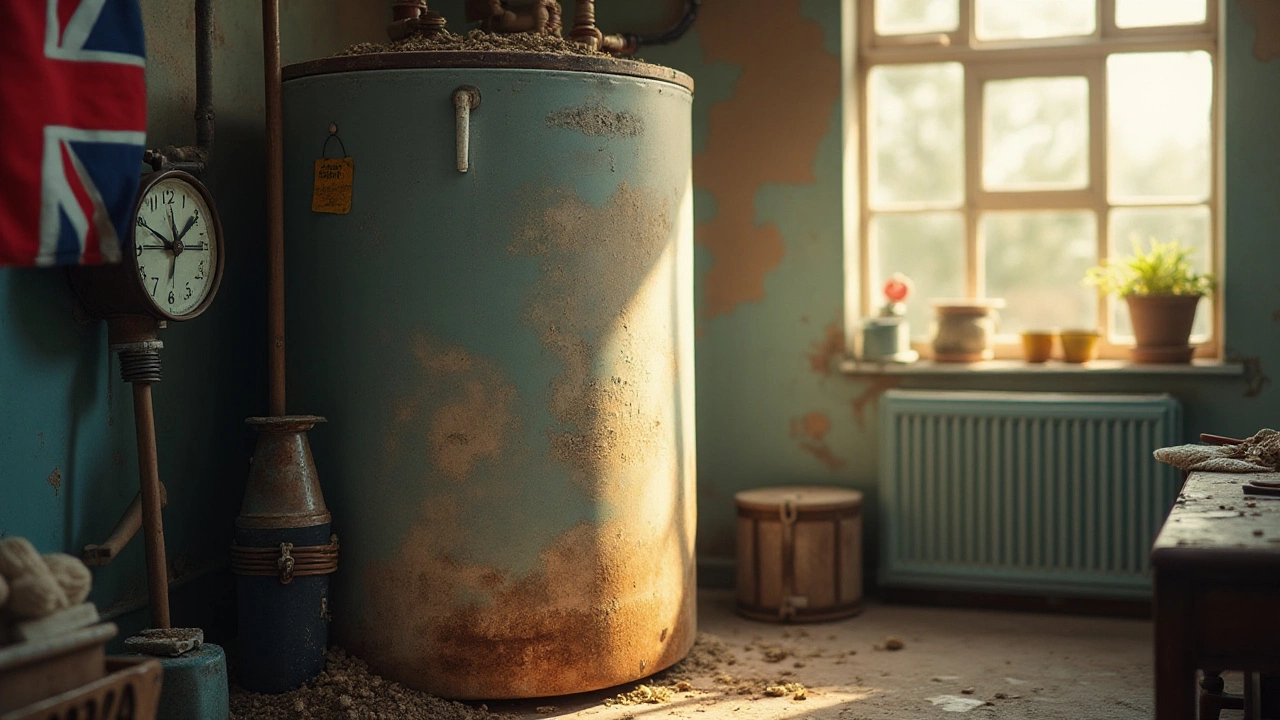
Neglecting to flush your water heater can lead to a host of issues, from inefficiency to full-blown malfunctions. Sediment buildup can decrease heating efficiency and even cause damage over time. This article explores what happens if you never flush your water heater, why regular maintenance is crucial, and how you can perform these tasks. Dive into practical advice and tips for maintaining a healthy water heating system.

Explore the practical steps in diagnosing and fixing common issues with kitchen extractor fans. Learn about the signs your fan might need repair, and gather essential maintenance tips to extend its life. Whether you're a DIY enthusiast or considering professional help, this guide provides valuable insights for restoring your kitchen ventilation system to optimal performance. Discover how regular upkeep can prevent costly replacements.

Extractor fans play a pivotal role in maintaining air quality in kitchens and bathrooms by expelling moisture, odors, and smoke. If your extractor fan suddenly stops working, it can lead to persistent humidity or unpleasant smells. This guide provides practical steps for diagnosing and fixing common issues that can cause an extractor fan to malfunction. From checking power supply and fuses to cleaning and replacing parts, understanding the intricacies can save you time and money. By following these steps, you can restore your extractor fan’s functionality and maintain a comfortable home environment.
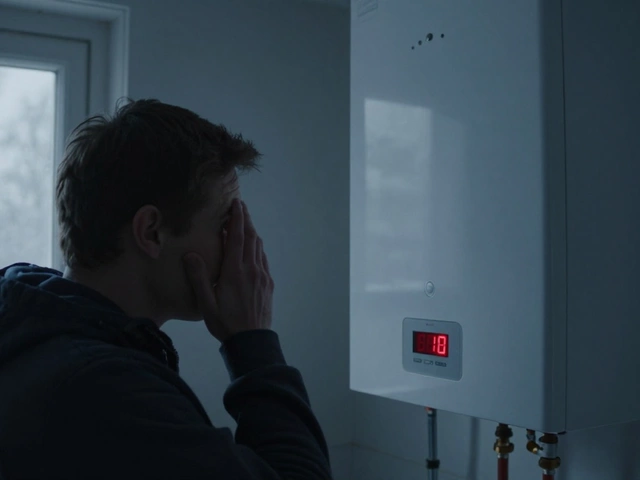
Is it worth repairing a 20-year-old boiler? Learn the costs of repair vs replacement, energy efficiency gains, and when to stop spending on old heating systems.

Learn how to tell if your cooker is broken by checking power, error codes, and symptoms like uneven heating or gas smells. Get practical tips for DIY fixes and know when to call a professional.

Searching for a trusty electric oven can make a big difference in your cooking experience and lessen repair issues. This article uncovers the top-performing brands known for reliable electric ovens, sharing insights on what makes these brands stand out. From innovative features to energy efficiency, you'll learn tips on choosing the right oven and maintaining it for long-lasting use. Whether you're shopping for a new appliance or fixing an old one, this guide shines a light on the best options available today.

Repairing a glass hob is an essential task for maintaining a functional and modern kitchen. The cost of fixing a glass hob can vary greatly depending on the damage's severity and the required repair type. This article delves into the various factors influencing repair costs, from crack treatment to replacement solutions. It also provides tips for maintenance to prolong the lifespan of your hob and prevent future damage.

Discover what causes heat pumps to break down, the warning signs, and how to keep yours running smoothly with practical tips for any homeowner.