Gas Safety Check Reminder
Your Gas Safety Check Calculator
This tool calculates when your next gas appliance safety check is due based on your last check date. Remember: in the UK, all gas appliances must be checked every 12 months by a Gas Safe registered engineer.
Important Safety Notes
Overdue check? ⚠️ If your check is overdue, turn off your gas supply immediately and contact a Gas Safe registered engineer. Carbon monoxide poisoning is silent but deadly.
Don't wait for symptoms Carbon monoxide poisoning can occur without warning. Install a carbon monoxide alarm in any room with gas appliances.
Gas appliances power most UK homes - boilers, cookers, ovens, and fires. But if they’re not checked regularly, they can turn dangerous. A faulty gas appliance doesn’t just stop working. It can leak gas, produce deadly carbon monoxide, or even explode. So how often should gas appliances be checked? The answer isn’t vague. It’s clear, it’s legal, and it could save your life.
Every year - that’s the rule
In the UK, gas appliances must be checked once every 12 months by a Gas Safe registered engineer. This isn’t a suggestion. It’s the law for landlords, and it’s the smartest thing homeowners can do. The Gas Safe Register, backed by the Health and Safety Executive, requires annual inspections for all gas boilers, water heaters, cookers, and fires. Skip it, and you’re risking your family’s health - and possibly breaking the law if you rent out your property.
Why yearly? Because gas systems wear down. Flexible hoses crack. Burners get clogged. Valves stick. Even if your boiler seems fine, a small leak or inefficient burn can build up carbon monoxide - a silent, odorless killer. In 2024, the Health and Safety Executive reported over 1,200 cases of carbon monoxide poisoning linked to faulty gas appliances in England and Wales alone. Most of these could’ve been prevented with a simple annual check.
What happens during a gas appliance check?
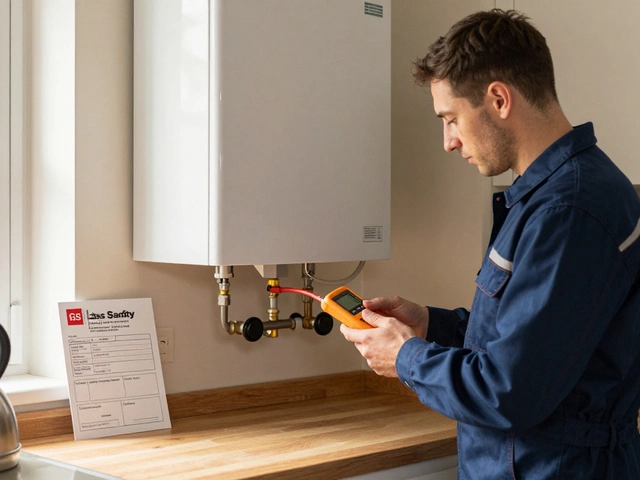
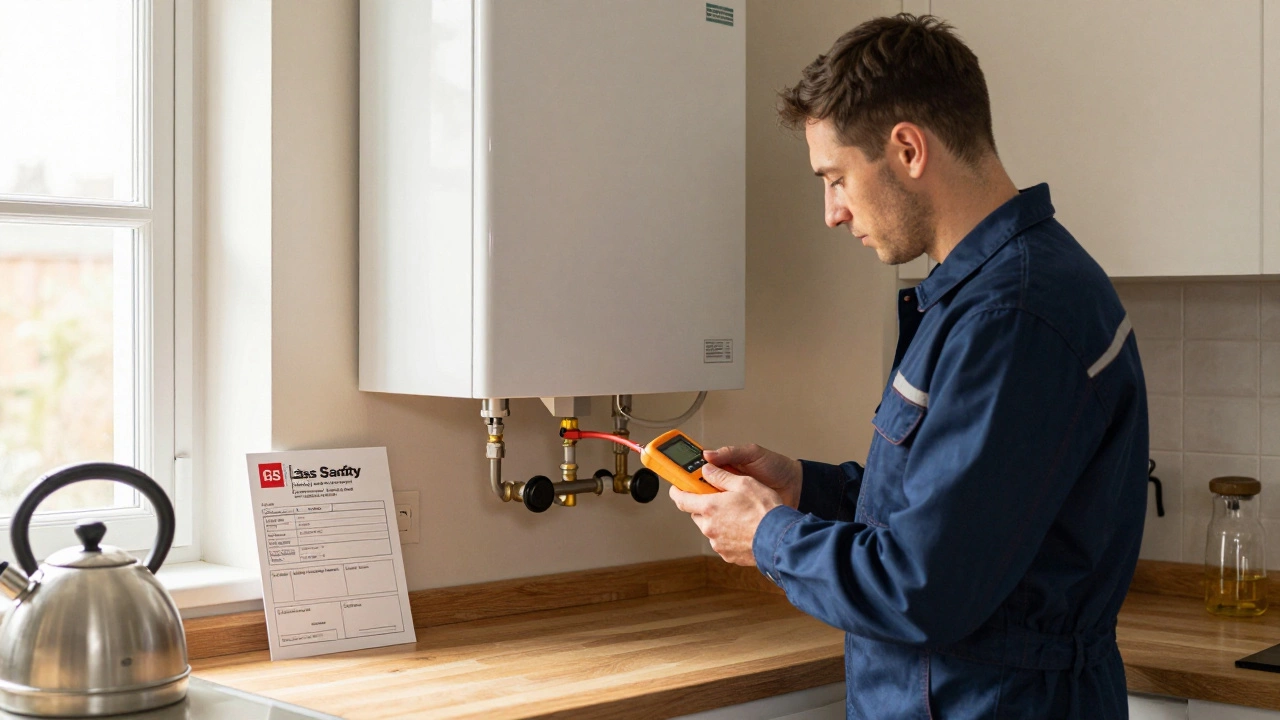
A Gas Safe engineer doesn’t just look at the appliance. They run a full safety and performance test. Here’s what’s covered:
- Gas pressure and flow rates - too high or too low can cause dangerous combustion
- Flue and ventilation - blocked flues trap carbon monoxide inside your home
- Seals, hoses, and connections - even a tiny leak can be deadly
- Burner condition - soot, rust, or uneven flames mean incomplete burning
- Carbon monoxide levels - they test the air around the appliance with a meter
- Appliance labeling - confirming it’s Gas Safe registered and not recalled
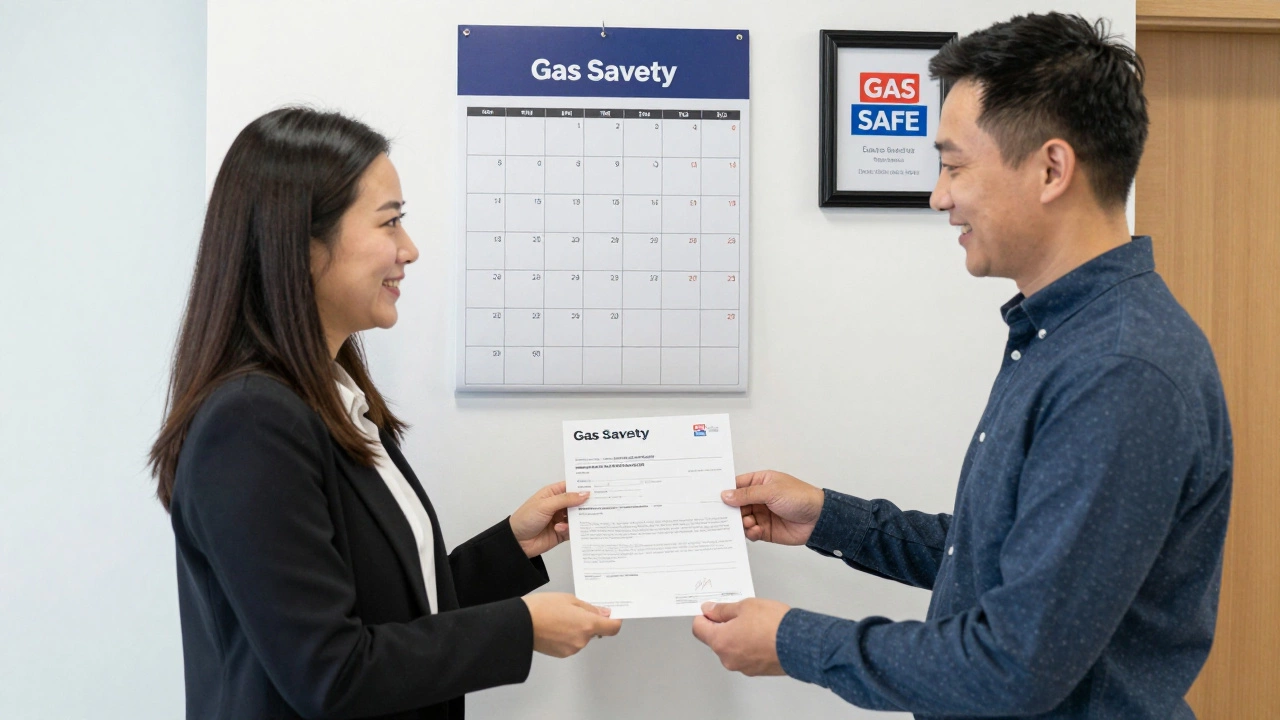
After the check, you get a Gas Safety Record. Keep it. Landlords must give a copy to tenants within 28 days. Homeowners should store it with other home maintenance records. If you ever sell your house, this document proves you’ve kept your gas systems safe.
Don’t wait for symptoms
People often think: “My boiler’s working fine, why check it?” But gas leaks don’t always make noise. Carbon monoxide doesn’t smell like rotten eggs - that’s gas, not CO. CO poisoning symptoms are easy to mistake:
- Headaches that come and go
- Dizziness or nausea, especially in the morning
- Fatigue that doesn’t go away
- Confusion or memory problems
- Pets acting sick or dying suddenly
If you notice any of these, open windows, turn off the gas if safe, and get out. Call the National Gas Emergency Service on 0800 111 999. But don’t wait for symptoms. Annual checks catch problems before they become emergencies.

What about new appliances?
Even brand-new gas appliances need an annual check. Installation isn’t maintenance. A new boiler might come with a 10-year warranty, but that only covers manufacturing defects. It doesn’t protect against wear, corrosion, or blocked flues. Many manufacturers require an annual service to keep the warranty valid. Skip it, and you could lose coverage on a £3,000 appliance.
Landlords: you’re legally required
If you rent out property, you must have a Gas Safety Certificate every year. This isn’t optional. Failure to comply can lead to fines up to £5,000 per appliance or even jail time in extreme cases. Tenants must be given a copy before they move in - and another within 28 days of the annual check. Keep records for at least two years.
Many landlords use managed services that send automatic reminders. If you’re a landlord and you don’t have a system, start one now. A missed check isn’t just risky - it’s a legal time bomb.
What if you can’t afford it?
Annual gas checks cost between £60 and £100 in the UK. That’s less than £5 a month. But if money’s tight, help exists. Some local councils offer grants for vulnerable households. The Warm Home Discount scheme may cover gas safety checks for those on low income or receiving certain benefits. Energy companies like British Gas, EDF, and Octopus sometimes run free safety checks for pensioners or those on qualifying benefits. Call your supplier and ask.
Don’t let cost stop you. A single carbon monoxide incident can cost hundreds of thousands in medical bills, property damage, or worse. The price of a check is nothing compared to the price of ignoring it.
Other tips for gas safety
- Install a carbon monoxide alarm - they’re cheap (£15-£30) and required by law in rental properties
- Never cover gas appliances - even with towels or laundry
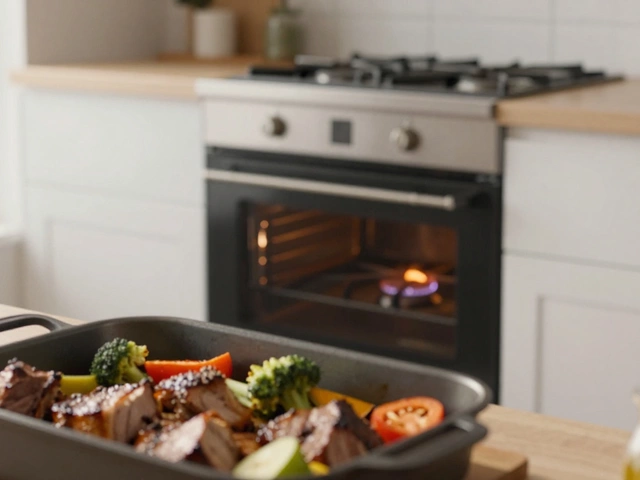
- Watch for yellow or orange flames - a healthy gas flame should be blue
- Don’t use gas appliances if you smell gas - turn off the supply and call 0800 111 999 immediately
- Keep vents clear - blocked ventilation is one of the top causes of CO buildup
Also, never let an unqualified person touch your gas system. Even plumbers without Gas Safe registration can’t legally work on gas. Check the register at gassaferegister.co.uk before anyone arrives. Type in their name or business - if they’re not listed, walk away.
When to call immediately
You don’t need to wait for your annual check if you notice:
- The smell of gas (like rotten eggs)
- Black soot around appliances
- A pilot light that won’t stay lit
- Excessive condensation on windows near gas units
- A hissing or whistling sound from pipes
Call the National Gas Emergency Service on 0800 111 999. Don’t use phones, switches, or electronics near the leak. Open doors and windows. Get everyone out. Wait outside until help arrives.
Final reminder
Gas appliances are reliable - until they aren’t. An annual check takes less than an hour. It costs less than a weekend takeaway. And it prevents the kind of tragedy that makes headlines. Don’t assume your boiler is fine. Don’t wait for a warning. Don’t let a missed check become a funeral notice. Set a calendar reminder. Book your engineer. Stay safe.
How often should gas appliances be checked in the UK?
Gas appliances in the UK must be checked every 12 months by a Gas Safe registered engineer. This is a legal requirement for landlords and strongly recommended for homeowners. Annual checks prevent gas leaks and carbon monoxide poisoning, which can be fatal.
Can I check my own gas appliances?
No. Only Gas Safe registered engineers are legally allowed to inspect, service, or repair gas appliances. Even if you’re experienced with plumbing or electrical work, gas systems require specific training and certification. Attempting to check them yourself is dangerous and illegal.
Do I need a gas safety certificate if I own my home?
Homeowners aren’t legally required to have a gas safety certificate, but it’s strongly advised. The certificate proves your appliances have been checked and are safe. It’s also useful if you sell your home or make an insurance claim after an incident. Most insurers expect proof of annual servicing.
What happens if I don’t get my gas appliances checked?
If you’re a landlord, you could face fines up to £5,000 per appliance or criminal prosecution. For homeowners, the risk is health and safety: carbon monoxide poisoning, gas leaks, or explosions. Even if your appliances seem fine, hidden faults can develop. Skipping checks increases the chance of a life-threatening incident.
Are carbon monoxide alarms required by law?
Yes, in rental properties across England, carbon monoxide alarms are legally required in rooms with solid fuel appliances like wood-burning stoves. For gas appliances, it’s not yet mandatory, but it’s strongly recommended. The government advises installing alarms in any room with a gas appliance. They cost under £30 and can save lives.