

If your extractor fan has gone silent, you’re probably dealing with stale air, lingering smells, and a damp mess that just won’t quit. The good news? Most fan failures are easy to spot and fix, and you don’t always need a pricey call‑out. Below we’ll walk through the usual culprits, quick DIY checks, and the clear signs that it’s time to bring in a pro – especially if you live in Bognor Regis and want the job done right the first time.
First, let’s rule out the low‑hanging fruit. A fan that won’t spin is often just a power issue. Check the circuit breaker or fuse box – a tripped breaker is the simplest fix. If the fan still stays dead, look at the power cord and switch. Loose connections or a worn switch can cut electricity before it even reaches the motor.
Next up is the motor itself. Over time, dust and humidity can cause the motor bearings to seize. You’ll hear a faint hum or feel a slight vibration if the motor is alive but jammed. A quick clean‑out of the fan housing, removing built‑up grease and lint, can free a stuck motor. Just be sure to turn off the power at the fuse box before you start.
Another frequent offender is a blocked vent. Kitchen fans pull in steam and grease; bathroom fans trap humidity. If the ductwork is clogged with debris or the vent cap is blocked by nests or leaves, airflow stops and the fan appears broken. Detach the duct, clear any blockage, and snap the vent cover back in place.
Lastly, some fans have built‑in humidity sensors that shut the unit off when they fail. If your fan stops randomly and you’ve ruled out power and blockage, it could be a faulty sensor or control board. Those parts usually need a professional’s touch.
DIY can solve most simple problems, but there are clear moments when you should call the experts. If you’ve checked the breaker, cleaned the housing, cleared the duct, and the fan still won’t run, the motor or wiring may be damaged. Trying to replace a motor yourself without the right tools can lead to electrical hazards or further damage.
Also, if the fan is hard‑wired into your home’s electrical system, you’ll need a qualified electrician. In Bognor Regis, our technicians are fully insured and know the local building codes. They’ll safely disconnect power, replace faulty parts, and test the fan to make sure it’s running at peak efficiency.
Another red flag is unusual noises – grinding, rattling, or a high‑pitched squeal. Those sounds often mean internal components are worn out. A professional can diagnose the exact cause, order the correct replacement, and avoid the guesswork that can cost you more in the long run.
When you call us, we’ll arrive on time, explain what went wrong in plain English, and give you a clear quote before any work begins. Our goal is to get your fan back up so you can enjoy a fresh, dry space without waiting weeks for a repair.
In short, start with the easy checks – power, switch, clean the fan, clear the vent. If those steps don’t bring your fan back to life, skip the risky DIY and let a local Bognor Regis expert handle the job. A functioning extractor fan not only keeps your home smelling great but also prevents costly moisture damage down the line.

Learn how to replace a kitchen extractor fan motor safely. This step-by-step guide covers diagnosis, tool preparation, removal, and installation tips for DIY enthusiasts.
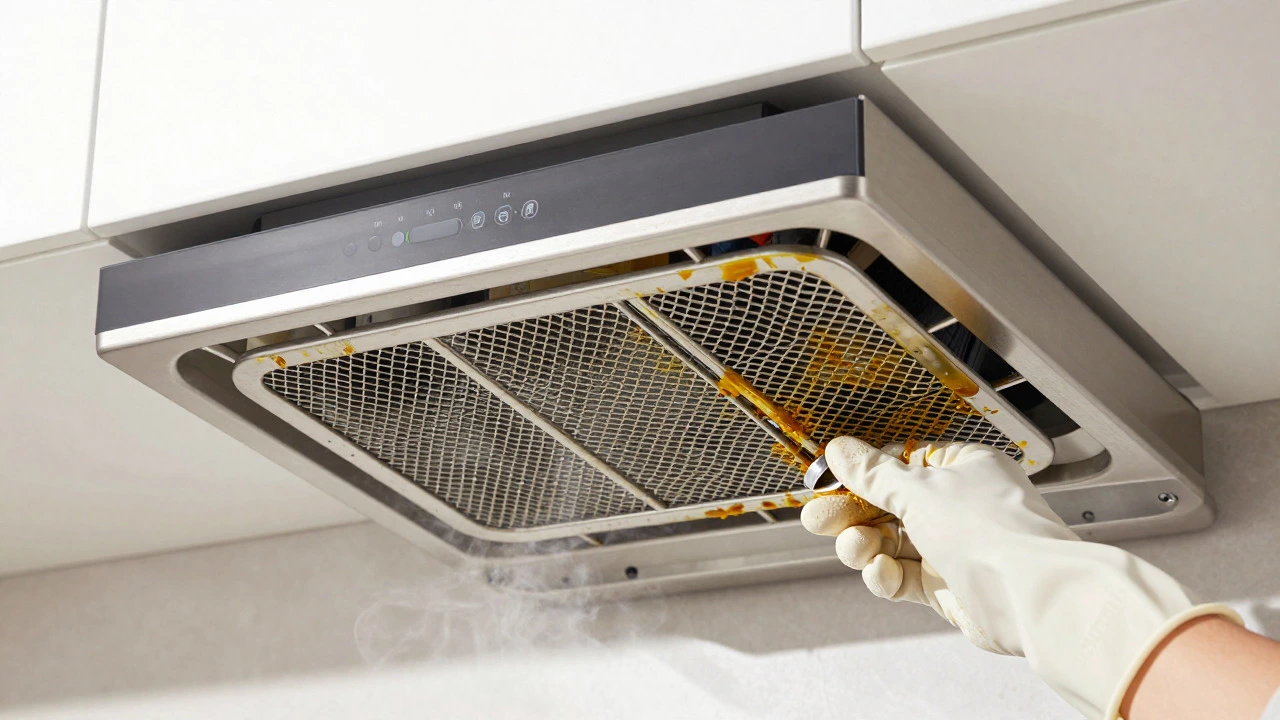
Learn how to troubleshoot a broken extractor fan step-by-step. From cleaning filters to testing capacitors, this guide helps you fix common issues like weak suction, humming noises, and complete failure safely.

Discover why kitchen extractor fans stop working and how to fix them. From clogged filters to motor failures, learn practical troubleshooting steps to restore airflow and avoid costly repairs.
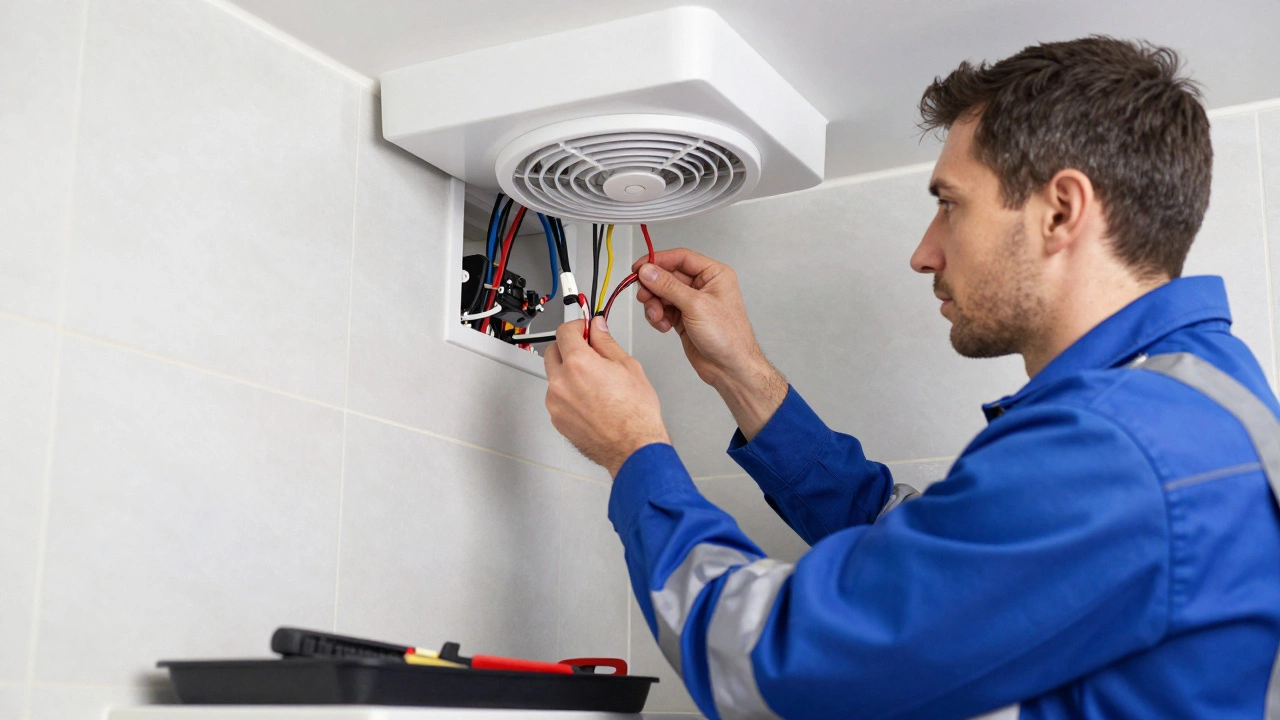
Discover which tradesperson fits an extractor fan. Learn when to hire an electrician vs. a plumber for safe, compliant UK installations.
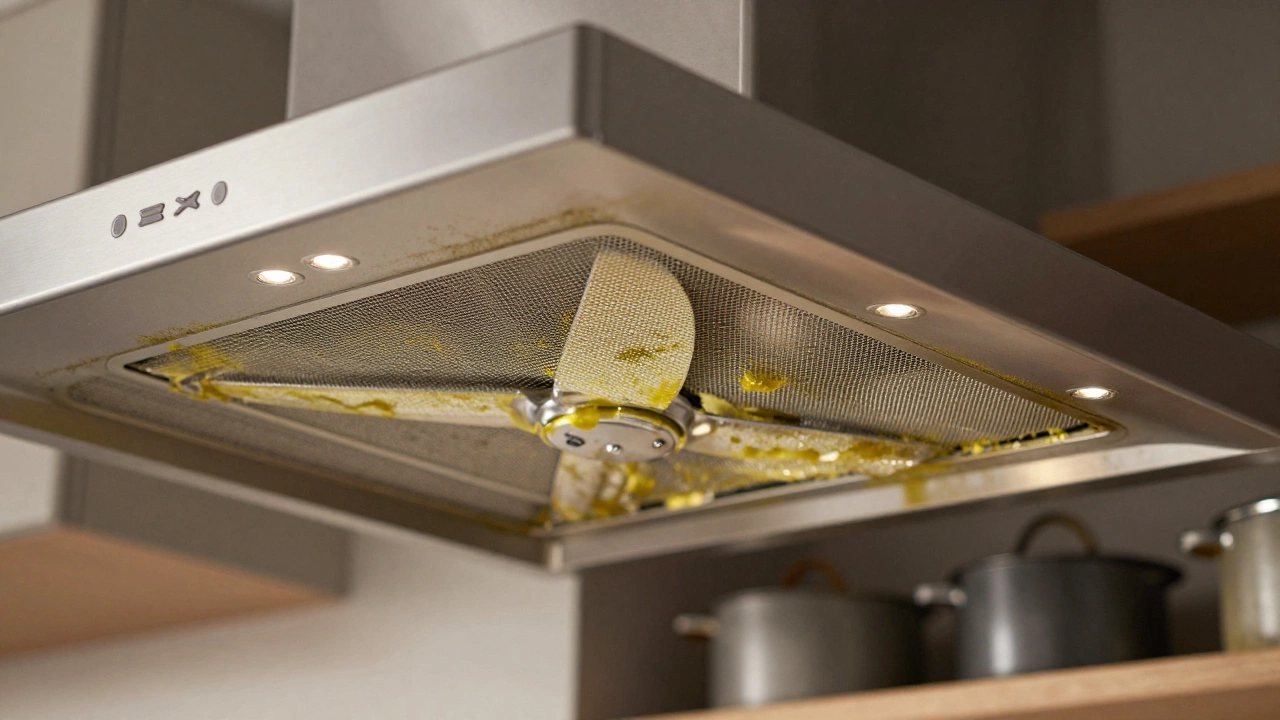
Discover if extractor fans wear out and learn their average lifespan. Identify signs of failure like noise and reduced airflow, and find out when to repair or replace your unit.

Discover how long extractor fans last, signs of failure, and when to repair vs replace. Expert tips for extending lifespan and maintaining kitchen/bathroom ventilation.
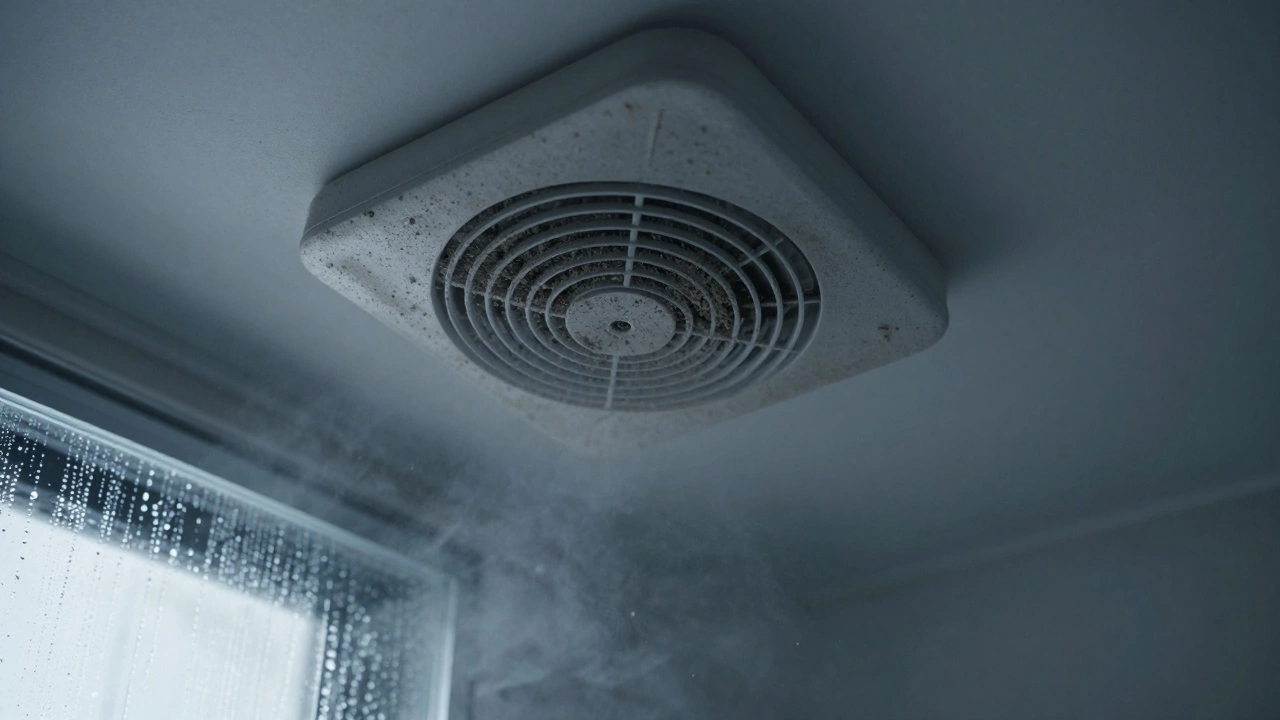
Learn how to service a bathroom extractor fan with this step-by-step guide. Discover essential tools, safety tips, and cleaning techniques to restore airflow and prevent mold.
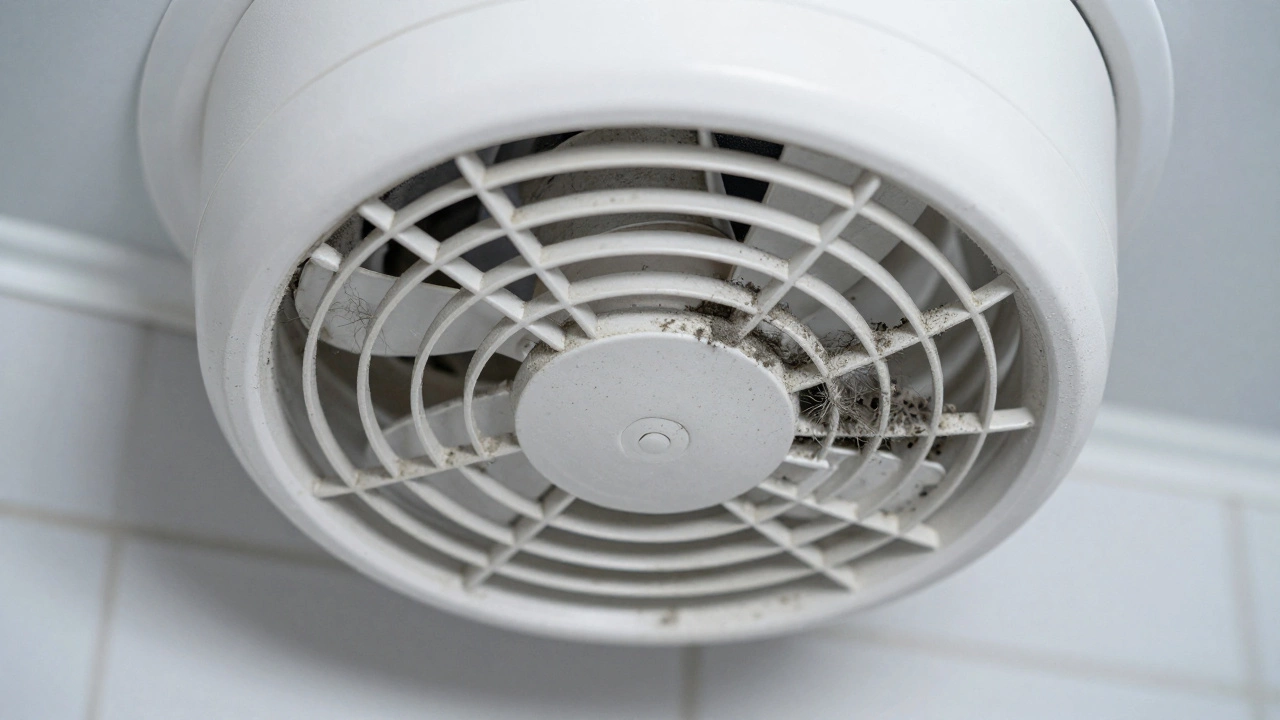
Learn how to properly service your bathroom extractor fan with this easy step-by-step guide. Discover cleaning tips, troubleshooting tricks, and when to call a pro.
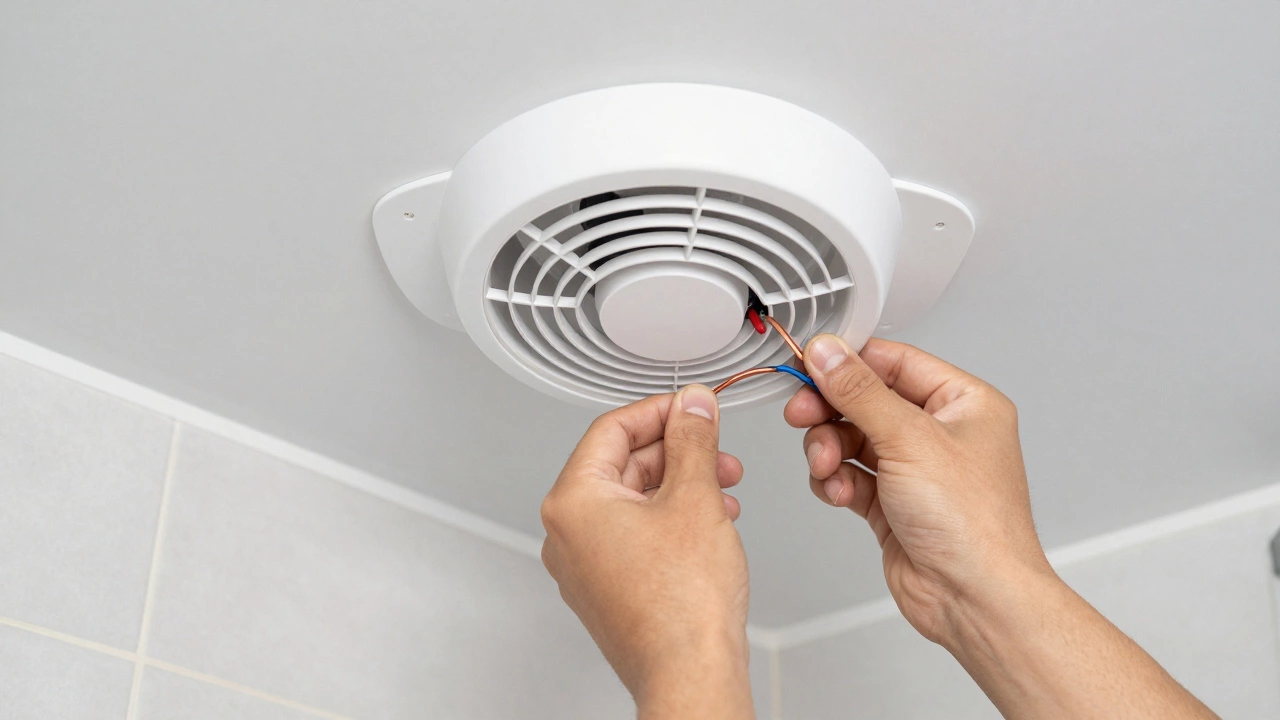
Wondering who should install your extractor fan? Learn when to hire an electrician, HVAC tech, or handyman for safe and efficient ventilation installation.

Replacing a bathroom extractor fan is often a simple DIY job that prevents mold and moisture damage. With the right tools and a little care, most homeowners can do it in under two hours. Learn how, what to buy, and when to call a pro.
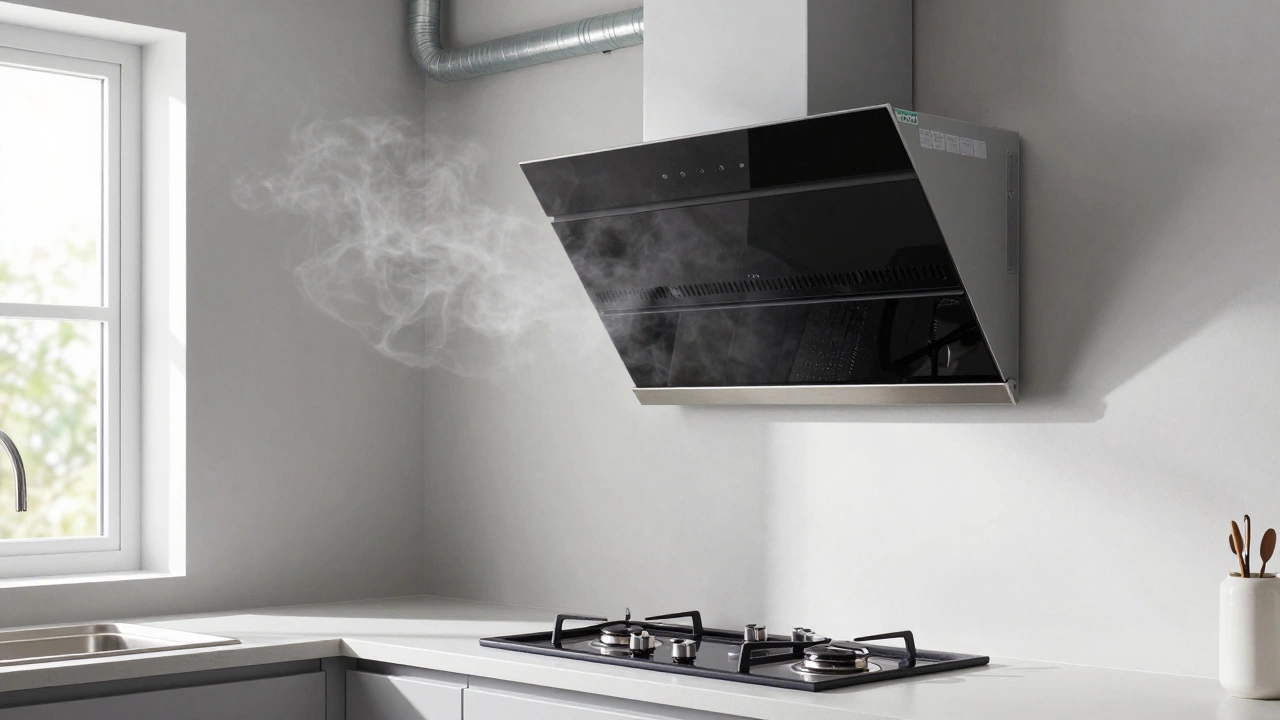
In the UK, you legally need an extractor fan in your kitchen if you have a gas hob or have done major renovations since 2006. Learn what the regulations require and why skipping it could cost you more than installing one.
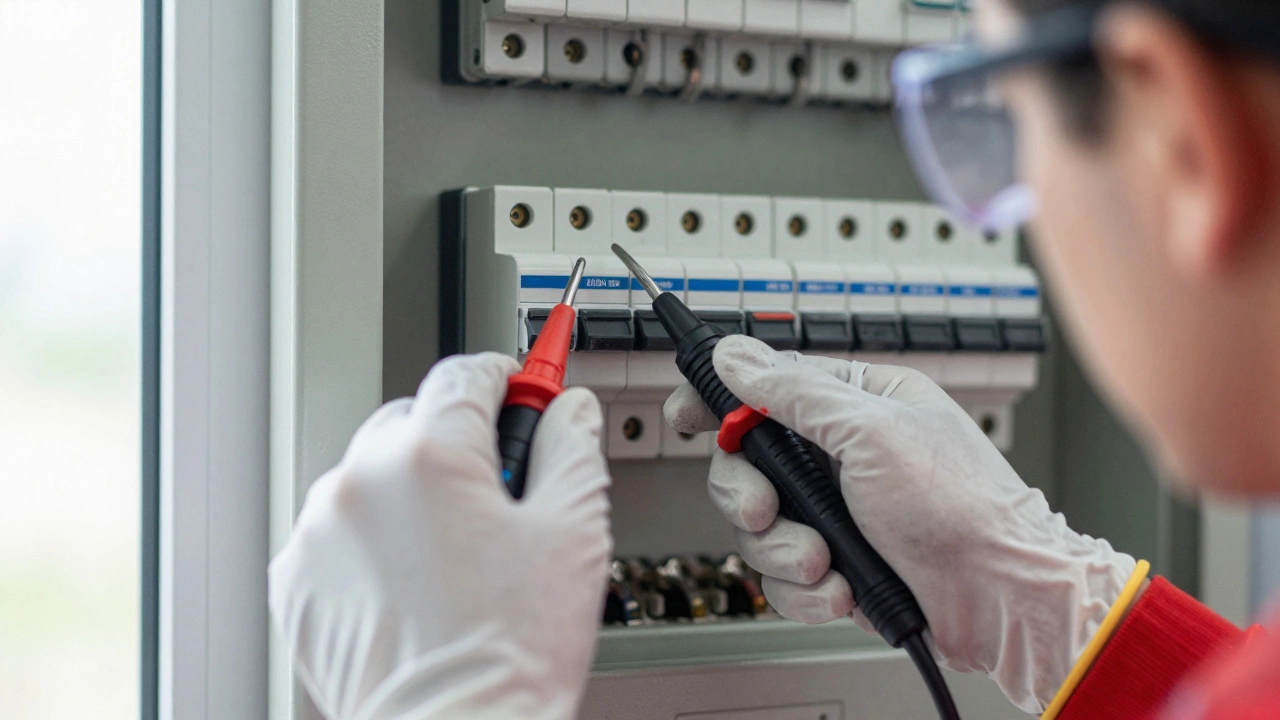
Learn how to safely clean your extractor fan motor to improve airflow, reduce odors, and prevent costly repairs. This guide covers safety steps, tools needed, and step-by-step instructions for a thorough clean.

In the business world, appliances aren't just about the gadgets in your kitchen; they're tools and strategies central to operations. From simplifying daily tasks to enhancing efficiency, appliances play pivotal roles in various business aspects. Understanding their function means knowing how technology, devices, and smart systems integrate into business to drive productivity. Delving into real-life examples, this article provides insights and tips on leveraging appliances effectively.

Want to know how much Geek Squad at Best Buy will charge for fixing your laptop? This article breaks down their pricing and services, so you know exactly what to expect before you hand over your device. You'll learn what affects the cost, whether a protection plan is worth it, and get the lowdown on real-life repair scenarios. Plus, there are tips to help you save some cash or avoid common headaches. No tech jargon or fancy lingo—just straight answers.
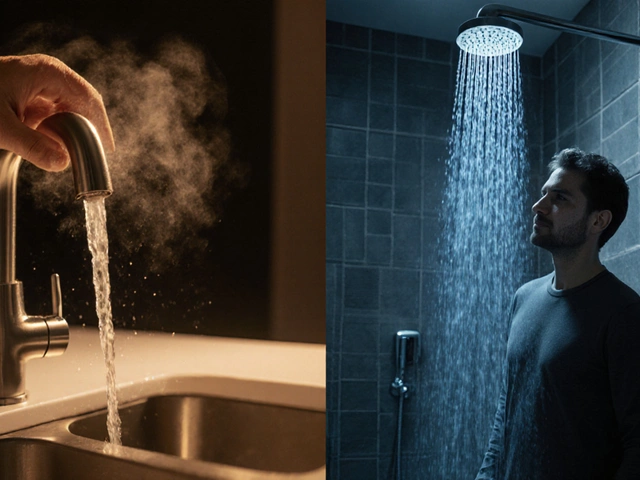
Discover why hot water reaches your sink but not the shower, learn the common causes, DIY fixes, and when to call a plumber for a reliable solution.
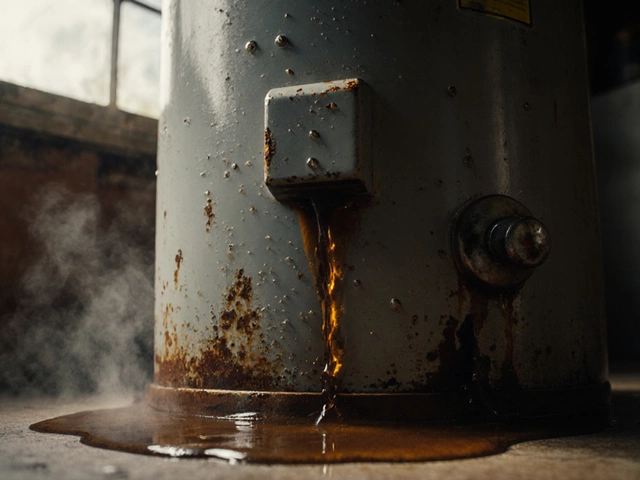
Most water heaters fail due to tank corrosion, heating element burnout, or sediment buildup. Learn the top failure points and how to spot them early to avoid costly repairs or floods.

Ever got frustrated with cold showers while waiting for your hot water heater to get fixed? This article breaks down how long it really takes to repair different types of water heaters, from common issues you can fix yourself to problems that call for a pro. You'll learn what affects the repair timeline, plus some quick tips to speed things up. No more second-guessing if you’ll be stuck with icy water all day. Get the facts so you can plan around your next repair.