Extractor Fan Installation Guide & Cost Estimator
Project Details
Quick Facts
- Safety Part P regulations apply to fixed electrical appliances in bathrooms.
- Efficiency Long duct runs require larger pipes (125mm) to maintain suction.
- Risk Poor sealing leads to drafts, pests, and moisture damage.
Installation Analysis
Estimated Total Cost:
*Estimates based on average UK market rates. Prices vary by region and complexity.
That damp smell in your bathroom or the grease buildup on your kitchen walls isn’t just annoying-it’s a sign your ventilation is failing. You’ve bought a new extractor fan to fix it, but now you’re stuck with a bigger question: who actually installs this thing? Do you call the guy who fixed your leaking tap, or the one who wired your lights?
The short answer is that it depends entirely on where the fan goes and how it connects to your home’s systems. In the UK, installing an extractor fan involves two distinct disciplines: electrical work and ducting (plumbing). Getting the wrong tradesperson can lead to poor performance, safety hazards, or even violations of building regulations.
The Electrical Connection: Why You Need a Qualified Electrician
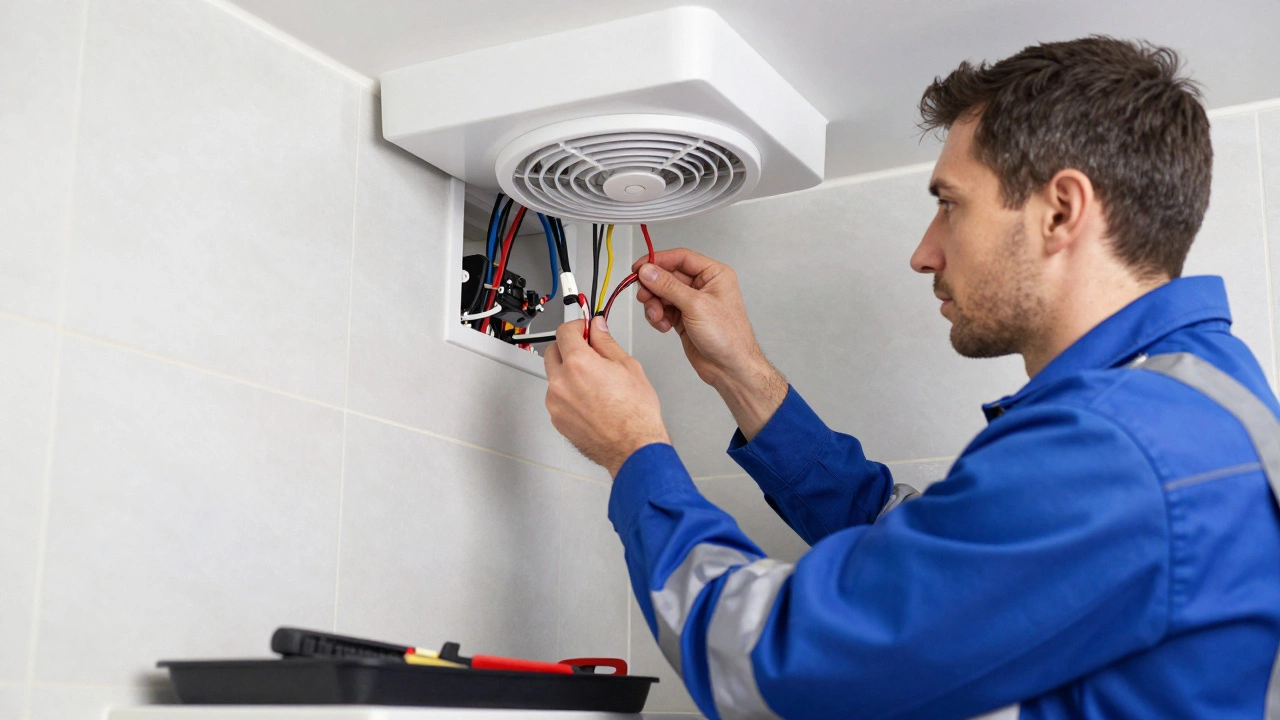
If your extractor fan plugs into a standard socket, you might think you can skip the professional. But most hardwired fans require a direct connection to your consumer unit (fuse box). This is where a qualified electrician becomes essential.
In the UK, Part P of the Building Regulations covers electrical safety in dwellings. While minor repairs like replacing a switch are often exempt, installing a new circuit or connecting a fixed appliance in a special location-like a bathroom or kitchen-is not. Bathrooms are divided into zones based on proximity to water sources. Zone 1 and Zone 2 installations require strict adherence to safety standards to prevent electrocution risks.
- Bathroom Fans: Often connected to the lighting circuit or a dedicated spur. If the existing wiring is old or insufficient, an electrician must upgrade the cable run.
- Kitchen Fans: High-power cooker hoods may require a dedicated 13-amp or 16-amp circuit due to high current draw.
- Timers and Humidity Sensors: Modern fans often include smart features. These need precise wiring to function correctly without tripping breakers.
An unqualified person attempting this work risks fire hazards from loose connections or overloaded circuits. Always look for an electrician registered with NICEIC, NAPIT, or ELECSA. They can provide a Minor Works Certificate, proving the installation meets legal standards.
The Ducting Path: The Role of Plumbers and Carpenters
Wiring the fan is only half the battle. An extractor fan needs to push air somewhere. That “somewhere” is usually outside your home through a wall or roof. This is where the physical installation comes in, and it’s rarely a job for an electrician alone.
You might assume a plumber handles this because they deal with pipes. And while plumbers do install waste pipes, they aren’t always the best fit for ventilation ducting. However, many general maintenance plumbers are skilled in cutting holes in walls and sealing them properly. For complex roof penetrations, a roofer or carpenter might be more appropriate.
The key task here is creating a clear, straight path for the air. If the duct bends too sharply or is too long, the fan will struggle, making noise and losing efficiency. A tradesperson needs to:
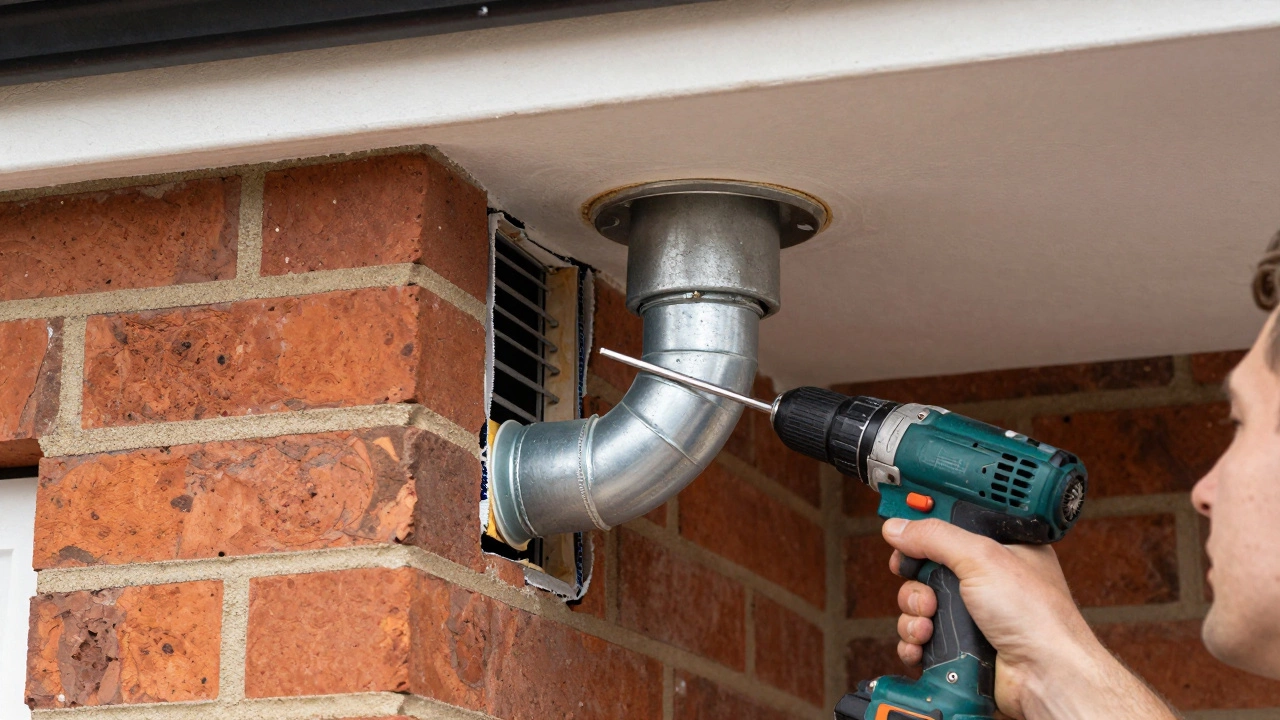
- Cut a precise hole in the external wall or roof tile.
- Install the grille and backplate securely to prevent drafts and pests.
- Seal all gaps with waterproof silicone to stop rain ingress.
- Ensure the ductwork is insulated if it passes through unheated spaces like lofts.
A poorly sealed duct can let cold air into your home, increasing heating bills. It can also allow birds or rodents to nest inside your ventilation system, causing blockages and hygiene issues.
DIY Installation: What Can You Legally Do Yourself?
If you’re handy with tools, you might want to save money by doing it yourself. In England and Wales, homeowners are allowed to carry out their own electrical work in their own homes, provided it complies with Part P. However, you must notify your local building control authority within 30 days, or use a competent person scheme installer who notifies on your behalf.
For non-electrical parts, DIY is generally acceptable if you have the right skills. Drilling through a brick wall is manageable with a hammer drill. Sealing the duct requires patience and good quality sealant. But ask yourself: do you have the ladder access? Do you know how to identify live wires? If the answer is no, hiring a pro is cheaper than fixing a mistake later.
In Scotland and Northern Ireland, regulations differ slightly. Scotland requires all electrical work to be notified, regardless of who does it. Always check local council guidelines before starting any project.
Comparison: Who Should You Hire?
| Tradesperson | Primary Responsibility | When to Hire | Approximate Cost (UK) |
|---|---|---|---|
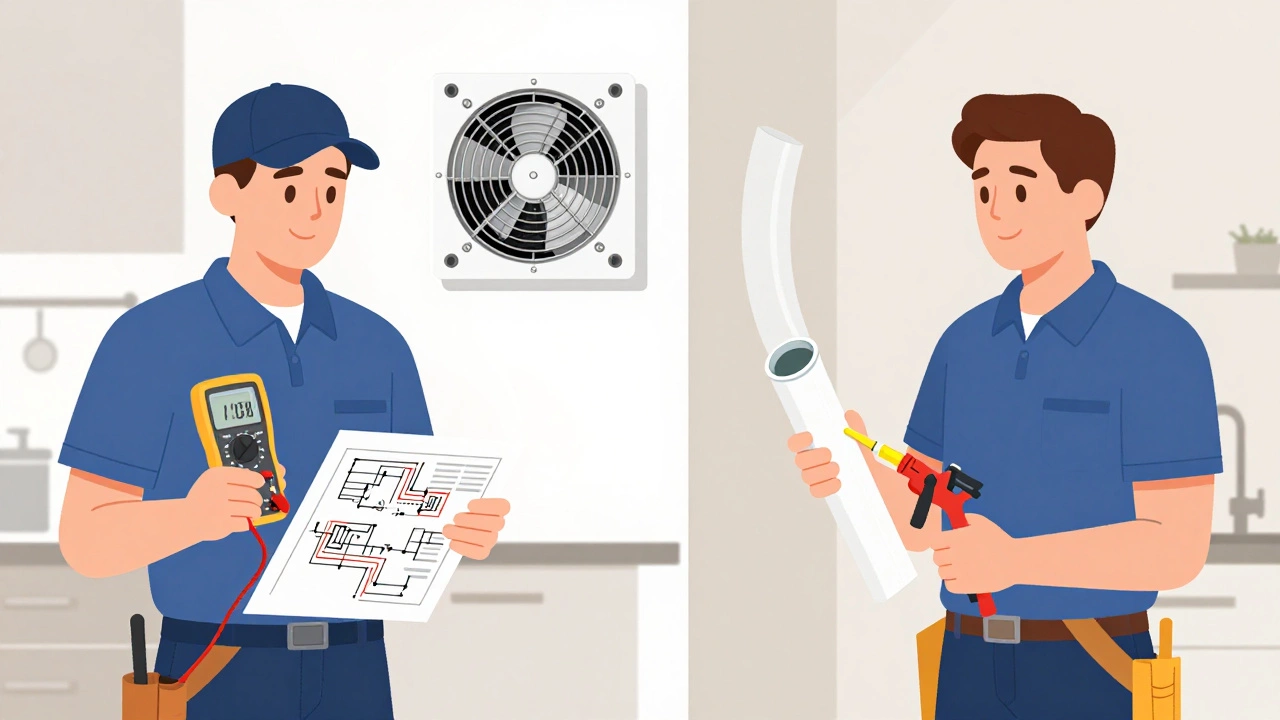
| Electrician | Wiring, circuit integration, safety compliance | New circuits, bathroom zones, smart controls | £150 - £300 per visit |
| Plumber/Multi-Trader | Ducting, wall cutting, sealing | External venting, roof penetration, basic mounting | £100 - £250 per job |
| Carpenter/Roofer | Roof modifications, timber framing | Flat roofs, slate/tile removal, structural adjustments | £200 - £400 per job |
Common Pitfalls to Avoid During Installation
Even professionals make mistakes. Knowing what to watch out for helps you manage the job effectively.
Ignoring Airflow Resistance: Every bend in the duct reduces airflow. Aim for a straight run. If you must bend, use large-radius elbows rather than sharp 90-degree turns. Long duct runs (over 3 meters) require larger diameter pipes (125mm instead of 100mm) to maintain suction.
Incorrect Grille Placement: The external grille should face away from prevailing winds. If wind blows directly into the intake, it can reverse the fan’s operation or cause whistling noises. Also, ensure the grille is at least 300mm away from windows or air intakes to prevent recirculation of stale air.
Skipping the Condensate Trap: In bathrooms, warm moist air hitting a cold duct can condense. This water drips back into the fan motor, causing corrosion. Install a condensate trap-a simple U-bend in the duct-to catch this moisture.
Maintenance Tips After Installation
Once your fan is installed, don’t forget about it. A clogged filter or greasy impeller can reduce efficiency by up to 50% within a year. Clean kitchen fan filters monthly by soaking them in hot soapy water. Bathroom fans usually don’t have filters, but wipe down the grille every few months to remove dust and hair. Check the external grille annually for bird nests or debris.
If the fan starts sounding like a jet engine, it’s often a sign of bearing wear or imbalance. Don’t ignore it-early repair prevents total failure. Most units last 10-15 years with proper care.
Can I install an extractor fan myself in the UK?
Yes, but with restrictions. Homeowners can perform their own electrical work under Part P exemptions for minor works, but must notify building control. Hardwiring in bathrooms or adding new circuits requires a qualified electrician to ensure safety and legal compliance.
Do I need a plumber to fit an extractor fan?
Not necessarily. Plumbers handle pipework, not ventilation. However, multi-traders or handymen often handle the ducting and wall cutting. For roof installations, a roofer or carpenter is better suited. The critical part is ensuring the duct is sealed and straight.
How much does it cost to install an extractor fan?
Costs vary by complexity. A simple plug-in fan replacement might cost £50-£100 for labor. Hardwired installations with new ducting typically range from £150 to £300. Complex jobs involving roof penetration or new electrical circuits can exceed £400.
What happens if I install a fan incorrectly?
Poor installation leads to reduced airflow, increased noise, and potential safety hazards. Electrical errors can cause fires or shocks. Poorly sealed ducts allow moisture damage, mold growth, and pest entry. Incorrect zoning in bathrooms violates building regulations.
Should I choose a ducted or ductless extractor fan?
Ducted fans are superior as they expel air outside, removing moisture and odors completely. Ductless (recirculating) fans filter air but return heat and humidity back into the room. Choose ducted unless external venting is impossible due to building constraints.