

If you’re scrolling through our electrician tag, you’re probably looking to fix something that’s gone wrong with an electric appliance. Whether it’s a cold oven, a sputtering hob, or a stove that won’t heat, you’ll find step‑by‑step advice that’s easy to follow and safe to try at home.
Most electric kitchen gear fails for a few predictable reasons: a blown fuse, a faulty heating element, or a loose connection. An electric oven that won’t heat often means the bake element has burned out or the thermostat is misreading the temperature. For electric hobs, a single burner may flicker or stop working because the element inside has cracked.
Another frequent issue is the electric stove not turning on at all. In many cases, the main switch or the control board has failed. If the whole unit is dead, start by checking the power socket and the circuit breaker – you’d be surprised how often a tripped breaker is the culprit.
Before you lift a panel, always switch off the appliance at the wall and unplug it. Use a voltage tester to confirm there’s no live current. When replacing an oven element, note how the old part connects – a quick photo can save you from wiring mistakes later.
For an electric hob, you’ll need a screwdriver, a multimeter, and a replacement element that matches the model. Remove the hob’s top cover, disconnect the faulty element, test the new one with the multimeter, then secure it and reassemble. The whole process usually takes under an hour for a single burner.
If you’re dealing with a stove that won’t heat, start by inspecting the burner caps and the heating coils. A coil that’s broken or corroded will need swapping. Tighten any loose screws on the control board; sometimes a shaky connection is all that’s needed to bring power back.
When you’ve tackled the repair, run the appliance on its lowest setting for a few minutes before going full blast. This lets you double‑check that everything works and that there are no odd noises or smells.
Remember, safety always comes first. If at any point you’re unsure about a wiring step, it’s smarter to call a qualified electrician. Our posts also cover when to call a pro versus when a DIY fix is worth the effort.
Keep this page bookmarked – it’s your hub for electric appliance troubleshooting, from ovens and hobs to stoves and extractor fans. With the right tools and a bit of patience, most of these problems can be solved without a costly service call.
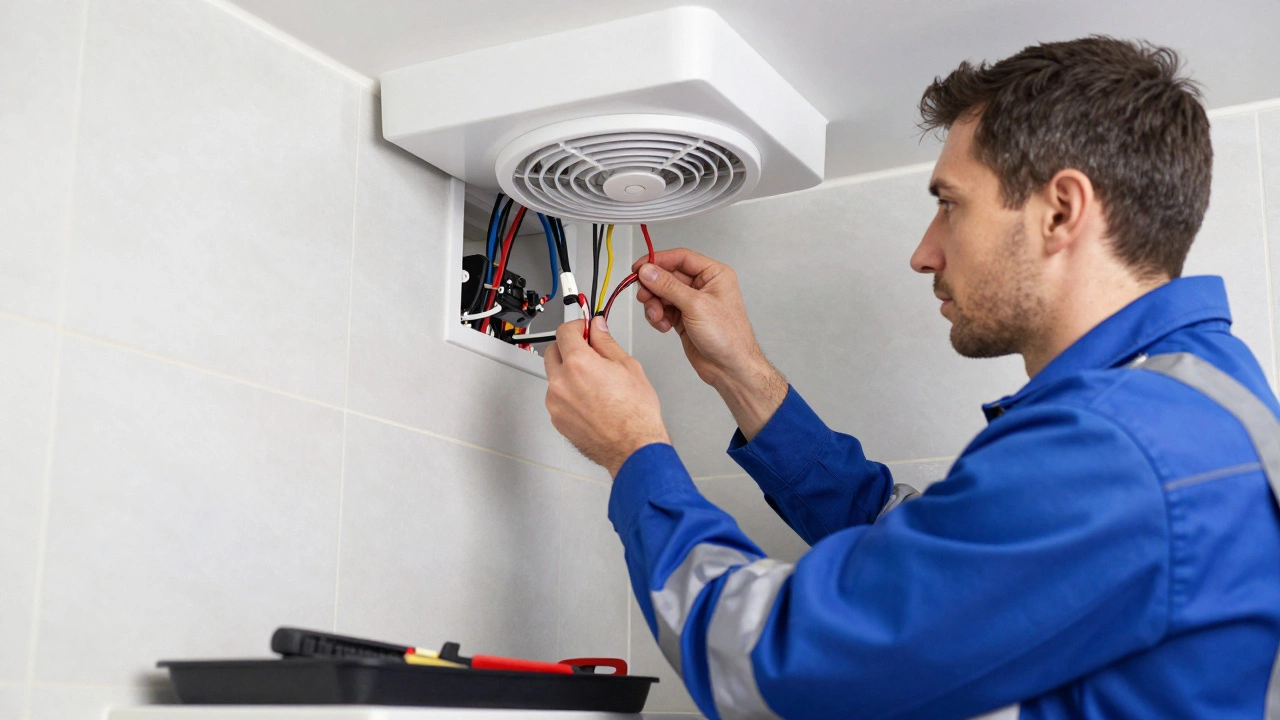
Discover which tradesperson fits an extractor fan. Learn when to hire an electrician vs. a plumber for safe, compliant UK installations.
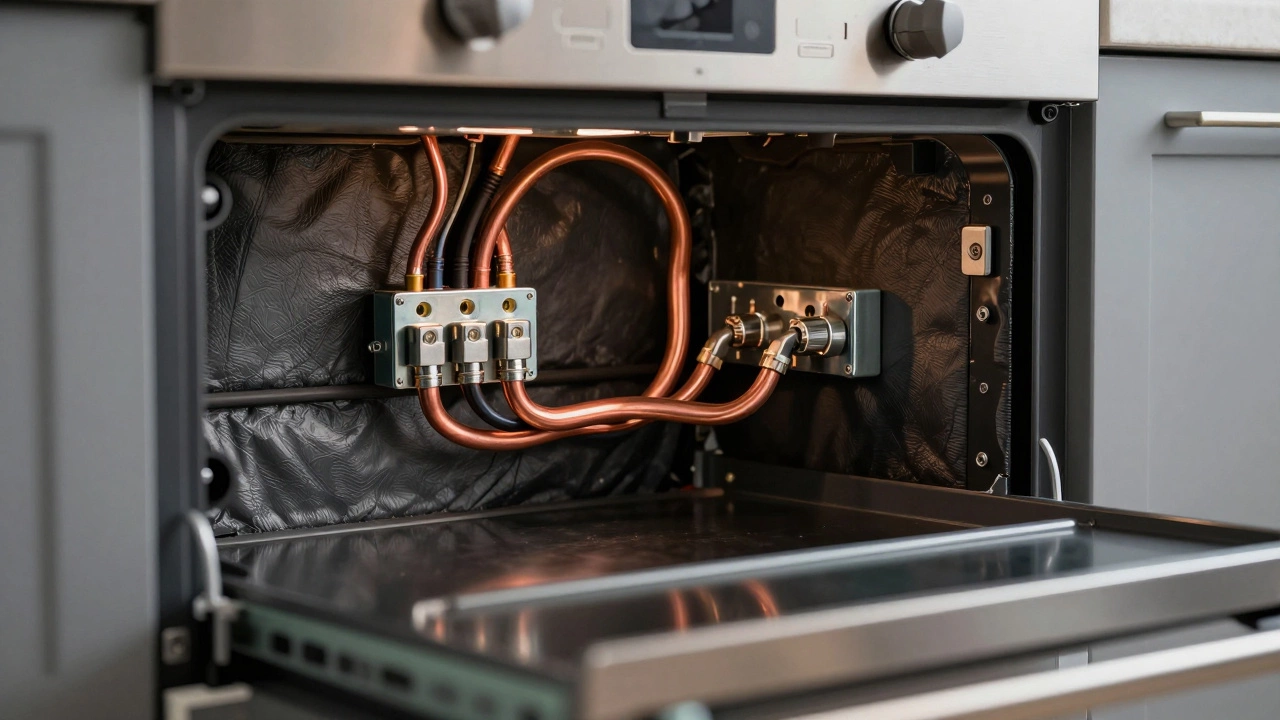
Discover whether you can replace an electric oven yourself or need to hire a professional. Learn about voltage requirements, safety risks, and legal building codes for appliance installation.
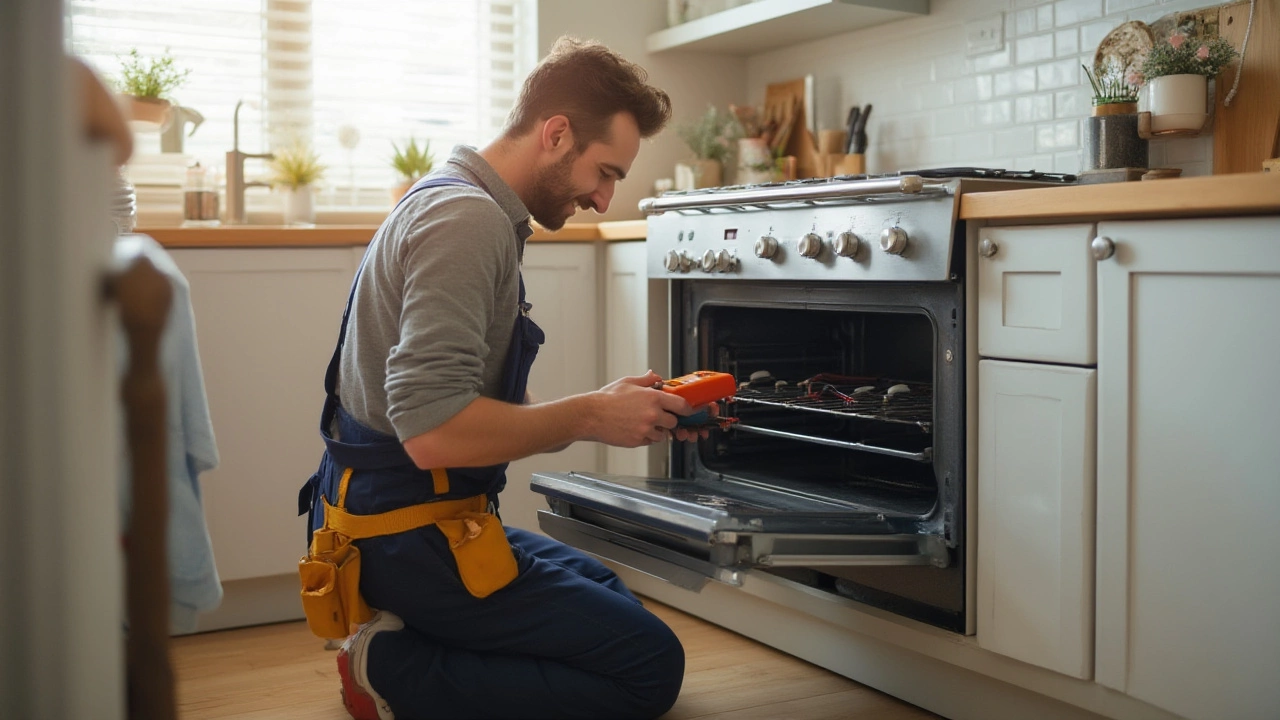
Wondering if an electrician can fix your electric oven? Get the facts, tips, and expert advice you need on diagnosing and repairing broken ovens.

Thinking about swapping out your extractor fan? This article breaks down when you really need a licensed electrician and when you might handle it yourself. Learn what risks and rules are involved, plus some practical tips for a painless install. Get clear answers on costs, permits, and what can go wrong if you take shortcuts. If you want fast, safe, and lasting results, this guide walks you through everything step-by-step.
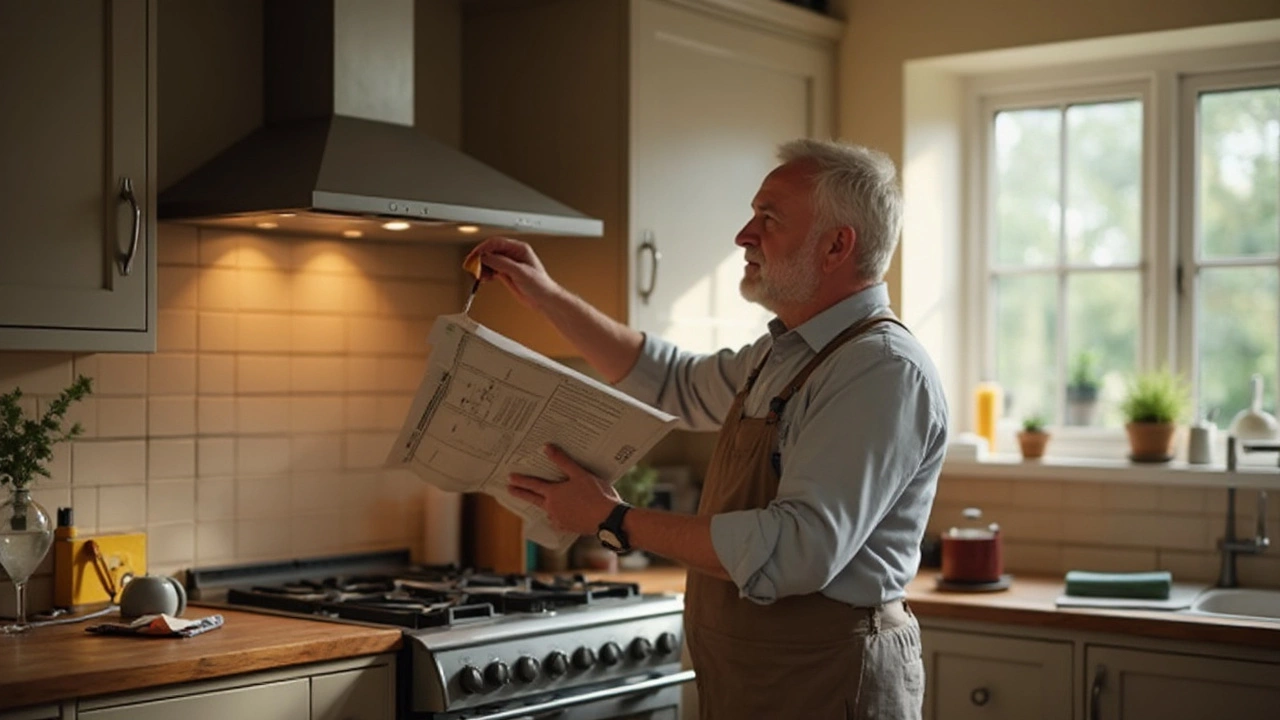
Extractor fan acting up? If you’re wondering who handles extractor fan replacement, this article breaks it down. Learn the difference between calling a pro and tackling it yourself, get tips on when to fix or swap out a fan, and find out what skills and tools make the job smooth. Real, practical advice from someone who's been around finicky fans and quick fixes. Don’t let poor ventilation keep bothering you—get the facts and decide what works best.
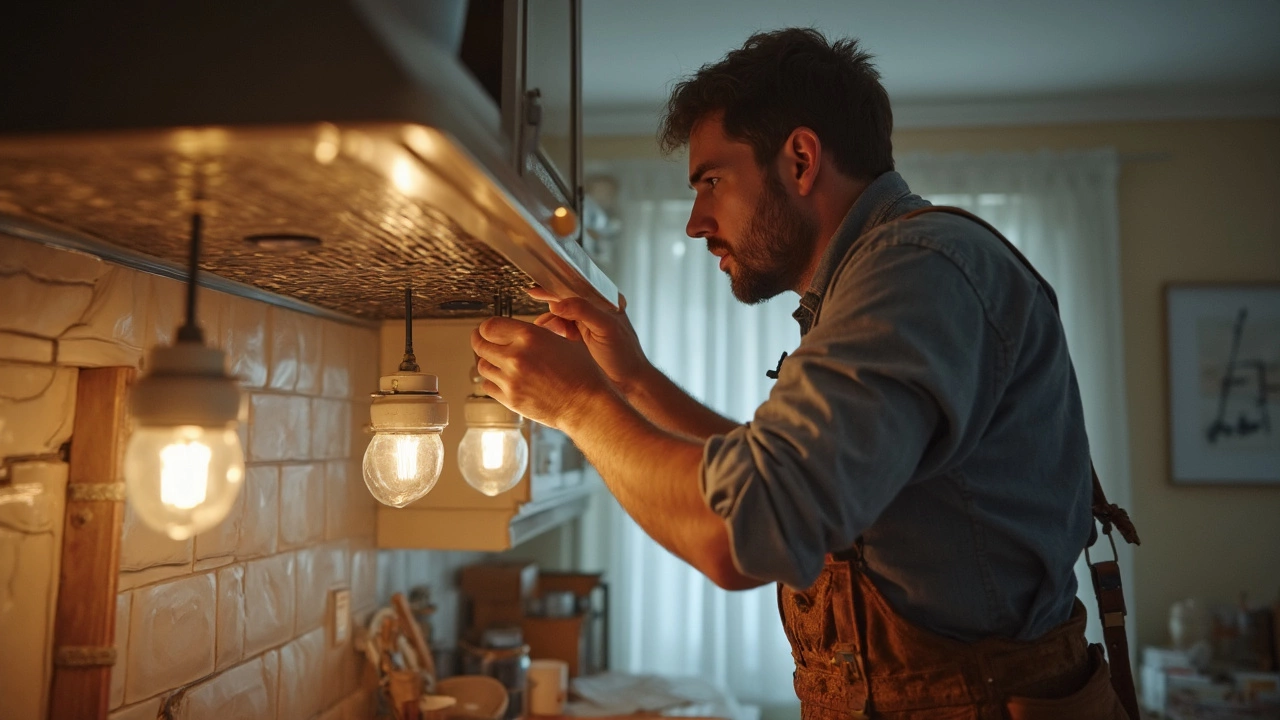
Understanding whether an electrician can repair your extractor fan might save you time and hassle. Dive into the nitty-gritty of what electricians can do for your fan problems, and get tips on how to maintain these helpful appliances. This guide covers the skills electricians bring to the table and when a specialist might be needed. Stay informed and prepared for any fan-related issues that might come your way.
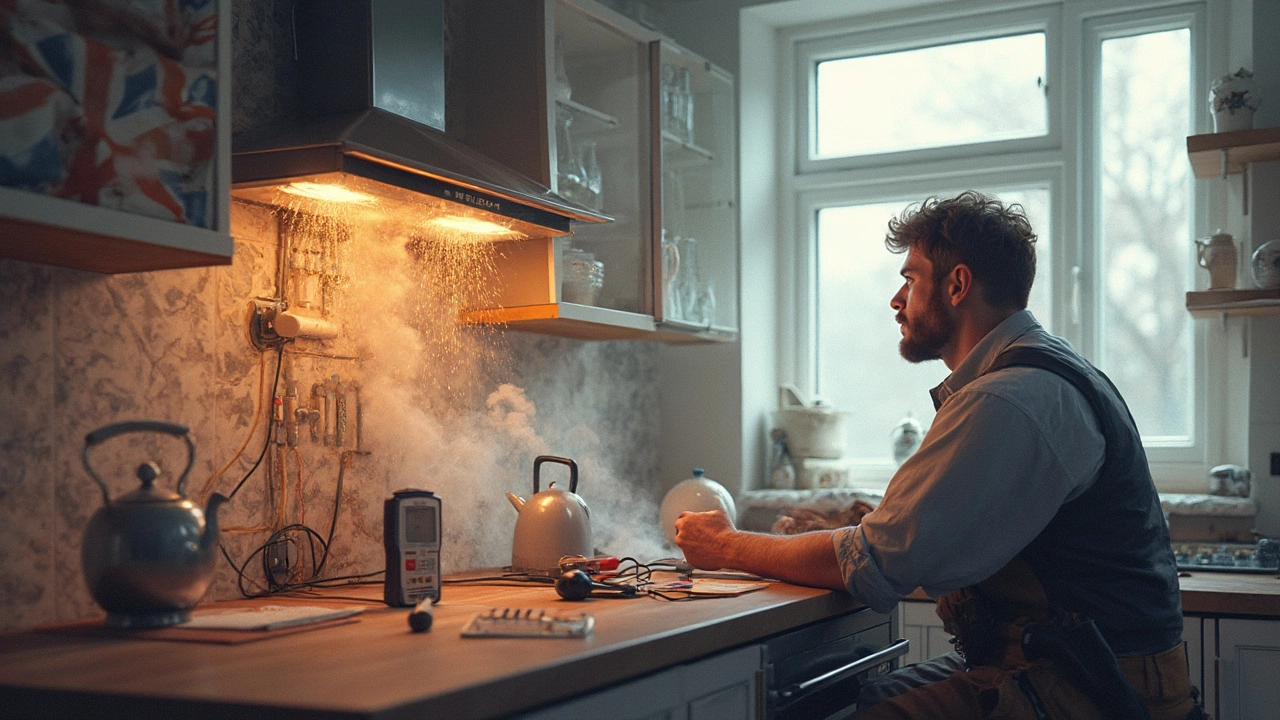
Extractor fans are essential for maintaining good air quality in homes, but what happens when they break down? This article explores whether electricians are the right professionals to fix extractor fans, the typical issues these fans encounter, and some maintenance tips to avoid frequent repairs. Learn about the repair process and when it might be time to replace your fan altogether.

Discover practical solutions to restore hot water in your shower with ease. Learn about common problems affecting water heaters and the steps to troubleshoot each issue. This guide will walk you through changing settings, checking components, and knowing when to call a pro. Take control of your hot water system and enjoy a soothing shower experience once again. Ideal for homeowners facing frustrating lukewarm showers.
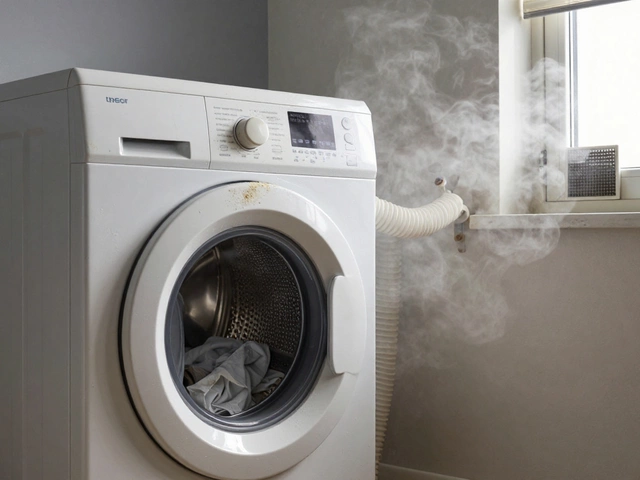
Most tumble dryers last 8-13 years, but poor maintenance can cut that in half. Learn the signs your dryer is failing, when to repair vs replace, and how to make it last longer.
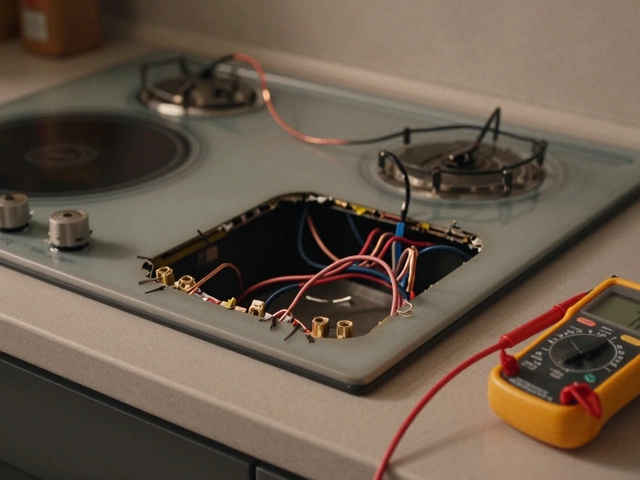
Replacing an electric hob isn't a DIY job. In the UK, it requires a qualified electrician for safety, legal compliance, and insurance reasons. Here's what you need to know before swapping your hob.
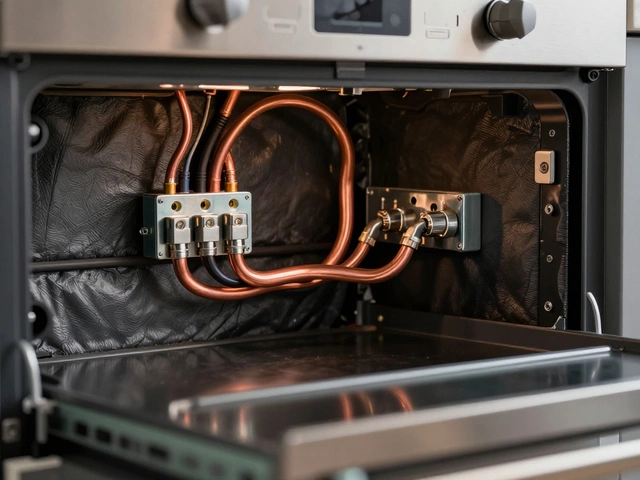
Discover whether you can replace an electric oven yourself or need to hire a professional. Learn about voltage requirements, safety risks, and legal building codes for appliance installation.
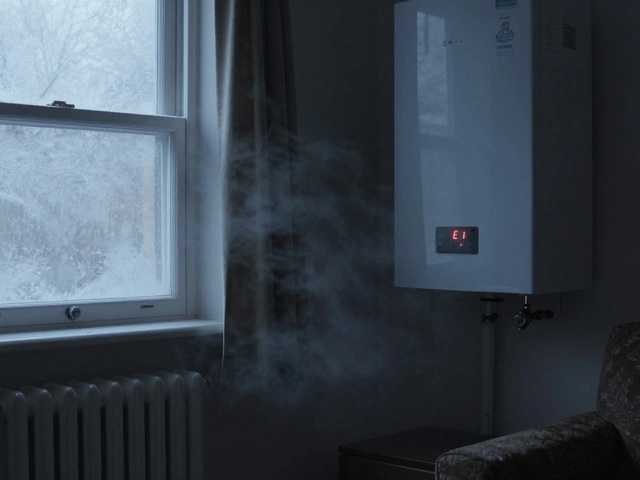
Learn the 7 clear signs your boiler is broken, from cold radiators to strange noises and gas smells. Know when to repair and when to replace before winter hits.