Appliance Service Cost-Benefit Calculator
Enter Your Appliance Details
Financial Impact Analysis
Timeframe: 10 Years
*Calculations based on average industry estimates for UK appliances.
Imagine opening your fridge on a Tuesday morning to find the milk has turned into a science experiment. Or perhaps your washing machine stops mid-cycle, leaving you with a pile of damp laundry that smells faintly of regret. These aren't just bad days; they are symptoms of neglected appliance service, which is the systematic maintenance, inspection, and upkeep of household machines to ensure optimal performance and longevity. Many people use the terms "repair" and "service" interchangeably, but there is a massive difference between fixing something broken and keeping it from breaking in the first place. Understanding this distinction can save you hundreds of pounds, extend the life of your kitchen appliances, and keep your home running smoothly. Here is exactly what appliance service means, why it matters, and how you should approach it.
The Core Difference: Service vs. Repair
To understand the meaning of appliance service, you first have to unlearn the habit of waiting for failure. Appliance repair is a reactive process where a technician fixes a specific malfunction after an appliance has stopped working or performed poorly. It happens when the ice maker leaks, the oven won't heat, or the dishwasher leaves food stuck to your plates. Appliance service, on the other hand, is a proactive maintenance strategy designed to prevent breakdowns before they occur. Think of it like changing the oil in your car. You don't wait for the engine to seize up; you change the oil every few thousand miles to keep the engine lubricated and clean. Similarly, servicing your appliances involves cleaning internal components, checking wear-and-tear parts, and ensuring electrical connections are safe. The key takeaway here is timing. Repair is emergency medicine; service is preventative healthcare. One costs more and causes stress; the other keeps things running quietly in the background.
Why Regular Appliance Service Matters
You might wonder if annual service visits are worth the cost, especially if your appliances seem fine. The truth is, most major appliance failures are not sudden events. They are the result of slow, creeping issues that go unnoticed until they cause catastrophic damage. Here is why regular service adds real value to your home:
- Extended Lifespan: A well-serviced washing machine can last ten years or more. A neglected one might fail in five due to bearing wear caused by unbalanced loads and dirty pumps.
- Energy Efficiency: Dirty condenser coils on a fridge force the compressor to work harder, increasing electricity bills by up to 15%. Servicing cleans these components, restoring efficiency.
- Safety Assurance: Gas ovens and cookers require annual safety checks to detect carbon monoxide leaks or faulty gas valves. This isn't optional; it's critical for household safety.
- Warranty Protection: Many manufacturers void warranties if you cannot prove regular maintenance was performed. Keeping service records protects your investment.
What Does an Appliance Service Actually Involve?
When you book an appliance service, you aren't just paying for a technician to look at your machine. A professional service visit follows a structured checklist tailored to each type of appliance. Let's break down what happens under the hood for common household items. Washing Machine Service typically includes cleaning the drain pump filter, inspecting drive belts for cracks, checking door seals for mold or tears, and testing water inlet valves for proper pressure. Technicians will also run a diagnostic cycle to check for error codes that indicate early-stage sensor failures. Fridge and Freezer Service focuses on vacuuming dust from condenser coils, checking refrigerant levels, inspecting evaporator fans, and verifying thermostat accuracy. Dust buildup on coils is the number one reason fridges overwork and burn out. Oven and Cooker Service involves gas leak testing, cleaning burner jets, checking ignition systems, and inspecting electrical heating elements for resistance faults. For electric models, technicians ensure control boards are functioning correctly and that door hinges align properly to maintain heat retention. Each service ends with a report card detailing the health of your appliance, any parts that are nearing end-of-life, and recommendations for future care.
| Appliance | Recommended Frequency | Key Service Tasks | Risk of Neglect |
|---|---|---|---|
| Washing Machine | Every 12 months | Pump filter cleaning, seal inspection, belt check | Water damage, motor burnout |
| Fridge/Freezer | Every 18-24 months | Coil vacuuming, fan inspection, temp calibration | Food spoilage, high energy bills |
| Gas Oven/Cooker | Annually (Mandatory) | Gas leak test, jet cleaning, safety valve check | Carbon monoxide poisoning, fire hazard |
| Dishwasher | Every 12-18 months | Spray arm cleaning, filter replacement, drain check | Poor cleaning results, clogged drains |
DIY Maintenance vs. Professional Service
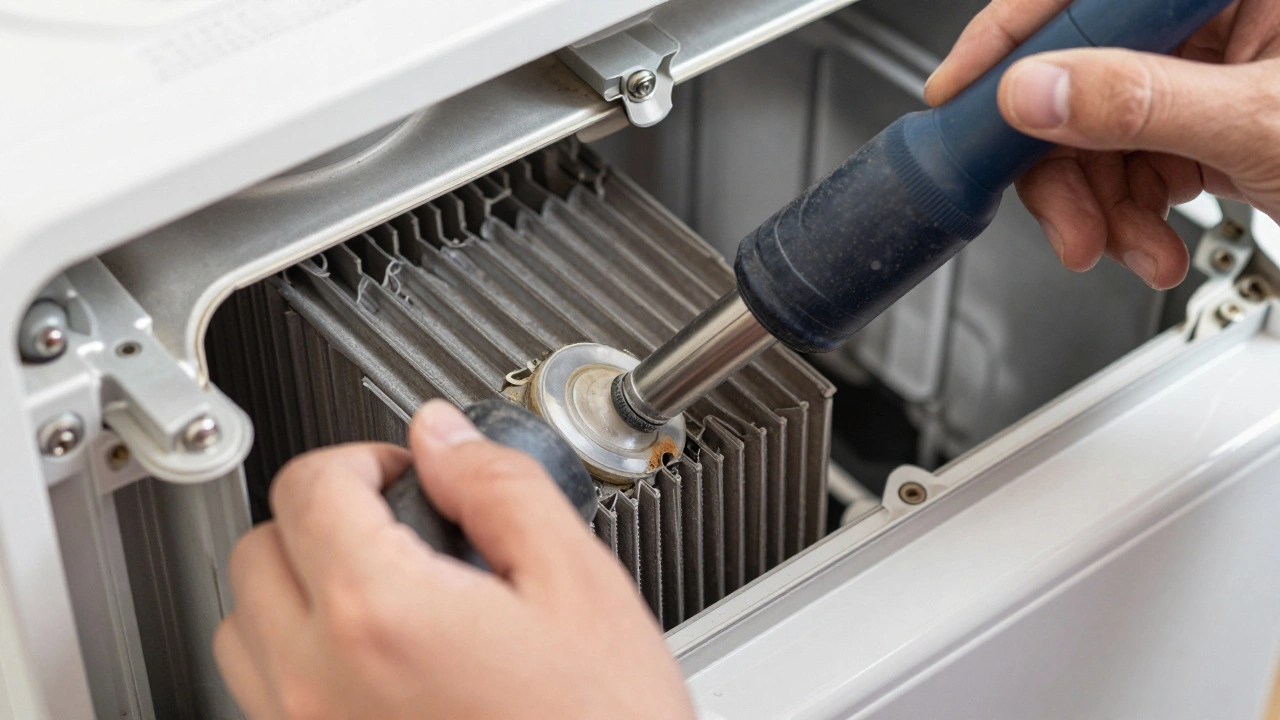
Not everything requires a technician. In fact, many small issues can be prevented with simple DIY habits. However, knowing where to draw the line is crucial. You can handle basic cleaning tasks yourself. Wiping down door seals, removing debris from washing machine filters, and cleaning dishwasher spray arms are all user-friendly jobs. Vacuuming the back of your fridge to remove dust bunnies from the condenser coils is also easy and highly effective. However, professional service is non-negotiable for anything involving gas lines, high-voltage electrical components, or sealed refrigeration systems. Attempting to fix a gas leak or recharge refrigerant without proper certification is dangerous and often illegal. Moreover, modern appliances have complex electronic control boards. A technician has the diagnostic tools to read error codes and identify intermittent faults that are invisible to the naked eye. A good rule of thumb: If it involves water drainage or surface cleaning, you can likely do it. If it involves gas, electricity, or refrigerant, call a pro.
Cost Considerations and Value
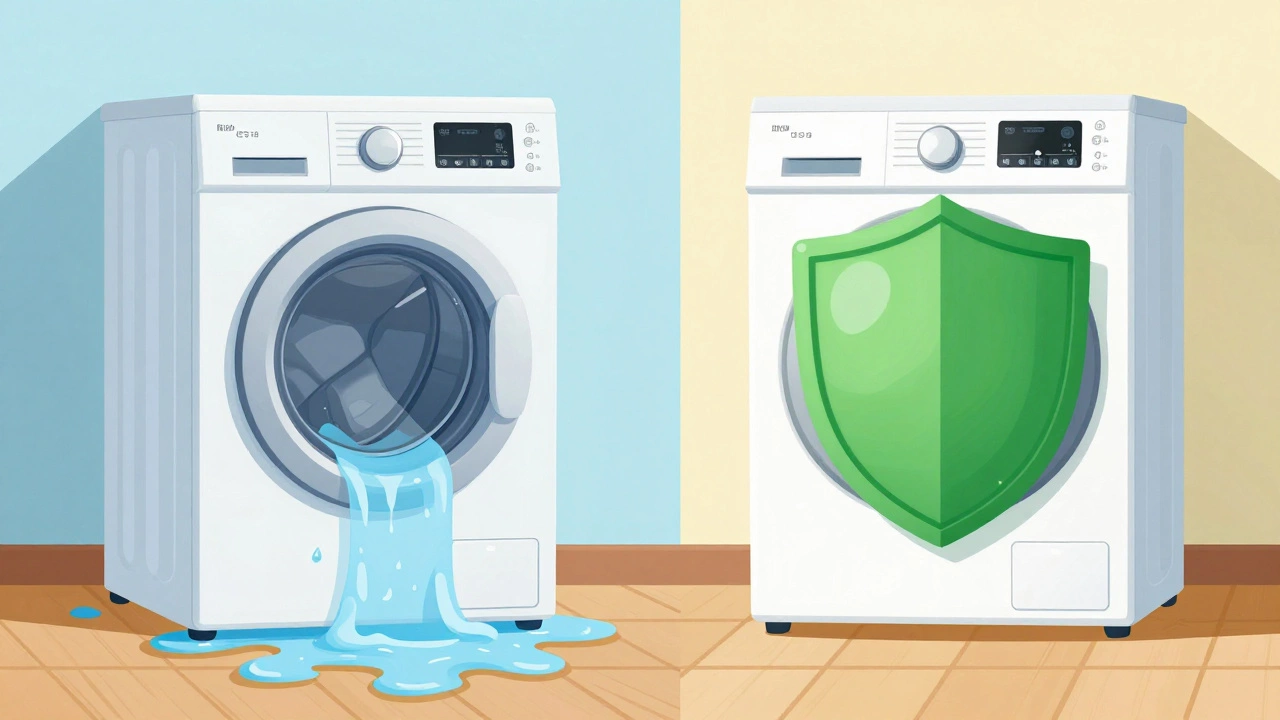
One of the biggest barriers to appliance service is the perceived cost. A standard service call might range from £60 to £120 depending on the appliance and region. Compared to the £300+ cost of a major repair or £500+ for a new unit, this seems steep. But consider the alternative. Without service, a minor issue like a worn door seal on a washing machine can lead to water leakage. That water can damage your flooring, subfloor, and even neighboring walls. The repair bill for water damage often exceeds £1,000. The initial £80 service fee pays for itself many times over by preventing such disasters. Additionally, some companies offer annual maintenance plans. These bundle multiple services together at a discounted rate. If you own several large appliances, a plan can reduce per-unit costs significantly while ensuring nothing slips through the cracks.
Signs Your Appliance Needs Immediate Attention
Even with regular service, appliances can develop issues between scheduled visits. Watch for these red flags:
- Unusual Noises: Grinding, screeching, or banging sounds often indicate mechanical wear, such as failing bearings or loose components.
- Inconsistent Performance: An oven that heats unevenly or a fridge that feels warmer than usual suggests sensor or calibration issues.
- Increased Energy Bills: A sudden spike in electricity usage without changes in behavior points to inefficient operation, often caused by dirty coils or failing compressors.
- Strange Odors: Burning smells indicate electrical issues, while musty odors in washers suggest mold growth in hidden areas.
- Error Codes: Modern appliances display digital codes for specific faults. Note these down before calling for service; it helps technicians diagnose faster.
Choosing the Right Service Provider
Not all technicians are created equal. When looking for appliance service, prioritize certified professionals. Look for qualifications like Gas Safe Register certification for gas appliances or recognized brand-specific training. Ask about their diagnostic approach. Do they explain findings clearly? Do they provide written reports? Transparent communication is a sign of professionalism. Also, check reviews specifically for punctuality and cleanliness-technicians who respect your home tend to do better work. Avoid fly-by-night operators who offer unusually low prices. Cheap labor often means inexperienced staff or substandard parts. Quality service uses OEM (Original Equipment Manufacturer) parts where possible, ensuring compatibility and durability.
How often should I service my home appliances?
Generally, once a year is ideal for high-use appliances like washing machines and dishwashers. Fridges and freezers can go 18-24 months between services. Gas appliances legally require annual safety checks. Always refer to your manufacturer's manual for specific recommendations.
Does appliance service cover repairs?
No, service and repair are separate. Service is preventative maintenance. If a technician finds a broken part during a service, they will quote you for the repair separately. Some companies offer service plans that include minor repairs, so check the terms carefully.
Can I service my own appliances?
You can perform basic cleaning and filter maintenance yourself. However, tasks involving gas, high voltage, or sealed refrigeration systems require certified professionals. DIY attempts on these areas can be dangerous and may void warranties.
Is appliance service worth the cost?
Yes, absolutely. Regular service extends appliance lifespan, improves energy efficiency, prevents costly water damage, and maintains safety standards. The upfront cost is significantly lower than emergency repairs or premature replacements.
What happens during a typical appliance service visit?
A technician will inspect external and internal components, clean filters and coils, test safety features, check for wear-and-tear, and run diagnostic cycles. They will then provide a report on the appliance's condition and recommend any necessary actions.