Appliance Classification Tool
Enter a household item to check if it meets the industry standards for classification as an appliance.
Classification Result
When someone says "appliance," what do they really mean? It sounds simple - your fridge, your washing machine, your kettle. But if you dig a little deeper, you’ll find that not everything plugged in counts as an appliance. And that matters, especially if you’re trying to get it fixed, replace it, or even understand your warranty. So what exactly is an appliance considered?
It’s Not Just Anything That Uses Electricity
A lot of people think if it plugs into the wall, it’s an appliance. But that’s not true. Your TV, laptop, or phone charger? Those aren’t appliances. They’re electronic devices. An appliance is something built to perform a specific household task - usually one that’s physical, repetitive, or labor-intensive. Think of it this way: if the job used to be done by hand, and now a machine does it, it’s probably an appliance.
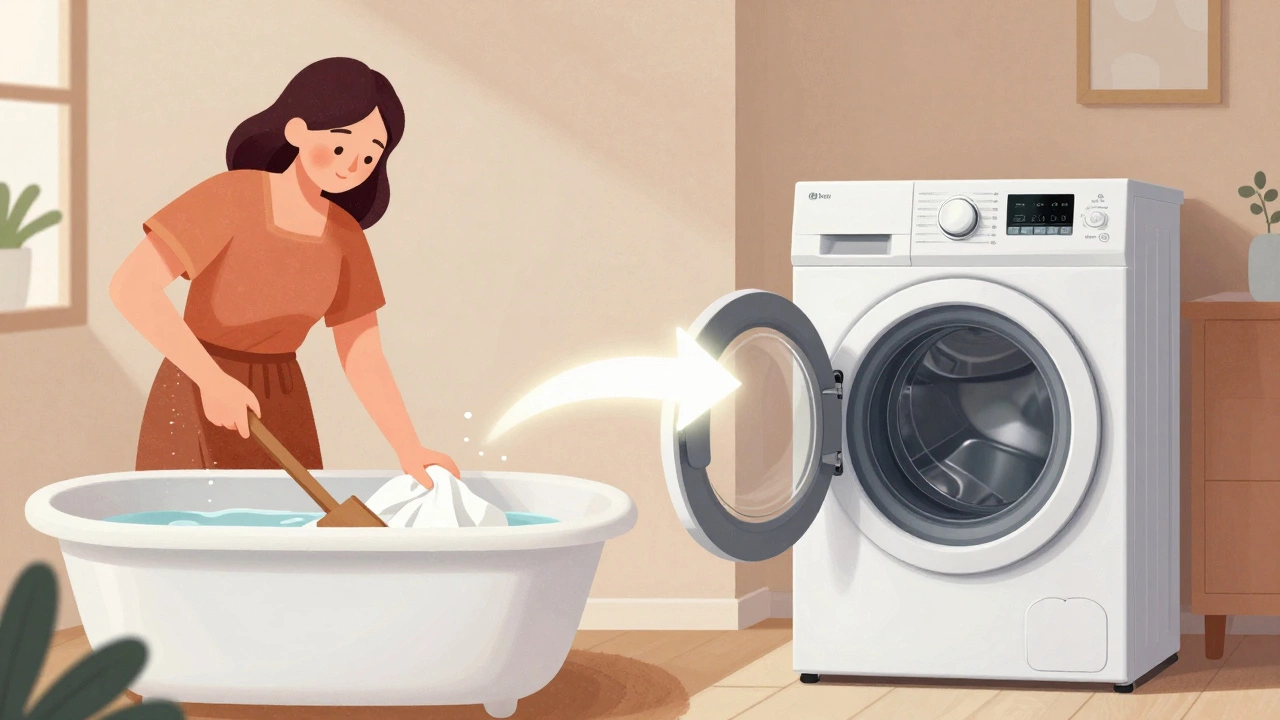
Take a washing machine. Before it existed, people scrubbed clothes on rocks or by hand. A vacuum cleaner? People swept with brooms. A microwave? People heated food on stoves. These machines don’t just use power - they replace manual work. That’s the core idea.
Three Key Traits That Define an Appliance
Not every electrical gadget qualifies. To be called an appliance, it needs three things:
- It performs a domestic function. This means it’s meant for use in the home - cleaning, cooking, cooling, or heating. A power drill? That’s a tool. A toaster? That’s an appliance.
- It’s designed for regular, everyday use. Appliances aren’t one-off gadgets. They’re meant to run daily or weekly. A coffee maker you use every morning? Appliance. A fancy espresso machine you only use on weekends? Still an appliance - frequency doesn’t change the category.
- It’s typically plugged into a standard outlet. Most household appliances run on 120V or 230V power, depending on your country. That’s why you don’t call a gas-powered lawnmower an appliance. It’s not electric. And while some modern appliances use batteries, they’re still designed to plug in for charging and heavy-duty use.
These rules help separate appliances from electronics, tools, and gadgets. Your smart speaker plays music - useful, sure - but it doesn’t clean, cook, or cool. So it’s not an appliance. Your electric toothbrush? It’s a personal care device, not a home appliance.
Major Categories of Home Appliances
Appliances are grouped into three main types based on their function and size. Knowing these helps when you’re looking for repair services or shopping for replacements.
Major Appliances (White Goods)
These are large, built-in or freestanding units that handle core home functions. They’re called "white goods" because they’re traditionally painted white (though now they come in stainless steel, black, or even matte finishes).
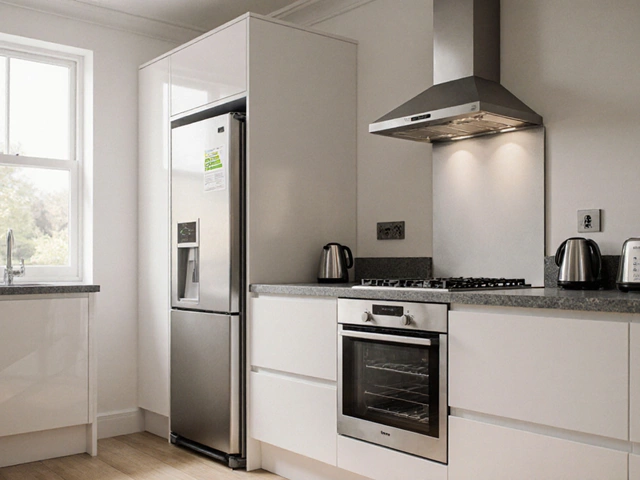
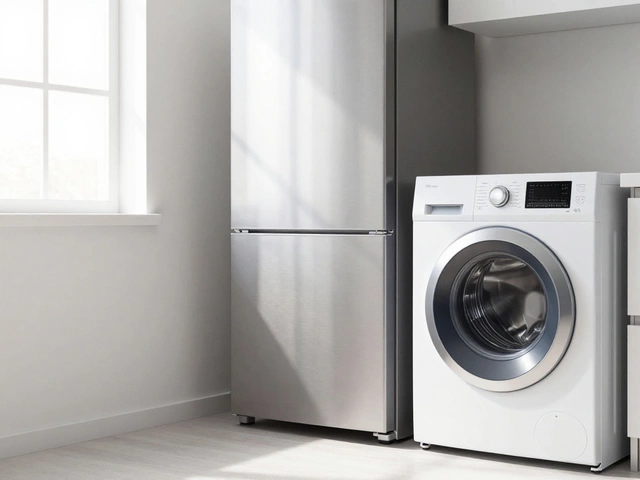
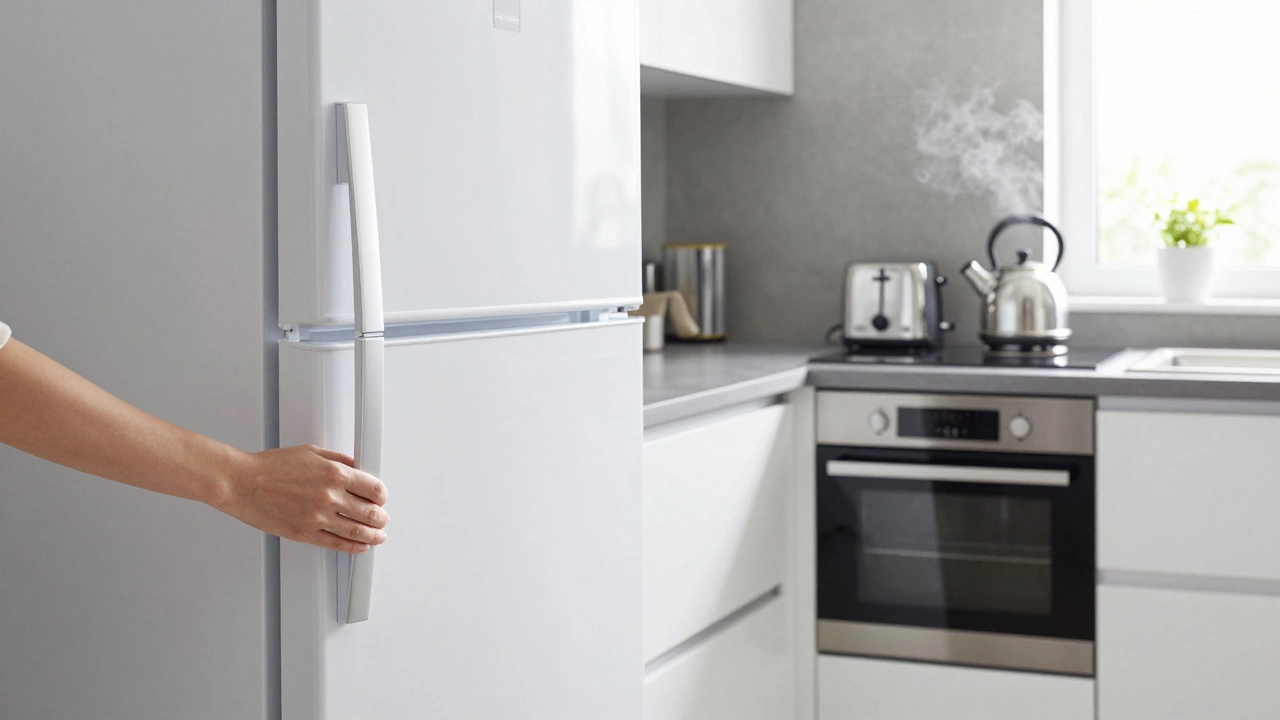
- Refrigerators and freezers
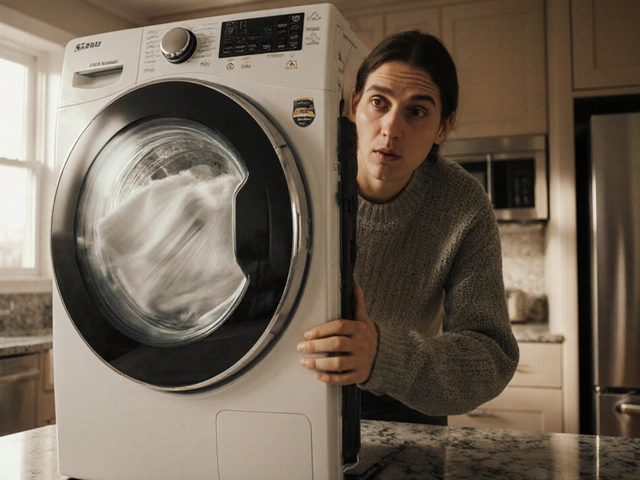
- Washing machines and dryers
- Dishwashers
- Ovens and cooktops
- Water heaters
- Boilers
These are expensive, long-lasting, and often require professional service. If your fridge stops cooling or your boiler leaks, you call an appliance technician - not an electrician.
Small Appliances (Brown Goods)
These are portable, countertop, or handheld devices used for convenience. They’re often called "brown goods" because many early models had wooden or brown plastic casings.
- Toasters and kettles
- Microwaves
- Blenders and food processors
- Coffee makers
- Vacuum cleaners
- Extractor fans
Small appliances are cheaper, easier to replace, and often repaired by general technicians. If your toaster stops heating, you might just buy a new one. But if your extractor fan stops pulling steam out of the kitchen, it’s worth fixing - it’s part of your home’s ventilation system.
Smart Appliances
In the last decade, many appliances have gained Wi-Fi, apps, and sensors. A fridge that texts you when milk is low? A washer that starts when electricity is cheapest? These are still appliances - just upgraded.
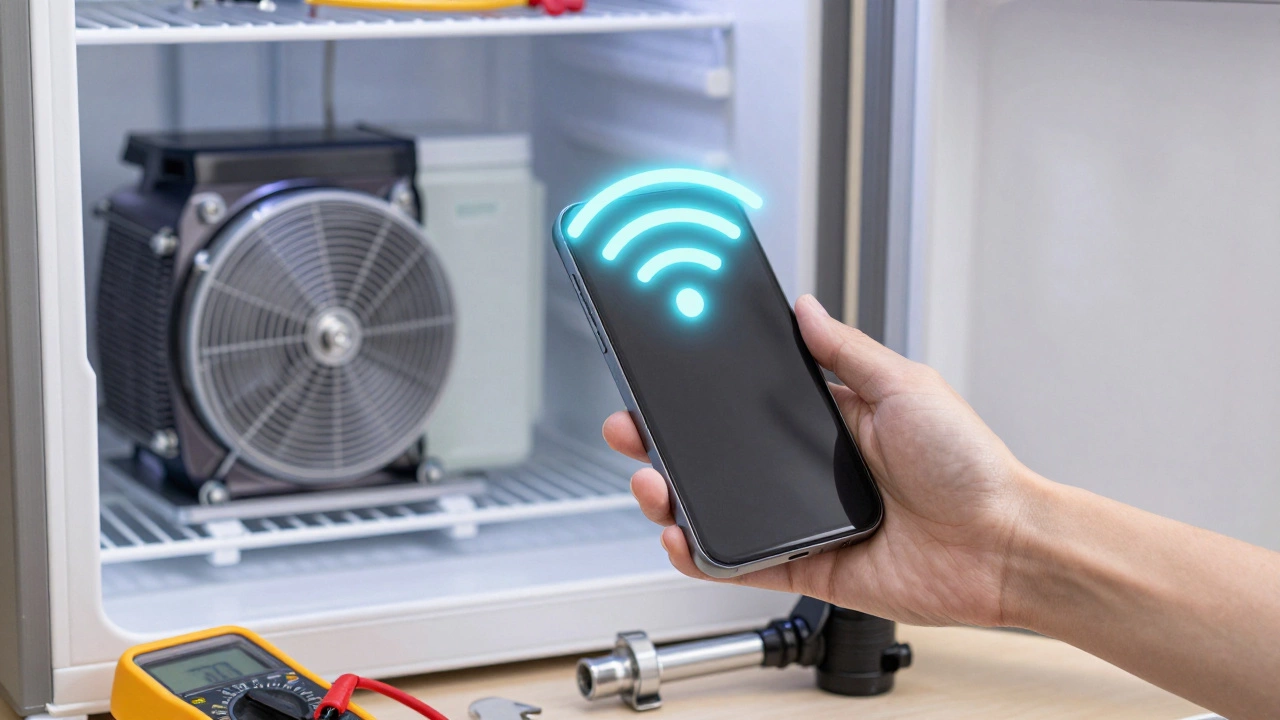
Smart doesn’t change the definition. It just adds features. Your smart oven still bakes bread. Your smart dishwasher still cleans plates. The core function hasn’t changed. That’s why repair services still treat them as appliances, not gadgets. If the heating element fails in a smart oven, you need a technician who understands heating circuits - not just app troubleshooting.
Why This Classification Matters
Understanding what counts as an appliance isn’t just academic. It affects:
- Repair services - Not every handyman can fix a boiler. You need someone trained on white goods.
- Warranties - Appliance warranties cover mechanical and electrical failures. Electronics warranties cover software and screen issues.
- Energy ratings - Only appliances have official energy labels (A+++ to D in the UK). Your TV doesn’t get one.
- Disposal rules - In the UK, appliances must be recycled under WEEE regulations. You can’t just toss a microwave in the trash.
For example, if your dishwasher stops draining, you don’t call a general electrician. You call an appliance service provider who works with pumps, drain hoses, and control boards. They know the difference between a motor failure and a clogged filter. That’s expertise built on understanding what an appliance actually is.
What Doesn’t Count as an Appliance?
Let’s clear up some confusion:
- Smart home devices - Ring doorbells, thermostats, and lighting systems are electronics. They’re part of your home, but they don’t clean, cook, or cool.
- Power tools - Drills, saws, sanders - these are for building or fixing things, not daily household tasks.
- Consumer electronics - TVs, laptops, tablets, phones - these are for communication, entertainment, or work. Even if they’re always plugged in, they’re not appliances.
- Gas appliances - Gas hobs and boilers are still appliances. The power source doesn’t change the category. But a gas grill on your patio? That’s outdoor equipment, not a home appliance.
There’s a gray area with things like air purifiers or humidifiers. In the UK, these are often treated as small appliances because they’re portable and used daily in homes. But in some regions, they’re considered medical devices. Context matters.
How This Affects Your Appliance Service Needs
If you’re trying to get something fixed, knowing whether it’s an appliance helps you find the right person. A plumber won’t fix your microwave. An electrician won’t replace your washing machine drum. You need someone who understands the mechanics, wiring, and safety standards of appliances.
That’s why appliance service companies specialize. They train technicians to handle:
- Compressors in fridges
- Heating elements in ovens
- Drain pumps in dishwashers
- Thermostats in boilers
- Motor belts in tumble dryers
These aren’t universal skills. You can’t learn them in a general electrical course. It takes hands-on experience with real appliances - the kind that run 365 days a year in homes across Bristol, London, and beyond.
Final Takeaway: It’s About Function, Not Form
An appliance is defined by what it does, not how it looks. If it makes your life easier by doing a physical household job - cleaning, cooking, cooling, or heating - it’s an appliance. The rest? Just gadgets.
That’s why when your fridge stops working, you don’t search for "electronics repair." You look for "appliance service." And that’s the key - knowing the right term leads you to the right help.
Is a microwave considered an appliance?
Yes, a microwave is a small appliance. It performs a specific household function - heating food - and is designed for daily use. Even though it’s electronic, its purpose fits the definition: replacing manual effort (like using a stovetop or oven) with automated, convenient heating.
Are smart fridges still considered appliances?
Absolutely. A smart fridge is still a refrigerator first. The Wi-Fi, camera, or touchscreen features are add-ons. If the cooling system fails, you need an appliance technician who understands refrigeration cycles, not a tech support rep who helps with apps. The core function defines it as an appliance.
Can a gas cooker be called an appliance?
Yes. The power source doesn’t change the classification. Whether it runs on electricity, gas, or induction, if it’s used for cooking in the home, it’s an appliance. Gas cookers are classified as major appliances, just like electric ones. In fact, many UK homes still rely on gas hobs, and they’re covered under the same appliance service standards.
Why isn’t a TV an appliance?
A TV is an electronic device, not an appliance, because it doesn’t perform a physical household task like cleaning, cooking, or cooling. Its purpose is entertainment and information. While it uses electricity, it doesn’t replace manual labor in the same way a washing machine or vacuum cleaner does. That’s why it’s not covered under appliance warranties or WEEE recycling rules the same way.
What about a dehumidifier? Is that an appliance?
Yes, a dehumidifier is considered a small appliance. It performs a consistent household function - reducing moisture in the air - and is designed for regular use in homes, especially in damp climates like the UK. Though it’s not as common as a kettle or toaster, it fits the definition: it automates a task that would otherwise require manual effort, like opening windows or using fans.