Appliance Service Interval Calculator
This calculator helps you determine the optimal time for servicing your appliance based on usage patterns and age. Input your appliance details below to get personalized recommendations.
Recommended Service Interval
Maintenance Guidance
£10-£30
Key Maintenance Tasks
Ever wondered if that noisy washing machine or under‑performing oven is just being stubborn or actually needs a proper check‑up? Understanding appliance service can save you time, money, and a lot of frustration. Below we break down why regular servicing matters, the warning signs to watch for, and how to decide between a DIY tune‑up and calling a qualified technician.
Why Regular Service Matters
Appliances are built to handle daily wear, but they also have moving parts, electrical components, and sealed systems that degrade over time. A routine service helps:
- Maintain energy efficiency - a clean condenser or properly sealed door can cut electricity use by up to 15%.
- Extend lifespan - most manufacturers quote a 5‑10 year average, but well‑maintained units often last 20% longer.
- Prevent costly breakdowns - catching a worn bearing early avoids a full motor replacement.
- Stay compliant with safety regulations - especially for gas‑powered appliances.
In the UK, the average repair cost for a major appliance sits around £120‑£180, while a preventative service typically runs £50‑£90. The small upfront spend often pays for itself in avoided emergency calls.
Key Signs Your Appliances Need Service
Knowing the red flags can keep you from waiting until a complete failure occurs. Look out for:
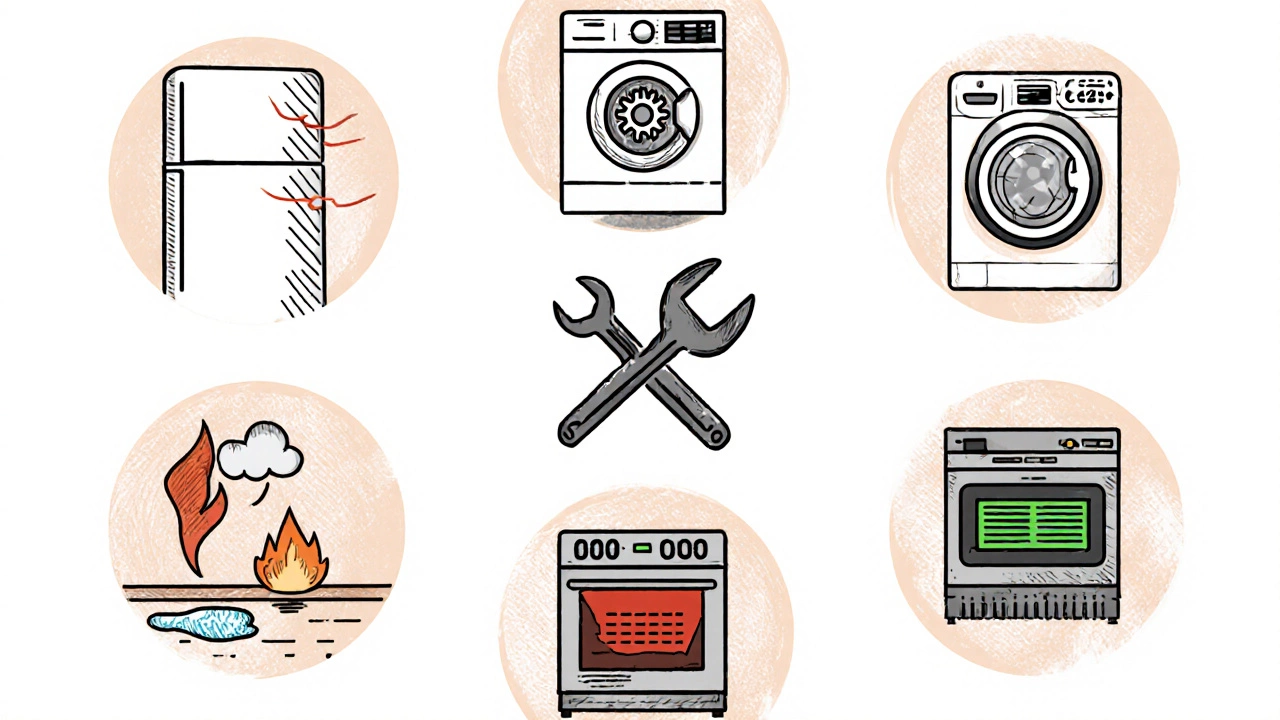
- Unusual noises - rattling in a fridge, grinding in a washing machine, or humming in an oven.
- Performance drops - longer wash cycles, uneven cooking, or water that doesn’t heat correctly.
- Leaks or moisture - puddles around a dishwasher or condensation on a dryer vent.
- Odours - burning smells from a heater or musty smells from a fridge.
- Visible wear - cracked seals, rusted racks, or frayed power cords.
- Error codes - modern appliances often display diagnostic codes that indicate specific faults.
How Often Different Appliances Should Be Serviced
Not all appliances need the same attention. Below is a quick guide that reflects both manufacturer recommendations and real‑world experience from UK service technicians.
| Appliance | Typical Service Interval | Key Service Tasks |
|---|---|---|
| Washing Machine - a front‑ or top‑load unit. | Every 12‑18 months | Clean drum, inspect door seals, check hoses for wear, descale if hard water. |
| Fridge - frost‑free or classic. | Every 2 years | Clean condenser coils, verify temperature calibration, inspect door gaskets. |
| Dishwasher - built‑in or freestanding. | Every 12 months | Remove food debris, clean spray arms, check filter, run a cleaning cycle. |
| Oven - electric or gas. | Every 2‑3 years | Inspect heating elements, calibrate temperature sensor, clean firebox (gas). |
| Boiler - central heating. | Annual | Pressure check, bleed radiators, clean heat exchanger, safety valve test. |
| Water Heater - electric storage. | Every 2 years | Inspect anode rod, flush sediment, test thermostat. |
| Extractor Fan - kitchen hood. | Annually | Clean grease filters, check motor bearings, verify ventilation path. |
DIY vs Professional Service: What’s the Right Choice?
Many homeowners enjoy a bit of hands‑on maintenance, but knowing where to draw the line is crucial for safety and warranty compliance.
| Aspect | DIY | Professional |
|---|---|---|
| Cost | Low - only parts and basic tools (£10‑£30) | Higher - labour plus parts (£50‑£180) |
| Safety | Risk of electric shock or gas leaks if not qualified | Certified technicians follow safety standards |
| Warranty Impact | May void manufacturer warranty if improper | Works with warranty, provides service record |
| Complexity | Simple tasks - cleaning filters, descaling | Complex diagnostics, part replacements, firmware updates |
| Time | Can be quick (30 min‑1 hour) | Typically 1‑2 hours, plus scheduling |
If you’re comfortable turning off power, reading manuals, and have basic tools, start with the DIY checklist below. When in doubt, especially with gas appliances or electronics with sealed components, call a professional.
DIY Service Checklist
- Unplug the appliance or shut off the circuit breaker.
- Consult the user manual - most manufacturers publish a maintenance chapter online.
- Gather cleaning agents: white vinegar for descaling, a soft brush for coils, and a lint‑free cloth for seals.
- Perform the task (e.g., clean the condenser, run a cleaning cycle).
- Reassemble, restore power, and run a short test cycle.
- Record the date and any observations in a home‑maintenance log.
Cost Expectations and Budgeting
Here’s a quick breakdown of typical UK prices in 2025:
- Washing Machine Service: £55‑£80 (incl. hose replacement).
- Fridge/Freezer Service: £60‑£90 (coil cleaning, seal replacement).
- Dishwasher Service: £50‑£75 (pump check, spray arm clean).
- Oven Service: £70‑£120 (element test, gas safety check).
- Boiler Annual Inspection: £80‑£120 (legal requirement for gas boilers).
Most reputable service firms offer a “first‑hour free” diagnostic charge, then a fixed price for parts and labour. Ask for a written quote before any work begins.
Tips to Extend Appliance Life (Preventive Maintenance)
Regular preventive steps can delay the need for a full service:
- Keep appliances level to avoid excess vibration.
- Wipe spills immediately - sugary residues attract pests and cause corrosion.
- Use manufacturer‑approved detergents; high‑phosphate powders can damage seals.
- Run a hot water cycle on washing machines monthly to prevent mould.
- Check and replace water‑softener cartridges if you have hard water.
When to Replace Instead of Service
Even the best‑maintained machine has an age limit. Consider replacement when:
- Repair costs exceed 50% of a new unit’s price.
- The appliance is more than 12‑15 years old (most warranties end at 10 years).
- Energy efficiency ratings are low (e.g., a 2‑star fridge versus today’s 4‑star models).
- Frequent breakdowns occur despite regular servicing.
A newer model can lower your electricity bill by 10‑20% and often includes smarter diagnostics that reduce future service calls.
Mini FAQ - Your Most Common Questions About Appliance Service
How often should I service my washing machine?
A front‑load or top‑load washer benefits from a professional check every 12‑18 months. This includes inspecting hoses, cleaning the drum, and checking the pump for blockages.
Can I service a gas oven myself?
Only basic cleaning is safe for a DIYer. Anything involving the gas valve, ignition system, or internal wiring should be handled by a Gas Safe‑registered technician to avoid leaks or fire hazards.
What does a boiler service include?
A standard boiler service checks pressure, tests safety valves, inspects the heat exchanger for corrosion, and flushes the system if necessary. The technician also verifies the thermostat and any carbon monoxide detectors.
Is it worth paying for a service contract?
If you have several high‑usage appliances, a yearly contract (usually £150‑£250) can spread the cost of routine inspections and give you priority call‑outs, which often saves money compared to ad‑hoc repairs.
How can I tell if my fridge needs a service?
Look for frost build‑up on the evaporator, a rising energy meter reading, or a temperature that drifts more than 2°C from the set point. A technician will clean the condenser coils and test the thermostat.
What is preventive maintenance for appliances?
Preventive maintenance is a set of routine tasks-like cleaning filters, checking seals, and running self‑diagnostic cycles-that keep the appliance running efficiently and catch problems early.
By staying on top of these simple cues and scheduling regular service, you’ll keep your kitchen and laundry running smoothly for years to come.