

When it comes to keeping home devices running smoothly, when to service appliances, the right timing for inspections, clean‑ups and part replacements to prevent breakdowns. Also known as appliance service schedule, it shapes how often you should check a washing machine, oven, boiler or extractor fan. Appliance maintenance, regular care activities like descaling, filter cleaning and component testing is the broader habit that makes a service schedule useful. Preventive maintenance, planned actions taken before a fault appears reduces surprise repairs, while Repair cost, the price you pay when something finally breaks often spikes if you skip routine checks. Finally, Energy efficiency, how much power a device uses while performing its job improves when parts are clean and calibrated. In short, when to service appliances encompasses preventive maintenance, requires regular appliance maintenance, influences repair cost, and boosts energy efficiency – all three are linked steps that keep your home running without unexpected downtime.
Think about the last time your electric oven stopped heating or your boiler began making strange noises. Those moments usually follow months of ignored warning signs: a heating element that flickers, a boiler pressure that drifts, or an extractor fan that roars louder than usual. Catching these clues early is part of a solid service schedule. For example, most manufacturers recommend a full oven inspection every 12‑18 months, while a washing machine benefits from a drum clean and pump check annually. Boilers often need a safety check before winter, and water heaters should be flushed every 2‑3 years to avoid sediment build‑up that leads to cold showers. When you align service intervals with the actual wear patterns of each device, you not only extend its lifespan but also avoid the higher repair costs that come with emergency calls. Moreover, a well‑maintained appliance runs at optimal efficiency, meaning lower electricity or gas bills – a tangible win for any household budget. The articles below cover everything from diagnosing a non‑heating oven, resetting a hot‑water heater, to deciding whether a 15‑year‑old cooker is worth fixing, giving you the detailed steps you need to act confidently at the right time.
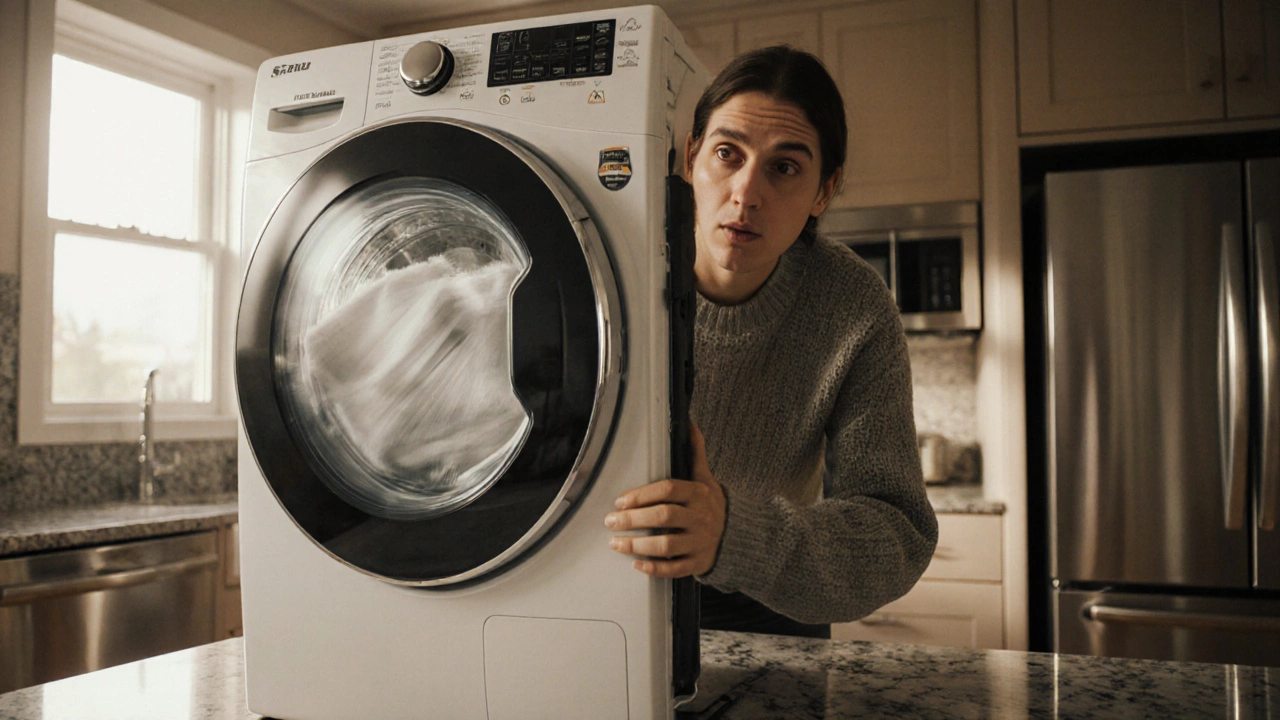
Learn why and when appliances need professional service, the signs of trouble, how often each should be checked, DIY tips, costs and when to replace.
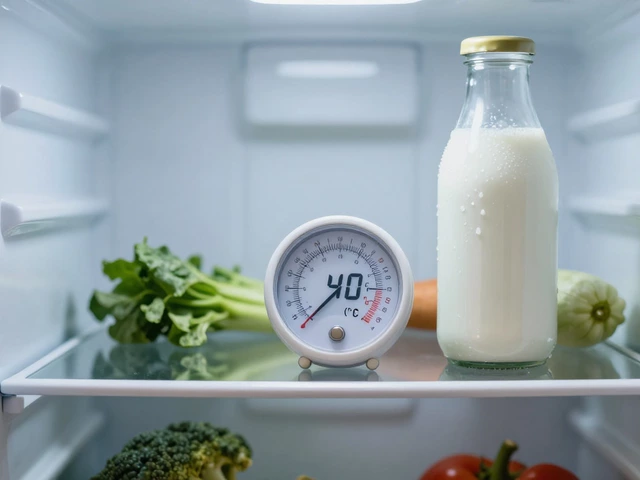
Learn how to tell when a refrigerator goes bad by spotting key signs like temperature drops, strange noises, and frost buildup. Discover when to repair vs. replace your fridge.
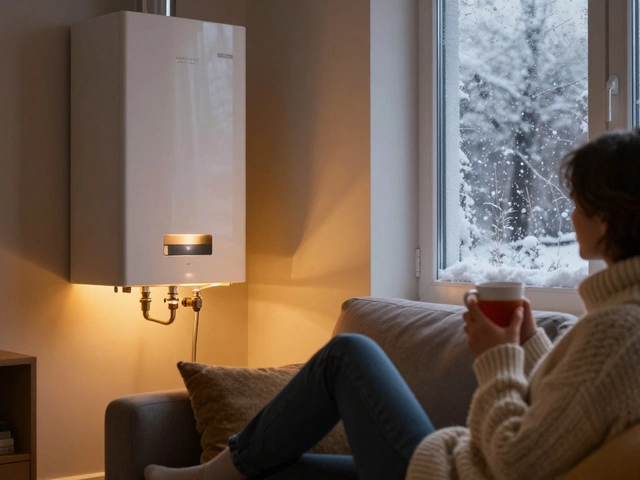
Find out exactly how much to get a boiler serviced in 2026. We break down average costs, what's included, and tips to avoid hidden fees.
Water heaters are essential fixtures in homes, providing warm water for daily needs. Understanding their lifespan can help homeowners plan for replacements and avoid unexpected cold showers. Depending on the type and maintenance, a water heater can typically last between 8 to 12 years. Regular inspections and upkeep can potentially add years to a water heater's lifespan.
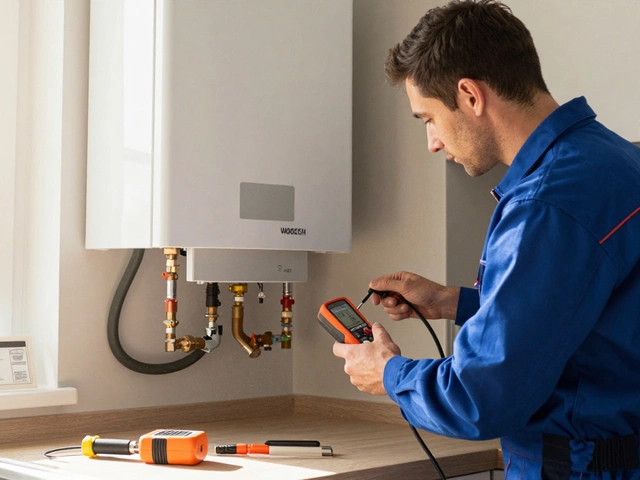
A typical boiler service takes 60 to 90 minutes, but older or neglected systems may require 2-3 hours. Regular annual servicing prevents breakdowns, improves efficiency, and keeps warranties valid. Always choose a plumber who tests gas safety and provides a written report.

Struggling with a troublesome boiler? Discover the most frequent issues like lack of heat, strange noises, and leaking water. Learn practical tips and tricks on how to diagnose and fix these problems on your own. Recognize when it's time to call a professional and keep your home warm and comfortable.