

Nothing feels worse than a cold house on a frosty morning. Your boiler sputters, pops, or just stops, and you’re left shivering. Before you panic, take a breath and run through a quick checklist. Is the thermostat set right? Is the pressure gauge in the green zone? If those basics look okay, it’s probably time to call a professional.
Boiler problems aren’t just an inconvenience – they can be dangerous. A faulty unit may leak carbon monoxide, cause water damage, or waste energy, which spikes your bills. Quick repair means safety, comfort, and lower costs. That’s why we focus on getting to the root of the issue and fixing it right the first time.
If you hear banging, notice a loss of pressure, or smell gas, pick up the phone now. Even a small leak can become a big hazard fast. DIY fixes might feel satisfying, but the truth is most boiler work needs a Gas Safe registered engineer. They have the training to test flues, check combustion, and ensure everything meets legal standards. Trying to tackle a gas leak yourself can put you and your family at risk.
Another tell‑tale sign is an odd noise that won’t go away after a reset. Gurgling, whistling, or knocking usually points to air trapped in the system, a blocked pipe, or a pump that needs attention. These issues are quick for a pro to diagnose but can cause long‑term wear if ignored.
When you book a repair, you’ll get a qualified engineer at your door within a few hours (or the next day for non‑emergencies). They’ll start by listening to your description, then run a visual inspection and a series of safety tests. Pressure, temperature, and gas flow are all checked against manufacturer specs. If a part needs replacing – a valve, pump, or sensor – they’ll explain why and give you a clear price before any work begins.
After the fix, the engineer will run the boiler through a full cycle, making sure it heats up, maintains pressure, and shuts off correctly. They’ll also clean any debris from the heat exchanger and clear the flue, which helps your system run more efficiently. A tidy job means you won’t see oil stains or rust on your floor, and your warranty stays intact.
One of the biggest benefits of using a local Bognor Regis service is familiarity with the common pipe layouts and water‑hardness issues in the area. That knowledge speeds up diagnosis and prevents unnecessary part swaps. Plus, we offer a guarantee on labour and parts, so you can relax knowing you’re covered if the problem resurfaces.
While you wait for the engineer, keep the area around the boiler clear. Remove rugs, furniture, or anything that could block ventilation. If you suspect a gas leak, turn off the gas supply at the cylinder valve and open windows for fresh air. Never try to restart a boiler that’s been shut off because of a leak – that’s a job for a professional.
Regular maintenance can stop many breakdowns before they happen. A yearly service checks the burner, inspects the flue, and tightens any loose connections. It’s cheap compared to an emergency call and extends the life of your boiler by years. Think of it as a health check for the heart of your heating system.
In short, when your boiler quits, act fast, stay safe, and call a qualified repair service. We’ll diagnose, fix, and test your unit so you can get back to a warm home without the worry. Ready for reliable, friendly boiler repair in Bognor Regis? Give us a call today and put the chill behind you.
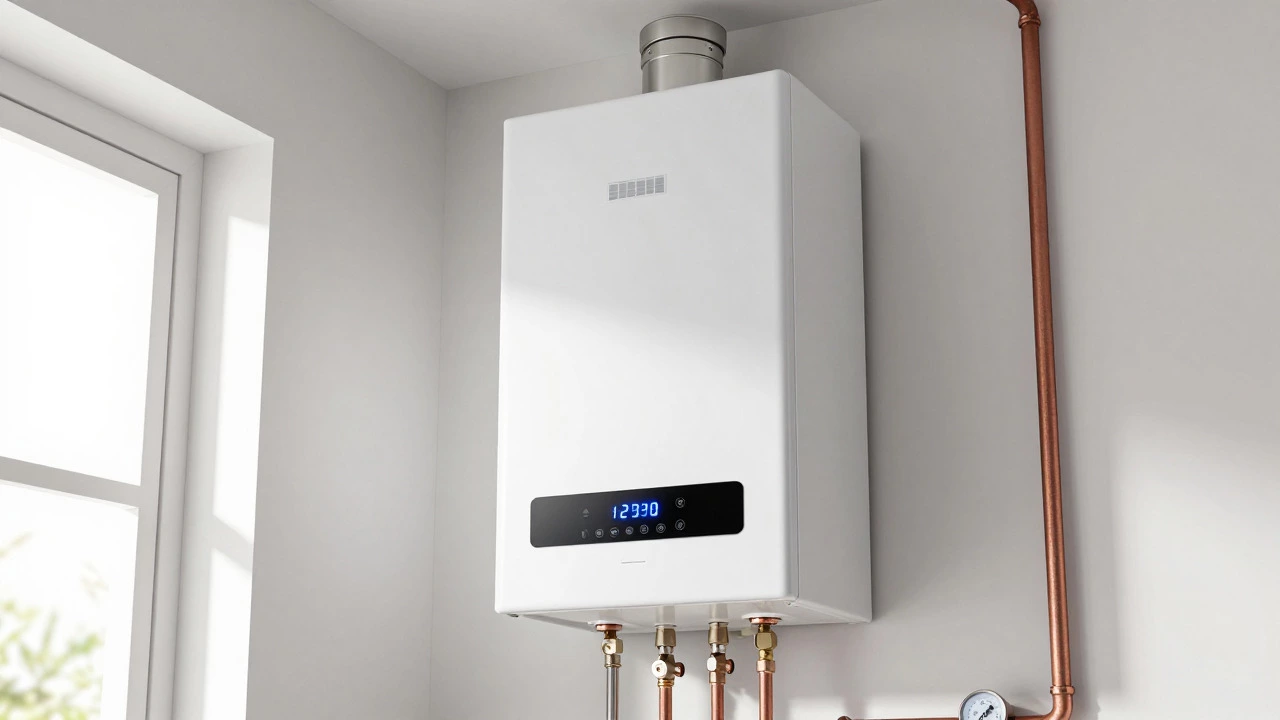
Discover why annual boiler servicing is essential for safety and efficiency. Learn what to expect during a check, warning signs to watch for, and how to save money on energy bills.

Find out exactly how much to get a boiler serviced in 2026. We break down average costs, what's included, and tips to avoid hidden fees.
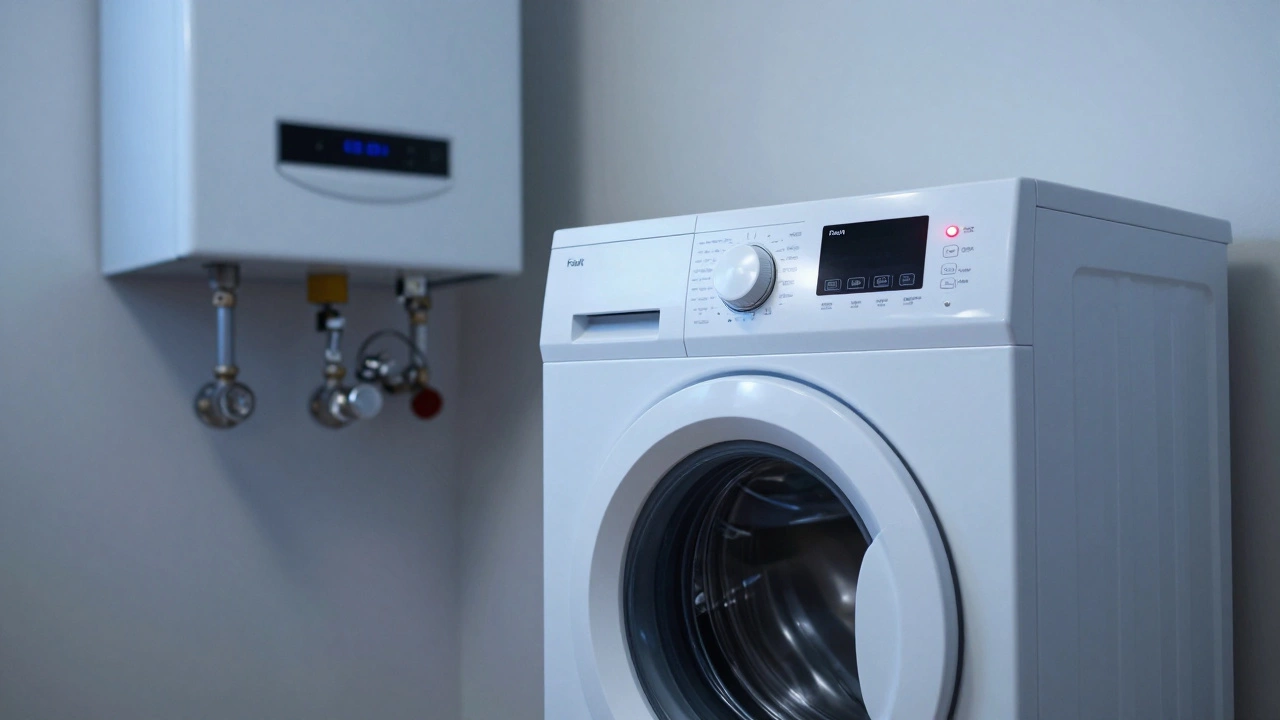
Find out if your washing machine works when the boiler is broken. Learn about cold water cycles, potential errors, and tips for UK homes.

Discover who legally fixes boilers in the UK. Learn why you need a Gas Safe registered engineer, not just a plumber, and understand the qualifications, costs, and safety checks involved in boiler repair.
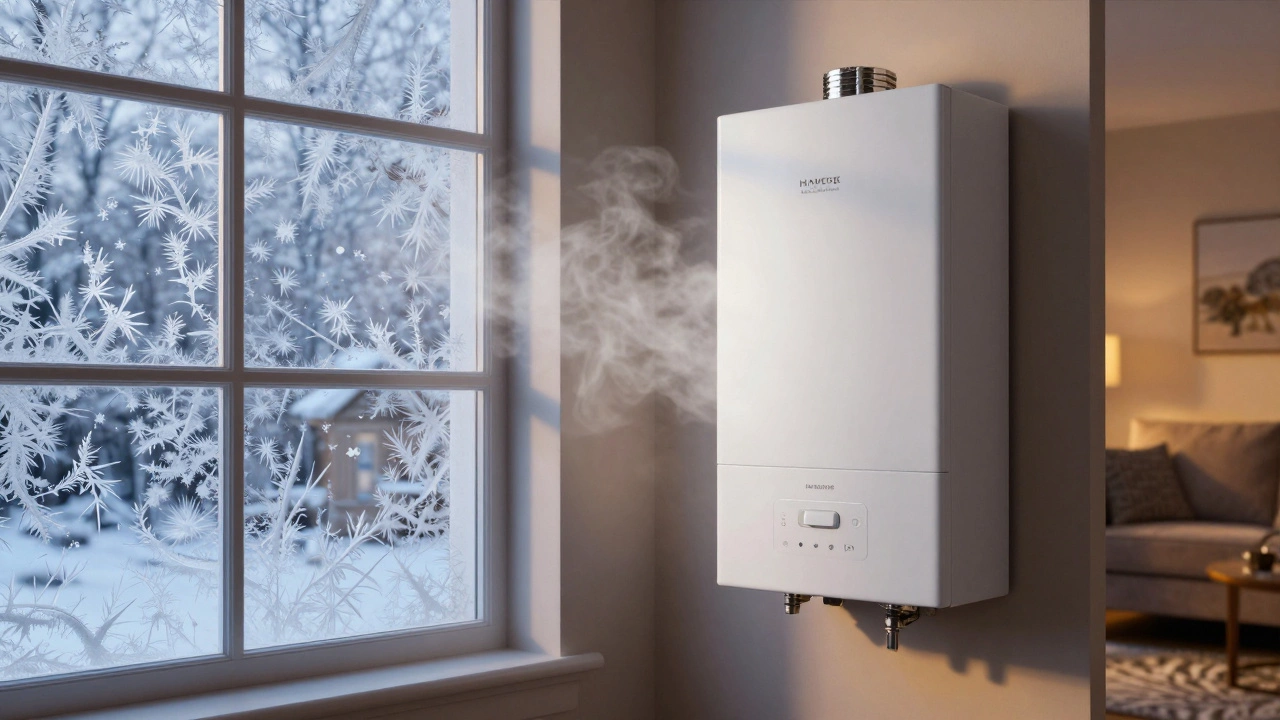
Boiler repair costs in 2026 range from £80 to £1,500 depending on the fault. Learn average prices for common fixes, hidden fees, and when to repair versus replace your boiler.
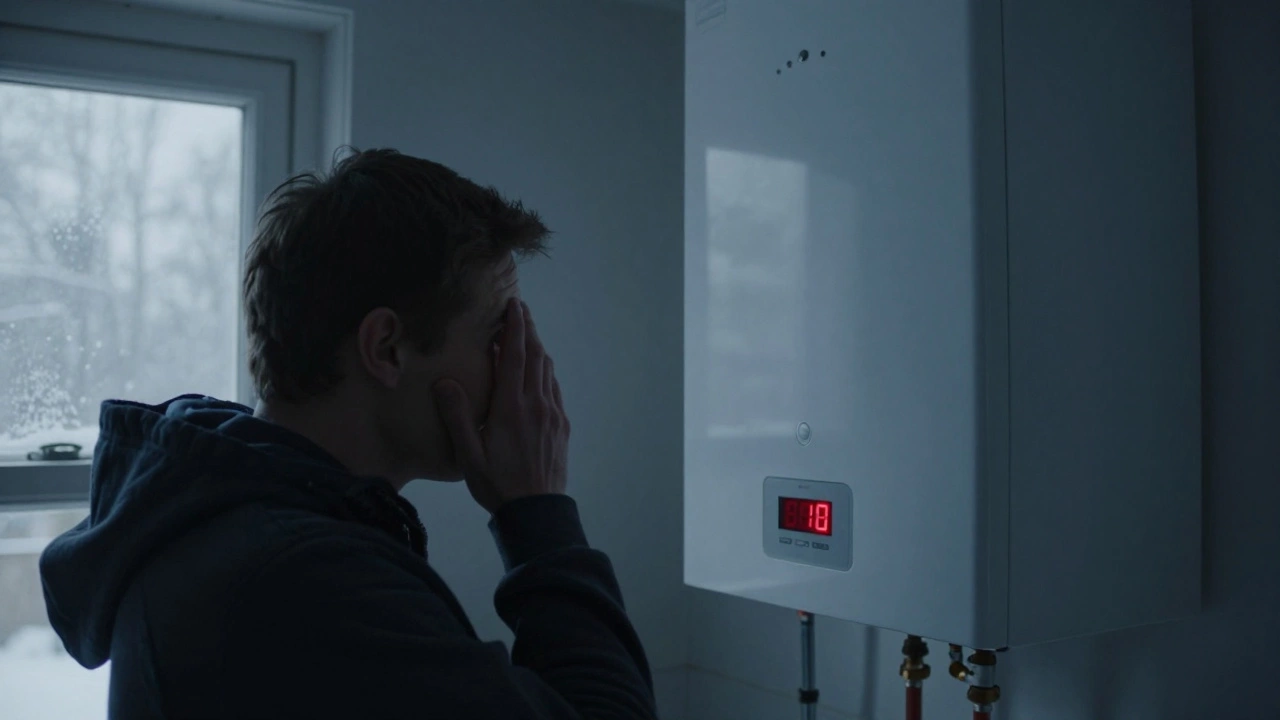
Is it worth repairing a 20-year-old boiler? Learn the costs of repair vs replacement, energy efficiency gains, and when to stop spending on old heating systems.
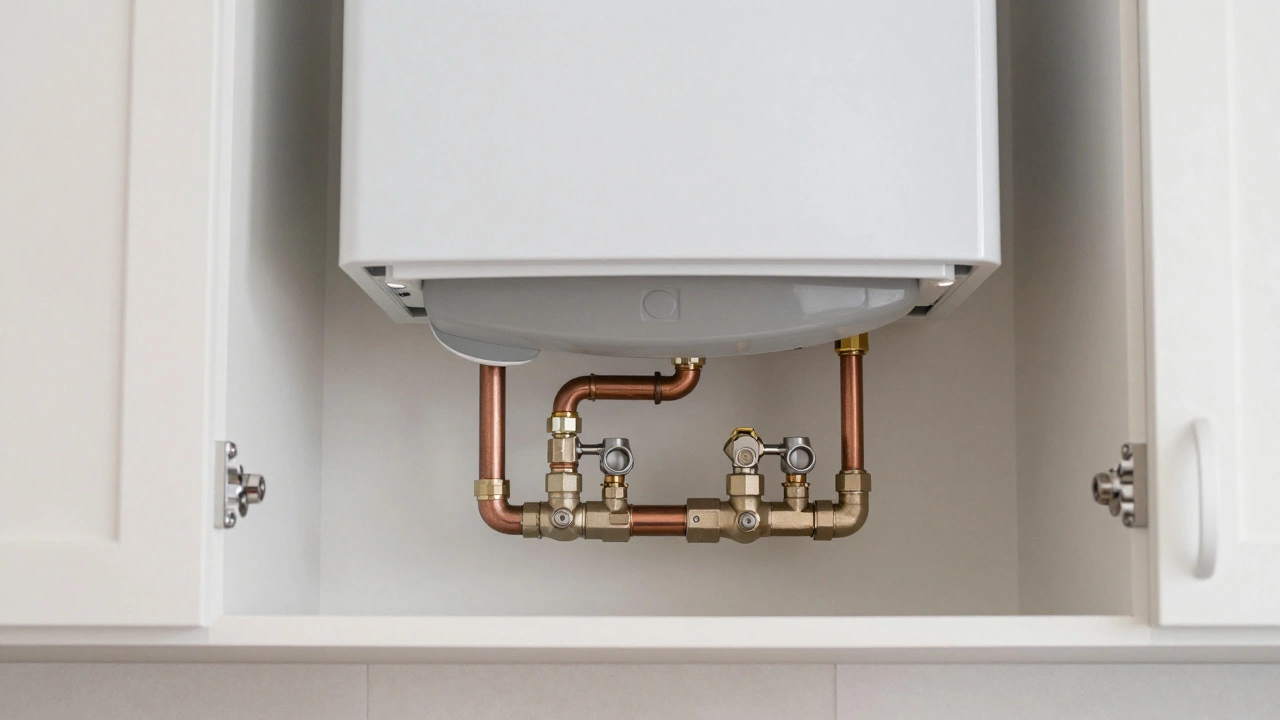
Wondering why boiler replacement is so expensive? We break down the costs of hardware, Gas Safe labor, and system upgrades to explain where your money actually goes.
Find out if a broken boiler always means no hot water. Learn common causes like diverter valve failure, low pressure, and how to troubleshoot your system.
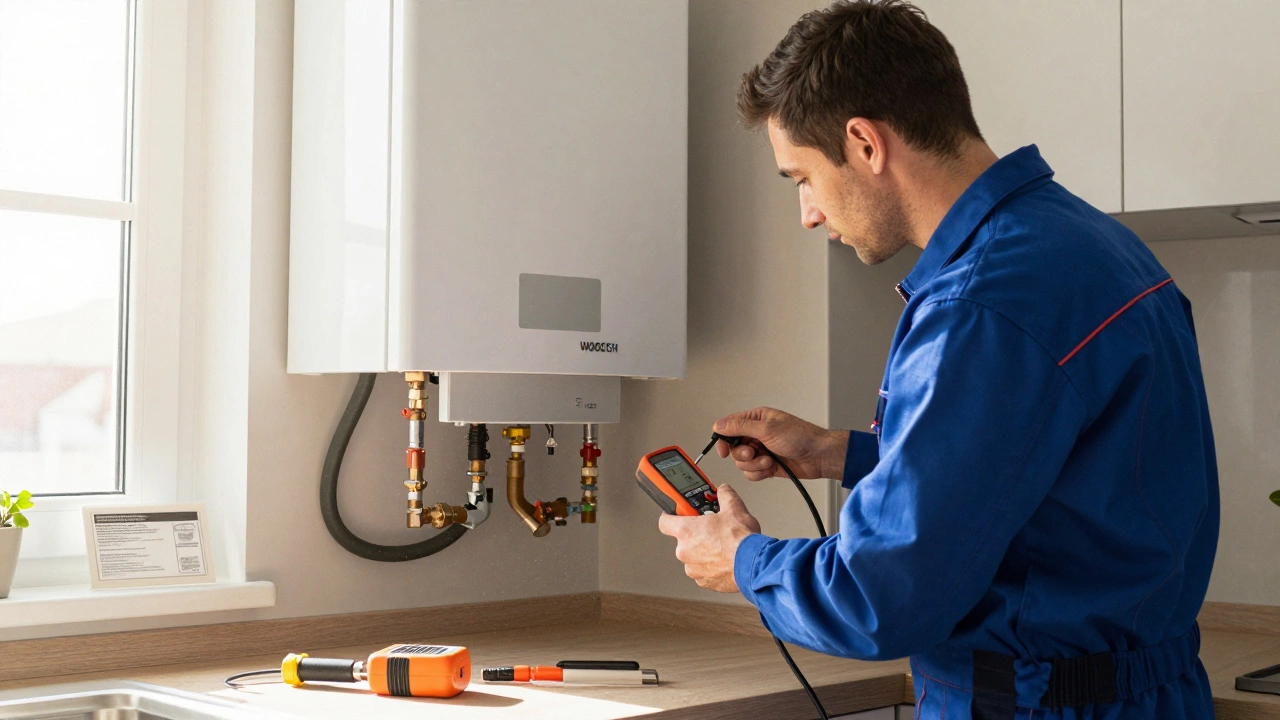
A typical boiler service takes 60 to 90 minutes, but older or neglected systems may require 2-3 hours. Regular annual servicing prevents breakdowns, improves efficiency, and keeps warranties valid. Always choose a plumber who tests gas safety and provides a written report.
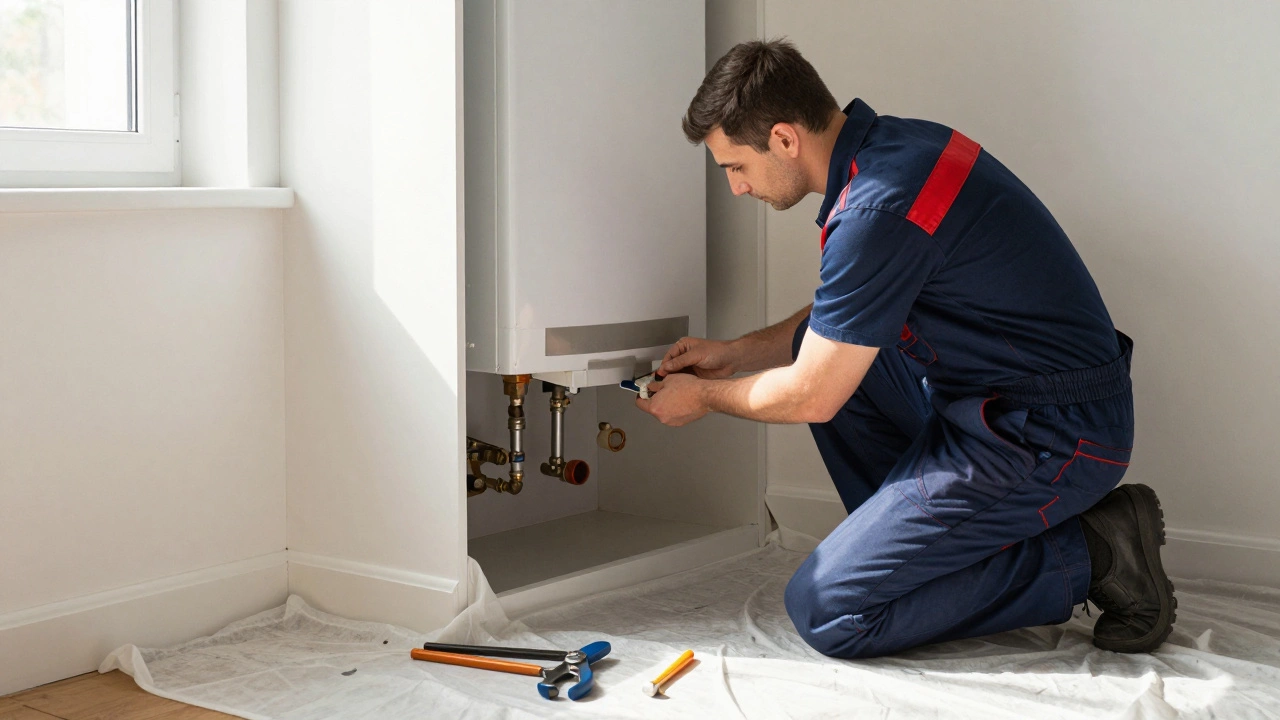
Replacing a boiler in the UK typically takes one to three days, depending on the type of boiler, system complexity, and home layout. Most installs finish in a single day if the new unit is in the same location.
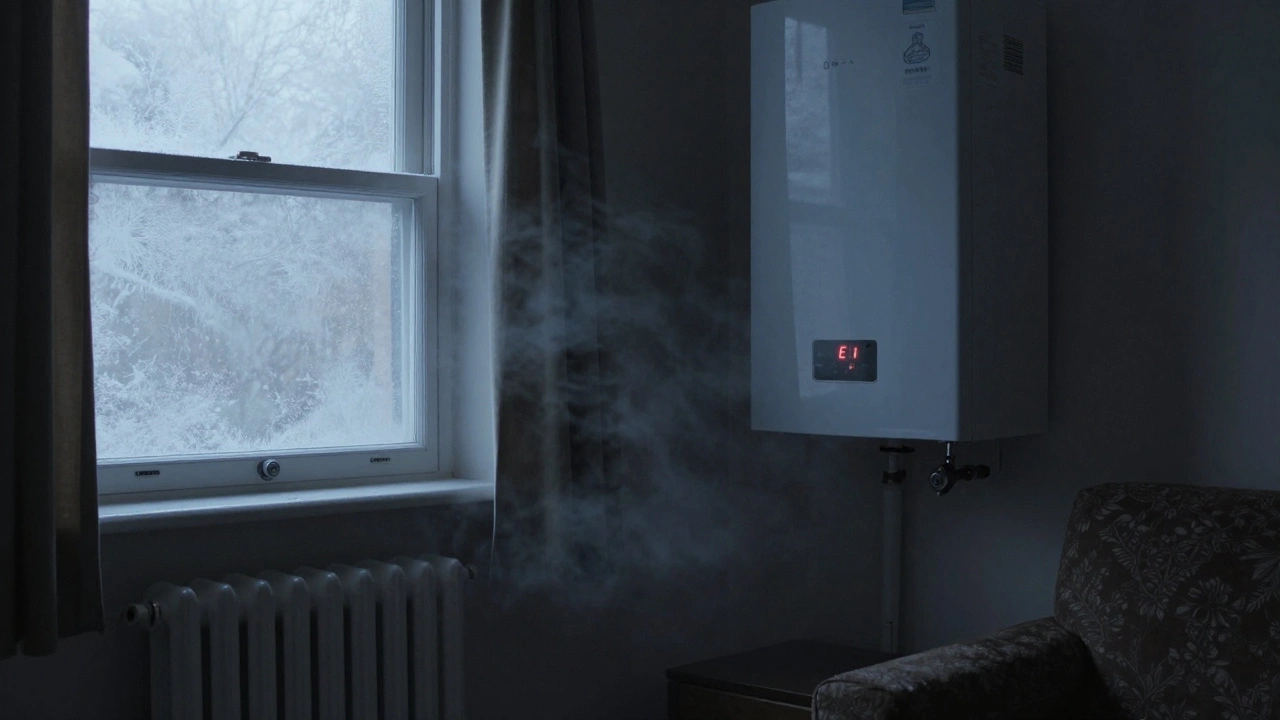
Learn the 7 clear signs your boiler is broken, from cold radiators to strange noises and gas smells. Know when to repair and when to replace before winter hits.
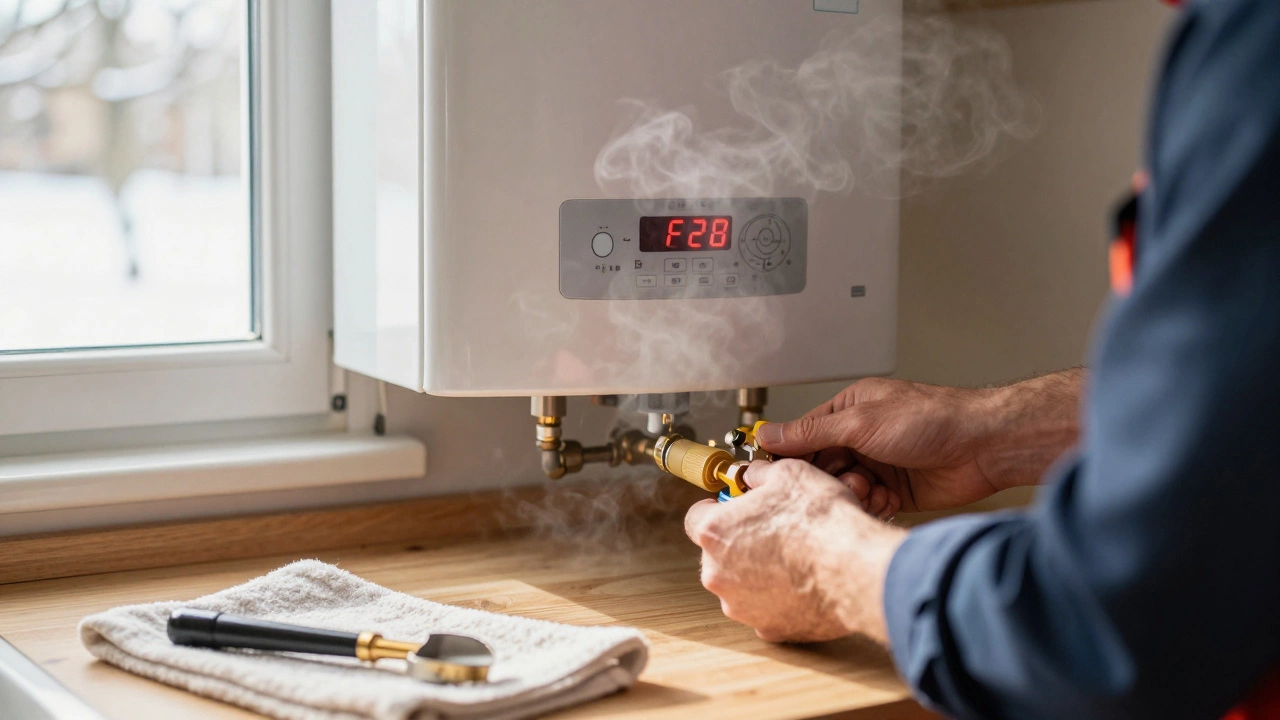
Boiler repairs in the UK usually take 1 to 3 hours, but major issues like a cracked heat exchanger can take half a day. Learn what affects repair time and when replacement is smarter than fixing.
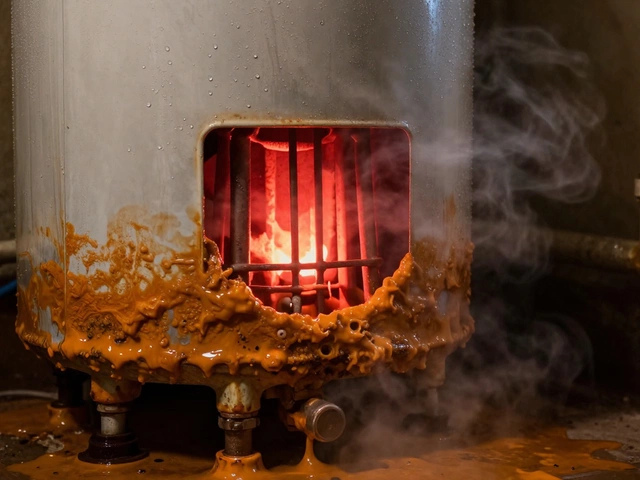
Sediment buildup from hard water is the #1 cause of water heater failure. Learn how mineral deposits damage your tank, why the anode rod matters, and simple steps to prevent leaks and extend your heater's life.

Discover how long pressure cookers last, comparing stovetop vs electric models. Learn signs of wear, repair options, and maintenance tips to extend lifespan safely.
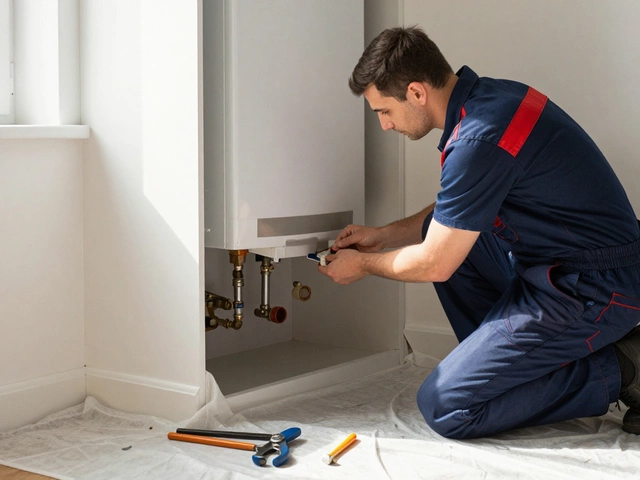
Replacing a boiler in the UK typically takes one to three days, depending on the type of boiler, system complexity, and home layout. Most installs finish in a single day if the new unit is in the same location.
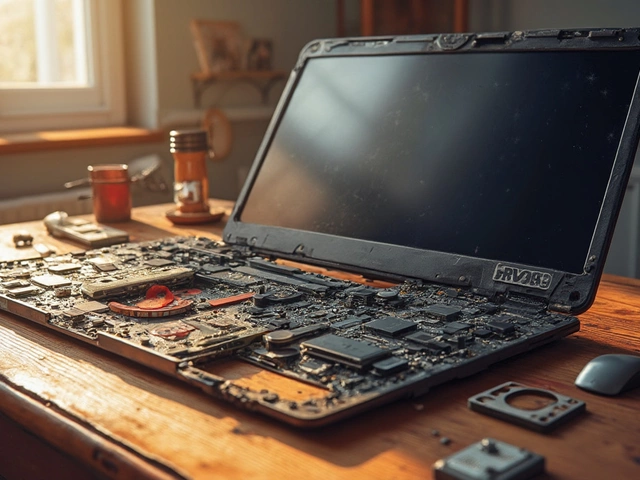
Fixing a laptop can often be a costly affair, with some components surprisingly pricey to replace. This article explores which part of a laptop typically incurs the highest repair costs and why. We dive into details like the high expense of screen and motherboard repairs, offering insights into why these parts hit the wallet hardest. Gain practical advice on maintaining your laptop to avoid these hefty bills in the first place, and discover some curious facts about common laptop repairs.

Leaving an electric oven on overnight sounds harmless, but it could spell real trouble. Learn the risks, facts, and safer options for your late-night cooking needs.