
Boiler Repair vs. Replacement Calculator
Input Details
Analysis & Recommendation
Enter details and click calculate to see if you should repair or replace.
Your boiler breaks down on the coldest day of the year. The radiator stays cold, and your phone rings with a quote that makes you wince. How much does it actually cost to get a boiler fixed? The short answer is anywhere from £80 for a simple reset to over £1,500 if major components fail. But there’s a lot more to it than just picking a number off the street.
In 2026, labor costs have risen, parts are pricier due to supply chain shifts, and emergency call-outs carry a premium. If you’re staring at a broken heating system, you need to know what you’re paying for so you don’t get ripped off. Let’s break down the real costs behind boiler repairs, who charges what, and how to keep your wallet intact while keeping your home warm.
The Quick Breakdown: What You’ll Pay
Before we dive into the weeds, here’s the snapshot most people want. Boiler repair costs generally fall into three buckets:
- Minor fixes (diagnostic + small part): £80 - £150. This covers things like a faulty thermostat, a stuck valve, or air in the system.
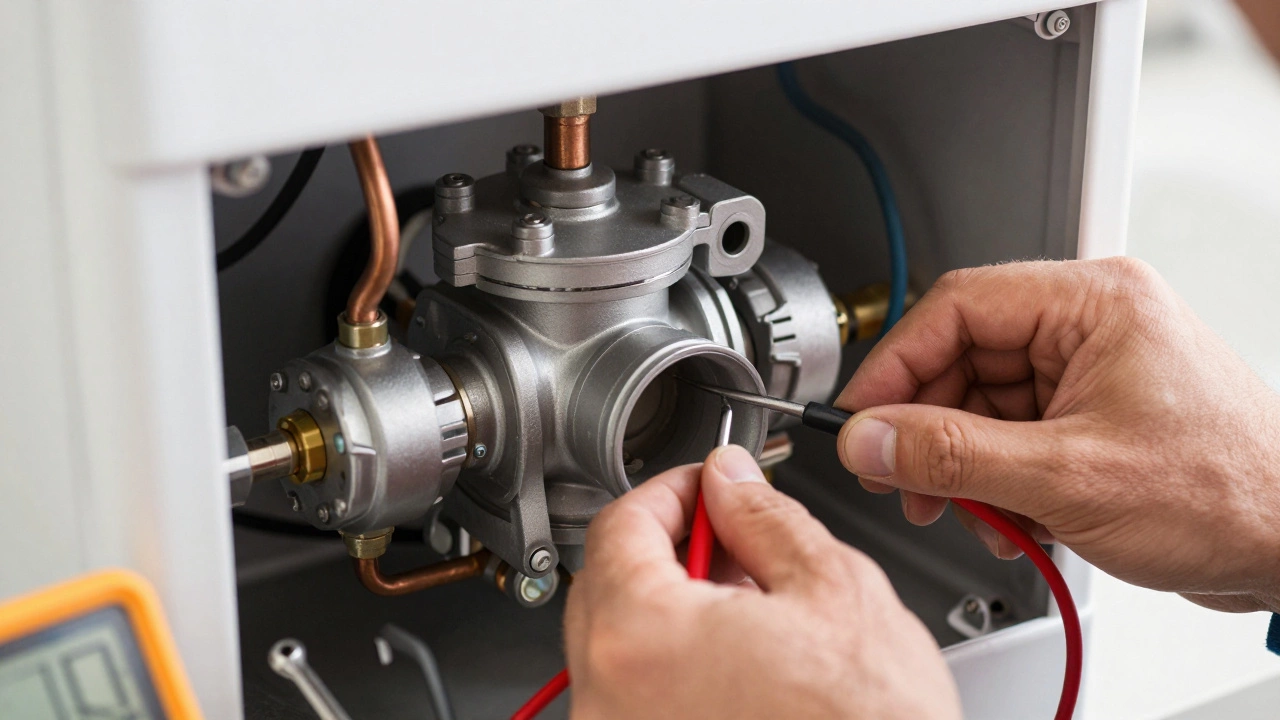
- Moderate repairs (component replacement): £150 - £400. Common issues include replacing the pump, diverter valve, or heat exchanger seals.
- Major repairs (critical component failure): £400 - £1,500+. This involves the main heat exchanger, gas valve, or control board failures.
Keep in mind these are average figures for the UK market in 2026. London and the Southeast tend to run 15-20% higher than the national average due to higher living costs for engineers.
| Component | Average Cost (£) | Labor Time |
|---|---|---|
| Thermostat / Stat | £80 - £120 | 30 mins - 1 hour |
| Circulation Pump | £150 - £250 | 1 - 2 hours |
| Diverter Valve | £180 - £300 | 1.5 - 2.5 hours |
| Heat Exchanger | £400 - £900 | 3 - 5 hours |
| Gas Valve | £300 - £600 | 2 - 4 hours |
| Control Board | £250 - £500 | 1 - 2 hours |
Why Prices Vary So Much
You might wonder why one engineer quotes £120 for a pump replacement while another asks for £350. It’s not always about greed; several factors drive these differences.
Call-out fees are the base charge an engineer makes just to show up at your door, regardless of whether they fix anything or not. In 2026, standard call-out fees range from £50 to £90 during normal business hours. If you call outside of those hours-nights, weekends, or bank holidays-that fee jumps to £100-£150. Some companies advertise “free call-outs,” but be careful: they often build that cost into the hourly rate or require you to proceed with the repair.
Hourly rates also differ significantly. A Gas Safe registered engineer typically charges between £45 and £75 per hour. Highly specialized technicians working on complex combi boilers or condensing systems may charge up to £90/hour. Remember, the clock starts when they leave their van, not when they arrive at your house.
Parts availability plays a huge role too. If your boiler model is discontinued, finding original OEM (Original Equipment Manufacturer) parts can take days. Engineers might have to source generic alternatives, which can affect warranty coverage and long-term reliability. Older boilers, especially those pre-dating 2006, often lack readily available parts, pushing repair costs higher or making replacement the more logical choice.
Hidden Costs That Catch People Off Guard
When budgeting for a repair, the quoted price isn’t always the final price. Here are the sneaky extras that add up:
- VAT: Most repair invoices include 20% VAT. Ensure your quote states whether prices are inclusive or exclusive of tax.
- Disposal fees: If old parts need to be removed and disposed of properly (especially refrigerants or hazardous materials), some engineers charge £20-£50 for waste management compliance.
- System flushes: If corrosion or sludge is causing the issue, the engineer may recommend a power flush. This isn’t part of the standard repair and costs an additional £250-£400.
- Emergency premiums: Calling out after 6 PM or on Sundays can double the labor rate. Is it worth it? Only if you’re freezing or have no hot water and live alone.
Always ask for a fixed-price quote before work begins. Hourly billing can spiral quickly if the job turns out to be trickier than expected.
Repair vs. Replace: When Does It Make Sense?
This is the million-dollar question. Just because something *can* be fixed doesn’t mean it *should*. Here’s a practical rule of thumb used by many heating engineers:
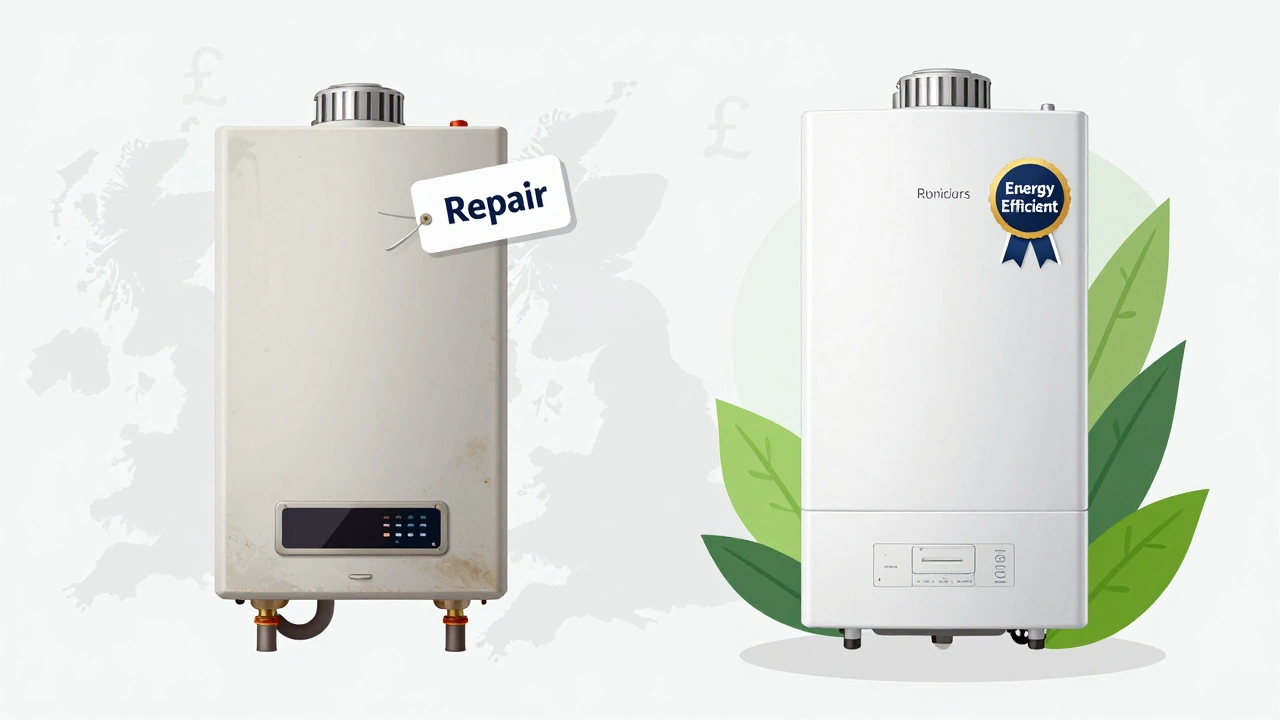
If the repair cost exceeds 50% of the price of a new boiler installation, consider replacement. For example, if a new combi boiler costs £2,500 installed, any repair over £1,250 should trigger serious consideration of upgrading.
Age matters too. Boilers older than 10 years lose efficiency rapidly. A modern condensing boiler operates at 90%+ efficiency, while an older non-condensing unit might sit at 70%. That 20% difference translates to significant savings on your annual energy bill. In 2026, with energy prices remaining volatile, upgrading to an A-rated boiler could pay for itself within 3-5 years through reduced gas consumption.
Also consider warranty status. New boilers come with 5-12 year warranties depending on the brand and registration type. An old boiler has no safety net. One more breakdown next winter means another full repair bill.
How to Save Money on Boiler Repairs
You don’t have to accept the first quote you get. Here are actionable steps to reduce costs without compromising safety:
- Get multiple quotes: Call at least two Gas Safe registered engineers. Compare their call-out fees, hourly rates, and parts pricing. Don’t just go with the cheapest-check reviews and credentials.
- Schedule during off-peak times: Avoid calling out on Fridays, evenings, or weekends. Mid-week daytime appointments often come with lower rates.
- Check your insurance: Many home insurance policies cover boiler breakdowns. Check if you have a breakdown policy included. Some insurers have preferred providers with negotiated rates.
- Maintain proactively: Annual servicing costs £80-£120 but prevents many expensive failures. Clean filters, bleed radiators, and check pressure regularly to avoid unnecessary call-outs.
- Beware of “too good to be true” offers: Quotes under £50 usually hide hidden fees or use unqualified workers. Never hire someone who isn’t Gas Safe registered-it’s illegal and dangerous.
One pro tip: Ask if the engineer carries common parts in their van. If they need to order a part and return later, you’ll pay a second call-out fee. Technicians who stock pumps, thermostats, and valves can often complete repairs in one visit.
Red Flags: When to Walk Away
Not all repair quotes are created equal. Watch out for these warning signs:
- No written quote: Verbal agreements lead to disputes. Always get details in writing.
- Pressure tactics: “If you don’t sign now, the price goes up tomorrow.” Legitimate engineers give you time to decide.
- Refusal to show Gas Safe ID: This is non-negotiable. Unregistered work voids insurance and risks carbon monoxide poisoning.
- Upselling unnecessary services: If an engineer insists you need a new boiler when a £150 fix would do, get a second opinion.
Your safety comes first. Cheap repairs done poorly can cause gas leaks, fires, or inefficient operation that wastes money long-term.
Understanding Your Boiler Type Matters
Not all boilers are the same, and repair complexity varies by type. Knowing what you have helps you understand the quote:
- Combi boilers: Most popular in UK homes. They provide instant hot water and heating. Repairs tend to be moderate in cost due to compact design and fewer components.
- System boilers: Work with a hot water cylinder. More complex plumbing means potentially higher labor costs for diagnostics.
- Regular (conventional) boilers: Oldest style, requiring both a cylinder and cold water tank. Parts are widely available, but labor-intensive installations can make repairs pricier.
Condensing technology, mandatory since 2006, adds complexity. These boilers recover heat from exhaust gases, meaning more seals, pipes, and drainage points that can fail. Non-condensing boilers are simpler but less efficient and harder to find parts for today.
Is it cheaper to repair or replace a boiler?
It depends on age and repair cost. If your boiler is under 8 years old and the repair is under £400, fixing it usually makes sense. If it’s over 10 years old or the repair exceeds £800, replacement is often more economical long-term due to improved efficiency and warranty coverage.
How much does a boiler call-out fee cost in 2026?
Standard weekday call-out fees range from £50 to £90. Evening, weekend, or bank holiday call-outs cost £100 to £150. Some companies offer free call-outs if you proceed with the repair, but verify this in writing beforehand.
Can I negotiate the price of a boiler repair?
Yes, especially for fixed-price quotes. Get multiple estimates and mention competing offers. Engineers often match prices to secure the job. However, don’t negotiate on safety standards or qualifications-always prioritize Gas Safe registration.
What’s the most common boiler repair and its cost?
The most frequent repair is a faulty circulation pump, costing £150-£250 including parts and labor. Other common issues include thermostat replacements (£80-£120) and diverter valve failures (£180-£300).
Do I need a Gas Safe engineer for every boiler repair?
Yes, any work involving gas components must be performed by a Gas Safe registered engineer. This is a legal requirement in the UK. Electrical-only tasks like replacing external thermostats can sometimes be done by qualified electricians, but internal gas work requires Gas Safe certification.