Boiler Replacement Cost Estimator
Estimate Your Project
Cost Breakdown
Adjust the options and click calculate to see the estimated costs.
Quick Summary: What Drives the Price
- Hardware Costs: Modern high-efficiency units use expensive heat exchangers and electronic controllers.
- Certification: Only registered professionals can legally touch your gas lines to prevent explosions.
- Installation Labor: It is rarely a simple "swap"; it often involves rerouting pipes and venting.
- System Integration: Updating old radiators and valves to work with new pressure levels.
- Materials: The cost of copper piping and flue kits has risen significantly over the last few years.
When you look at a quote, the first thing you see is the price of the boiler replacement cost is the total expenditure required to remove an old heating unit and install a modern, functioning alternative . But a boiler isn't like a microwave. You can't just plug it in and walk away. The actual unit is just the starting point. A significant portion of your money goes toward ensuring the system doesn't leak, blow up, or waste half your money on energy bills through the walls.
The Hidden Cost of Safety and Law
In the UK, you can't just hire a handy friend to swap your boiler. By law, anyone working on gas appliances must be on the Gas Safe Register is the official list of gas engineers who are qualified and legally allowed to work on gas appliances in Great Britain . This isn't just red tape; it is about not waking up to a carbon monoxide leak. These engineers spend years training and pay for expensive certifications to maintain their status.
When you pay a Gas Safe engineer, you are paying for a liability guarantee. They have to perform rigorous pressure tests on your pipework and conduct a flue gas analysis. If they find a leak in a pipe three rooms away from the boiler, they have to fix it before they can legally sign off on the installation. This "scope creep" is why a simple quote often turns into a larger bill.
Hardware: Why Modern Boilers Are Pricey
Old boilers were basically big kettles. Modern units are sophisticated computers that manage thermal dynamics. Most homes now install Condensing Boilers are highly efficient heating systems that recover heat from exhaust gases to reduce fuel consumption . These units use a secondary heat exchanger to capture heat that used to just vanish up the chimney.
The materials inside are expensive. High-grade stainless steel and aluminum alloys are used to prevent corrosion from the acidic condensate water. Then there are the electronic components. A modern boiler uses sensors to modulate the flame height precisely, meaning it only burns exactly as much gas as you need. This precision engineering costs more upfront but saves you a fortune on your monthly gas bill.
| Feature | Old Non-Condensing | Modern Condensing | Combi Boiler |
|---|---|---|---|
| Efficiency | ~60-70% | ~90% + | High |
| Internal Parts | Basic Steel/Iron | Stainless/Aluminum | Integrated Tank |
| Installation | Simple Pipework | Complex Flue/Drain | Compact/All-in-one |
| Upfront Price | Low (Legacy) | Medium-High | High |
The Installation Nightmare: It is Never Just a "Swap"
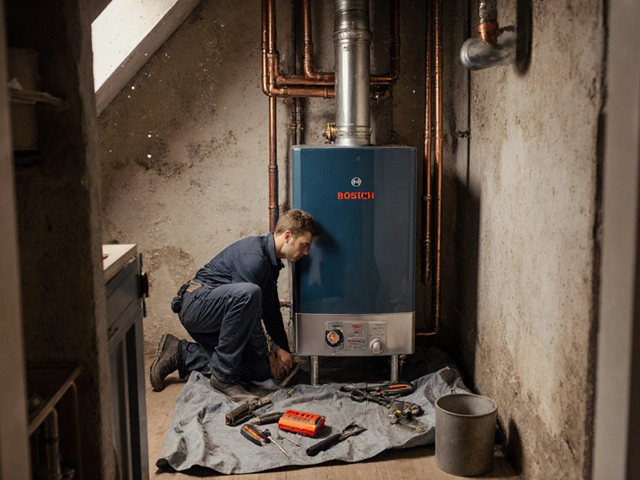
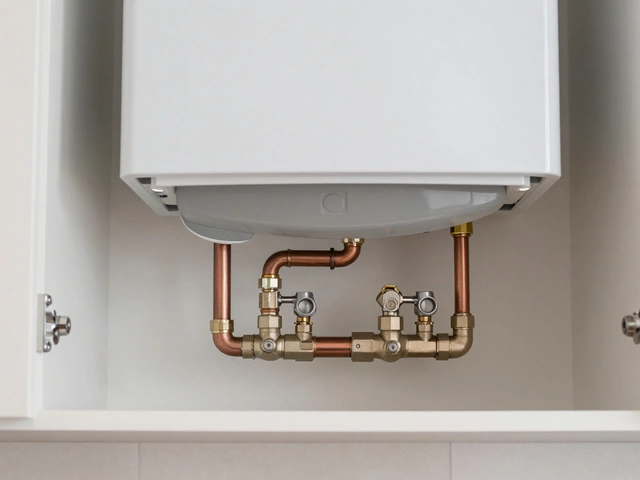
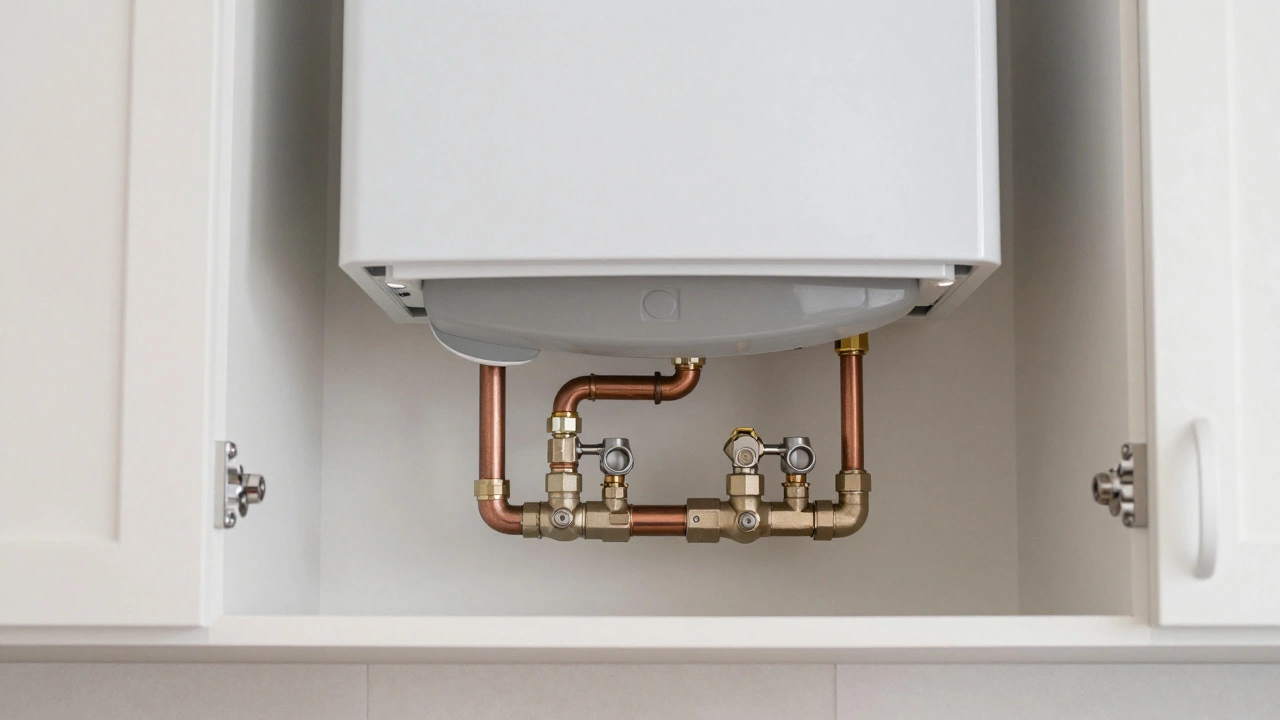
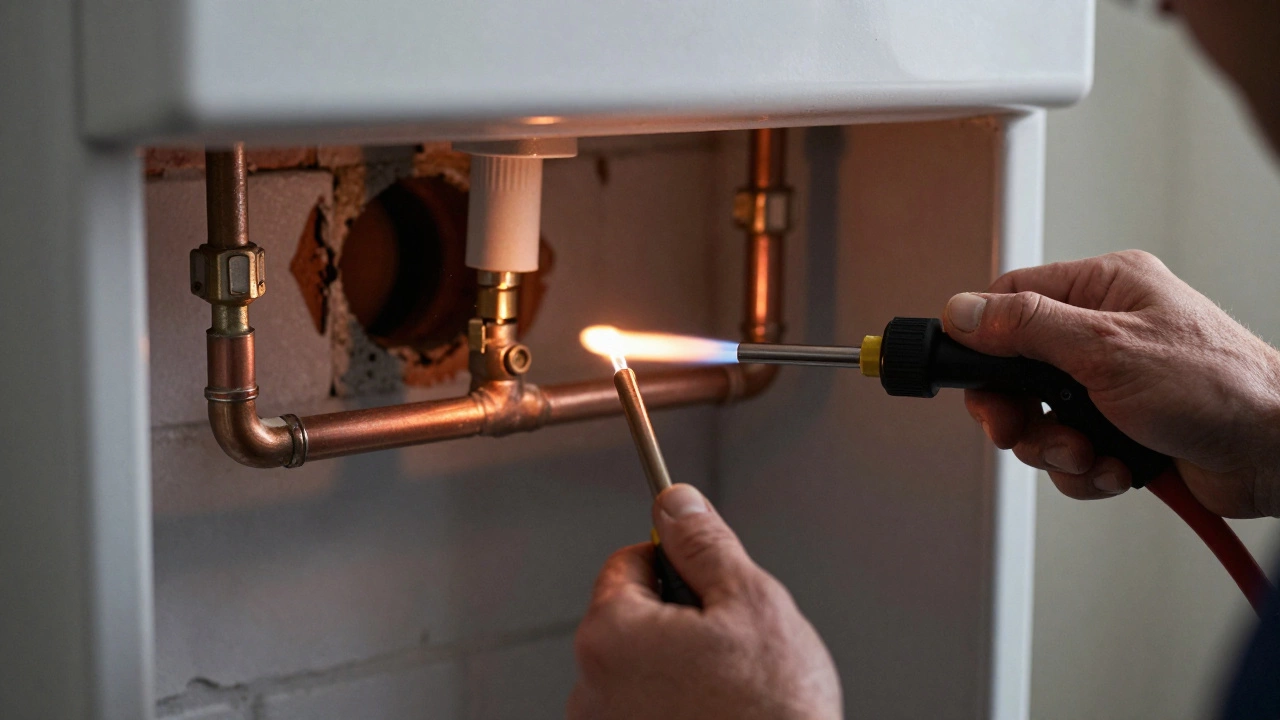
Imagine you're replacing a 15-year-old boiler. The new model is likely a different shape and size. This means the existing pipes probably won't line up. The engineer has to cut, bend, and solder new copper pipes to fit the new configuration. This is manual, skilled labor that takes hours of focused work.
Then there is the Flue is the exhaust pipe that carries combustion gases from the boiler to the outside of the building . If the new boiler requires a different flue position or diameter, the engineer might have to core-drill a new hole through your external brick wall. That is not a five-minute job; it involves heavy machinery and a lot of dust cleanup.
If you are moving from a traditional system to a Combi Boiler is a combination boiler that provides both heating and instant hot water without the need for a separate hot water cylinder , the cost jumps because you're removing an entire hot water tank and the associated plumbing. While this saves space, the labor to rip out old tanks and reroute the cold water feed adds to the final price tag.
System Health: The "Invisible" Work
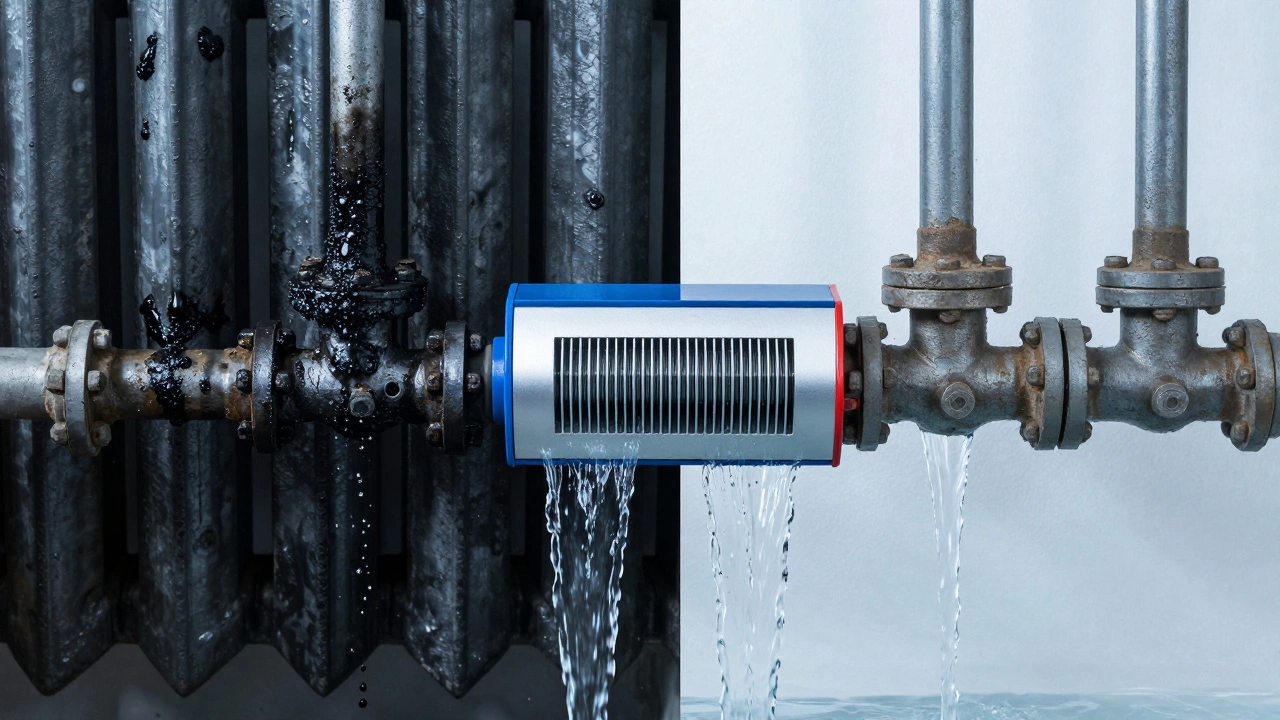
A new boiler is like putting a Ferrari engine into an old rusty car. If your radiators are full of sludge-a black, metallic oxide byproduct-the new boiler will struggle to push water through the system. This puts immense strain on the pump and can lead to a premature breakdown.
To prevent this, engineers perform a Power Flush is a process of cleaning out the entire central heating system using high-pressure water and chemicals to remove sludge . They pump chemicals through your radiators to scrub them clean. This process takes several hours and requires specialized equipment, adding a few hundred pounds to the bill. Without it, you risk voiding the warranty on your expensive new machine.
You might also need a magnetic filter. These devices sit in the pipework and catch metallic debris before it enters the boiler's heat exchanger. It is a small part, but it is a critical insurance policy for a system that costs thousands of pounds.
Why the Quotes Vary So Much
You might get three quotes that differ by 2,000 pounds. This usually comes down to how they handle the "extras." One engineer might give you a base price for just the box and the basic connection. Another will include the flue, the magnetic filter, a new thermostat, and the power flush in the total.
There is also the brand premium. A boiler from a premium manufacturer often comes with a 10-year warranty. You aren't just paying for the metal; you're paying for a decade of peace of mind. If a part fails in year seven, the manufacturer covers it. Cheaper boilers often have 2- or 5-year warranties, meaning you're taking a bigger gamble on future repair costs.
Ways to Manage the Cost
If the total is overwhelming, there are a few ways to bring the price down or spread the pain. Many installers now offer finance plans because they know most people don't have 3,000 pounds sitting in a drawer. Paying 50 pounds a month is much easier than a lump sum.
Another tip is to look at the timing. Installers are often slammed in November and December when the first cold snap hits and everyone's old boilers finally give up. If you can spot the signs of a failing boiler in August-like strange knocking sounds or inconsistent heat-and replace it during the summer "off-season," you might find engineers more willing to negotiate on the labor rate.
Is it cheaper to repair an old boiler or replace it?
If the repair is a simple sensor replacement or a valve fix, repair is cheaper. However, if the heat exchanger has cracked or the main circuit board is fried on an ancient model, the repair cost can be 30-50% of the cost of a new unit. Since a new boiler is significantly more efficient, it usually pays for itself in gas savings within a few years, making replacement the smarter long-term financial move.
How long does a boiler replacement actually take?
A straightforward swap typically takes one full day. However, if you are switching to a combi boiler (removing a tank) or if the system needs a full power flush, it can take two to three days. This depends on the complexity of your pipework and whether the engineer is working alone or with an apprentice.
Will a new boiler actually lower my monthly bills?
Yes, significantly. Older non-condensing boilers often waste 30-40% of the energy they produce. Modern condensing models are usually over 90% efficient. Depending on the size of your home and your current boiler's age, you could see a reduction in your gas consumption by 20% to 30% almost immediately.
What is the difference between a system boiler and a combi boiler?
A combi boiler heats water on demand and sends it straight to your taps, meaning you don't need a hot water cylinder. A system boiler still requires a separate cylinder to store hot water, but it has its own internal pump to move water around the radiators. Combi boilers save space; system boilers are often better for very large houses with multiple bathrooms.
What happens if I don't get a Gas Safe registered engineer?
Aside from the extreme risk of gas leaks or carbon monoxide poisoning, it is illegal. Your home insurance will likely be void if they find out an unregistered person worked on your gas lines. Furthermore, you will not get a building regulations compliance certificate, which is required when you eventually try to sell your house.
Next Steps for Homeowners
If you think you need a new boiler, don't just take the first quote. Get three different estimates and ask specifically if they include the power flush and the magnetic filter. If one quote is suspiciously low, check if they've included the flue and the VAT.
If you are on a tight budget, check for government grants or local energy efficiency schemes. Some regions offer loans or subsidies for upgrading to low-carbon heating systems. Whatever you choose, prioritize the warranty length over the brand name; a 10-year guarantee is the best way to ensure that the "expensive" cost of replacement doesn't happen again for a long time.