

Thinking about a new boiler? Whether you’re replacing an old unit or adding heating for the first time, getting the install right saves money and headaches. Below you’ll find the basics on picking the right boiler, the steps a pro follows, and the moments when you should leave it to an expert.
First off, decide what type of boiler fits your home. Most UK homes use gas‑combination (combi) boilers because they heat water on demand and don’t need a separate tank. If you have a big family or multiple bathrooms, a system or regular boiler with a hot‑water cylinder might be smarter.
Size matters. A boiler that’s too small will struggle on cold nights; too big and you waste fuel. Use your home’s square footage, number of radiators and hot‑water demand to calculate the required BTU rating. Many installers offer a free sizing check – take advantage of it.
Check local regulations. In most areas you need a Gas Safe registered engineer to work on gas lines, and a building permit may be required for major changes. Skipping paperwork can lead to fines or an unsafe system.
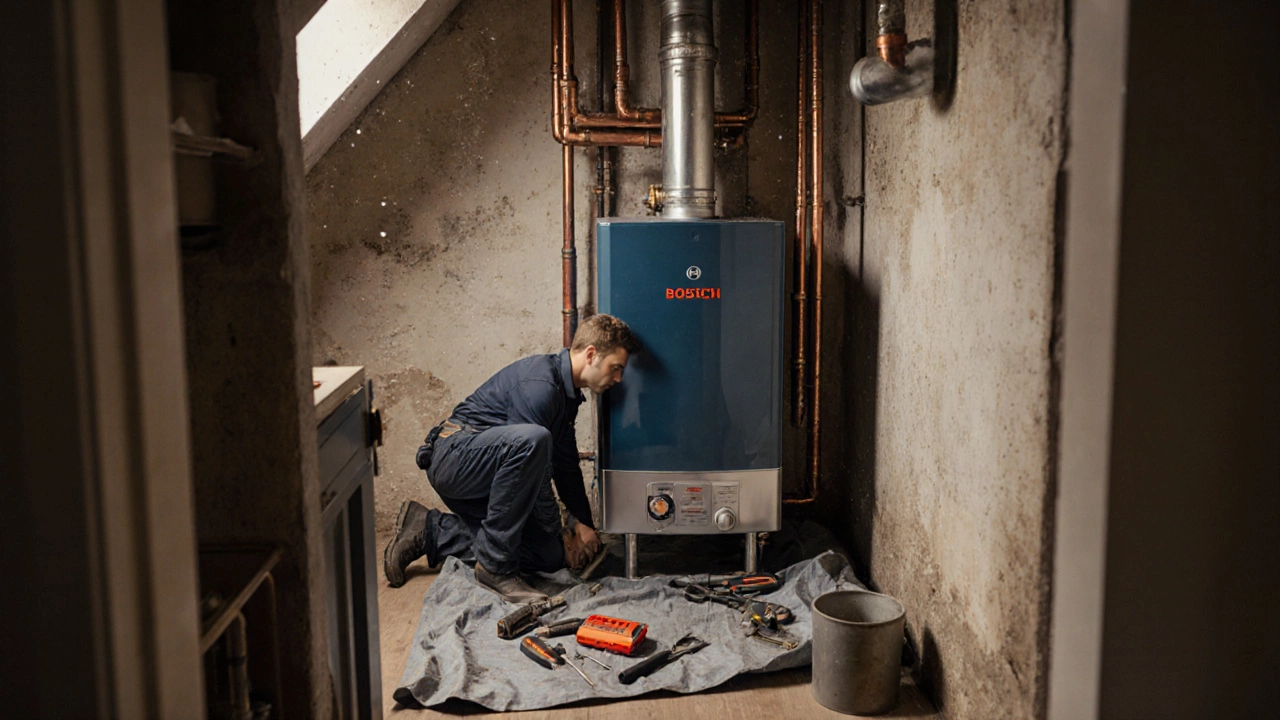
1. Shut down the old system. The engineer turns off the gas, isolates the water supply and drains the system to avoid leaks.
2. Prepare the location. The new boiler needs a sturdy wall bracket, proper ventilation and enough clearance for maintenance. The installer may move pipework or add a new flue if the current one isn’t suitable.
3. Mount the boiler. Using the bracket, the unit is lifted into place and secured. This step often requires a lift or helper, especially for larger models.
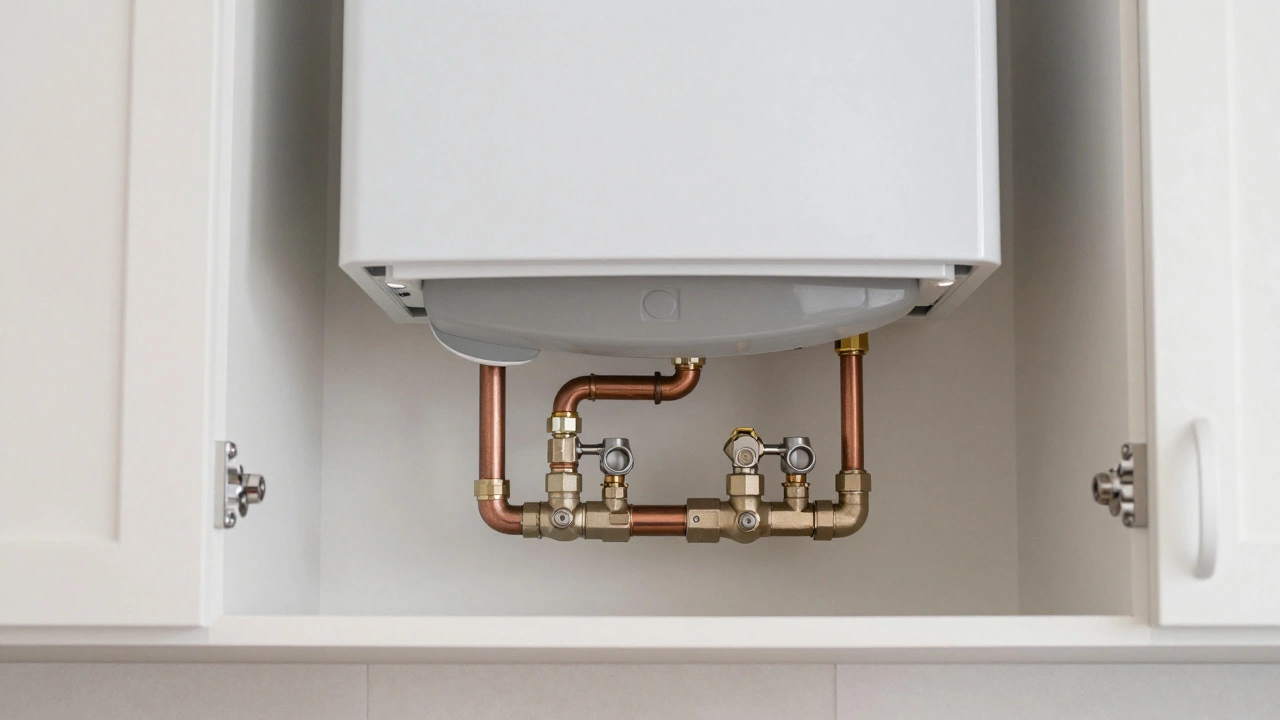
4. Connect gas and water. Certified engineers attach the gas pipe with a tight seal and fit the water inlet/outlet. Pressure tests ensure there are no leaks before the system is sealed.
5. Install the flue. The flue carries exhaust gases outside. It must be correctly angled and sealed to prevent carbon monoxide from entering the home.
6. Fill and bleed the system. Water is re‑filled, air is bled from radiators, and the pressure gauge is set to the manufacturer’s recommended level.
7. Test and commission. The engineer fires up the boiler, checks temperature, verifies safety devices, and runs a full cycle. A carbon monoxide detector is installed if one isn’t already present.
If anything feels off – strange noises, low pressure, or uneven heating – call the installer right away. Those are the same warning signs discussed in our "Worried About Your Boiler?" article and the "Boiler Service Cost Guide 2025" that explains why regular checks matter.
Most homeowners wonder whether they can DIY the job. Our "Can I Repair My Boiler Myself?" guide makes it clear: working with gas lines is risky and illegal without a Gas Safe licence. Even simple tasks like flushing a water heater (see "How Often Should You Flush Your Water Heater?") are best left to professionals unless you’re comfortable with plumbing basics.
Bottom line: pick the right boiler, get the right permits, and let a qualified engineer handle the heavy lifting. A proper install means lower bills, fewer breakdowns, and peace of mind. When you’re ready, call a Gas Safe registered professional and ask for a written quote that includes boiler removal, installation, and a first‑year service. Happy heating!
Wondering why boiler replacement is so expensive? We break down the costs of hardware, Gas Safe labor, and system upgrades to explain where your money actually goes.
Replacing a boiler costs thousands because it's not just the unit-it's labour, safety checks, pipe upgrades, and compliance. Learn why this big investment is necessary and how to avoid overpaying.
Curious about how much a new boiler might set you back? This article breaks down the costs involved, from purchasing the unit to installation fees. Understand the factors that influence pricing and learn practical tips to get the most value from your investment. Discover essential maintenance advice and the importance of proper sizing and efficiency ratings. Equip yourself with knowledge before making a decision about your home's heating system.

Navigating the cost of a new boiler can be confusing. This guide dives into typical pricing, key considerations for your budget, and how to make the best decision for your home. We'll explore average costs, the impact of brands and models, and provide tips for saving money. Get the information you need to keep your home warm without breaking the bank.
Is your washing machine considered old? Learn the real lifespan, signs it's aging, and pro tips to keep it running longer. Get real facts and advice from an expert.
Thinking about whether to repair an 8-year-old oven? This article digs into the real costs and benefits, from repair bills to how long ovens actually last. You'll get tips on diagnosing simple issues yourself, signs to look for before calling a pro, and how energy efficiency compares between old and new models. See how warranties, brand reputation, and parts availability impact the final call. Get advice that’s practical, straight-up, and doesn’t waste your time.
Determining when your hot water heater needs replacement isn't always straightforward. This guide explores key signs such as irregular water temperatures, strange noises, and age that might indicate it's time to get a new unit. Understanding these signs not only ensures a reliable hot water supply but also prevents potential damage and higher energy bills. Additionally, we discuss some tips for maintenance to prolong the life of your current system.
Wondering if you should flush or just drain your water heater? This article breaks down the difference, when each method makes sense, and what actually helps your water heater last longer. You'll find practical advice, simple tips, and a few things even pros forget. Discover the truth about tank cleaning—without the jargon or confusion. Your next maintenance day just got a lot less stressful.
Is a laptop an appliance? Discover why the distinction between consumer electronics and household appliances matters for repairs, warranties, and insurance.