Microwave Trouble-Shooter
Answer a few questions to see if your symptoms point toward a failed magnetron or another issue.
1. Is the microwave powering on (lights on, timer working)?
Quick Checklist: Is Your Magnetron Dead?
- The microwave runs and the turntable spins, but the food stays cold.
- You hear a loud, unusual humming or buzzing sound during operation.
- The appliance smells like burning electronics or ozone.
- The microwave makes a popping sound and then stops working entirely.
- The food heats unevenly or takes three times longer than usual.
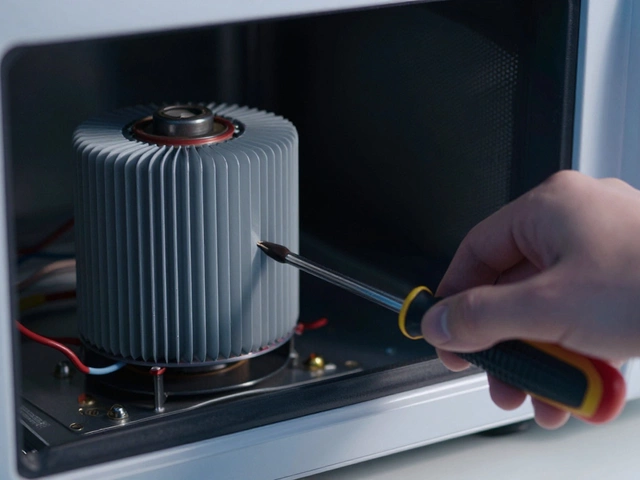
Before we get into the weeds, let's define what we're dealing with. Magnetron is a high-powered vacuum tube that converts electrical energy into microwave radiation. It's the heavy, metal component with cooling fins that actually creates the waves that vibrate water molecules in your food. Without a functioning magnetron, you have no heat.
The Most Common Red Flags
The most obvious symptom of a bad magnetron symptoms is a total lack of heat. If your microwave looks and sounds like it's working-the light is on, the plate is spinning, and the fan is blowing-but your coffee is still cold after a minute, the magnetron has likely failed. This happens because the vacuum seal inside the tube has leaked or the filament has burned out, meaning it can no longer generate the electromagnetic waves needed for cooking.
Then there's the noise factor. A healthy microwave has a consistent hum. However, if you notice a loud, vibrating buzz or a grinding sound that wasn't there before, the magnetron might be struggling. This often happens when the internal components are failing or when the high-voltage transformer is pushing power into a faulty magnetron. If the sound is accompanied by a distinct smell of burning plastic or a metallic "ozone" scent, stop using the machine immediately. That's a sign of an electrical short or overheating.
Some magnetrons don't just die instantly; they fade away. You might find that your food takes significantly longer to heat than it used to. If a potato that normally takes five minutes now takes ten, the magnetron is losing its efficiency. You'll see a drop in the power output, which is essentially the "wattage" the device can actually deliver to your food.
How to Tell if It's Actually the Magnetron
It's easy to blame the magnetron, but other parts can mimic these symptoms. For example, if the microwave won't start at all, it's likely the Door Switch. If the switch doesn't signal that the door is closed, the magnetron will never receive power. If the machine starts but the plate doesn't move, you might have a failed Turntable Motor, which is a separate issue from heating.
| Symptom | Magnetron Issue | High-Voltage Capacitor | Door Switch/Interlock |
|---|---|---|---|
| Runs but no heat | Very Likely | Possible | Unlikely |
| Loud buzzing/humming | Common | Rare | No |
| Won't start/No light | No | Possible | Very Likely |
| Burning smell | Possible | Likely | Rare |
Another culprit is the High-Voltage Capacitor. This component stores electricity to help the magnetron kick off. If the capacitor is blown, the magnetron won't get the surge of power it needs to start. To the user, the result is the same: cold food. However, a capacitor failure often results in a blown fuse, meaning the whole machine will be dead, whereas a bad magnetron often lets the rest of the microwave run normally.
The Danger Zone: Why You Shouldn't DIY This
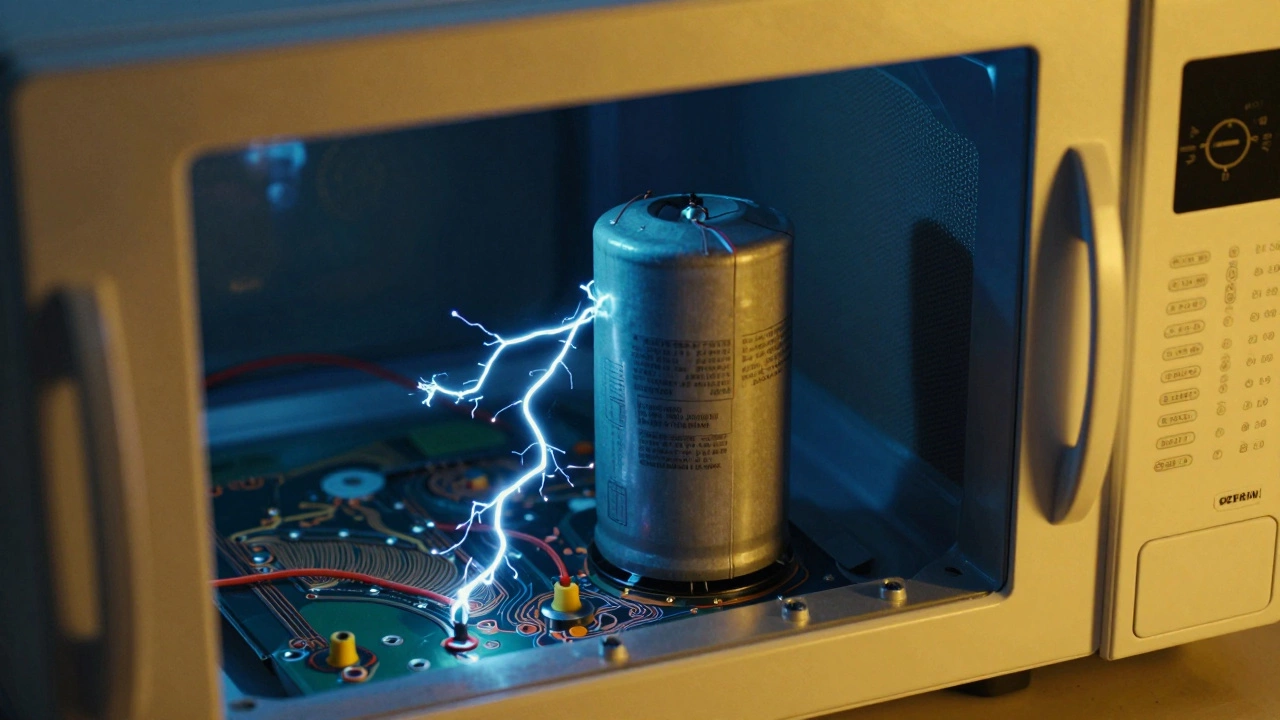
Here is the most important part of the whole discussion: microwaves are dangerous to repair, even when unplugged. The High-Voltage Capacitor can hold a lethal electrical charge for days. If you open the case and touch the wrong lead, you can get a shock that is strong enough to stop your heart. This isn't a "maybe" risk; it's a factual danger of the hardware.
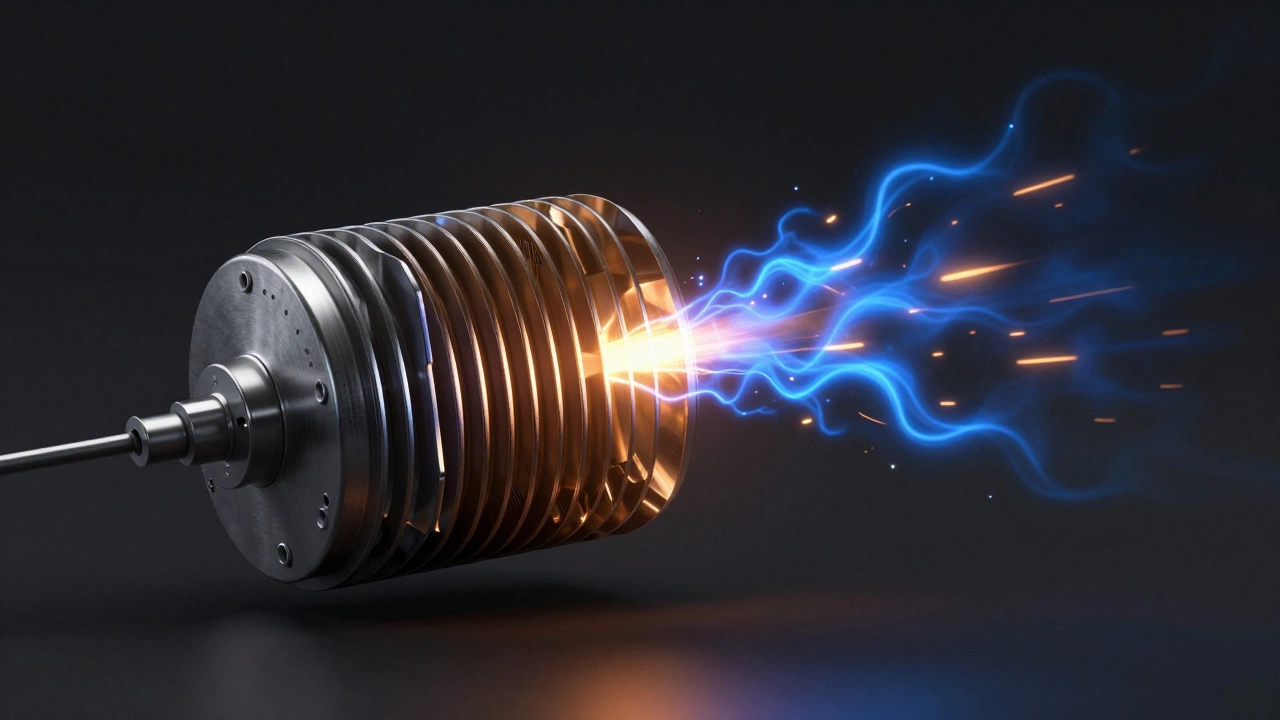
Professional technicians use a specialized discharge tool to safely drain the electricity from the capacitor before touching any internal components. If you aren't trained in high-voltage safety, the cost of a professional repair is a small price to pay compared to the risk of electrocution. Additionally, replacing a magnetron requires precise installation to ensure the Waveguide (the metal tube that directs the waves) is properly aligned. If it's slightly off, you can cause "arcing," which looks like small lightning bolts inside your oven and will destroy the new part instantly.
When to Replace the Part vs. Replacing the Microwave
Once you've confirmed the magnetron is the problem, you have to decide if it's worth fixing. A new magnetron can cost anywhere from $50 to $150 depending on the model, but adding the labor cost of a certified technician can push that total toward the price of a brand-new entry-level microwave.
If you have a high-end, built-in Convection Microwave that cost $500+, it almost always makes sense to replace the part. These machines have more complex circuitry and better build quality. However, if you're using a $99 countertop model from a big-box store, the cost of the part and labor will likely exceed the value of the machine. In those cases, it's better to recycle the old one and buy a new unit.
Preventing Future Failures
Can you stop a magnetron from dying? Not entirely, but you can certainly extend its life. The biggest enemy of a magnetron is running the microwave while it's empty. When there is no food or water to absorb the microwaves, the energy bounces back into the magnetron. This causes overheating and can fry the internal filament very quickly.
Always make sure there is something in the oven. If you're just testing it, put a glass of water inside. Also, keep the interior clean. Food splatters on the Microwave Waveguide Cover (the small cardboard-like rectangle on the side wall) can cause arcing. When energy hits a piece of burnt popcorn or grease, it creates a localized hotspot that can reflect energy back into the magnetron, shortening its lifespan.
Can I test my magnetron with a multimeter?
Yes, but only if you know how to safely discharge the high-voltage capacitor first. A technician will check for continuity between the magnetron's terminals and the chassis. If there is continuity (low resistance), the magnetron is shorted and must be replaced. Do not attempt this without proper safety gear and training.
Why does my microwave smell like it's burning but still heats?
This is often a sign that the magnetron is starting to fail or that there is a buildup of debris on the waveguide cover. If the smell is electrical, it could be the high-voltage transformer overheating. This is a warning sign; continue use may lead to a total failure or a fire hazard.
How long does a typical microwave magnetron last?
Depending on usage, a magnetron can last anywhere from 7 to 12 years. Factors that shorten its life include running the unit empty, overloading the machine, or ignoring debris buildup inside the cooking chamber.
Is it possible for the fuse to blow and cause no heat?
Usually, if a fuse blows, the microwave won't power on at all. However, some microwaves have separate fuses for different circuits. If the main fuse is fine but a specific high-voltage fuse is blown, you might have a running machine that doesn't heat. Often, the fuse blows because the magnetron failed first and caused a power surge.
What is the difference between a magnetron and a transformer?
The transformer's job is to step up the standard 120V house current to several thousand volts. The magnetron then takes that high voltage and converts it into the actual microwave radiation. Think of the transformer as the pump and the magnetron as the nozzle that creates the spray.
Next Steps for Homeowners
If you've noticed these symptoms, your first step should be a "water test." Place a microwave-safe cup with about a cup of water inside and run it for 60 seconds on high. If the water is cold, you've confirmed a heating failure.
From there, check your warranty. Many modern microwaves have a 1-year general warranty, but some brands offer longer warranties on the magnetron specifically. If you're out of warranty, weigh the cost of a professional diagnostic visit against the cost of a new unit. For most budget countertop models, a new machine is the safest and most economical route. For built-in luxury models, call a certified appliance technician to handle the high-voltage components safely.