

If your microwave runs but never gets hot, the magnetron is probably the culprit. The magnetron is the part that creates the microwaves that cook your food. When it fails, you end up with a silent, useless appliance. The good news? Replacing it isn’t as hard as you might think, and with the right tools you can save a lot of money.
First, make sure the problem is really the magnetron. Common signs include:
If you see any of these, unplug the unit and move on to the next step. Never try to fix a microwave while it’s plugged in – high voltage can kill you.
Gather these items before you start:
Having the right parts and tools makes the job faster and safer.
1. Unplug and discharge. With the microwave unplugged, remove the outer screws and lift off the cabinet. Inside, you’ll see a large metal can – that’s the magnetron. Press the high‑voltage capacitor’s discharge screw (usually a small metal nut) with an insulated screwdriver to release any stored charge.
2. Disconnect wiring. The magnetron connects to a few wires and a coaxial cable. Note where each connector sits – a quick photo helps. Gently pull the connectors apart.
3. Unscrew the magnetron. Use a wrench to remove the mounting bolts. Keep them safe; you’ll need them for the new part.
4. Remove the old magnetron. Lift it out of the cavity. It’s heavy, so don’t rush.
5. Install the new magnetron. Position the fresh unit in the same spot, re‑attach the mounting bolts, and reconnect the wires exactly as they were.
6. Reassemble. Put the cabinet back on, screw everything in place, and double‑check that no tools are left inside.
7. Test it. Plug the microwave back in and run a short test with a cup of water. If it heats, you’ve done it right.
If you’re uncomfortable handling high‑voltage parts, or if the microwave still won’t heat after the swap, it’s time to call an expert. A faulty high‑voltage diode, transformer, or control board can mimic magnetron failure. Professionals have the equipment to test these components safely.
Also, if the microwave is older than 10 years, the cost of a new unit may be lower than the combined price of parts and labour.
Keep the interior clean and avoid running the microwave empty, as that can overheat the magnetron. Use the right power level for each dish and never block the ventilation holes on the back of the unit.
Following these steps can bring a dead microwave back to life for a fraction of the price of a new one. Just remember: safety first, take your time, and enjoy the satisfaction of fixing something yourself.
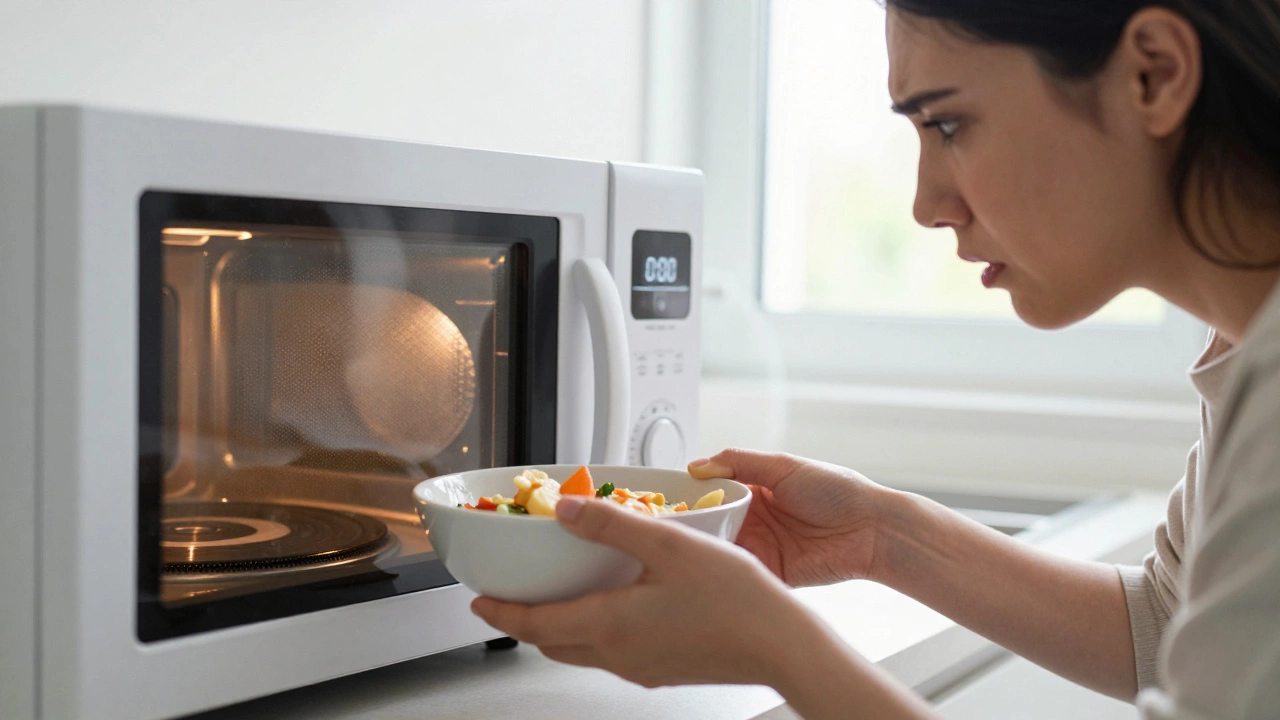
Wondering why your microwave isn't heating? Learn the common symptoms of a bad magnetron, how to distinguish it from other failures, and when to call a pro.
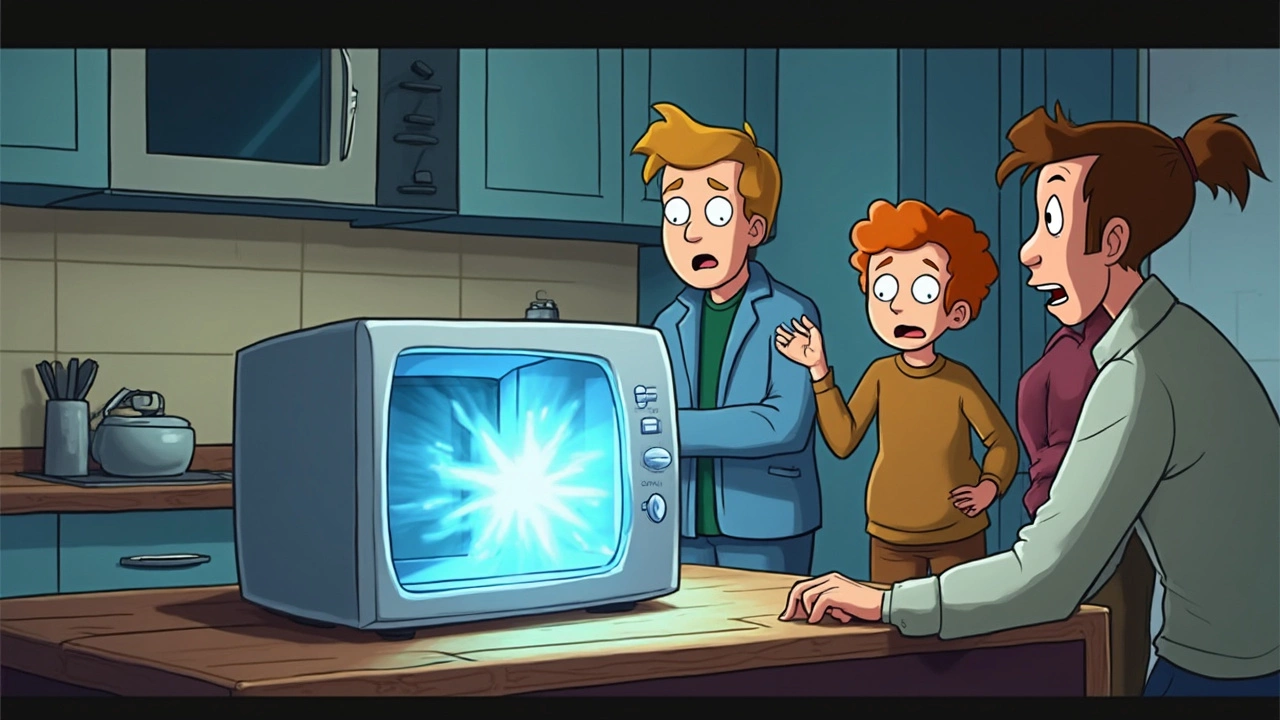
When your microwave starts making strange noises or fails to heat your food, it might be time to think about the magnetron. It's like the heart of your microwave, but is it worth the trouble to replace it or should you just buy a new one? This article explores the costs, benefits, and the nitty-gritty of magnetron replacement, throwing in some pro tips to help you make the right decision.

Can your gas oven be fixed? Learn which common parts like igniters and thermostats fail, when to DIY, and when to call a Gas Safe professional for safety.
The longest average lifespan of a washing machine is 15-20 years for high-quality models with proper care. Most last 8-12 years, but maintenance, load size, and water quality make a huge difference. Learn how to extend your washer's life and when to repair vs. replace.
Find out how much a new boiler costs in 2025, including prices by type, installation fees, rebates, and how to avoid overpaying. Learn when to replace your boiler and what to look for in a quote.

Discover how to ensure your water heater is in proper working condition with this detailed guide. Learn to identify signs of malfunction, perform essential maintenance tasks, and understand common issues that may arise. Whether it's electric or gas, having a reliable water heater is crucial for every home. Keep your heater running smoothly with practical and safety-focused advice.
Wondering what temperature makes a heat pump stop working well? Learn the cold limits, key facts, and expert tips for running heat pumps in harsh winters.