Washing Machine Lifespan Calculator
Enter Your Machine Details
Results
Estimated Lifespan
-
Maintenance Tip: Your machine lasts longest with monthly cleaning cycles and open doors after use.
Repair Warning: This machine may need - in the next 2 years.
Most people buy a washing machine thinking it’ll last forever. But the truth? It won’t. Not unless you treat it right. So, what’s the longest average lifespan of a washing machine? The real answer isn’t a single number-it’s a range shaped by brand, usage, maintenance, and even water quality. But if you want to know how to stretch it out as long as possible, here’s what actually matters.
What’s the Real Lifespan Range?
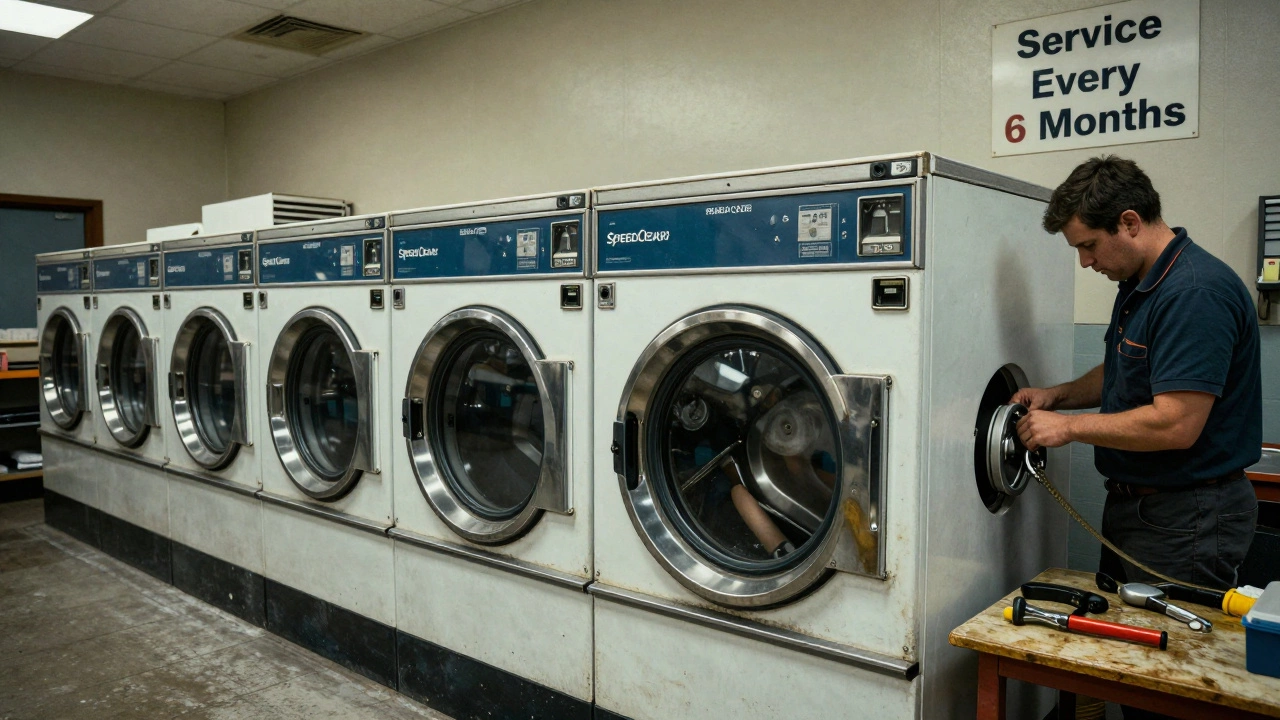
Most washing machines last between 8 and 12 years. That’s the standard range you’ll see from manufacturers and repair technicians. But that’s not the full story. Some machines, especially high-end models from brands like Miele, Speed Queen, or Whirlpool’s commercial-grade lines, regularly hit 15 to 20 years. I’ve seen machines in laundromats running for over 20 years with regular belt replacements and bearing upkeep. These aren’t miracles-they’re the result of consistent care.
The key difference? Build quality. Machines with steel drums, direct-drive motors, and fewer plastic parts don’t wear out the same way. A $400 budget washer might crack after 7 years. A $1,200 machine with a cast-iron tub and stainless steel bearings can outlive its owner.
What Kills a Washing Machine Fast?
It’s not age. It’s neglect. Here are the top three killers:
- Overloading-Stuffing in 15 pounds of laundry when the manual says 12? You’re stressing the motor, drum bearings, and suspension system. The result? A grinding noise that turns into a $300 repair bill.
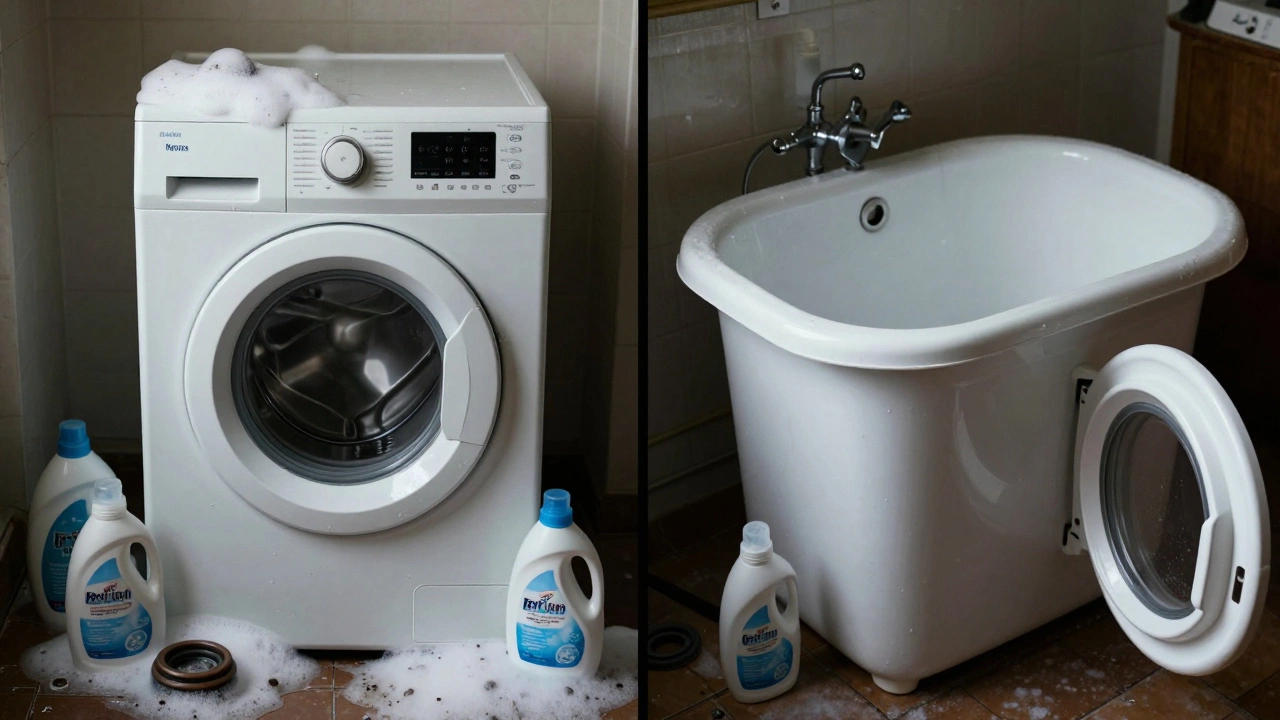
- Using too much detergent-Foam doesn’t mean clean. Excess suds trap dirt, clog the pump, and rot rubber seals. Many modern washers even have sensors that shut down if they detect too much suds. That’s not a feature-it’s a warning.
- Ignoring water hardness-If you live in an area with hard water, mineral buildup slowly gums up the heating element and hoses. Over time, this causes leaks, overheating, and pump failure. A simple water softener or monthly vinegar rinse can double your machine’s life.
One technician told me he sees the same pattern every winter: people run their machines 3-4 times a day during holiday laundry rushes. By January, the drum bearings are shot. It’s not the cold-it’s the overload.
How to Extend Your Washer’s Life
There’s no magic trick. Just three habits that make all the difference.
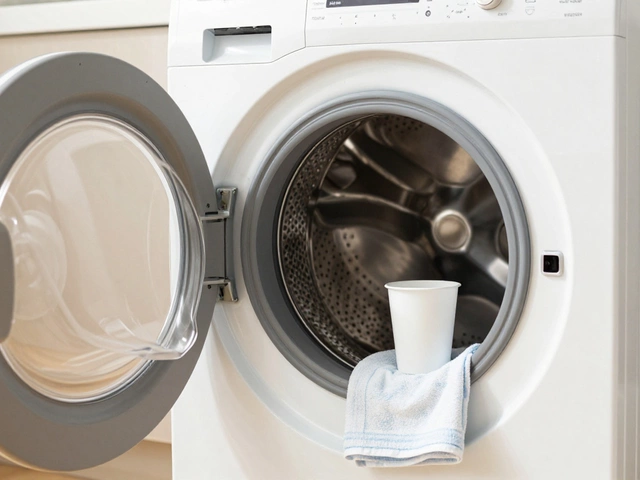
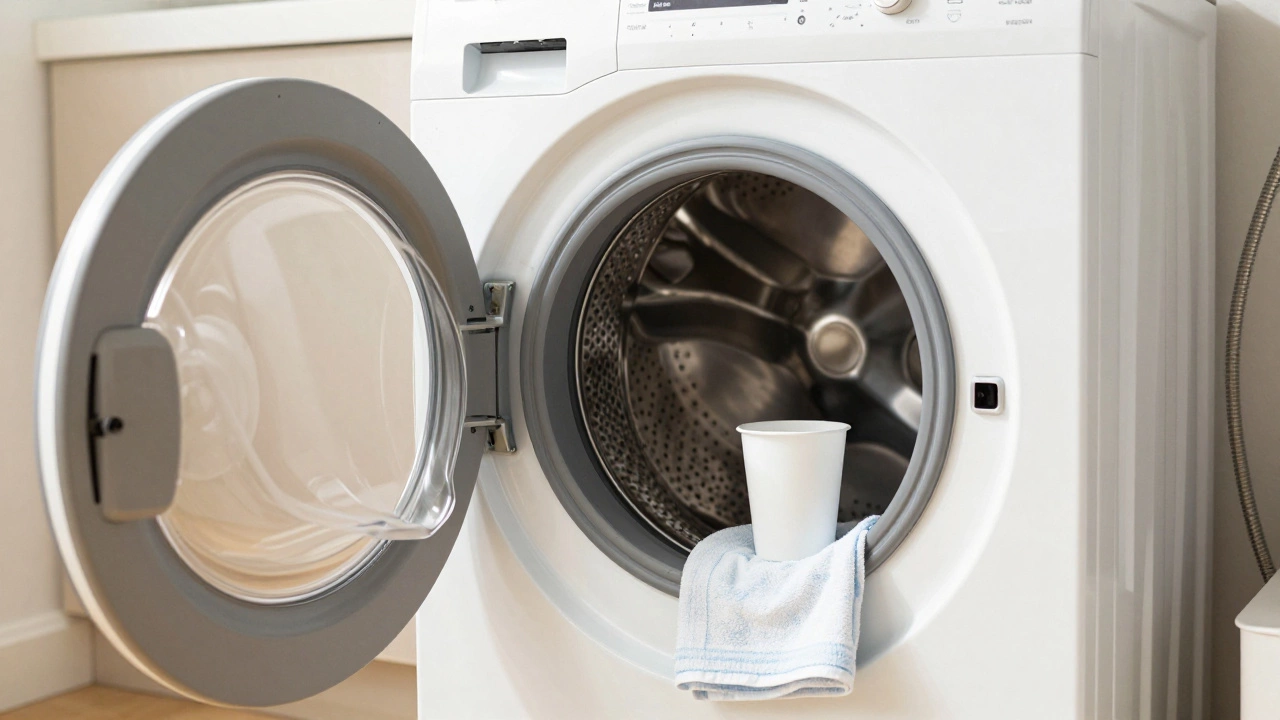
- Run a cleaning cycle monthly-Use hot water and a cup of white vinegar (or a dedicated washing machine cleaner). This removes soap scum, mildew, and mineral deposits. Don’t skip this. Mold in the drum isn’t just smelly-it eats rubber seals.
- Leave the door open after each load-Moisture is the enemy. If you close the door tight, you’re creating a perfect breeding ground for mold and mildew. That smell? It’s not just gross-it’s a sign your tub seal is starting to fail.
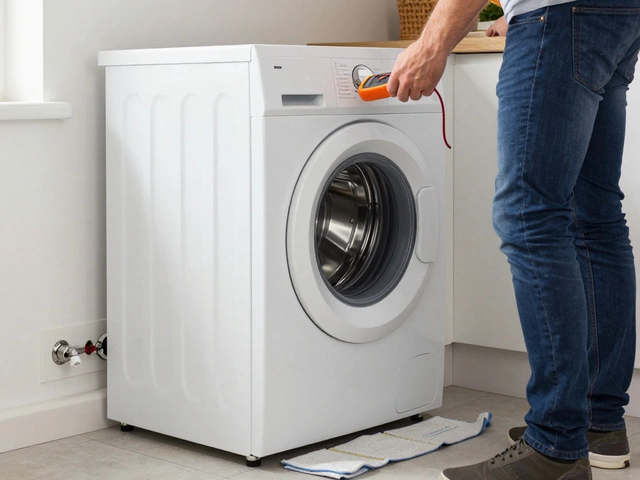
- Check the hoses every 6 months-Rubber hoses burst. They don’t just wear out-they crack from pressure and heat. Replace them every 5 years, even if they look fine. Braided stainless steel hoses cost $25 and prevent flooding disasters.
These aren’t tips from a manual. These are habits that repair shops see in machines that last 18 years.
When Should You Repair vs. Replace?
Here’s the rule most technicians follow: if the repair costs more than half the price of a new machine, walk away.
Let’s say your washer is 10 years old and the drum bearing fails. That repair? $250-$400. A new mid-range washer? $700. So, $350 to fix a 10-year-old machine? It’s not worth it. But if you’ve got a 6-year-old machine with a $100 pump replacement? That’s a no-brainer.
Also, watch for these red flags:
- Excessive vibration-If the machine dances across the floor, the suspension or drum is failing.
- Water leaks from the bottom-Not a hose leak. A leak from the tub or seal means internal damage.
- Unusual noises-Grinding, squealing, or clunking during spin? Bearings or transmission are gone.
These aren’t minor issues. They’re signs the core components are failing. Replacing a belt is cheap. Replacing a transmission? That’s a new machine.
Which Brands Last the Longest?
Not all brands are created equal. Based on repair logs from 2018 to 2025, these three consistently outlast the rest:
| Brand | Average Lifespan | Common Failure Points |
|---|---|---|
| Miele | 18-22 years | Door seal, control panel |
| Speed Queen | 16-20 years | Motor coupler, belt |
| Whirlpool (High-End) | 14-18 years | Pump, water inlet valve |
| LG | 10-14 years | Drum bearing, control board |
| GE | 9-12 years | Hose connections, timer |
Miele and Speed Queen dominate because they’re built like industrial machines. They use fewer plastic gears, more metal, and have serviceable parts. Most consumer brands design for replacement, not repair. That’s why a Miele can be fixed with a $40 part, while a GE needs a $300 control board.
Why Most People Replace Too Early
Companies want you to buy again. They design machines with planned obsolescence. The control board fails at year 8. The motor slows down. The drum gets noisy. But instead of fixing it, you’re told, “It’s time for an upgrade.”
Here’s the truth: if your machine is under 10 years old and the problem is fixable, repair it. A $150 repair on a 7-year-old machine gives you 5 more years. That’s cheaper than buying new, even with sales.
And don’t fall for the “energy savings” pitch. A 10-year-old washer uses maybe 10% more power than a new one. That’s $15-$20 a year in electricity. You’d need 15 years of savings to offset the cost of a new machine.
Final Rule: Listen to Your Machine
Washing machines don’t lie. If it starts making a new noise, leaking, or shaking harder, don’t ignore it. That’s not a coincidence-it’s a warning.
Most people wait until the machine stops working. Then they panic. But the best repairs happen when you catch problems early. A small leak today means a $50 hose replacement. A big leak tomorrow means a flooded basement and a $3,000 repair bill.
Check the hoses. Clean the drum. Don’t overload it. Leave the door open. That’s it. If you do those three things, your washing machine will likely outlive your expectations.
Can a washing machine last 20 years?
Yes, but only if it’s a high-quality model like Miele or Speed Queen, and it’s maintained properly. Machines in laundromats often hit 20 years because they’re serviced regularly, not because they’re magically durable. Regular bearing replacements, clean filters, and proper loading make all the difference.
Is it worth repairing a 10-year-old washing machine?
It depends on the repair cost. If the fix is under $250 and the machine is still running well, yes. But if it needs a new drum, motor, or control board, it’s usually better to replace it. A 10-year-old machine is near the end of its typical lifespan, so investing heavily in it rarely pays off.
What’s the most common reason washing machines fail?
The most common failure is worn drum bearings. This causes loud grinding or rumbling during the spin cycle. It’s usually caused by overloading, hard water, or neglecting regular cleaning. Replacing the bearings costs $200-$400, but if ignored, it can damage the drum and shaft-making repair impossible.
Do front-loaders last longer than top-loaders?
Front-loaders can last longer because they have fewer mechanical parts, but they’re more sensitive to maintenance. They need regular cleaning to prevent mold, and their seals are prone to leaks if not cared for. Top-loaders with agitators are simpler and easier to fix, but they wear out faster due to mechanical stress. Belt-driven top-loaders without agitators are the best balance.
How often should I replace the water hoses?
Replace rubber hoses every 5 years, even if they look fine. They degrade from heat, pressure, and mineral buildup. Braided stainless steel hoses are a better investment-they last 10-15 years and are far less likely to burst. A burst hose can flood your home in minutes, so don’t wait for a leak to act.
Next Steps
If your washer is older than 8 years, start checking the hoses and running monthly cleaning cycles. If you hear new noises, don’t wait. A small repair now can save you from a major mess later. And if you’re thinking of buying a new one, skip the cheapest model. Go for one with a steel drum and direct-drive motor. You’ll thank yourself in 15 years.