

If you’re wondering how many years your washing machine will keep churning out clean clothes, you’re not alone. Most machines in the UK last between eight and twelve years, but that range is a rough guide. Real life factors – how often you wash, the type of loads you throw in, and how you look after the appliance – can push the clock backward or forward.
Heavy usage is the biggest time‑eater. Families that run three or four loads a day will see wear faster than a single‑person household doing a load a week. Over‑loading is another silent killer; the drum, motor, and suspension are all built for a certain weight. When you smash in too many towels or blankets, the bearings stress out early.
Water quality matters too. Hard water leaves mineral buildup on the drum and in the pump, which can lead to noisy operation and leaks. Cheap detergent or using too much can create excess suds that strain the pump and seals. Finally, a machine that’s not level will vibrate a lot, wearing out the suspension and motor mounts.
1. Load wisely. Follow the manufacturer’s load size recommendation – usually printed in the door or manual. If you’re unsure, err on the light side.
2. Use the right detergent. High‑efficiency (HE) detergent works best for modern machines. Measure it exactly; too much soap creates foam that can damage the pump.
3. Keep the drum clean. Run an empty hot wash with a cup of white vinegar or a specialised washing machine cleaner every month. This clears out limescale and soap residue.
4. Check hoses regularly. Rubber inlet hoses can develop cracks after a few years. Replace them every five years or sooner if you spot any bulges.
5. Level the machine. Use a spirit level on top of the drum. Adjust the feet until there’s no wobble. A stable machine is quieter and lasts longer.
6. Leave the door ajar. After each wash, open the door for a few minutes to let moisture escape. This prevents mildew, which can smell up the whole laundry room.
7. Service annually. A quick professional check can spot worn bearings, loose bolts, or blockages before they turn into costly repairs.
When these habits become part of your routine, you’ll notice fewer breakdowns and a quieter spin cycle. If a problem does pop up – a leaking hose, a strange noise, or a failure to spin – address it quickly. Small fixes now often prevent the need for a full replacement later.
In the end, the washing machine lifespan isn’t a set number; it’s a mix of how you use it and how well you look after it. Keep loads reasonable, stay on top of cleaning, and give the machine a little TLC, and you’ll likely get twelve solid years – maybe even more – out of your appliance.
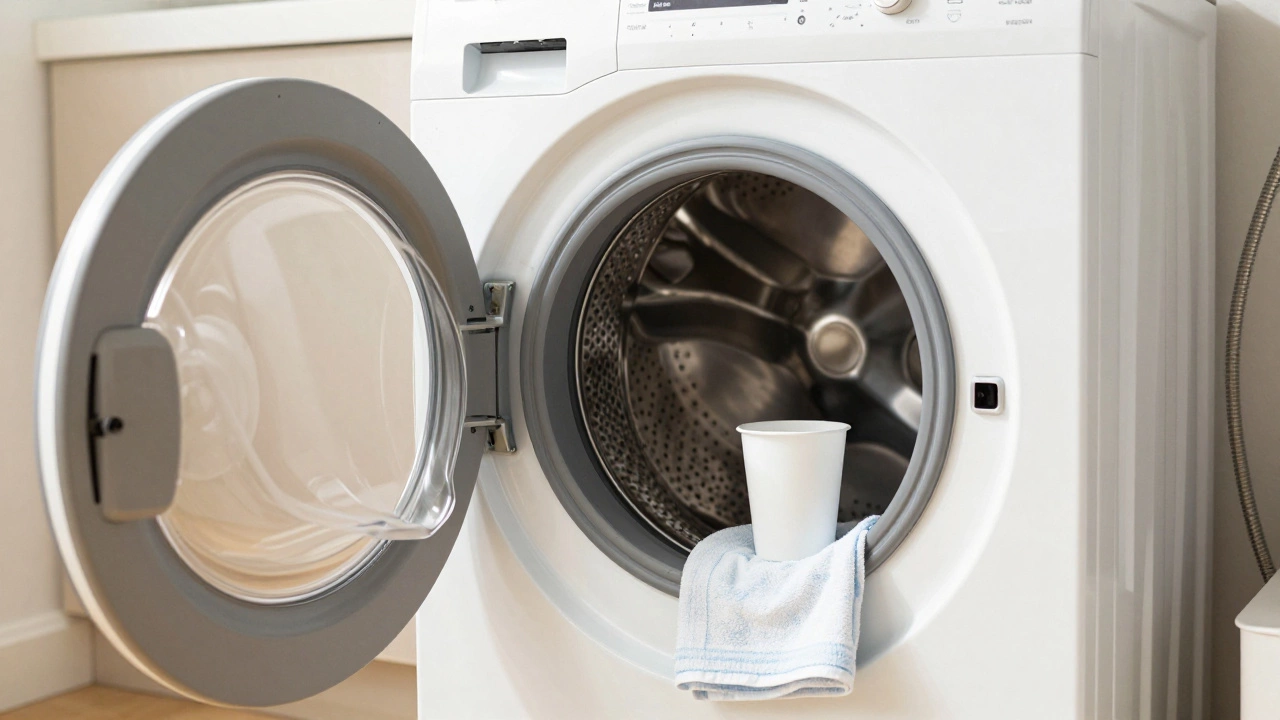
The longest average lifespan of a washing machine is 15-20 years for high-quality models with proper care. Most last 8-12 years, but maintenance, load size, and water quality make a huge difference. Learn how to extend your washer's life and when to repair vs. replace.
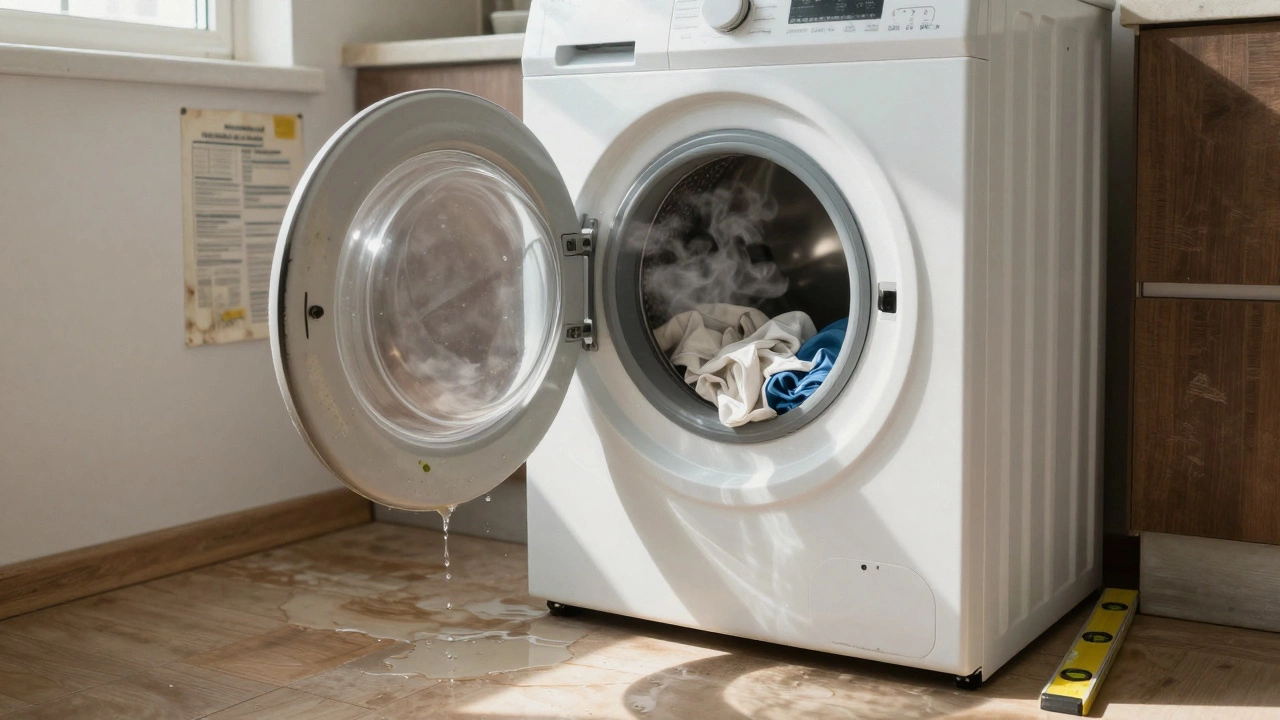
Most washing machines last 8-12 years, but signs like loud noises, leaks, or error codes mean it's time to consider repair or replacement. Learn how to extend its life and when it's better to buy new.
Is your washing machine considered old? Learn the real lifespan, signs it's aging, and pro tips to keep it running longer. Get real facts and advice from an expert.

Wondering how long a washing machine should actually last? This article breaks down real averages, points out what causes washers to wear out, and shows simple ways to get more years out of your machine. We’ll look at red flags for replacement, compare old versus new models, and clear up some common myths about washers. If you want your next laundry day to go smoothly—or you’re tired of surprise breakdowns—this guide’s for you.

Cracked or damaged glass hobs make you panic, but not every problem spells doom for your stove. This article breaks down what issues can actually be fixed and when it's smarter to replace the glass. You’ll get real-life tips, possible repair options, and clear warnings for common mistakes. Safety comes first, but you’ll also find out when you can handle things yourself—or absolutely need a pro. Practical info, simple steps—you’ll get the full story on glass hob repair.
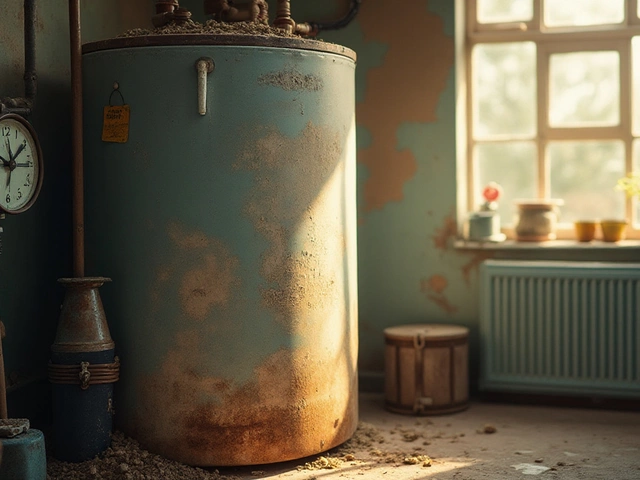
Neglecting to flush your water heater can lead to a host of issues, from inefficiency to full-blown malfunctions. Sediment buildup can decrease heating efficiency and even cause damage over time. This article explores what happens if you never flush your water heater, why regular maintenance is crucial, and how you can perform these tasks. Dive into practical advice and tips for maintaining a healthy water heating system.
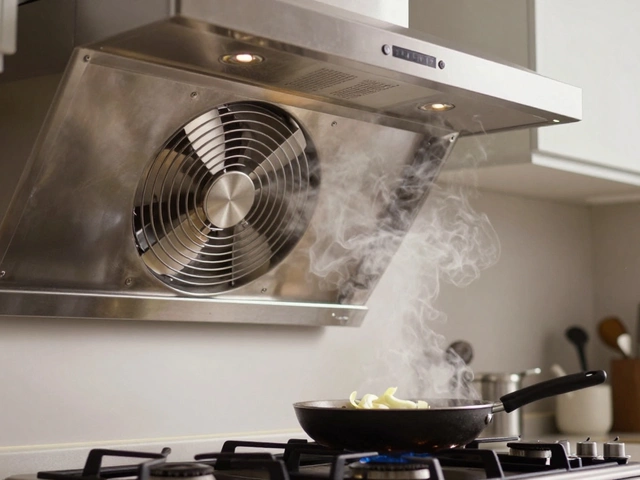
Discover why kitchen extractor fans stop working and how to fix them. From clogged filters to motor failures, learn practical troubleshooting steps to restore airflow and avoid costly repairs.
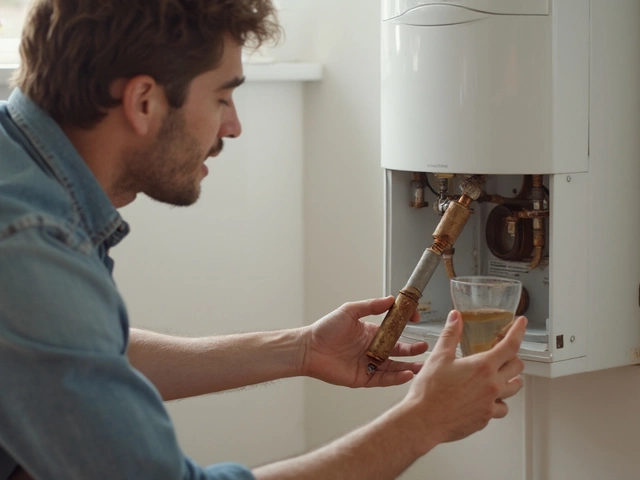
Not sure if your water heater's anode rod is shot? This article breaks down the telltale signs that your anode rod is past its prime, from weird smells to rusty water. Find out how long these rods actually last, why they're so important, and how to check them yourself. With some simple tips, you'll spot trouble before it wrecks your tank. Get the facts so you can keep hot water flowing without a nasty surprise.
Deciding whether to repair or replace your hot water heater can feel overwhelming. This article explores practical considerations, including the age of the unit, repair costs, and long-term benefits. By understanding essential factors like energy efficiency and potential savings, homeowners can make informed decisions. Discover useful tips and interesting facts to help you choose the best course of action for your specific situation.