

If your washer is making a racket, leaking, or won’t spin, you’re not alone. Most households face a hiccup at least once a year, and the good news is you don’t have to live with it. A trained technician can spot the problem in minutes, replace the faulty part, and have your machine running like new again. That’s why we focus on fast response times, clear pricing, and honest advice – no hidden fees, no unnecessary swaps.
Here are the top five faults we see the most and how we fix them:
Most of these issues can be solved in under an hour, and we bring the needed parts with us so you don’t have to wait for a second visit.
You might feel tempted to tinker yourself, but there are times when a professional is the safer choice:
Calling us means you get a fully insured, Gas Safe‑checked technician who knows the ins and outs of every major brand. We’ll explain what’s wrong, give you a clear quote, and get the job done without surprise costs.
Our service area covers Bognor Regis and the surrounding towns, and we offer same‑day appointments for urgent breakdowns. Just pick up the phone, tell us the make and model, and we’ll schedule a visit that fits your routine.
Remember, regular maintenance can stop many problems before they start. A quick monthly clean of the filter, checking the hoses for wear, and running an empty hot wash every few weeks keeps the machine happy and extends its life.
Ready to stop the leaks, noises, and frustration? Give us a call now and let our Bognor Regis repair experts bring your washing machine back to life. Fast, friendly, and transparent – that’s the service promise we stick to every day.
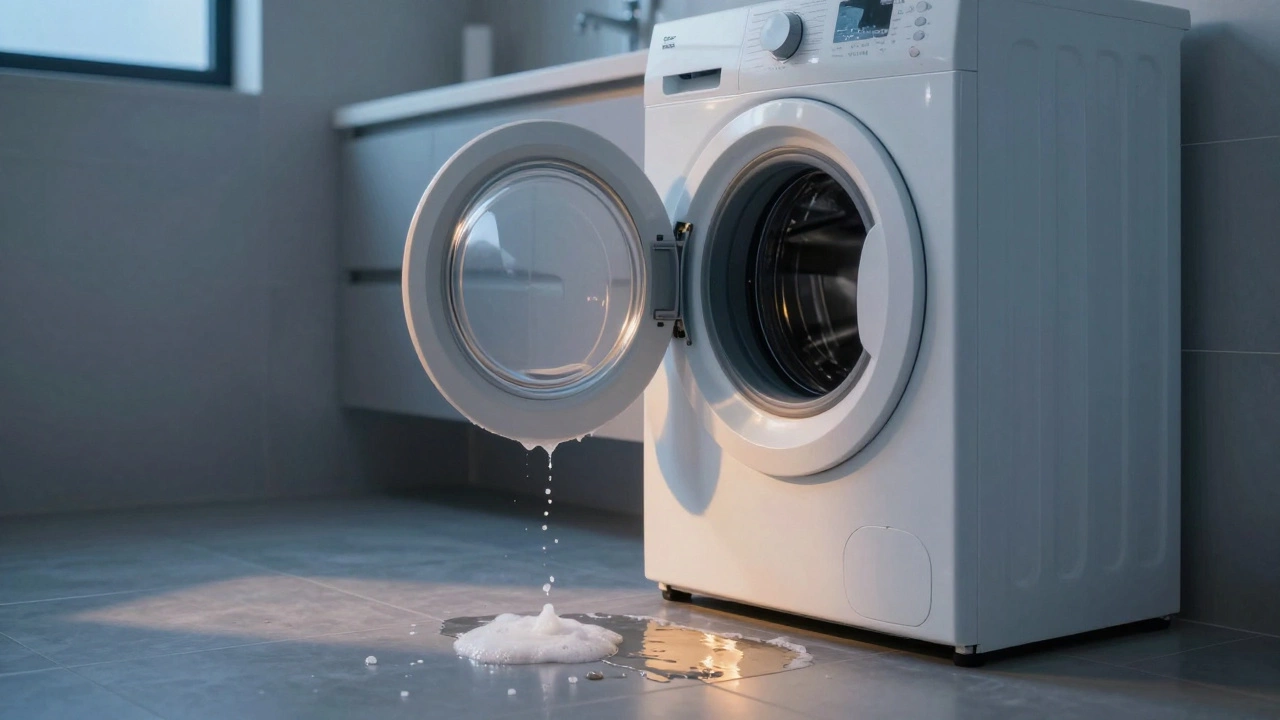
Discover the most common washing machine failures, from blocked filters to bearing issues. Learn how to diagnose leaks, spinning problems, and electronic glitches yourself.
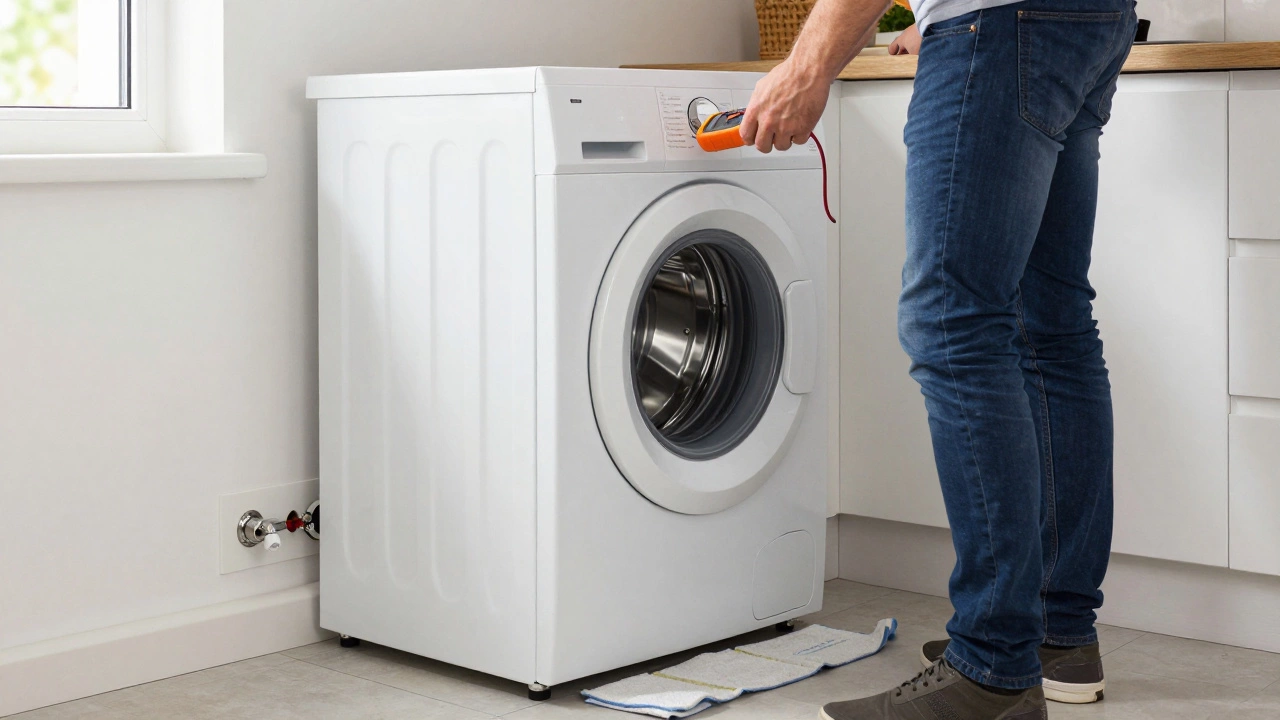
Learn how to diagnose common washing machine problems like leaks, noise, and spin failures. This step-by-step guide helps UK homeowners troubleshoot issues safely before calling a repair engineer.
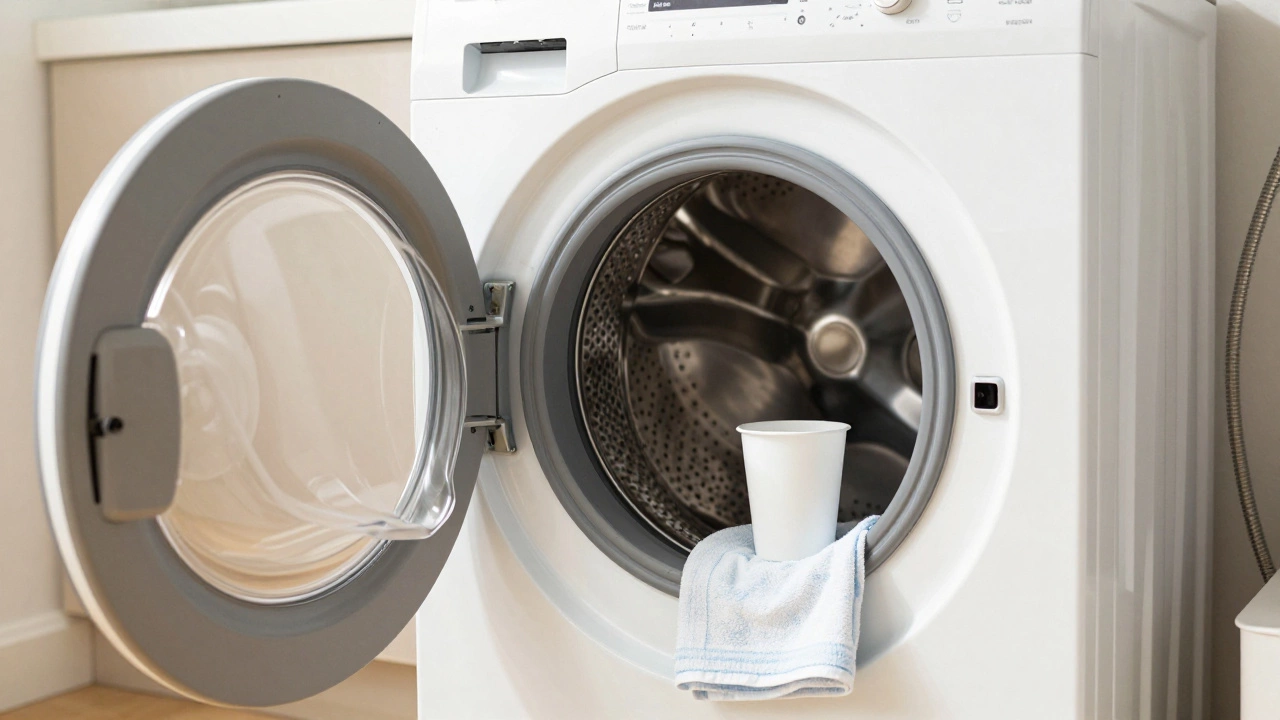
The longest average lifespan of a washing machine is 15-20 years for high-quality models with proper care. Most last 8-12 years, but maintenance, load size, and water quality make a huge difference. Learn how to extend your washer's life and when to repair vs. replace.
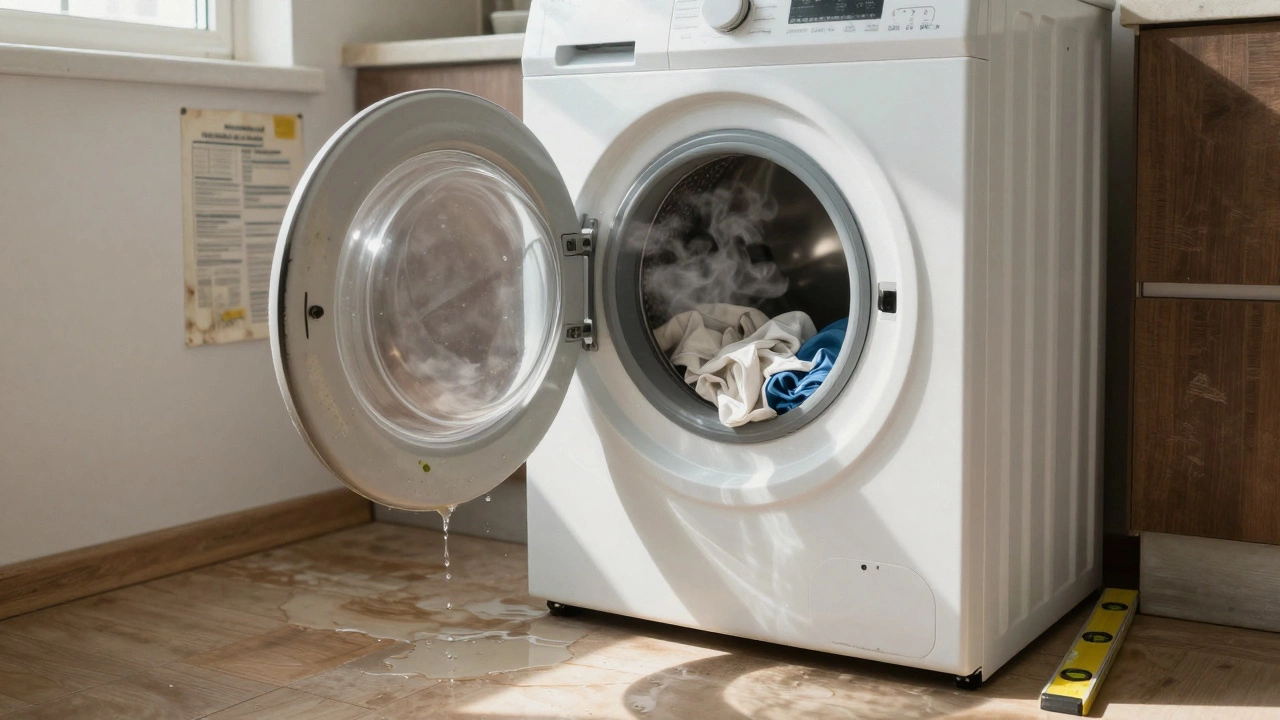
Most washing machines last 8-12 years, but signs like loud noises, leaks, or error codes mean it's time to consider repair or replacement. Learn how to extend its life and when it's better to buy new.
Is your washing machine considered old? Learn the real lifespan, signs it's aging, and pro tips to keep it running longer. Get real facts and advice from an expert.

Wondering how long a washing machine should actually last? This article breaks down real averages, points out what causes washers to wear out, and shows simple ways to get more years out of your machine. We’ll look at red flags for replacement, compare old versus new models, and clear up some common myths about washers. If you want your next laundry day to go smoothly—or you’re tired of surprise breakdowns—this guide’s for you.

Wondering if you should repair your washing machine or just buy a new one? This article breaks down when it's smart to fix your appliance and when it's better to let it go. Get tips on common washing machine problems, repair costs, and simple troubleshooting steps. Plus, learn how to avoid getting ripped off by price gouging repair techs. If laundry day is starting to look like a coin toss, read this before calling the junk hauler.
Wondering if fixing your 7-year-old washing machine is worth it? This guide helps you weigh the pros and cons. Consider factors like repair costs, common issues, and the appliance’s lifespan. Find out when it makes sense to repair or replace. Get informed tips to make the best decision for your laundry room.
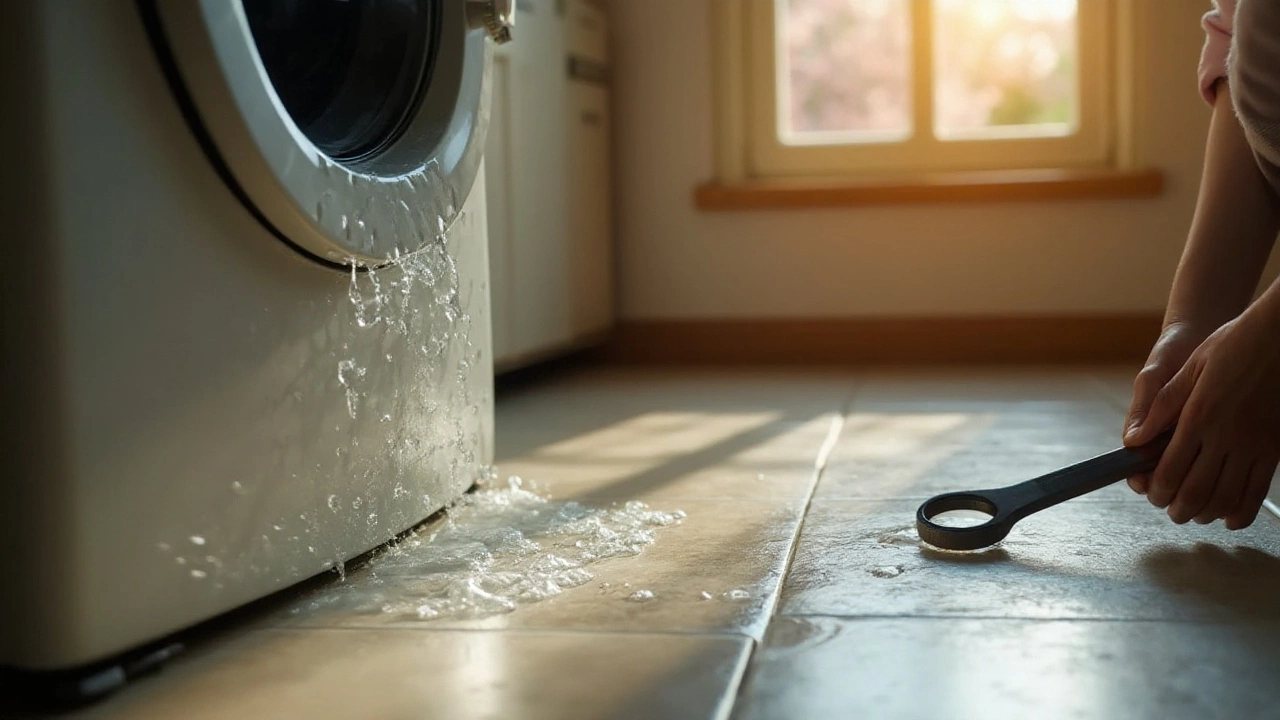
Washing machines are among the most used household appliances, making them prone to various problems over time. This article explores the most frequent issues like leaks, drainage problems, and strange noises. Understanding these problems can help in diagnosing issues quickly and considering effective repairs. The article also offers helpful tips to maintain your machine and keep it running efficiently for years. Simple maintenance steps can prevent most common problems from occurring.
Repairing a washing machine yourself can save time and money, and it's not as difficult as one might think. This article covers the basic steps for diagnosing common issues, tools required for repairs, and safety tips to consider. Whether it's a noisy drum or a leaking gasket, we guide you through essential troubleshooting techniques. Learn how to tackle minor fixes and decide when to seek professional help.
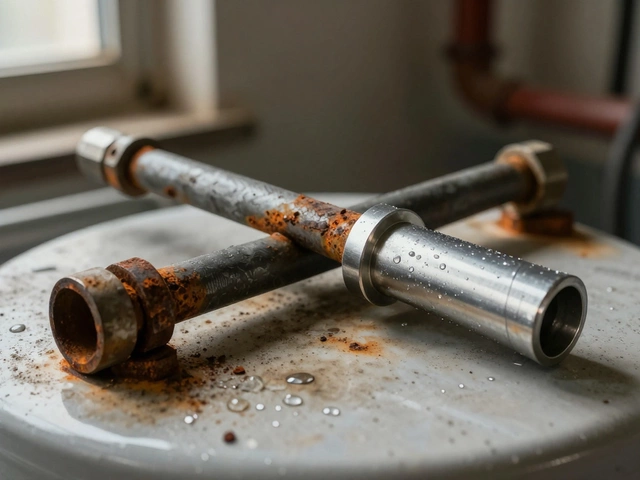
Replace your water heater's anode rod every 1-2 years in hard water areas to prevent tank corrosion. A simple £20 part can save you hundreds in repairs.
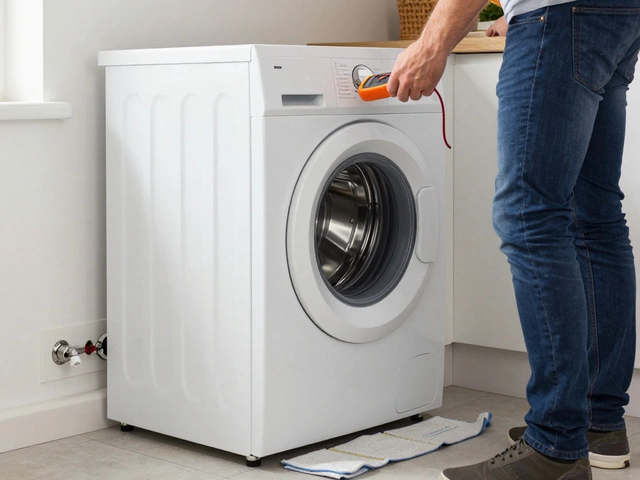
Learn how to diagnose common washing machine problems like leaks, noise, and spin failures. This step-by-step guide helps UK homeowners troubleshoot issues safely before calling a repair engineer.
Learn why and when appliances need professional service, the signs of trouble, how often each should be checked, DIY tips, costs and when to replace.

Curious about how your home appliances actually work? Get a full breakdown of what happens inside, troubleshooting tips, and smart ways to keep everything running smoothly.
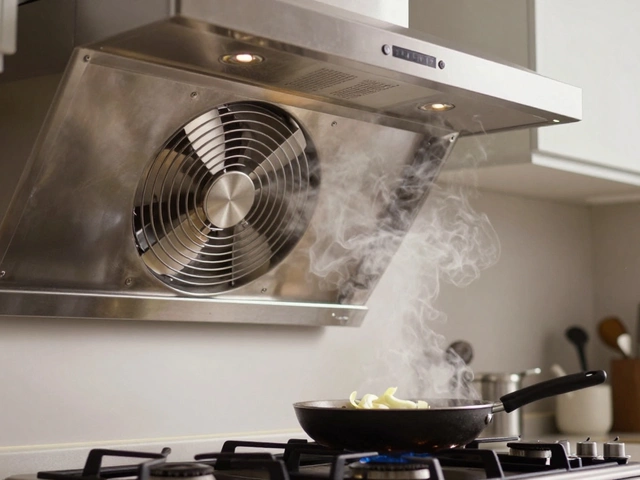
Discover why kitchen extractor fans stop working and how to fix them. From clogged filters to motor failures, learn practical troubleshooting steps to restore airflow and avoid costly repairs.