Washing Machine Troubleshooter
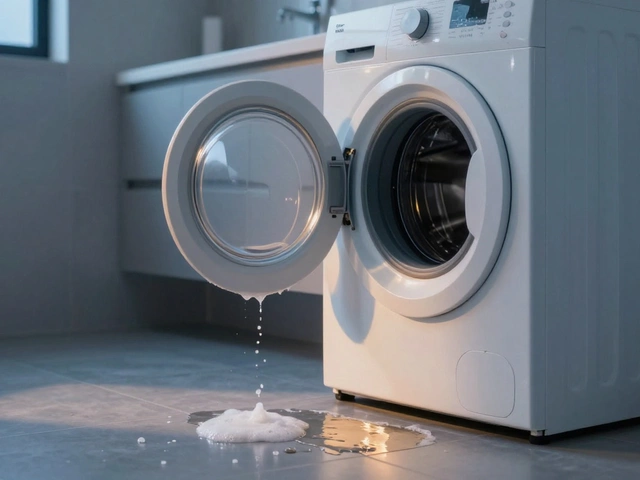
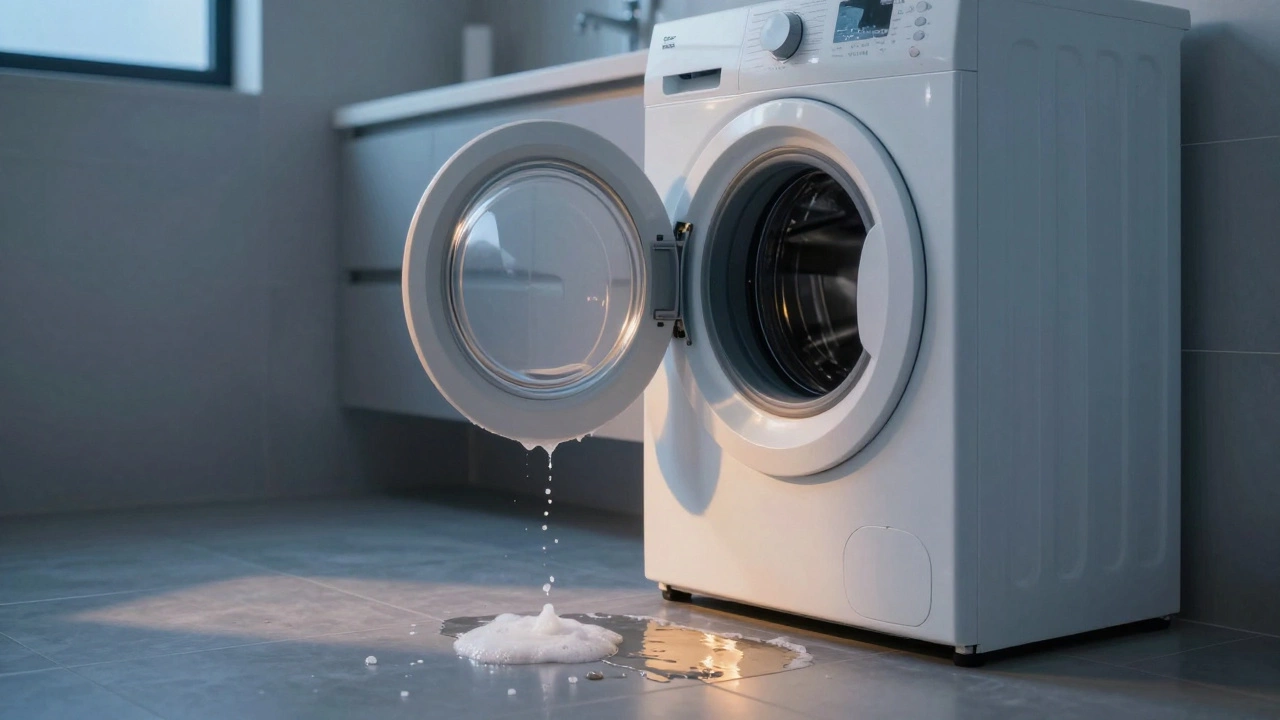
Picture this: It’s a Tuesday evening in Bristol. You’ve just finished a long week, you’re ready to relax, and you open your washing machine to find it sitting in a puddle of soapy water. Or maybe it’s doing that terrible clanging noise that sounds like a car engine missing a beat. You’re frustrated, you’re wet, and you’re wondering if you need to buy a new one.
The short answer is that the most common washing machine failure isn’t actually the motor or the expensive electronic brain. It’s usually something much simpler: a blockage, a worn-out seal, or a broken belt. In my years dealing with appliance issues here in the UK, I’ve seen thousands of machines. The vast majority of 'failures' are minor issues that can be fixed for under £50, rather than requiring a full replacement.
Understanding what goes wrong-and why-can save you hundreds of pounds. Let’s look at the specific failures that cause the most headaches, how to spot them early, and what you can do about them before calling a professional.
The Silent Killer: Blocked Drains and Filters
If there is one single point of failure that causes more service calls than any other, it is the drainage system. Specifically, the pump filter and the drain hose. Think of these as the kidneys of your washing machine; if they get clogged, the whole system backs up.
In the UK, we have hard water in many areas, including parts of Bristol. This means limescale builds up quickly. Combine that with lint from clothes, lost coins, and small items like buttons or bra hooks, and you create a perfect storm for blockages. When the drain path is obstructed, the machine cannot empty. The result? A tub full of stagnant water, an error code flashing on the display (often E14 or similar depending on the brand), and sometimes, if the overflow protection fails, a leak onto your floor.
Pump Filter Blockage is the accumulation of debris such as lint, coins, and limescale in the washing machine's drainage filter, preventing proper water evacuation. This issue typically manifests as slow draining or complete failure to spin. Regular cleaning every three months can prevent this entirely.
You don’t need a technician for this. Most modern front-loaders have a small door at the bottom front. Open it, place a towel underneath to catch residual water, and unscrew the filter. Clean out the gunk, check the impeller inside the pump housing for anything stuck, and screw it back in. Boom. Problem solved.
Leaking from the Door Seal (The Rubber Gasket)
Next on the list of common failures is the door seal, also known as the gasket. If you see water pooling around the base of the machine but only after a wash cycle, check this first. The rubber seal creates the watertight barrier between the outside world and the spinning drum.
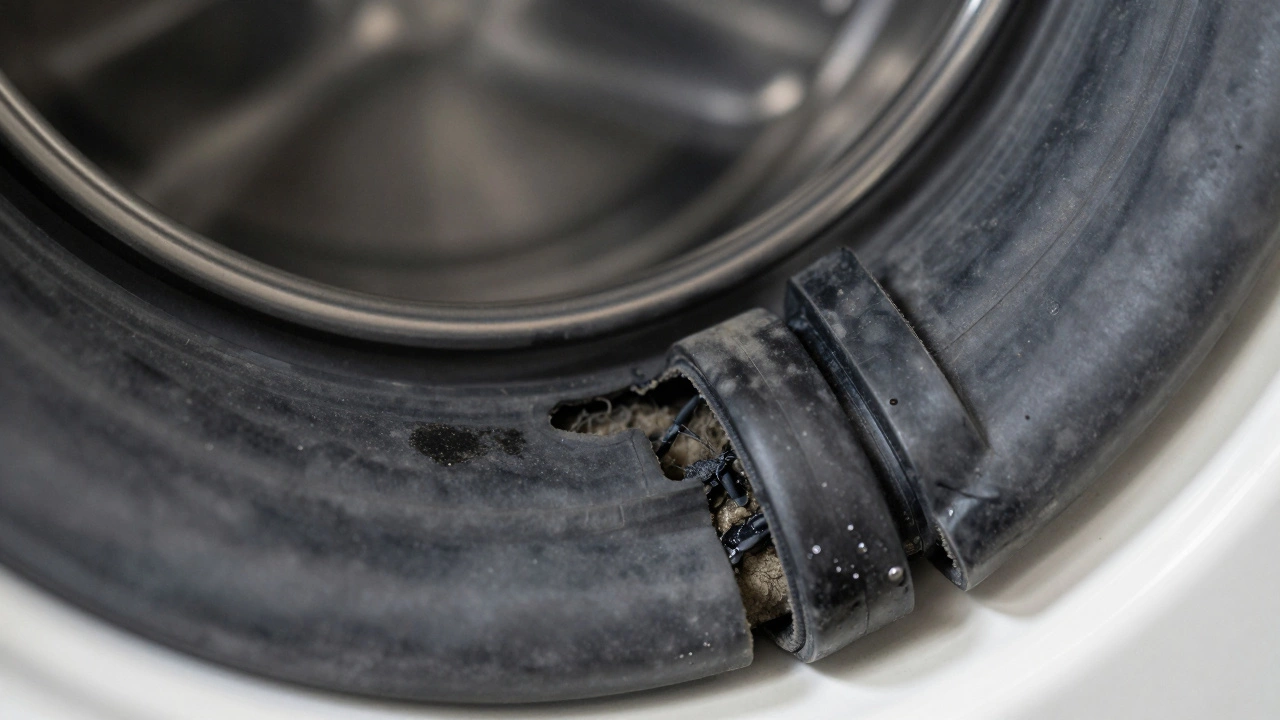
Over time, this rubber degrades. It gets brittle, cracks, or simply loses its elasticity. But there’s another culprit: mould. Front-loading washers are notorious for developing black mould spots in the folds of the rubber seal. This happens because moisture gets trapped there. While mould itself doesn’t stop the machine from working, it indicates that the seal is compromised and potentially leaking. More importantly, it smells awful and can transfer odours to your clean laundry.
A failing seal often looks swollen or has visible tears. If you run your hand along the folds and feel sharp edges or see dark stains that won’t wipe away, the seal likely needs replacing. This is a job that requires some disassembly-removing the front panel or the outer tub-but it’s far cheaper than buying a new machine.
Why Won't It Spin? Belts and Bearings
When a washing machine fills with water, agitates gently, but then refuses to spin dry, you’re looking at a mechanical failure. There are two main suspects here: the drive belt and the drum bearings.
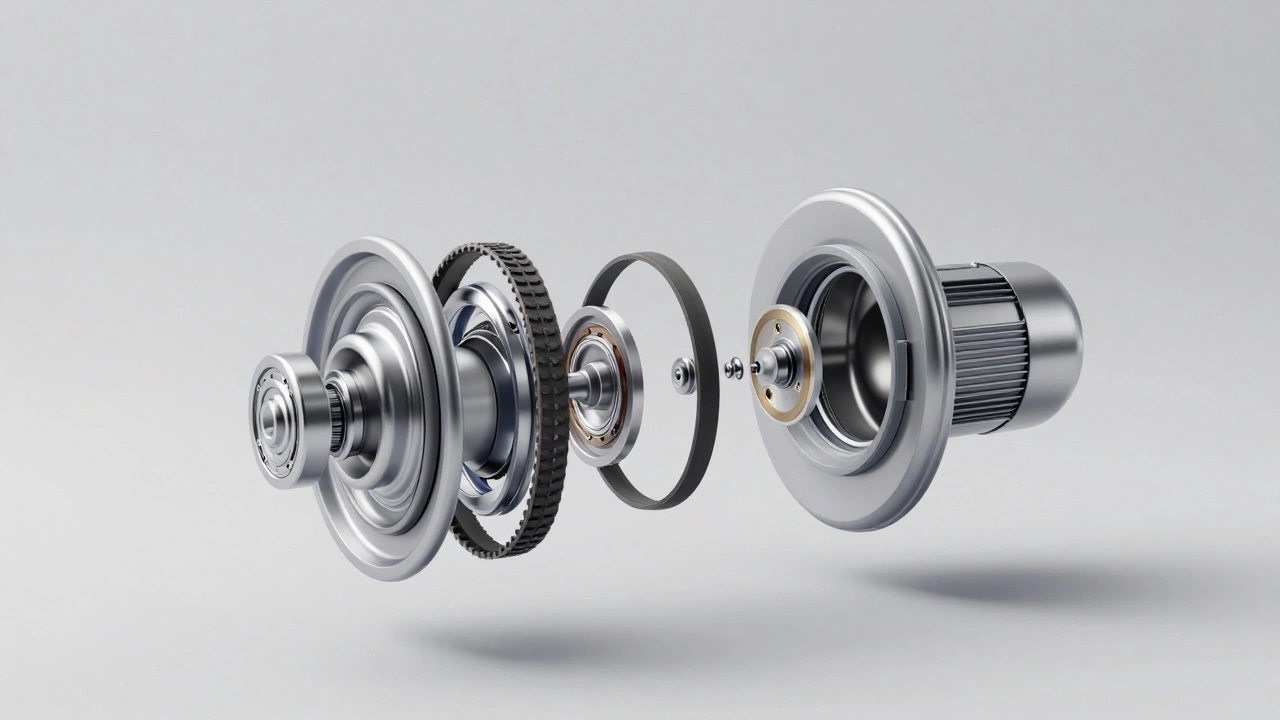
In older models or budget brands, the drum is connected to the motor via a rubber belt. These belts stretch over time. Eventually, they snap or slip. If the belt breaks, the drum will move freely by hand when the machine is off. Replacing a belt is straightforward and costs very little. However, if the belt snapped because it was worn down by friction, you need to check the pulley and the motor mounts too.
Then there are the bearings. If your machine makes a roaring noise during the spin cycle-like a jet engine taking off-you have bearing failure. The bearings support the weight of the heavy, water-filled drum as it spins at high speeds (up to 1400 RPM). When they wear out, metal grinds against metal. This is a serious repair because it usually involves removing the entire inner tub from the outer casing. For older machines, this cost often outweighs the value of the appliance, making replacement the smarter choice.
| Symptom | Likely Cause | Difficulty Level | Estimated Cost |
|---|---|---|---|
| Water not draining / Error Code | Blocked Pump Filter | Easy (DIY) | £0 - £10 |
| Leak around door | Damaged Door Seal | Medium | £30 - £60 |
| No spin, loud squeal | Broken Drive Belt | Medium | £15 - £30 |
| Rumbling/Roaring noise on spin | Worn Drum Bearings | Hard (Pro recommended) | £150 - £250+ |
| Machine won't start | Faulty Door Lock/Latch | Easy/Medium | £20 - £40 |
The Electronic Glitch: Control Boards and Sensors
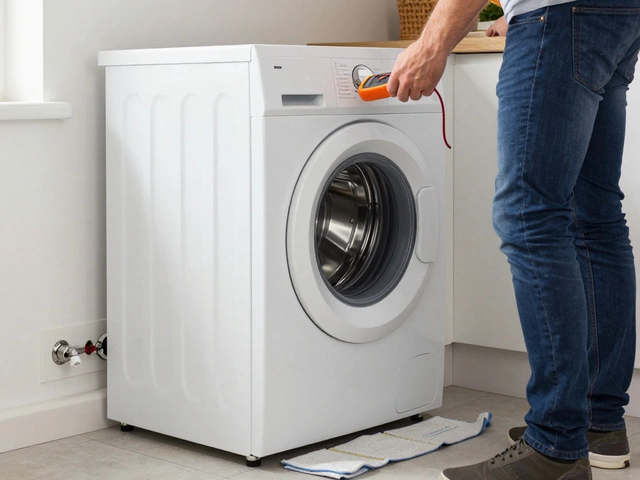
Modern washing machines are essentially computers with drums. They rely on printed circuit boards (PCBs) to manage cycles, water levels, and temperatures. Sometimes, these boards fail. You might notice random error codes, lights flickering, or the machine stopping mid-cycle without reason.
However, before blaming the expensive motherboard, check the sensors. A level pressure switch tells the machine how much water is in the drum. If the air tube connecting this sensor gets disconnected or blocked, the machine thinks it’s either empty or overflowing, leading to incorrect behaviour. Similarly, temperature sensors can drift out of calibration, causing cold water to come in hot, or vice versa.
Power surges are also a major enemy of electronics. In areas with unstable grid power, a simple spike can fry the control board. Using a surge protector can extend the life of these sensitive components significantly.
Prevention: How to Extend Your Machine's Life
You can’t stop time, but you can slow down wear and tear. Here are practical steps to avoid the most common failures:
- Clean the filter regularly: Every 3-4 months, remove and clean the pump filter. It takes five minutes and prevents 80% of drainage issues.
- Leave the door open: After each wash, leave the door and detergent drawer slightly ajar. This allows moisture to escape, preventing mould growth on the seal and inside the drum.
- Use correct detergent amounts: Excess detergent creates suds that overwhelm the pump and clog filters. High-efficiency (HE) detergents are designed to produce fewer suds. Use less than you think you need.
- Check pockets thoroughly: Coins, keys, and pens are the enemies of the drum and bearings. They cause imbalance and physical damage.
- Run maintenance cycles: Once a month, run an empty hot wash cycle with a washing machine cleaner or vinegar to dissolve limescale and soap scum buildup.
By addressing these small habits, you drastically reduce the likelihood of catastrophic failure. Most washing machines last between 10 and 12 years with proper care. If yours is failing prematurely, it’s rarely bad luck-it’s usually neglect of these basic maintenance tasks.
Is it worth repairing an old washing machine?
It depends on the cost of the repair versus the age of the machine. As a general rule, if the repair costs more than 50% of the price of a new equivalent model, and the machine is over 7 years old, it’s usually better to replace it. However, simple fixes like a blocked filter, broken belt, or faulty door latch are almost always worth repairing regardless of age.
Why does my washing machine leak from the bottom?
Leaks from the bottom are commonly caused by a cracked drain hose, a loose connection at the pump, or a damaged door seal. Check the hoses for kinks or splits. If the hose is fine, inspect the pump area for corrosion or cracks. Often, tightening a clamp or replacing a cheap hose solves the problem.
What does it mean if my washing machine shakes violently?
Violent shaking usually indicates an unbalanced load or worn suspension springs. Ensure the machine is level on the floor using a spirit level. If it’s level, check if the shock absorbers or springs holding the drum are stretched or broken. An unbalanced drum puts immense stress on the bearings, leading to costly repairs.
Can I fix a washing machine that won't drain myself?
Yes, in most cases. Start by checking the pump filter for blockages. If the filter is clear, check the drain hose for kinks or clogs. If both are clear, the drain pump itself may be faulty. Replacing a pump is a manageable DIY task for those comfortable with basic tools, costing around £20-£40 for the part.
How often should I clean the washing machine filter?
You should clean the filter every 3 to 4 months. If you wash lots of pet hair, blankets, or towels, you may need to do it monthly. Neglecting this leads to slow drainage, foul odours, and eventual pump failure due to strain.