Water Heater Troubleshooter
Select a symptom on the left to see your diagnosis.
Nothing kills the morning mood faster than stepping into the shower and getting hit with ice-cold water. You twist the dial, wait, and still nothing. It’s frustrating, expensive if you call a plumber immediately, and often unnecessary. Most hot water heater is a tank or tankless unit that heats domestic water for bathing and washing, and when it fails, it’s usually due to a simple setting, a tripped breaker, or a minor component issue rather than total system collapse. Before you panic or book an emergency slot, take ten minutes to run through these checks. You might solve the problem yourself, save hundreds in labor costs, and get back to your day without waiting for a technician.
Quick Summary / Key Takeaways
- Check power first: For electric units, verify the circuit breaker hasn’t tripped. For gas units, ensure the pilot light or ignition system is active.
- Inspect the thermostat: A faulty or misadjusted thermostat is one of the most common causes of lukewarm or cold water.
- Look for leaks: Dampness around the base or pipes indicates a tank failure, which usually requires replacement.
- Test the T&P valve: The Temperature and Pressure relief valve should release water when lifted; if it sticks, pressure builds up dangerously.
- Know when to call a pro: If you smell gas, see rust-colored water, or hear loud banging, stop using the unit and call a certified engineer.
Step 1: Verify the Power Source
The first thing to check depends on whether you have a gas or electric water heater is an appliance that uses either natural gas, propane, or electricity to heat water. In the UK, both types are common, but electric storage tanks are more prevalent in apartments, while gas combi boilers or cylinder systems dominate houses.
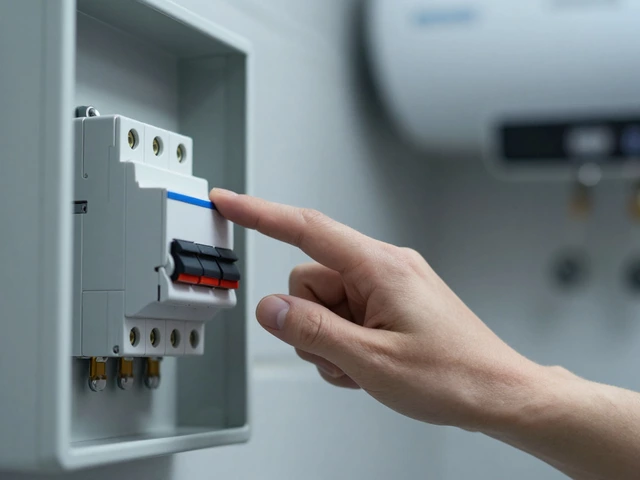
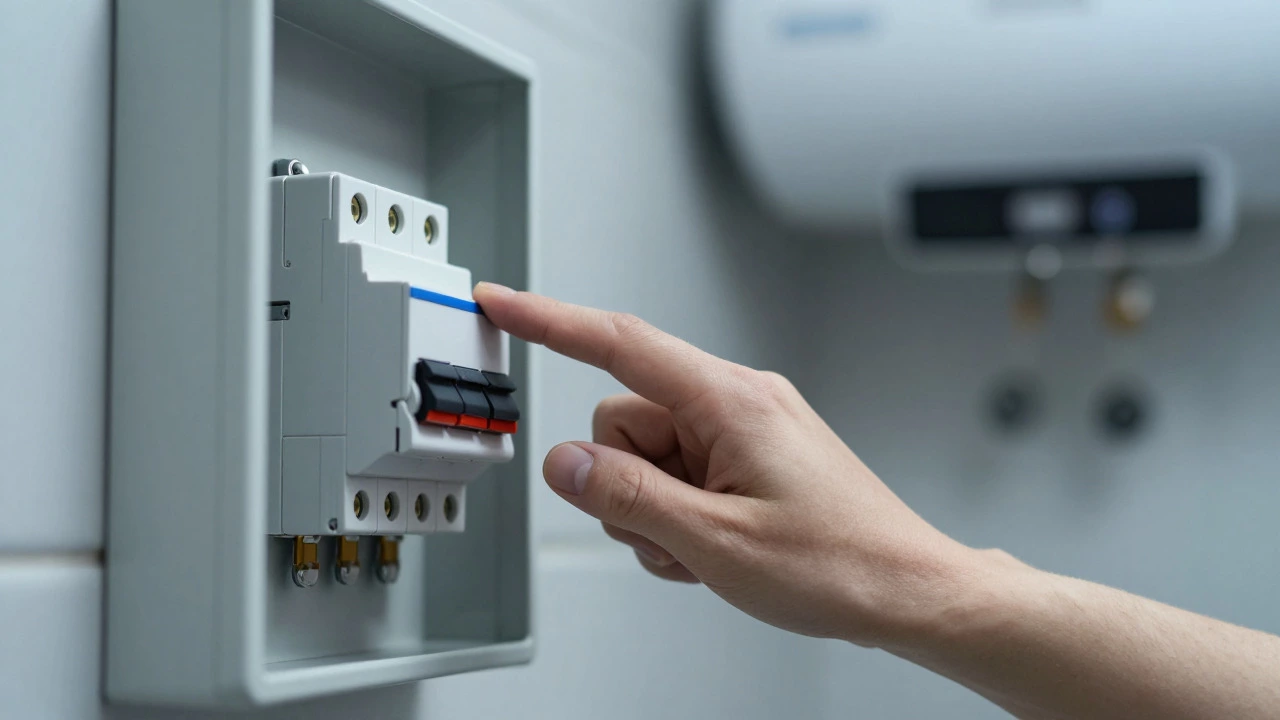
If you have an electric unit, head to your consumer unit (fuse box). Look for a tripped Miniature Circuit Breaker (MCB) or Residual Current Device (RCD). These switches flip down when they detect a fault. Reset them by flipping them back up. If they trip again immediately, there’s likely a short circuit in the heating element or wiring. Do not force them back on repeatedly-this can damage the control board.
For gas heaters, check the gas supply valve. Is it turned on? Also, look at the display panel if it’s a digital model. Error codes like "E1" or "Flame Failure" indicate the burner isn’t igniting. If it’s an older model with a pilot light, check if it’s out. Relighting a pilot light involves holding a match near the opening while pressing the reset button-a process that requires care to avoid gas buildup.
Step 2: Inspect the Thermostat Settings
Sometimes, the heater is working fine, but the temperature is set too low. Check the thermostat dial or digital interface. The standard recommended setting for most homes is between 50°C and 60°C (120°F-140°F). If it’s set below 40°C, you’ll barely feel warmth after a minute.
If the thermostat seems correct but the water stays cold, the sensor might be broken. In electric tanks, there are usually two thermostats: one for the top element and one for the bottom. If the top works but the bottom doesn’t, you’ll get hot water initially, then it turns cold. This is a classic sign of a failed lower heating element.
| Symptom | Likely Cause | DIY Fix Difficulty |
|---|---|---|
| No hot water at all | Tripped breaker, dead pilot light, or failed element | Easy to Moderate |
| Lukewarm water only | Misaligned thermostat or sediment buildup | Easy |
| Hot water runs out quickly | Broken dip tube or undersized tank | Hard (Pro Recommended) |
| Loud popping/banging noises | Sediment buildup on heating elements | Hard (Flush Tank) |
| Rusty or discolored water | Corroded internal tank lining | None (Replace Unit) |
Step 3: Check for Leaks and Physical Damage
Walk around the storage tank is the metal vessel that holds and insulates heated water in traditional water heaters. Look for damp patches, puddles, or corrosion on the exterior. A small weep from the Temperature and Pressure (T&P) relief valve is normal during heating cycles, but continuous dripping suggests the valve is stuck open or the tank is under excessive pressure.
If you see water pooling at the base of the tank, shut off the water supply valve immediately. This usually means the tank itself has corroded through. Unlike other parts, a leaking tank cannot be patched permanently. It needs replacement. In the UK, typical residential tanks last 10-15 years. If yours is older and leaking, budget for a new unit rather than repairs.
Step 4: Test the Heating Elements (Electric Units)
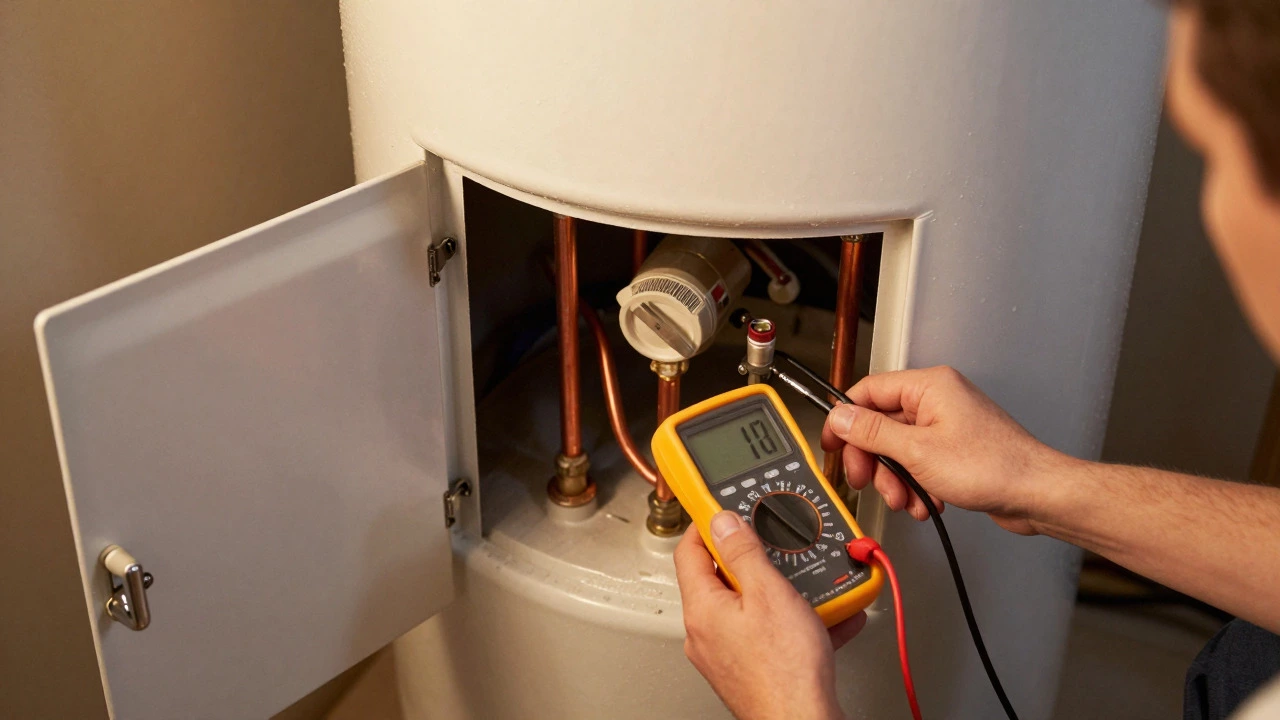
If you’re comfortable with basic electrical work and the breaker is reset, you can test the heating elements. First, turn off the power at the breaker. Remove the access panels on the side of the tank. You’ll see two circular covers. Unscrew them to expose the heating elements and thermostats.
Use a multimeter set to resistance (Ohms). Touch the probes to the terminals of the heating element. A good element reads between 10 and 30 Ohms. If it reads infinite (OL) or zero, the element is blown. Replacing a heating element is a replaceable coil inside electric water heaters that converts electrical energy into heat costs £20-£40 for the part, but labor adds £80-£120. If you’re handy, this is a great DIY project. If not, call a pro.
Step 5: Flush Sediment Buildup
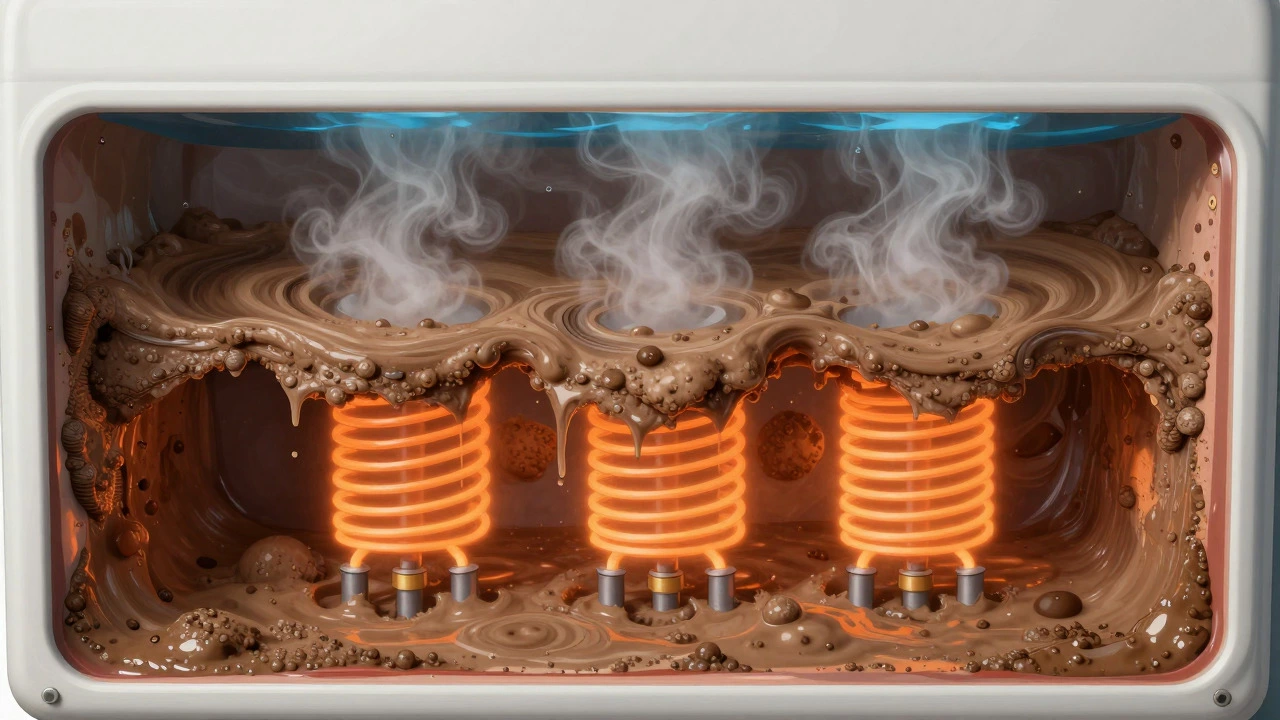
Hard water, common in many UK regions, leaves mineral deposits inside the tank over time. This sediment settles at the bottom and insulates the heating element, causing inefficiency and noise. If your heater makes popping or rumbling sounds, it’s likely full of sludge.
To flush it, attach a garden hose to the drain valve at the bottom of the tank. Run cold water into the bathtub faucet to relieve pressure, then open the drain valve. Let the water run until it clears. This process takes 30-60 minutes and saves energy bills long-term. Doing this annually extends the life of your water heater significantly.
When to Call a Professional Engineer
Some issues are dangerous or complex. Call a certified Gas Safe engineer or electrician if:
- You smell gas near the unit (evacuate and call emergency services).
- The T&P valve leaks continuously even after cooling.
- Water coming out is brown or rusty.
- The tank is over 15 years old and showing signs of corrosion.
- You need to replace the gas valve or control board.
Frequently Asked Questions
How long does a typical water heater last?
Most storage tank water heaters last between 10 and 15 years. Tankless models can last 20 years or more with regular maintenance. Factors like water hardness and usage frequency affect lifespan.
Is it cheaper to repair or replace a water heater?
If the repair cost exceeds 50% of the price of a new unit and the heater is over 8 years old, replacement is usually better. New units are also more energy-efficient, saving money on bills over time.
Why does my water heater make a loud banging noise?
This is usually caused by sediment buildup. Minerals settle at the bottom, and when heated, they expand and crack, creating banging sounds. Flushing the tank resolves this.
Can I use a water heater without flushing it?
Yes, but efficiency drops over time. Sediment acts as insulation, forcing the heater to work harder and consume more energy. Annual flushing is recommended for optimal performance.
What is the ideal temperature setting for a water heater?
The Energy Saving Trust recommends 50°C (122°F) for most households. This balance prevents scalding while ensuring enough hot water for daily use. Adjust higher only if you have specific needs.