

If your shower feels more like a cold plunge than a warm start, you’re not alone. A faulty hot water heater can ruin a morning fast, and fixing it doesn’t have to be a mystery. Below you’ll find the most common reasons why your water isn’t heating, easy checks you can do yourself, and clear signs that it’s time to call an expert.
Most hot water problems boil down to three basics: power, fuel, and the heating element. If you have an electric heater, a tripped breaker or a loose wire can shut it down. For gas units, a faulty igniter, a clogged pilot, or a gas supply issue will stop the flame. In both cases, sediment buildup inside the tank can act like an insulator, making the heater work harder and sometimes failing altogether.
Other red flags include strange noises (like popping or rumbling), rusty water, or a leaking tank. Those clues often point to corrosion or a cracked dip tube, which means a repair or replacement may be needed soon.
First, grab your circuit breaker box. Look for a tripped switch or a blown fuse tied to the heater’s circuit. Reset it and see if hot water returns. Next, check the thermostat setting – most homes run at 120°F (49°C). If it’s set too low, raise it a few degrees and wait a short while.
For gas heaters, locate the pilot light. If it’s out, follow the manufacturer’s instructions to relight it safely. A gas smell or a clicking sound means the igniter may be faulty and should be handled by a qualified technician.
Finally, flush the tank. Sediment can be cleared by turning off the heater, attaching a garden hose to the drain valve, and letting the water flow out until it runs clear. This simple maintenance can extend the life of your unit by years.
If after these steps you still have cold water, or you notice leaks, rust, or any gas odor, stop the DIY attempts. Those issues can be dangerous and need a certified plumber or heating engineer.
Call a professional if you see any of the following: water leaking from the tank, a loud banging noise during a heating cycle, the heater won’t turn on at all, or you smell gas. Also, if your heater is over ten years old and the repair cost approaches half the price of a new unit, replacement is usually the smarter move.
At Bognor Regis Appliance Repair Experts, we offer fast same‑day service for hot water heater repair. Our technicians are Gas Safe certified and can handle everything from a simple thermostat reset to a full tank replacement.
Remember, regular maintenance – checking the pressure relief valve, flushing the tank annually, and keeping the area around the heater clear – can prevent most emergency breakdowns. A little attention now saves you a cold shower later.
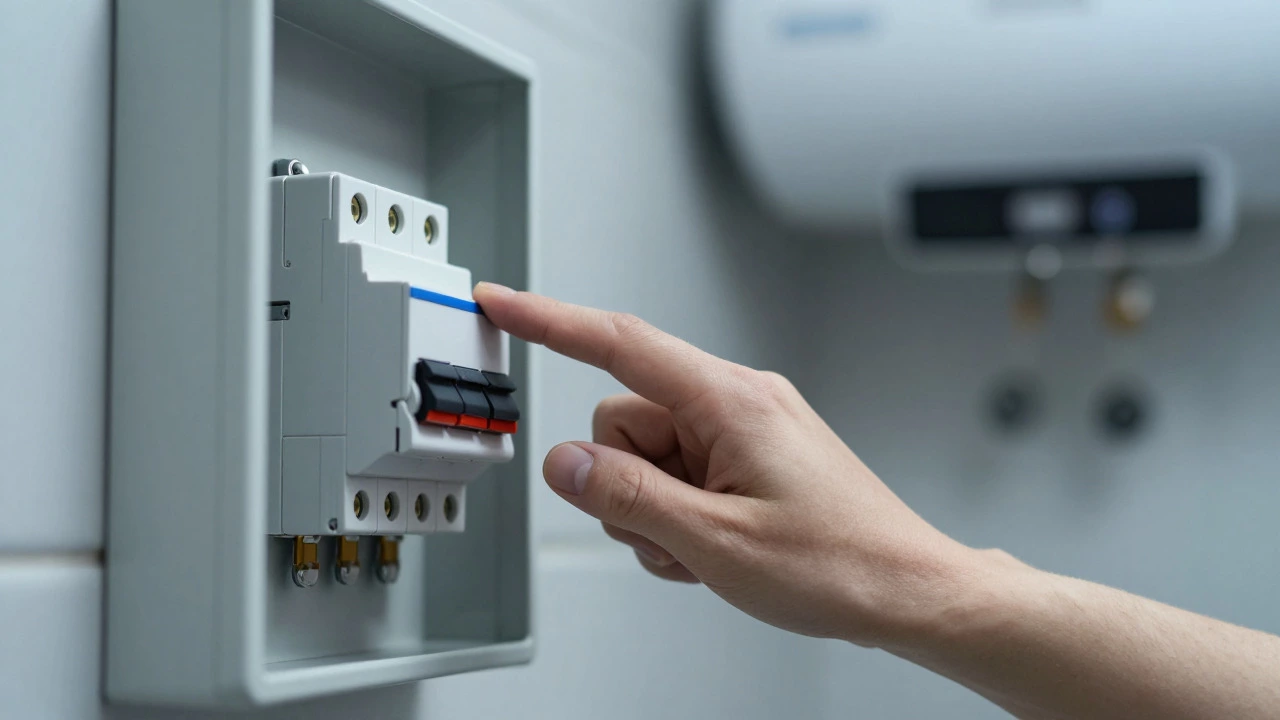
Struggling with a broken hot water heater? Learn how to troubleshoot common issues like tripped breakers, thermostat faults, and leaks before calling an expensive repair service.

Ever got frustrated with cold showers while waiting for your hot water heater to get fixed? This article breaks down how long it really takes to repair different types of water heaters, from common issues you can fix yourself to problems that call for a pro. You'll learn what affects the repair timeline, plus some quick tips to speed things up. No more second-guessing if you’ll be stuck with icy water all day. Get the facts so you can plan around your next repair.
Discover how to ensure your water heater is in proper working condition with this detailed guide. Learn to identify signs of malfunction, perform essential maintenance tasks, and understand common issues that may arise. Whether it's electric or gas, having a reliable water heater is crucial for every home. Keep your heater running smoothly with practical and safety-focused advice.
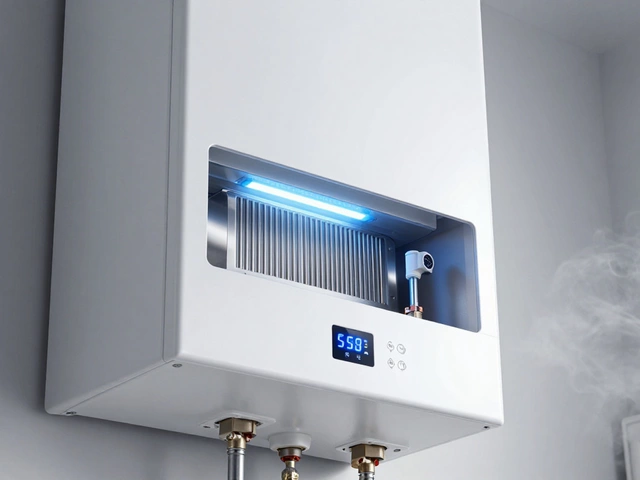
Discover the average lifespan of gas boilers, cookers, and fires. Learn key signs of aging appliances, maintenance tips to extend life, and when to replace for safety and efficiency.

Wondering if you can still use your oven with a broken heating element? This article breaks down what actually happens when the heating element fails and what your options are. Learn about safety concerns, possible workarounds, and when it’s smarter just to fix it instead of limping along. Get tips on recognizing a bad element and ideas for a cheap, fast repair. Find out what really works and what won’t, straight from someone who’s fixed more than a few ovens themselves.
Neglecting boiler maintenance can lead to a series of unfortunate events, from reduced heating efficiency to costly breakdowns. A neglected boiler could become a safety hazard, potentially increasing the risk of carbon monoxide poisoning. Regular servicing can enhance your boiler’s longevity, ensuring a warm home environment during cold spells. Discover why these routine check-ups are more crucial than many realize and learn how they can save you from avoidable expenses.
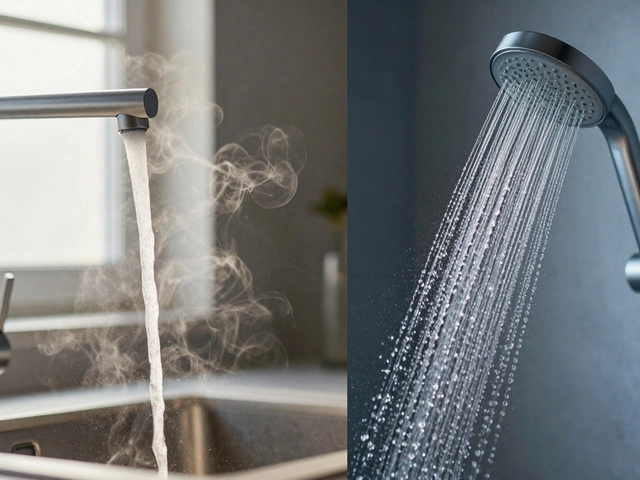
Shower cold but other taps hot? Learn how to diagnose and fix the problem, from failing mixing valves and diverters to air locks and sediment buildup.