

If you’re standing under a cold shower, the first thing you want to know is why your water heater stopped working. Most issues are simple, and you can often fix them without calling a pro. Below we walk through the most common culprits, what you can check yourself, and when it’s time to call in an expert.
Cold water can be caused by a blown fuse, a tripped breaker, or a faulty thermostat. Electric heaters rely on power, so a quick glance at your breaker box can save you a callout. For gas units, the pilot light might have gone out – a gentle push of the reset button usually reignites it.
Another big offender is sediment buildup. Over time, minerals settle at the bottom of the tank, insulating the heating element and making the water stay lukewarm. This also forces the heater to work harder, raising your energy bills.
A stuck reset button is a tell‑tale sign of overheating. When the heater gets too hot, the safety switch trips to prevent damage. If you keep resetting it, there’s likely an underlying issue such as a faulty thermostat or a clogged vent.
1. Reset the heater. Locate the reset button (usually red) on the thermostat. Press it firmly; you should hear a click. If the water heats up, great – but if it trips again, move on to the next step.
2. Check the power. Flip the breaker off for a minute, then back on. For older fuse boxes, replace any blown fuses. Make sure the heater’s power cord is securely plugged in.
3. Relight the pilot. Turn the gas valve to “off," wait a minute, then set it to "pilot" and hold the button while using a lighter to ignite the flame. Hold for 30 seconds before turning the valve back to "on."
4. Flush the tank. Turn off the heater (gas or electric), attach a garden hose to the drain valve, and open the valve. Let water run until it’s clear, then close the valve, fill the tank, and turn the heater back on. Flushing removes sediment and restores efficiency.
5. Inspect the thermostat. If you feel comfortable, remove the access panel, locate the thermostat, and test it with a multimeter. A reading outside the 120‑180 °F range means you need a replacement.
These steps cover about 80% of water‑heater woes. If after resetting, checking power, relighting the pilot, and flushing the tank the water is still cold, the heating element or gas valve may be failing. At that point, it’s safest to call a qualified plumber or our Bognor Regis Appliance Repair Experts.
Remember, regular maintenance—flushing once a year and checking the anode rod—can keep your heater running for 10‑15 years. A quick annual check saves you from surprise cold mornings and costly repairs.
Got a stubborn issue? Grab a screwdriver, a hose, and a few minutes. Most homeowners can bring the heat back without a professional. But when you hit a wall, don’t hesitate to get a pro on the job – it’s faster, safer, and often cheaper than a full replacement later.
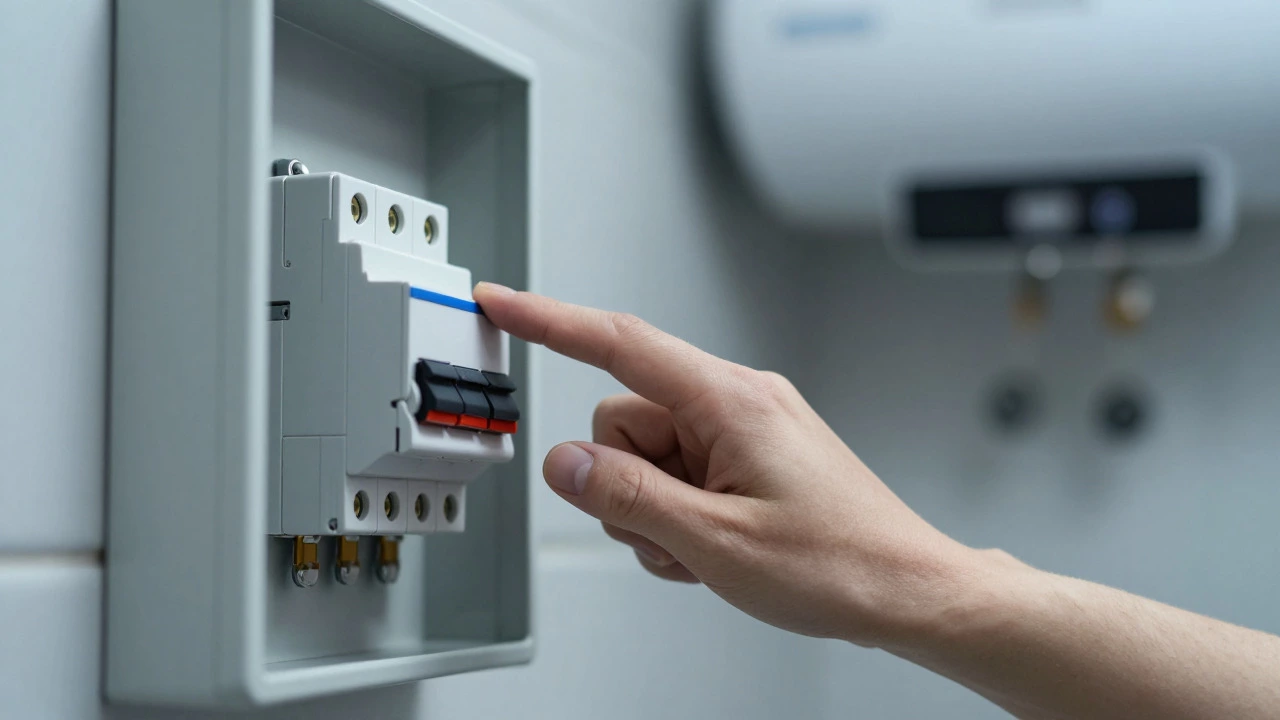
Struggling with a broken hot water heater? Learn how to troubleshoot common issues like tripped breakers, thermostat faults, and leaks before calling an expensive repair service.
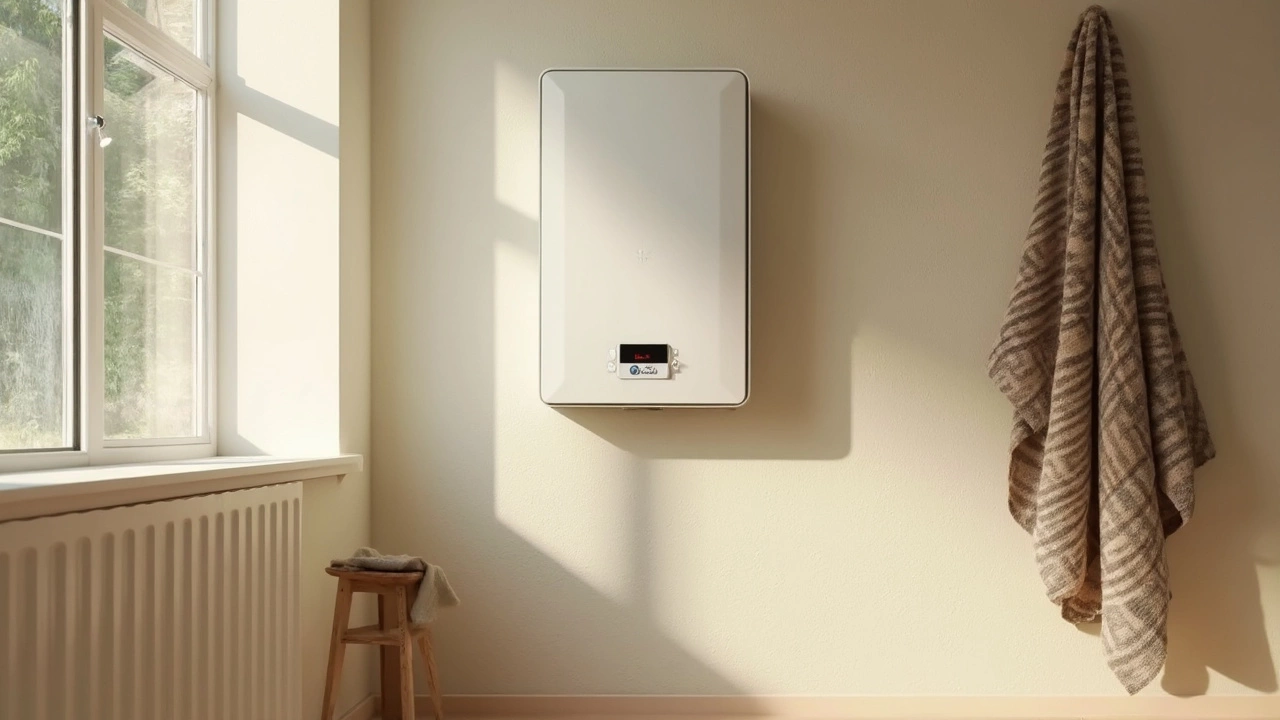
Troubles with your water heater might mean it needs a reset. Knowing when and how to reset it can prevent cold showers and unnecessary stress. This guide covers signs your water heater needs resetting, why it's important, and how to do it safely. Plus, learn some handy maintenance tips to keep it running smoothly.
Wondering what an appliance job really is? This article breaks down everything you need to know, from common types of jobs to what actually happens when a technician shows up at your door. You'll learn when to call for help, what to expect during a service visit, and how to get the best results for your money. Get practical tips before you book, so there are zero surprises. Whether it’s your fridge, washer, or oven acting up, this guide has your back.
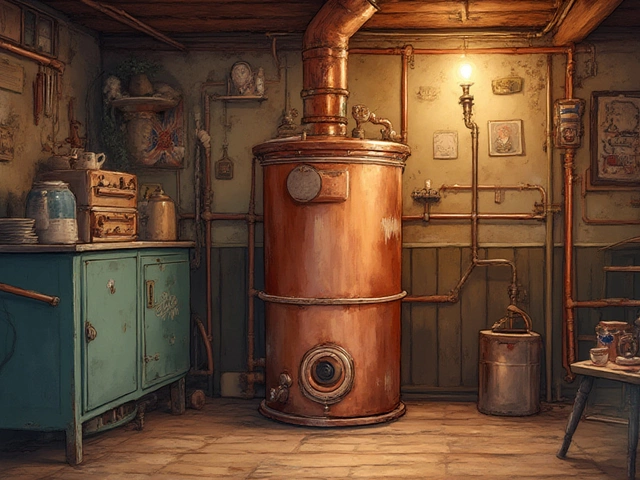
Is it possible for a hot water heater to last 30 years? Here’s a detailed look at what determines water heater longevity, what rare cases look like, and how you can extend your heater’s life with smart habits.
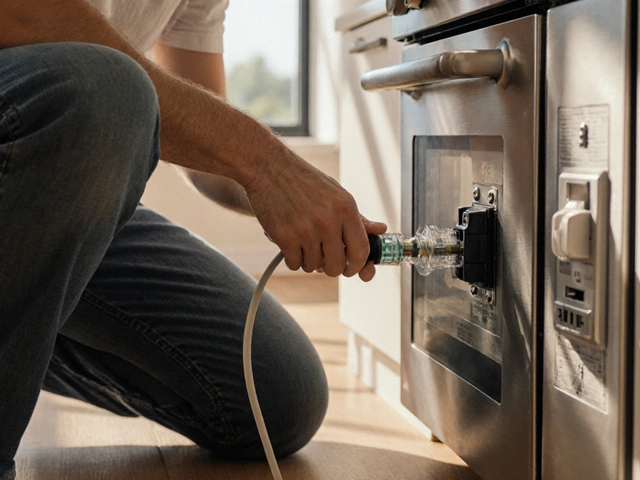
Learn why your electric oven suddenly stopped working, diagnose power, element, thermostat or safety fuse issues, and decide when to DIY or call a repair professional.
Ever wondered who foots the bill for boiler service in your home? This article delves into the responsibilities of homeowners and landlords when it comes to boiler maintenance. It offers practical tips for navigating service agreements and highlights some surprising facts about cost-savings that effective maintenance can offer. Discover insights and advice on ensuring your boiler runs smoothly without burning a hole in your wallet.
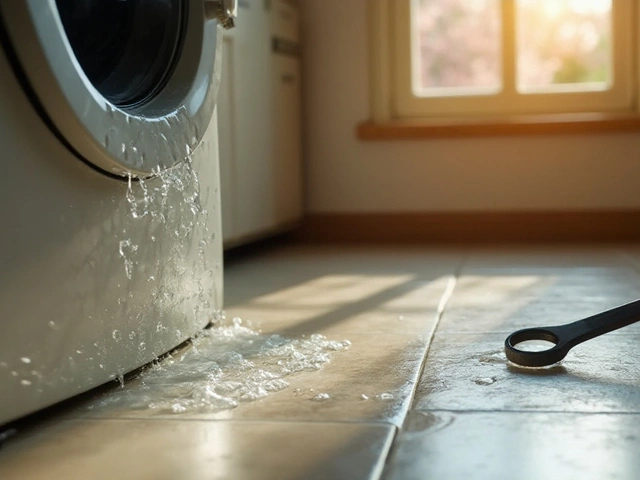
Washing machines are among the most used household appliances, making them prone to various problems over time. This article explores the most frequent issues like leaks, drainage problems, and strange noises. Understanding these problems can help in diagnosing issues quickly and considering effective repairs. The article also offers helpful tips to maintain your machine and keep it running efficiently for years. Simple maintenance steps can prevent most common problems from occurring.