Boiler Replacement Toilet Checker
Enter your home details to see if you can use your toilet while the boiler is being replaced.
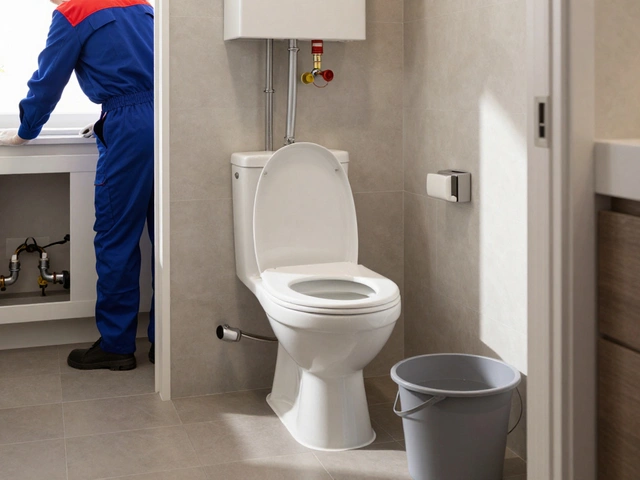
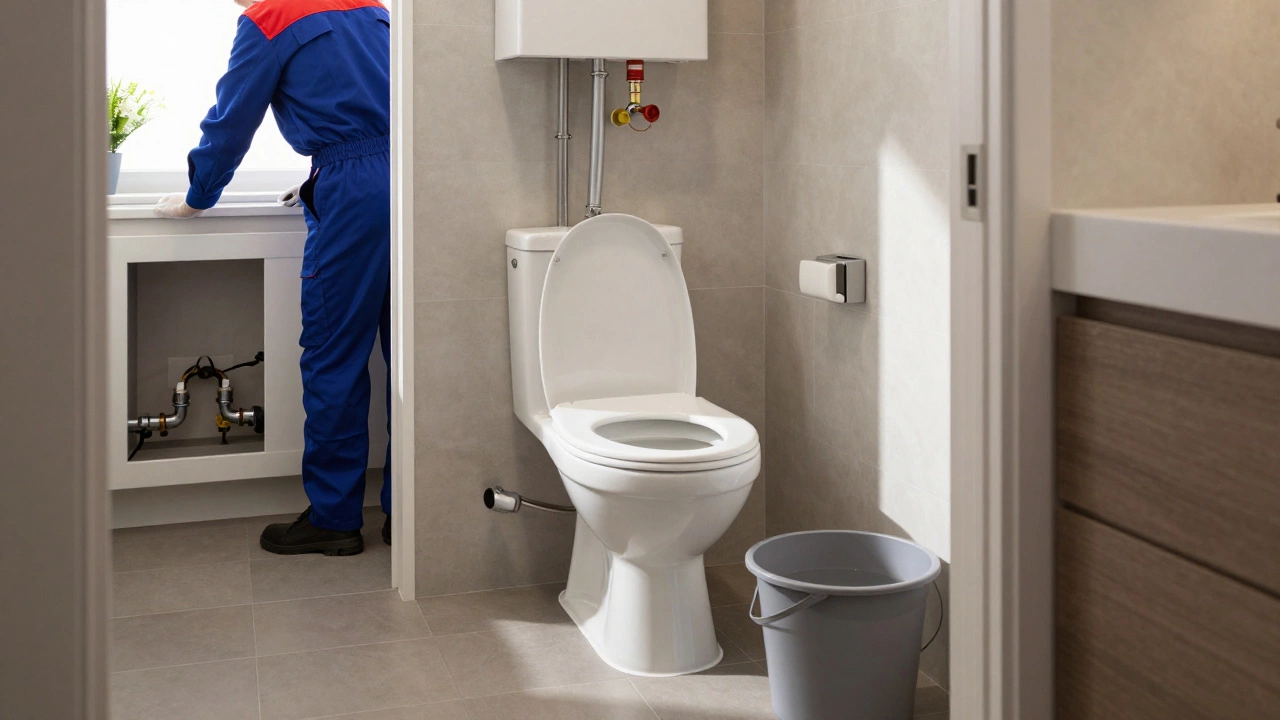
When your boiler breaks down and needs replacing, the last thing you want to worry about is whether you can still use the toilet. It’s not just about convenience-it’s about basic hygiene, comfort, and sometimes, urgency. The short answer? Yes, you can usually use the toilet when the boiler is being replaced. But there are important exceptions and conditions you need to know before you flush.
How Your Boiler Connects to Your Plumbing
Most modern boilers in UK homes don’t directly control your toilet’s water supply. Your toilet fills from the cold water main line, usually connected to a storage tank in the loft or directly from the municipal supply. The boiler’s job is to heat water for radiators and hot taps, not to push water into your cistern. So if your boiler is being swapped out, the cold water feeding your toilet should still flow normally-unless the plumber shuts off the main water supply. And that’s where things get tricky.When the Water Gets Shut Off
Plumbers often turn off the main water supply to avoid leaks, pressure issues, or contamination when working on pipes. If they’re replacing the boiler and need to cut into the central heating pipes, they might shut off the water entirely. That’s standard procedure. But here’s the catch: if the main water is off, your toilet won’t refill after flushing. In older homes with gravity-fed systems, the loft tank might still have water in it. That means you can flush once or twice, but not more. In newer homes with combi boilers and direct mains-fed toilets, turning off the water cuts off the supply completely. No water in = no flush. You might think, “I’ll just use the toilet once and wait.” But if the job takes hours-and it often does-you’ll need a backup plan.What Happens to Hot Water?
Even if your cold water stays on, you won’t have hot water during the boiler replacement. That means no hot showers, no warm sinks, and no hot water for cleaning. But your toilet doesn’t need hot water to work. It runs on cold. So unless you’re using a bidet or a smart toilet with heated functions, your flush won’t care. Some modern toilets have built-in sensors, heated seats, or automatic lids. If yours does, check the manual. Most of these still work on battery power or low-voltage circuits and won’t be affected by the boiler swap. But if your toilet relies on a boiler-powered hot water supply for cleaning features (rare in UK homes), you’ll lose that function.How Long Does a Boiler Replacement Take?
A standard boiler swap takes between one and three days, depending on complexity. Most installers can remove the old unit and fit the new one in a single day. But if they need to re-route pipes, upgrade the flue, or install a new condensate pipe, it can stretch into a second day. If the job is done in one day, you can plan around it. Ask the plumber when they plan to turn the water off. If it’s mid-morning, use the toilet before they start. If they’re working in the afternoon, flush early in the day. Keep a bucket of water nearby-just in case.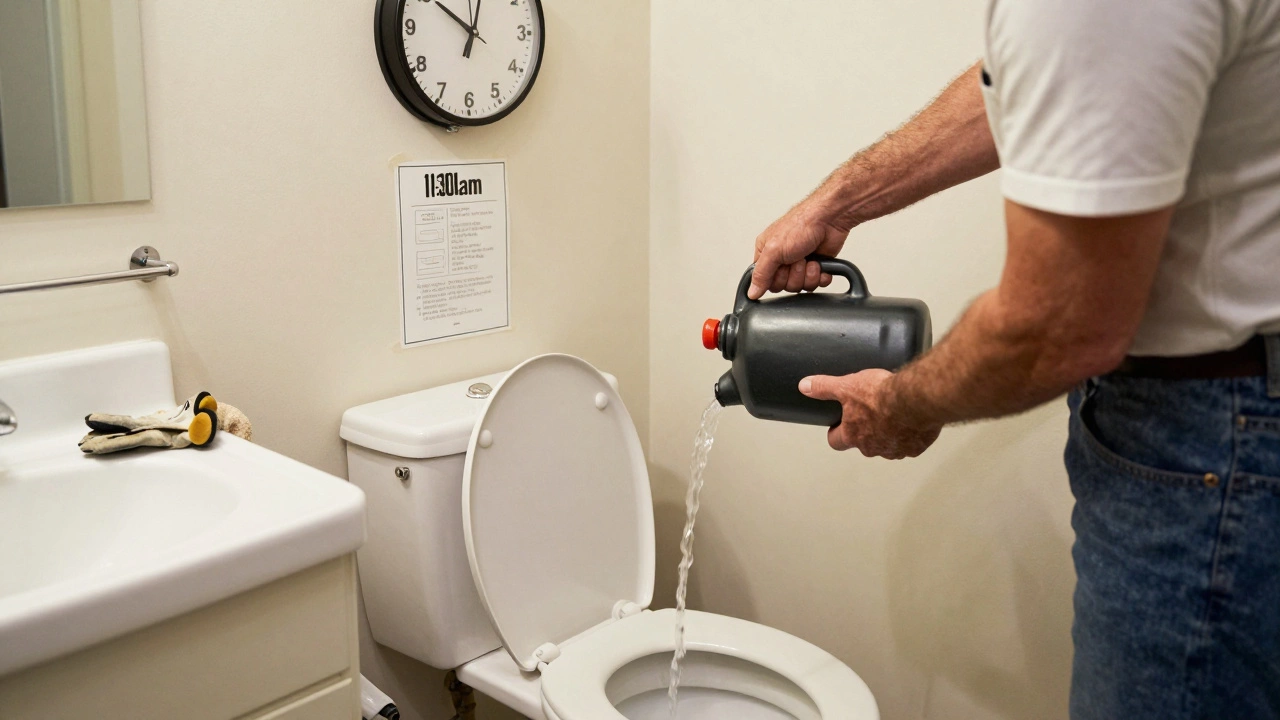
What to Do If You Can’t Flush
If the water gets shut off and you need to use the toilet, here’s what works:- Keep a large jug or bucket of clean water in the bathroom. Pour about 1-2 litres directly into the bowl to manually flush. This mimics the force of a normal flush and clears the waste.
- If you have a portable camping toilet or a chemical toilet, set it up in a spare room. It’s not ideal, but it’s better than holding it.
- Ask the plumber if they can leave the cold water on for the toilet only. Some will agree if you’re elderly, have young kids, or have medical needs.
- Use a neighbour’s bathroom if you’re nearby and comfortable asking.
What Plumbers Usually Do
Most reputable boiler installers in the UK know this is a common concern. They’ll often:- Turn off the water only when absolutely necessary
- Leave the cold water supply to the toilet on if it’s separate from the heating system
- Warn you in advance if the water will be off
- Finish the job quickly to minimise disruption
Special Cases: Combi Boilers and System Boilers
Combi boilers are the most common type in the UK. They heat water on demand and don’t use a tank. If your combi boiler is being replaced, the cold water supply to your taps and toilet usually stays on-unless the plumber is working on the main line. System boilers use a hot water cylinder. If the cylinder is being drained or isolated, you might lose hot water-but again, the toilet’s cold supply should remain unaffected. The only time your toilet is at risk is if the boiler is tied into your plumbing in an unusual way. This happens in very old homes (pre-1970s) where the boiler was once used to pump water around the house. If you live in a period property, tell the plumber upfront. They’ll check for unusual connections before starting.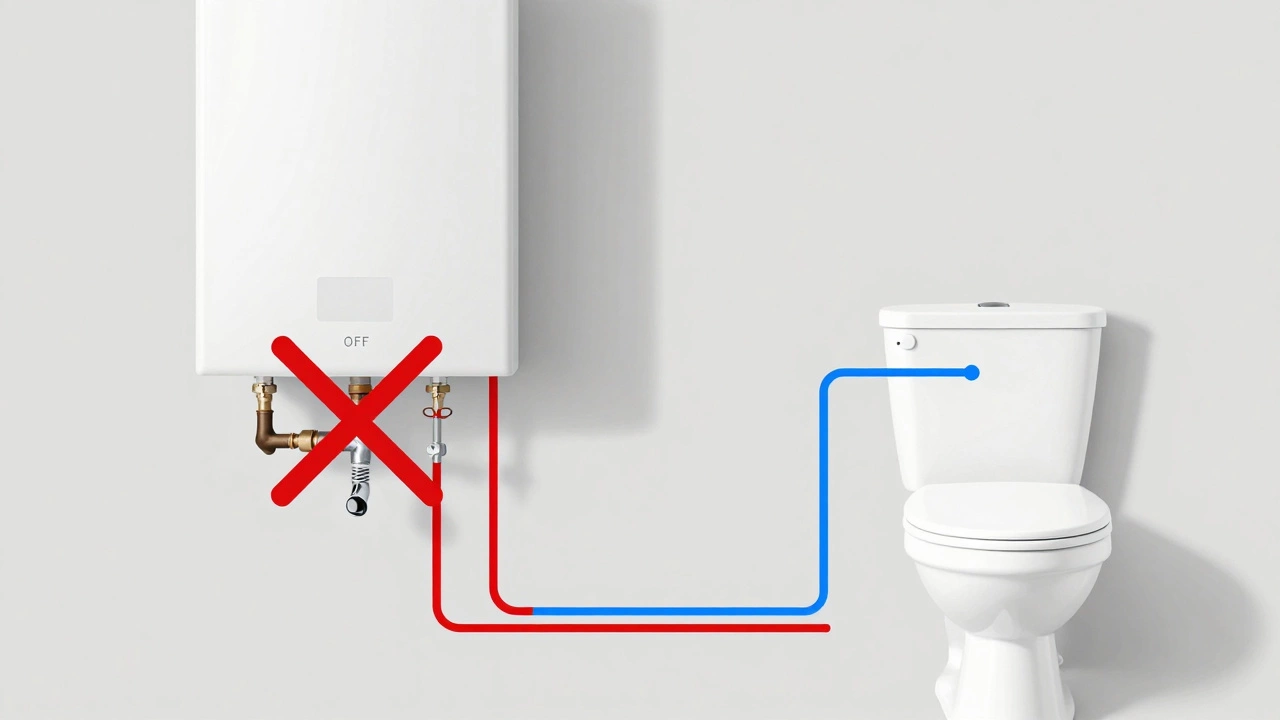
What to Ask Before the Install
Don’t wait until the plumber arrives to ask questions. Call ahead and ask:- Will the water supply to the toilet be turned off?
- How long will the water be off?
- Can you leave the cold water on for the toilet only?
- Will you need to use a bucket to flush?
- Can we schedule the work around my routine?
Final Tips for a Smooth Day
- Flush before they start. Don’t wait until the last minute. - Keep a bucket of water in the bathroom. Even if you think you won’t need it, it’s a safety net. - Let kids and elderly family members know. They might panic if the toilet doesn’t refill. - Have a plan for pets. Dogs need to go out. Don’t forget them. - Don’t flush if you’re unsure. If the tank isn’t refilling, stop. Use the bucket method instead.What If You’re in an Emergency?
If you’re ill, pregnant, or have a medical condition that requires frequent toilet use, tell the installer before they begin. Most will prioritise your needs. In extreme cases, you can ask them to delay the water shut-off until after you’ve used the bathroom. Some installers even offer emergency service windows for vulnerable households. Remember: you’re not being difficult. You’re being practical. Plumbing work is disruptive. A good installer will respect that.Can I use the shower when the boiler is being replaced?
No, you won’t have hot water during the replacement unless your plumber leaves the hot water cylinder or tank running-which is rare. Most boilers are isolated during installation, so showers will only have cold water. Plan for cold showers or use a basin with warm water from a kettle if you need to clean up.
Will my toilet clog if I flush during the boiler replacement?
No, flushing won’t cause a clog. But if the water supply is off and you flush multiple times, the cistern won’t refill. That means you’ll get weak flushes or no flush at all. Use a bucket of water to manually flush if needed. That’s safe and effective.
How do I know if my boiler is connected to my toilet system?
In nearly all UK homes built after 1970, the boiler and toilet are separate systems. If your home is older than 1970 and has a black iron pipe running from the boiler to the loft tank, it might be connected. Ask your plumber to check before work starts. They’ll know right away.
Should I turn off the water myself before the plumber arrives?
No. Don’t turn off the water yourself unless instructed. The plumber needs to see the system as it is to diagnose correctly. Turning off the water prematurely could delay the job or make it harder for them to test the new boiler.
Can I use the toilet if the boiler is leaking during replacement?
Yes, but only if the leak isn’t affecting your plumbing lines. A boiler leak usually affects the heating system, not the cold water supply to your toilet. However, if water is pooling near your bathroom pipes or you smell gas, leave the house and call the installer immediately. Safety comes first.