

Feeling a chill in the house even though the thermostat says it’s warm? That could be a sign your boiler is on its last legs. Replacing a boiler isn’t just about fixing a cold shower – it can cut energy bills, improve comfort, and protect your home from leaks. Let’s break down the whole process so you know exactly what to expect.
First up, look for red flags. If your boiler is more than 10‑15 years old, makes strange noises, or trips the safety valve often, it’s probably time to upgrade. Leaking water, constant cold spots, or a sudden rise in heating costs are also warning signs. A quick visual check for rust, corrosion, or puddles around the unit can give you a solid clue before you call a pro.
Another clue is the age of the system’s parts. Older radiators, pipework, or an outdated thermostat can limit a new boiler’s efficiency. If you’re already planning to replace those, swapping the boiler at the same time usually saves money on labour.
When you pick a new boiler, size matters. Too big, and you waste fuel; too small, and you never get the heat you need. A qualified engineer will calculate the right output based on your home’s square footage, insulation, and number of bathrooms. Most homeowners go for a combi boiler because it provides instant hot water and saves space.
Look at the energy rating – A‑rated units use less gas and lower emissions. While they may cost a bit more upfront, the savings on your monthly bill usually cover the extra price in a few years. If you have a tight budget, a solid‑fuel or oil boiler might be an option, but check local regulations before you decide.
Don’t forget the warranty. A good manufacturer offers at least 5‑year parts coverage and a longer guarantee on the heat exchanger. Keep the paperwork handy; it can be a lifesaver if something goes wrong later.
Now that you know what to look for, here’s a simple step‑by‑step plan for the swap:
After the job’s done, keep the boiler’s manual in a safe spot and set a reminder for an annual service. Regular check‑ups keep the system efficient and catch problems before they turn into costly repairs.
Replacing a boiler may feel like a big project, but with the right signs, the proper size, and a reliable installer, it’s a smooth upgrade that pays off in comfort and lower bills. If you’re in Bognor Regis or the surrounding area, give the local experts a call – they know the homes here and can get the job done right the first time.
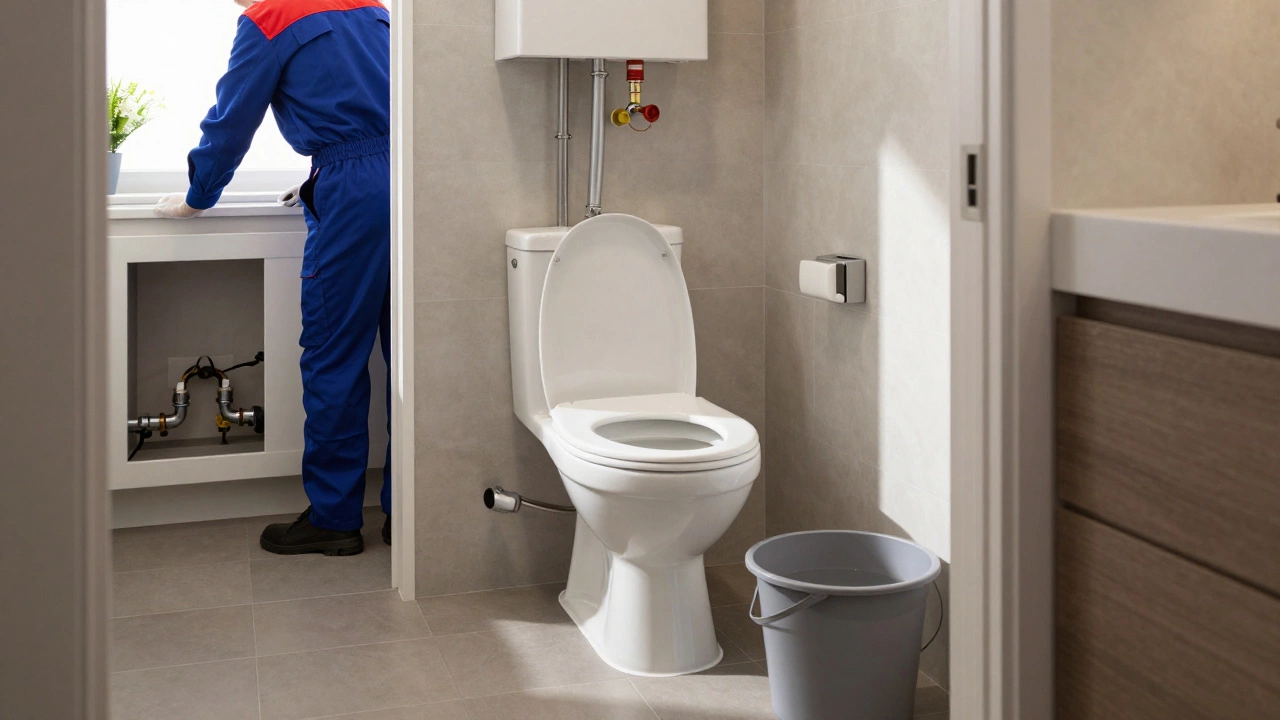
You can usually use the toilet when your boiler is being replaced, but water may be shut off during installation. Learn when it’s safe, how to flush without water, and what to ask your plumber to avoid surprises.

Stuck between fixing or swapping your boiler? Discover the real facts, costs, tips, and how to make the right call for your property, budget, and comfort.

Wondering how long you can cope with a broken boiler? Get clear facts, repair timelines, survival tips, and legal details so you don’t get left in the cold.

Wondering how long it takes to swap out an old boiler for a new one? This article spells out exactly how much time you’ll need, what really affects the timeline, and offers practical tips to speed things up. Get the full breakdown, including what you can do before installation day and how to avoid surprises. If you want your heat and hot water back fast, this guide is for you. Find out what to expect from your boiler replacement and how to stay one step ahead.

Thinking about how long your boiler will keep working? This article explains the real lifespan of boilers, the factors that affect how long they last, and how to spot when yours might be on its last legs. You'll get practical tips for stretching out your boiler's life and advice about when it's smarter to repair or just replace. Stay warm and avoid surprise breakdowns with these straightforward facts.

Thinking about replacing your old boiler but dreading the mess? This article breaks down exactly what kind of disruption to expect during a boiler swap. Find out what typically gets messy, which steps are surprisingly neat, and how you can prep your space to keep chaos to a minimum. Get straightforward tips to protect your home, plus the real deal on post-installation cleanup. No sugarcoating—just facts every homeowner should know before booking the job.
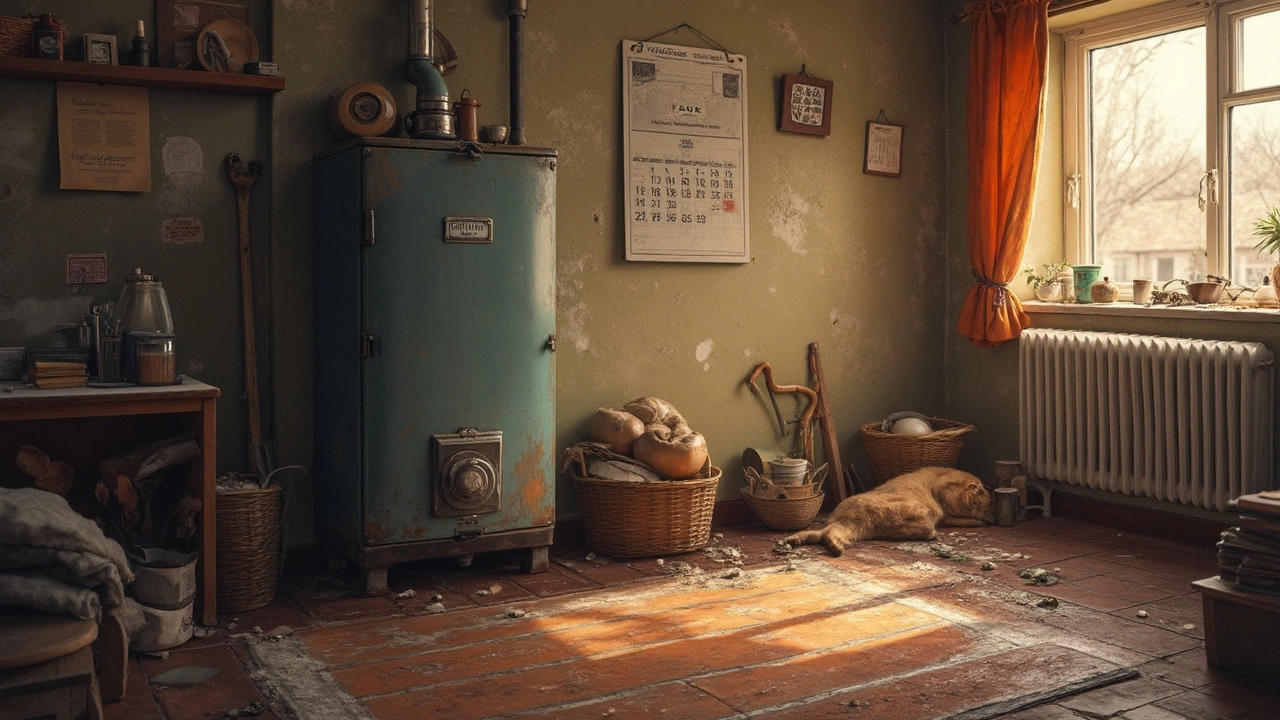
In the world of home heating, boilers are real workhorses. But have you ever wondered how long your trusty boiler will keep chugging along? Typically, a boiler can last anywhere from 15 to 20 years, depending on various factors like maintenance, usage, and quality of installation. Knowing when to fix or replace your boiler not only ensures a warm home but also helps you avoid unexpected expenses.
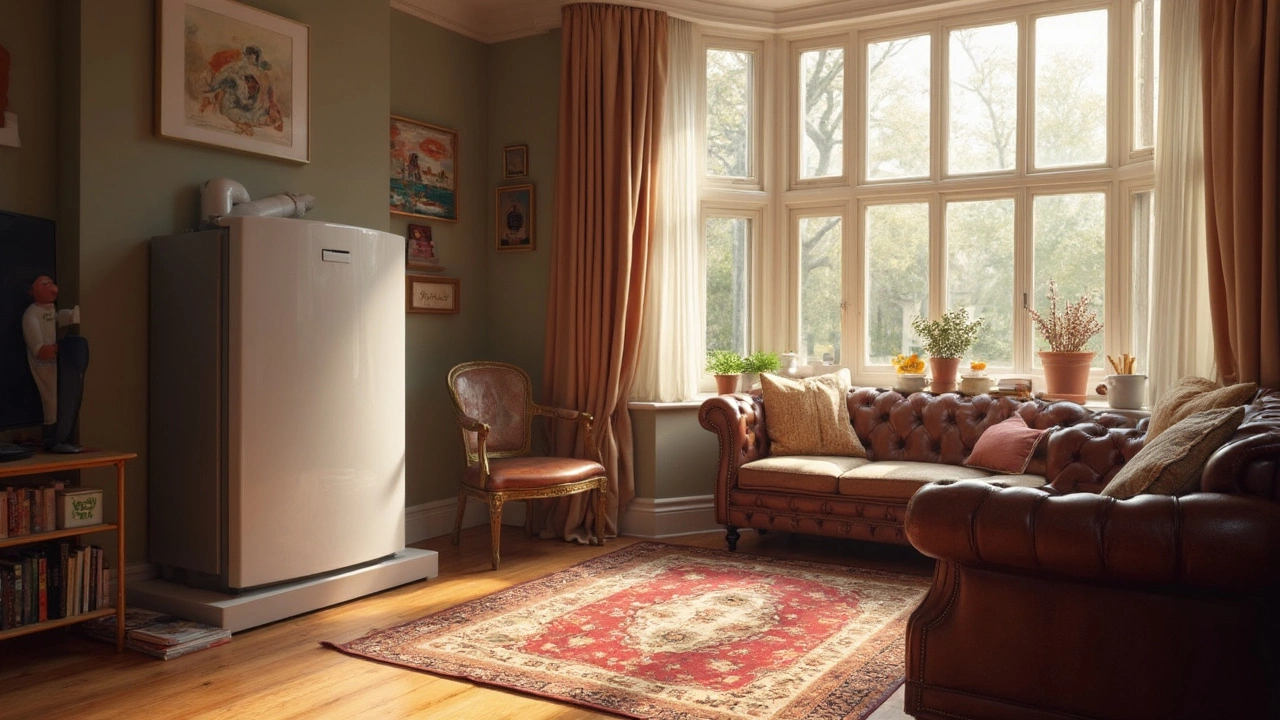
Curious about how much a new boiler might set you back? This article breaks down the costs involved, from purchasing the unit to installation fees. Understand the factors that influence pricing and learn practical tips to get the most value from your investment. Discover essential maintenance advice and the importance of proper sizing and efficiency ratings. Equip yourself with knowledge before making a decision about your home's heating system.
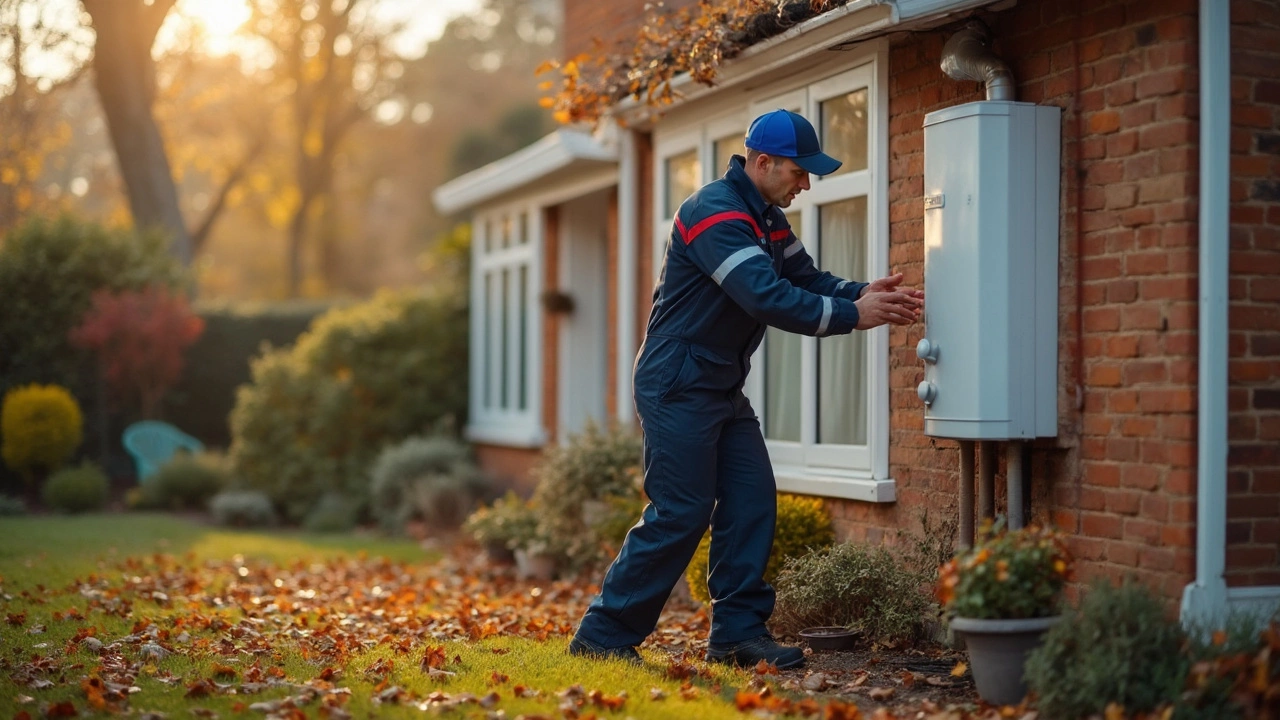
Replacing a boiler can seem like a daunting task, but knowing what to expect can make the process easier. Typically, boiler replacement involves several steps including removing the old unit, choosing the right size and type for your home, and ensuring proper installation. Skilled professionals often make the experience smoother by handling the technical aspects and minimizing disruption. Preparation and understanding of the process can help homeowners tackle this job with confidence.
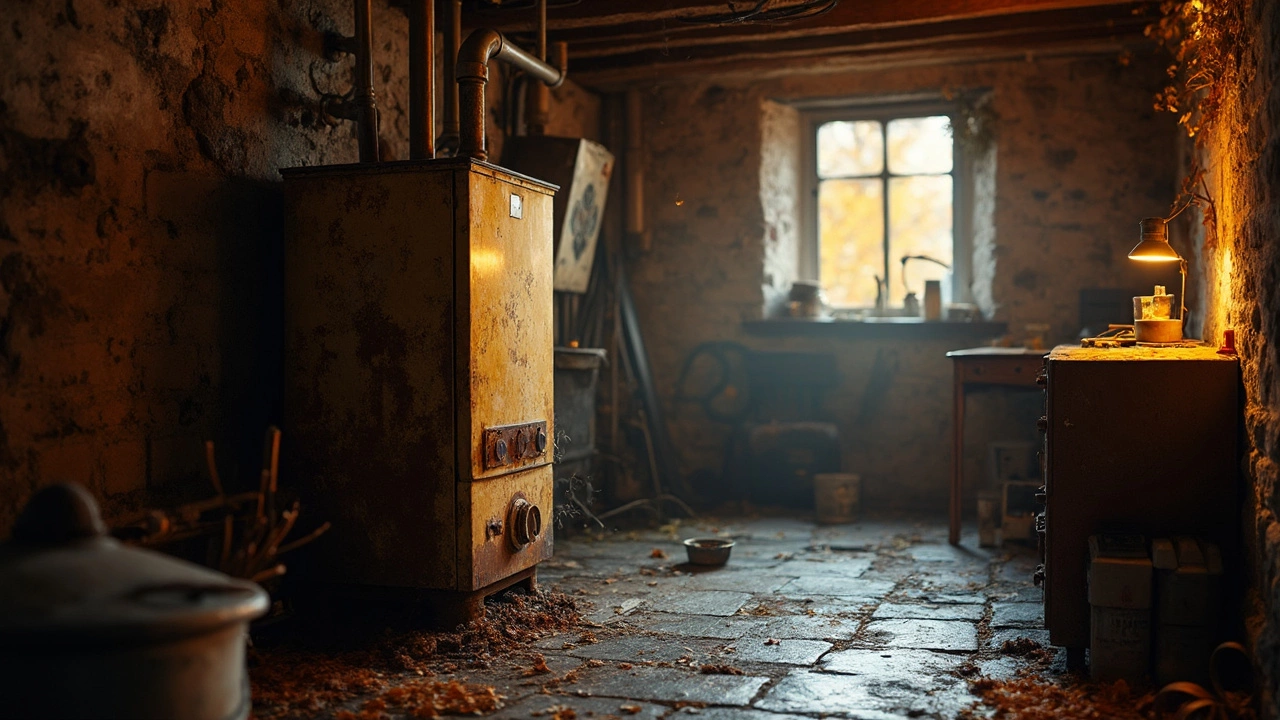
Replacing an old boiler might seem like a hassle, but when it's reaching the 15-year mark, the decision becomes crucial for efficiency and safety. This article explores whether it's time to upgrade, balancing costs, savings, and the impact on your home. From understanding energy efficiency to recognizing warning signs, we dive into everything you need to consider. With insights and practical tips, make an informed choice about your old boiler.

Boilers, integral to any home heating system, don't last forever. Understanding their lifespan can help you plan timely maintenance and replacements to ensure efficient heating. In this article, we explore how long you can expect your boiler to serve you, what affects its longevity, and how regular care can make a difference. By understanding these aspects, homeowners can make informed decisions regarding their heating needs and avoid unexpected failures.
Microwaves are essential in modern kitchens, but when they break down, deciding whether to repair or replace them can be tricky. This article explores the factors that influence repair decisions, common microwave issues, and when it's more economical to buy a new one. It also offers tips on maintaining your microwave to prevent future problems. Understand the costs involved and make an informed choice on your kitchen appliances.
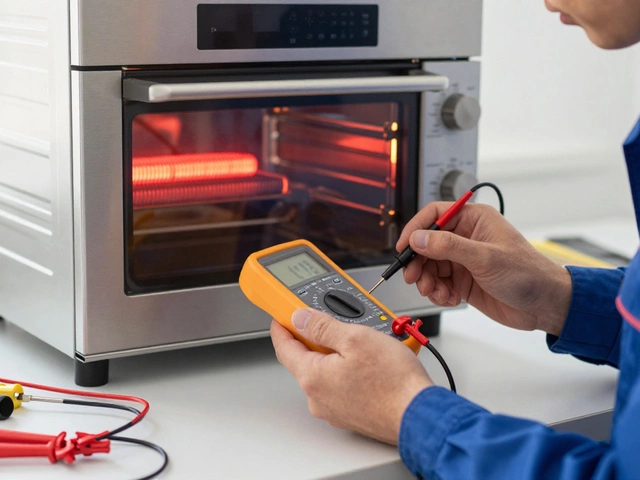
Learn the real cost to fix a broken oven, from common repairs like heating elements and thermostats to when it's better to replace. Get pricing, tips, and expert advice for 2026.

Stuck between fixing or swapping your boiler? Discover the real facts, costs, tips, and how to make the right call for your property, budget, and comfort.
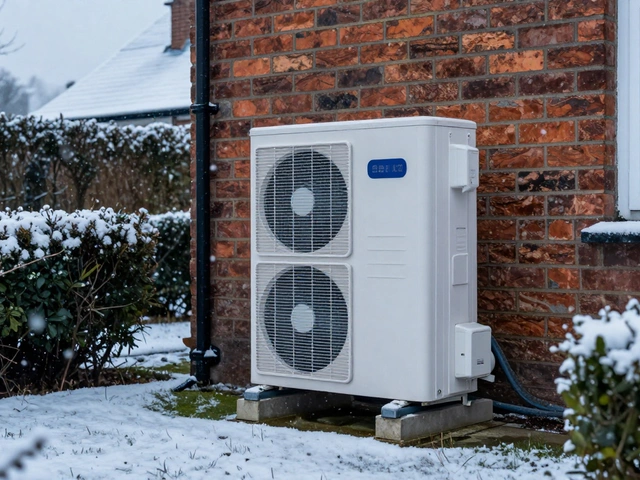
Discover real heat pump repair costs in the UK for 2026. Learn which faults are expensive, how maintenance saves money, and when to replace vs repair your system.
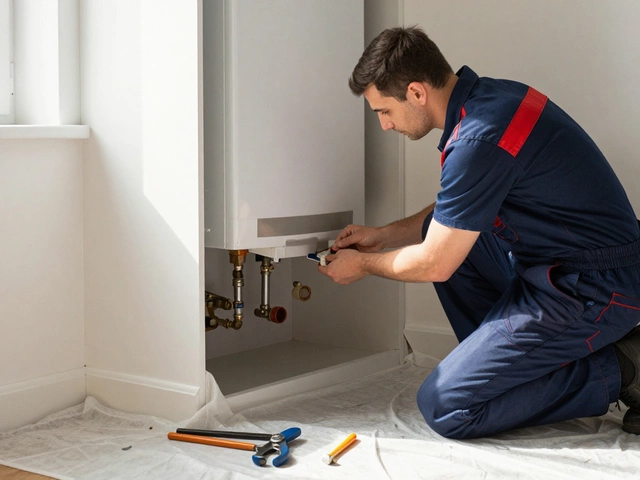
Replacing a boiler in the UK typically takes one to three days, depending on the type of boiler, system complexity, and home layout. Most installs finish in a single day if the new unit is in the same location.