

Ever put a plate in the microwave and watch it spin forever without heating? Or hear a loud buzz that makes you wonder if it’s about to explode? You’re not alone. Most kitchen microwaves develop a few predictable hiccups, and many of them can be sorted out without calling a technician. In this guide we’ll walk through the biggest culprits, why they happen, and what you can do yourself in just a few minutes.
First up, the microwave not heating. The usual suspects are a failed magnetron, a tripped door switch, or a blown fuse. The magnetron is the heart that creates the microwaves, so if it’s dead the oven still runs but gives you cold food. A door switch that doesn’t click properly will also shut off the heating as a safety measure. Next, strange noises – a humming, clicking, or rattling often means the turntable motor is loose, the fan blades are dirty, or something inside the cavity is hitting the walls. Finally, error codes on the display are the microwave’s way of telling you it’s confused; most codes point to a temperature sensor, a control board glitch, or a power surge.
Start with the easy stuff. Unplug the unit, wait a minute, then plug it back in – a quick reset can clear a temporary glitch. Check the door latch; make sure it closes firmly and the latch pin isn’t bent. If the microwave still won’t heat, locate the fuse (usually a small glass tube near the power cord) and replace it with the same amperage. For a noisy turntable, pull it out, clean any food debris, and tighten the roller guide. If the motor sounds gritty, give the motor shaft a few drops of lightweight oil and spin it by hand – it should move smoothly.
When the magnetron is the problem, you’ll need a new part and a bit more confidence. Disconnect power, remove the outer cabinet, and locate the metal box with two thick wires – that’s the magnetron. Swap it with an exact match (same wattage and size) and re‑assemble. If you see a burnt smell or visible damage on the magnetron, it’s definitely the culprit. For error codes, refer to the microwave’s manual; most brands list what each code means. Often you can reset the code by holding the “Start” button for 5 seconds or by unplugging the unit for a couple of minutes.
Know when to stop. If you’ve checked the fuse, door switch, and cleaned the interior but the microwave still won’t heat, it’s time to call a professional. Magnetron replacements involve high voltage components that can be dangerous if mishandled. Also, if the control board is flashing error codes repeatedly, a trained technician can diagnose the fault safely. Trust your gut – if anything feels risky, let a qualified repair service take over.
Keeping your microwave in top shape is mostly about regular cleaning and avoiding metal inside. Wipe down the interior after each use, clean the turntable and rollers, and never heat sealed containers. A quick monthly check of the door latch and fuse can catch issues before they turn into costly repairs. With these tips, you’ll spend less time staring at a cold plate and more time enjoying hot leftovers.
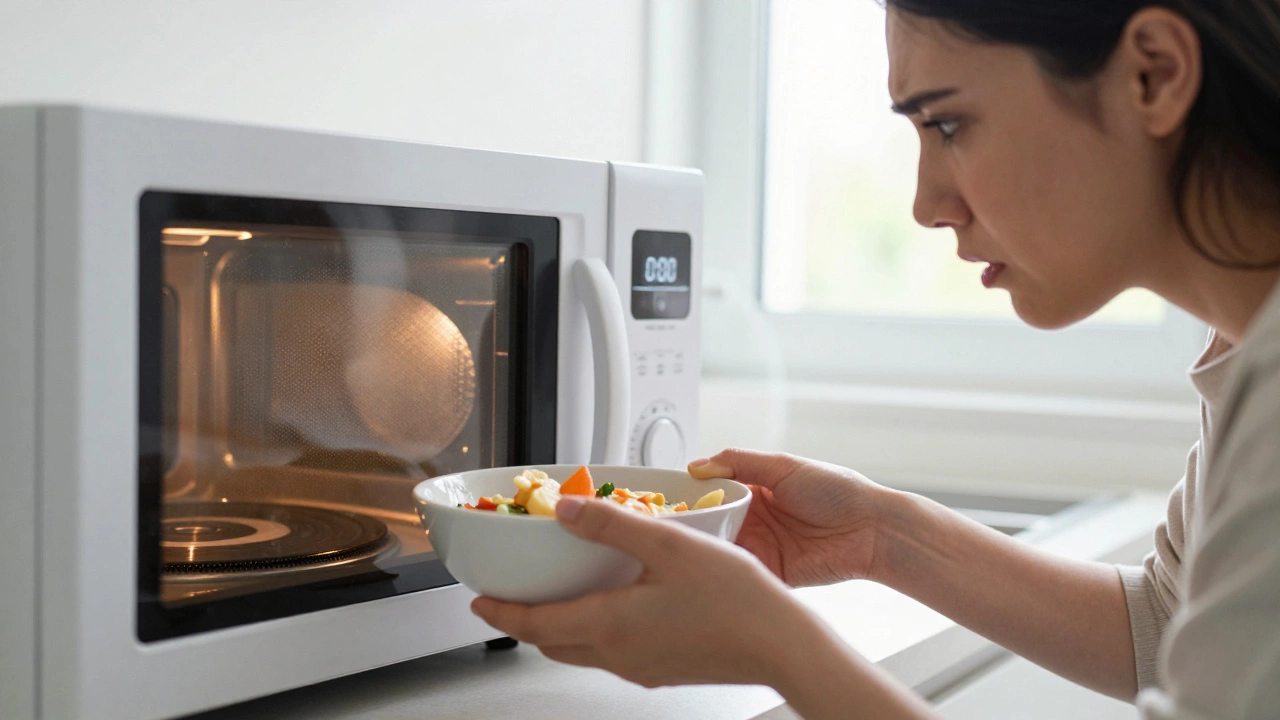
Wondering why your microwave isn't heating? Learn the common symptoms of a bad magnetron, how to distinguish it from other failures, and when to call a pro.
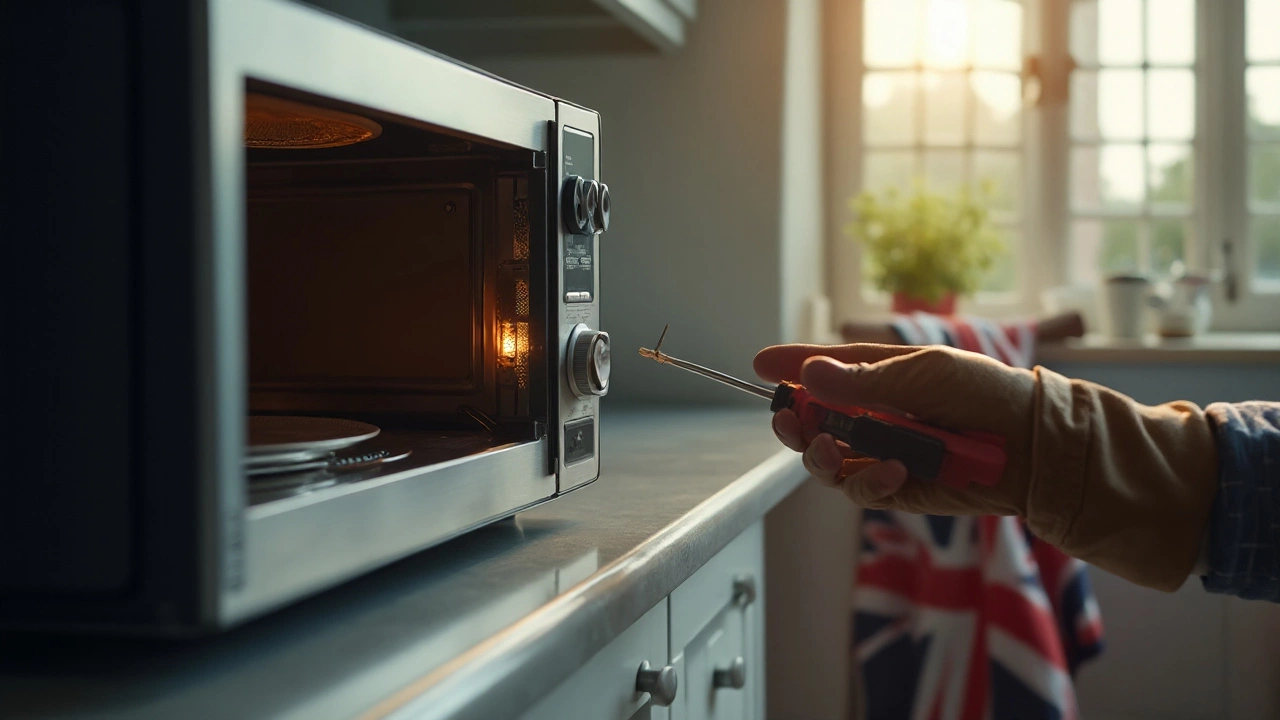
Learn fast how to spot a blown microwave fuse, test it safely, and replace it yourself. Step‑by‑step instructions, tools needed, and common pitfalls covered.

Wondering if you can fix your microwave at home instead of tossing it and buying a new one? This article breaks down common microwave problems, what you can safely handle, and when it's better to call a pro. Get practical tips that actually make a difference, plus real talk about microwave safety. Save yourself time, money, and stress with easy-to-follow advice. Tackling your appliance repair just got a whole lot simpler.
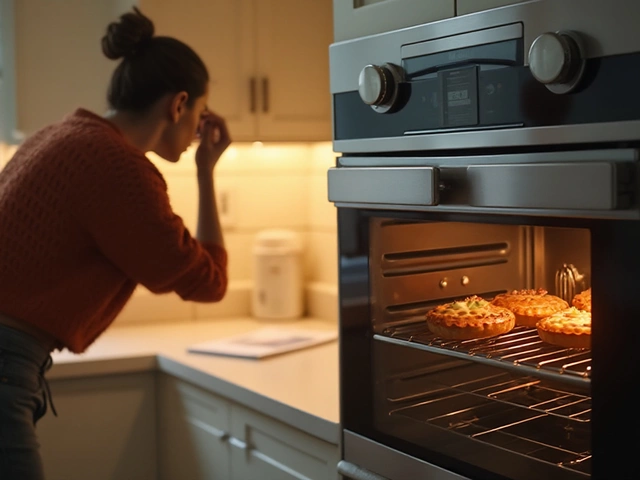
When your electric oven unexpectedly stops working, it can throw your kitchen routine into chaos. Understanding the potential reasons behind this issue can help you fix it quickly. Whether it's a power supply problem, faulty elements, or user error, this guide will walk you through common causes and solutions to get your oven back in working order. Discover useful tips to identify and address troubles with your electric oven efficiently.
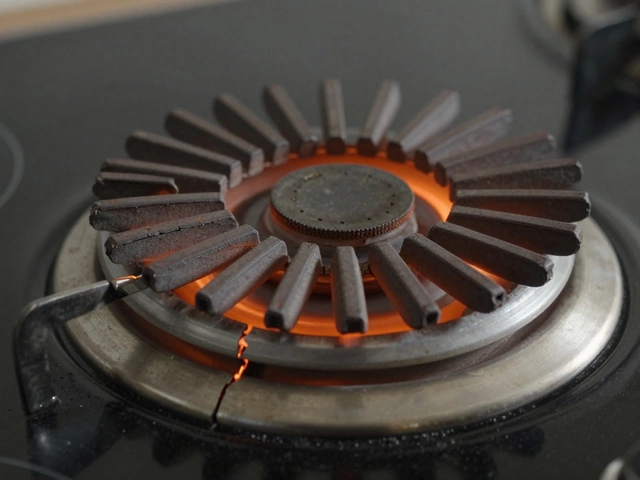
Learn how to tell if your electric stove element is bad with simple visual checks, multimeter tests, and common signs of failure. Save money by diagnosing and replacing it yourself.
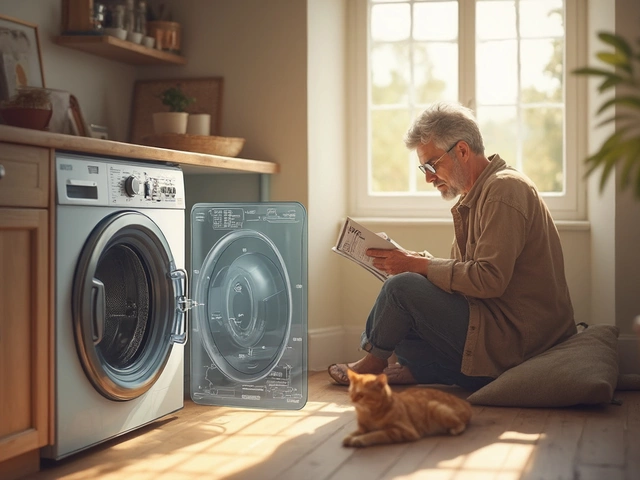
Discover which washing machine parts break down most often, why they fail, and how to prevent expensive repairs. Get tips to keep your washer running smoothly.
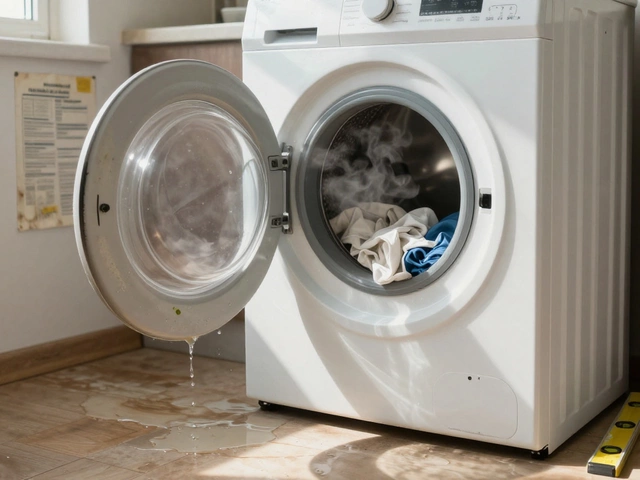
Most washing machines last 8-12 years, but signs like loud noises, leaks, or error codes mean it's time to consider repair or replacement. Learn how to extend its life and when it's better to buy new.
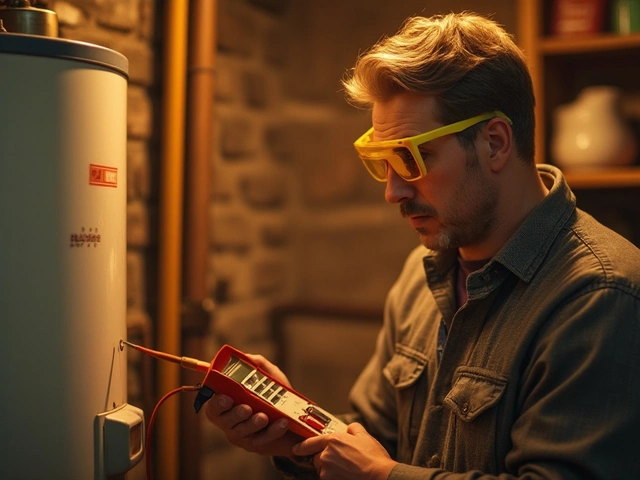
Diagnosing a faulty hot water heater element can seem daunting, but it's an essential skill for any homeowner. Key indicators like water temperature issues, noises, and prolonged heating cycles are telltale signs of a bad element. This article provides practical advice on how to inspect and test your heater element using accessible tools. Also included are safety tips and maintenance recommendations to extend the lifespan of your water heater.