Hob Lifespan & Repair Calculator
Your Hob Details
Analysis Result
-- years
-- years
0% of life remainingPlease enter details and click analyze.
Financial Logic:
- Repair Cost: £0
- New Unit Cost: £400
- Threshold (50% Rule): £200
Enter your hob's details to see if it needs repair or replacement.
You stand in your kitchen, staring at the stovetop. It’s been there for years, burning through dinners and boiling kettles without complaint. But now, maybe it’s heating unevenly, or that one burner just won’t light. You might be wondering: is this normal wear and tear, or is it time to replace the whole thing? The short answer is that a well-maintained hob should last between ten and twenty years, depending heavily on its type.
Knowing when to repair and when to replace saves you money and prevents unnecessary waste. In Bristol, where we see everything from Victorian cast-iron ranges to sleek modern induction units, the lifespan varies wildly. Let’s break down exactly how long each type lasts and what kills them early.
The Average Lifespan of Different Hob Types
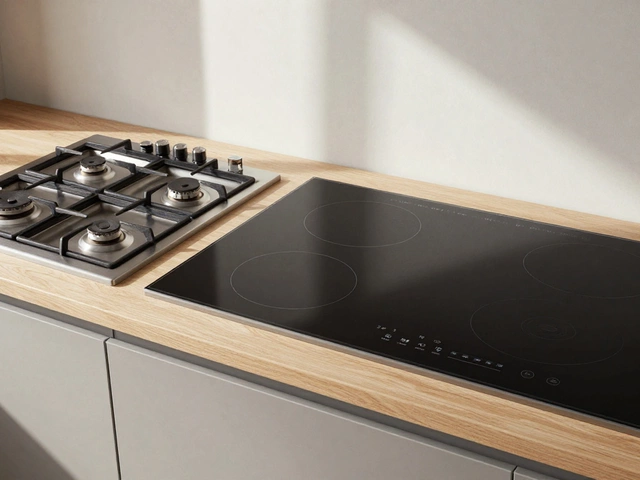
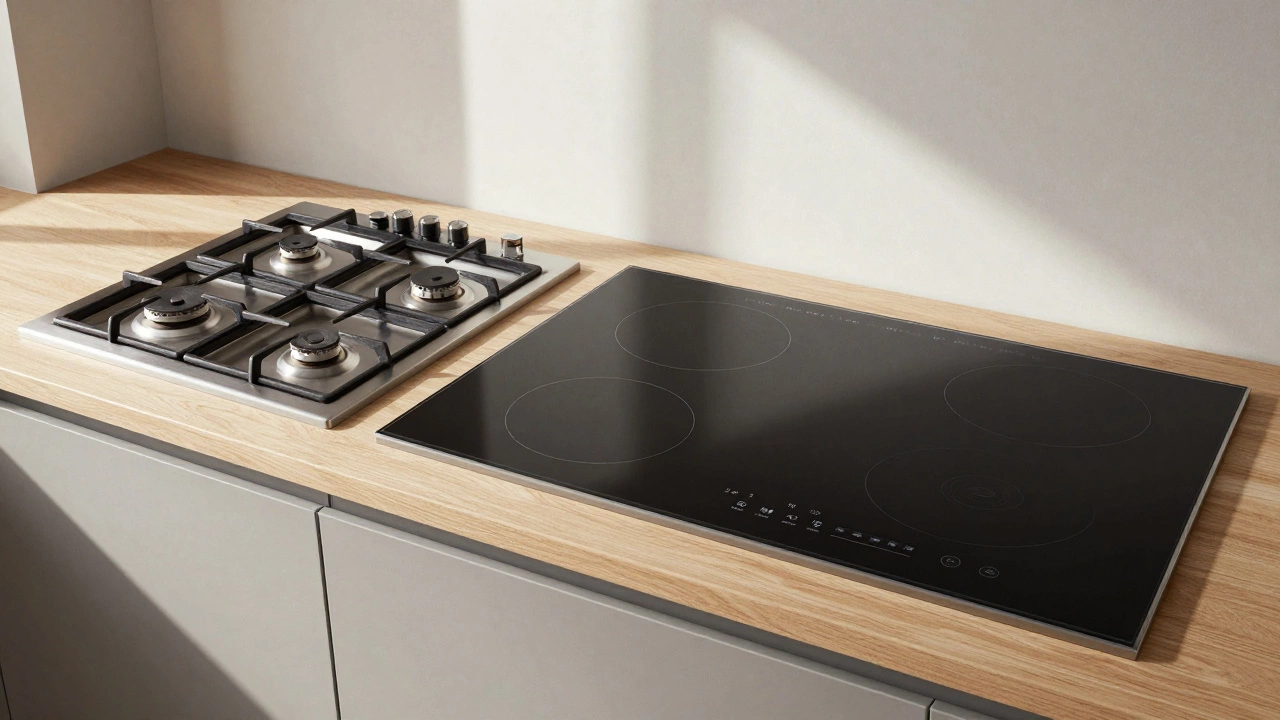
Not all hobs are created equal. The technology inside determines how long they survive. Here is what you can expect from the three main types found in UK homes.
| Hob Type | Average Lifespan | Primary Failure Points |
|---|---|---|
| Gas Hob | 15-20+ years | Clogged burners, faulty ignition switches |
| Electric Ceramic Hob | 10-15 years | Cracked glass, heating element failure |
| Induction Hob | 15-20 years | Electronic control board issues, sensor errors |
Gas hobs are the workhorses. Because they have fewer electronic components, they often outlast their electric counterparts. If you treat a gas hob right, it can easily go two decades. Electric ceramic hobs rely on resistive heating elements under a sheet of glass. These elements degrade over time, and the glass is prone to cracking from thermal shock. Induction hobs sit in the middle. They use electromagnetic fields to heat pans directly. While efficient, they contain complex circuitry that can fail if power surges hit or if the cooling fans get blocked.
Why Do Hobs Fail Early?
If your hob died after five years, something went wrong. Most premature failures aren't due to bad luck; they're caused by user habits. I’ve seen plenty of hobs in Bristol kitchens ruined by simple mistakes.
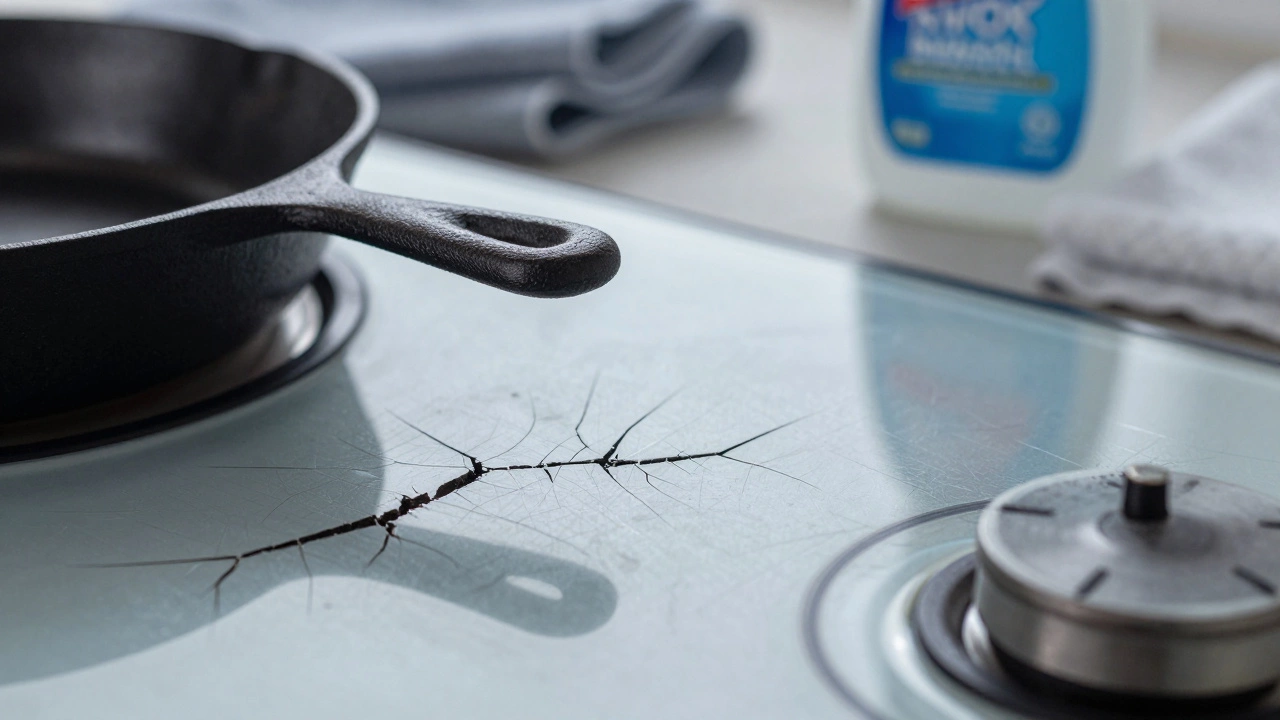
- Thermal Shock: Placing a cold pot on a hot electric or induction zone, or splashing water on a scorching surface, causes the glass to expand and contract rapidly. This leads to micro-cracks that eventually shatter the panel.
- Poor Cleaning Habits: Using abrasive scouring pads on ceramic or induction hobs scratches the surface. Once scratched, the coating degrades faster, making it harder to clean and more susceptible to damage.
- Heavy Pots: Dragging heavy cast-iron skillets across the surface chips the glass. Lifting, not sliding, is key.
- Dust and Grease Buildup: For gas hobs, clogged burner ports cause uneven flames. For induction, dust blocking the internal fan leads to overheating and component burnout.
Another common issue is poor installation. If an electric hob isn't level, pots wobble, causing stress points on the glass. If a gas hob isn't sealed properly, grease gets into the electronics below, causing short circuits.
Signs Your Hob Needs Repair vs. Replacement
Before you buy a new unit, assess the problem. Some issues are cheap fixes; others signal the end of the line.
Repairable Issues:
- Ignition Problems (Gas): If the spark fails but the flame lights manually with a match, it’s likely a dirty electrode or a worn igniter switch. These parts cost less than £30 and take thirty minutes to replace.
- Uneven Heating (Gas): Clean the burner caps. If the flame is still yellow or lifting off, adjust the air shutter or replace the jet.
- Error Codes (Induction): Many error codes (like E1 or E2) indicate temporary sensor glitches. Resetting the hob or checking for incompatible cookware often resolves this.
- Broken Knob: A snapped control knob is a cosmetic fix. Order a replacement part from the manufacturer.
Replacement Triggers:
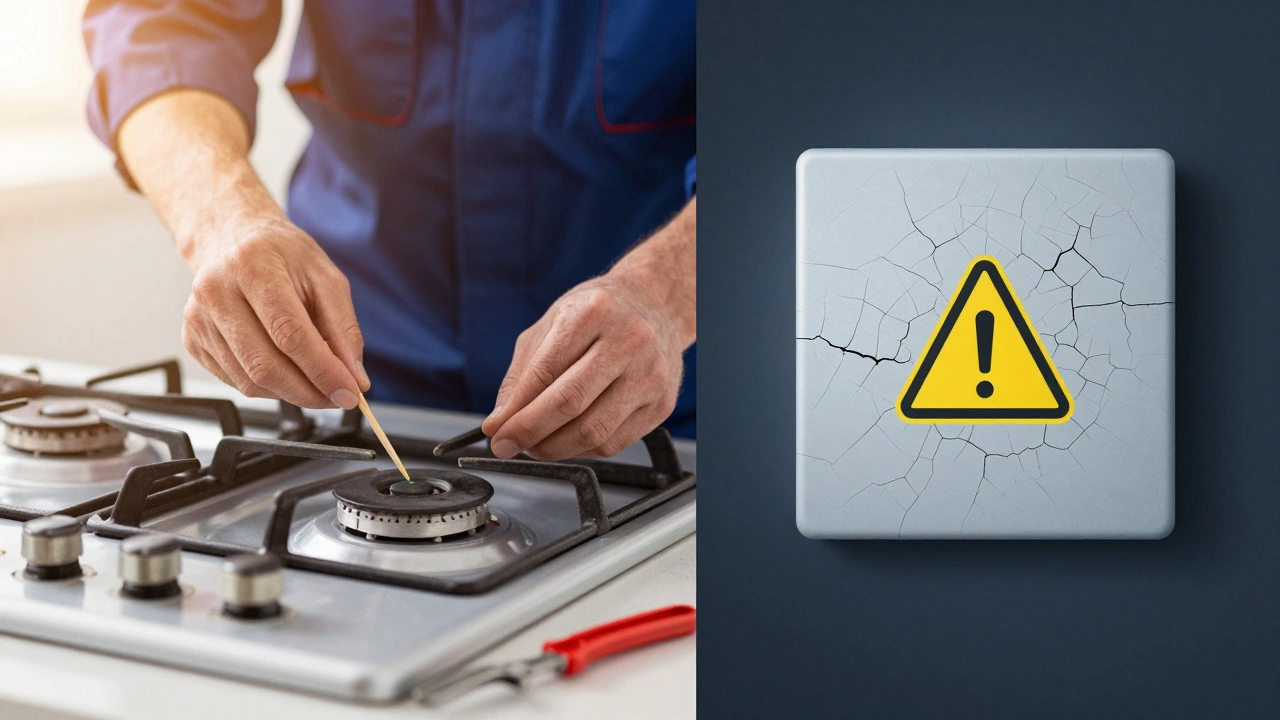
- Cracked Glass Panel: On electric and induction hobs, a cracked glass surface is a safety hazard. It can expose live wires or leak moisture into the electronics. Replacement panels are expensive-often 60% of the cost of a new hob.
- Repeated Electronic Failures: If your induction hob keeps throwing error codes despite professional diagnosis, the main control board is failing. New boards are costly and may not be available for older models.
- Severe Corrosion: If the underside of a gas hob is rusted through, gas leaks become a risk. Don’t patch this; replace it.
Maintenance Tips to Extend Hob Life
You can squeeze extra years out of your current hob with minimal effort. Regular maintenance prevents small issues from becoming catastrophic failures.
For Gas Hobs:
- Remove burner caps weekly and wash them in warm soapy water.
- Use a toothpick or pin to clear debris from the ignition port and burner holes.
- Check the flame color. It should be blue. Yellow or orange flames indicate incomplete combustion, which produces soot and damages the hob.
For Electric and Induction Hobs:
- Clean spills immediately while the surface is cool but not freezing. Use a dedicated hob cleaner or mild detergent with a soft cloth.
- Avoid dragging pots. Lift them gently.
- Ensure your cookware has flat bottoms. Warped pans reduce efficiency and strain the heating elements.
- Keep the area around the hob free of clutter to allow proper ventilation, especially for induction models with internal fans.
Is It Worth Repairing an Old Hob?
This depends on the age and the cost of parts. As a rule of thumb, if the repair costs more than 50% of a new hob, consider replacing it. However, factor in installation costs. Removing an old built-in hob and fitting a new one can run £100-£200 in labor. If your current hob is only five years old, repairing it makes financial sense. If it’s fifteen years old, investing in a new, energy-efficient model might save you money on electricity bills over time.
Also consider environmental impact. Manufacturing a new hob consumes resources. If your existing unit works safely, repairing it is the greener choice. But if it’s inefficient-like an old electric radiant hob taking ten minutes to boil a kettle-swapping it for induction reduces your carbon footprint significantly.
Frequently Asked Questions
How do I know if my induction hob is broken?
Common signs include error codes displayed on the screen, zones that don’t heat up, or the hob switching off unexpectedly. If the display is blank, check the fuse box first. If power is present but nothing happens, the control board or touch sensors may be faulty.
Can I replace just the glass on a ceramic hob?
Yes, but it’s often not cost-effective. Replacement glass panels are specialized and expensive. Unless the rest of the hob is brand new, buying a complete new unit is usually cheaper and safer.
Why does my gas hob smell like gas?
A gas smell indicates a potential leak. Turn off the gas supply at the meter, open windows, and call a Gas Safe registered engineer immediately. Never try to light the hob to "check" the flame if you smell gas.
Do induction hobs last longer than gas hobs?
They have similar lifespans (15-20 years), but induction hobs are more vulnerable to electronic failures. Gas hobs are mechanically simpler and easier to repair, often lasting longer in practice if maintained well.
What voids the warranty on a hob?
Using abrasive cleaners, placing warped pans on the surface, or unauthorized repairs typically void warranties. Always use approved cleaning products and have repairs done by authorized technicians.