

If your hob isn’t heating right, you’re probably wondering whether you can sort it out yourself or need a tradesperson. The good news is many problems are simple enough for a DIY fix, and the bad news is trying to tinker with the wrong part can be risky. Below you’ll find the most common hob hiccups, step‑by‑step fixes, and clear signs it’s time to call in an expert.
First, identify what’s wrong. Most electric hobs suffer from three issues: a burnt element, a faulty control knob, or a loose connection. If one burner is cold while the others work, the element is the usual culprit. You can test it with a multimeter – set the device to continuity, touch the probes to the element terminals, and watch for a beep. No beep means the element is broken and needs swapping.
Replacing an element isn’t rocket science. Turn off the power at the breaker, remove the hob's front panel (usually a few screws), and locate the faulty element. Unscrew it, note how the wires are attached, and disconnect them. Slide the new element into place, reconnect the wires, and re‑assemble the panel. Switch the power back on and test each burner. If everything heats up, you’ve saved a call-out fee.
Control knobs can also fail. Over time the plastic can crack or the underlying switch can wear out, causing intermittent heating. To fix this, remove the knob (most just pull off after unscrewing a small set screw), then pop off the top cover of the hob. You’ll see a small switch or potentiometer underneath. Replace the faulty part with an identical one – they’re cheap and available at most DIY stores. Re‑attach the knob and you’re good to go.
Loose wiring is a sneaky issue, especially in older homes. Look for any exposed wires, burnt marks, or a buzzing sound when the hob is on. Tighten any loose terminals and check that the wiring harness isn’t frayed. If you spot damage, it’s safer to stop and seek a professional.
Even if you feel confident, there are times you should let a qualified technician take over. If the hob shows signs of water damage, the wiring looks scorched, or you can’t get a reading on the multimeter, call a pro. Also, if your hob is under warranty, opening it up can void the coverage – better to let the authorized service team handle it.
Choosing the right professional matters. Look for a certified appliance repair company that specializes in kitchen appliances. A reputable service will give you a clear quote, explain what parts need replacing, and guarantee the work. This saves you from hidden costs and ensures the repair complies with safety standards.
Before the technician arrives, clear the area around the hob, disconnect the power, and have the model number handy. That way they can bring the correct parts and finish the job faster.
In summary, many hob hiccups can be fixed at home with a few tools and a bit of patience. Test the element, replace faulty knobs, tighten loose wires, and you’ll often avoid an expensive call-out. But never ignore signs of serious electrical issues – call a qualified repair service to keep your kitchen safe and your hob working like new.
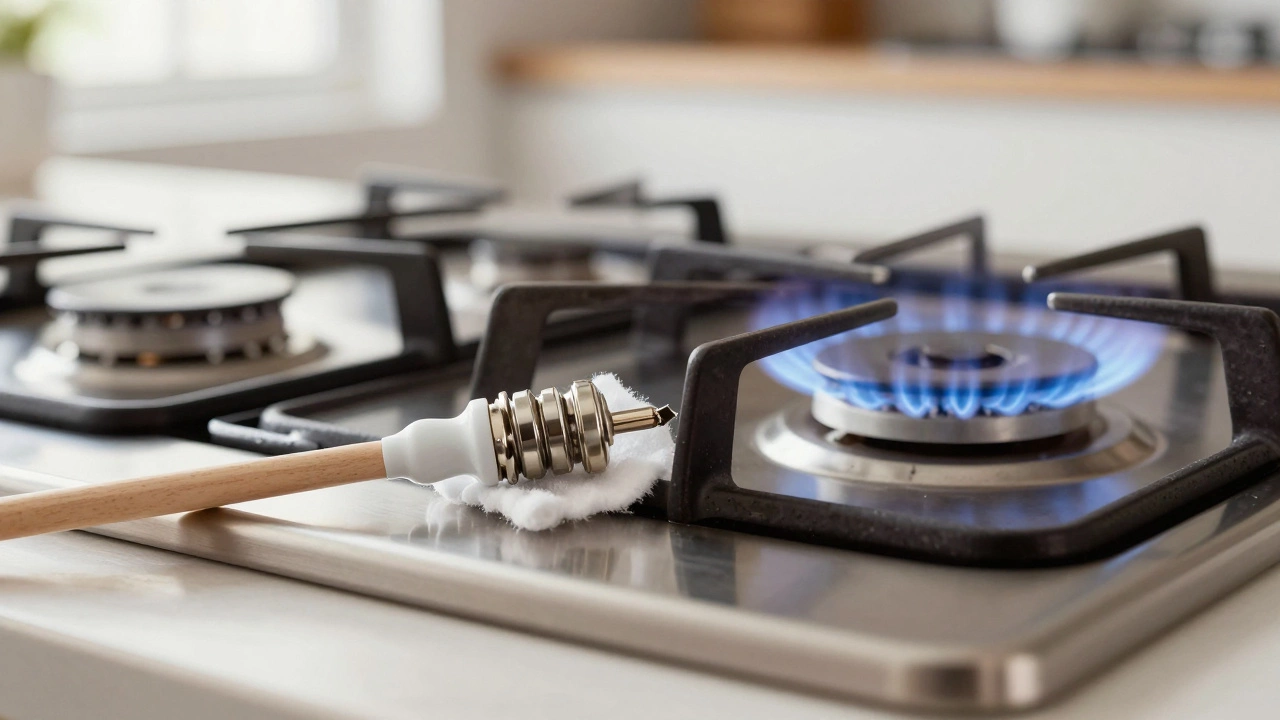
Discover if your broken hob can be fixed. Learn DIY tips for gas, electric, and induction cooktops, when to call a pro, and how to save money on repairs.
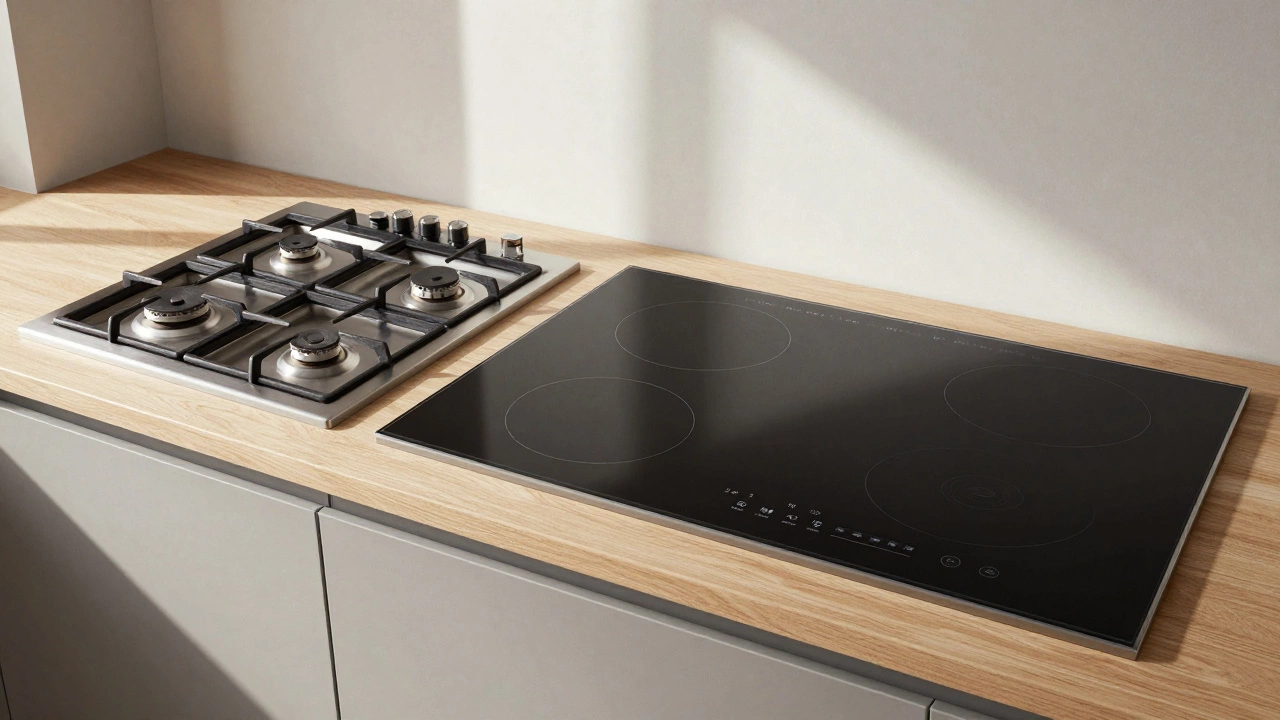
Discover how long different hobs last, from gas to induction. Learn signs of failure, repair vs. replacement costs, and maintenance tips to extend your cooktop's life.
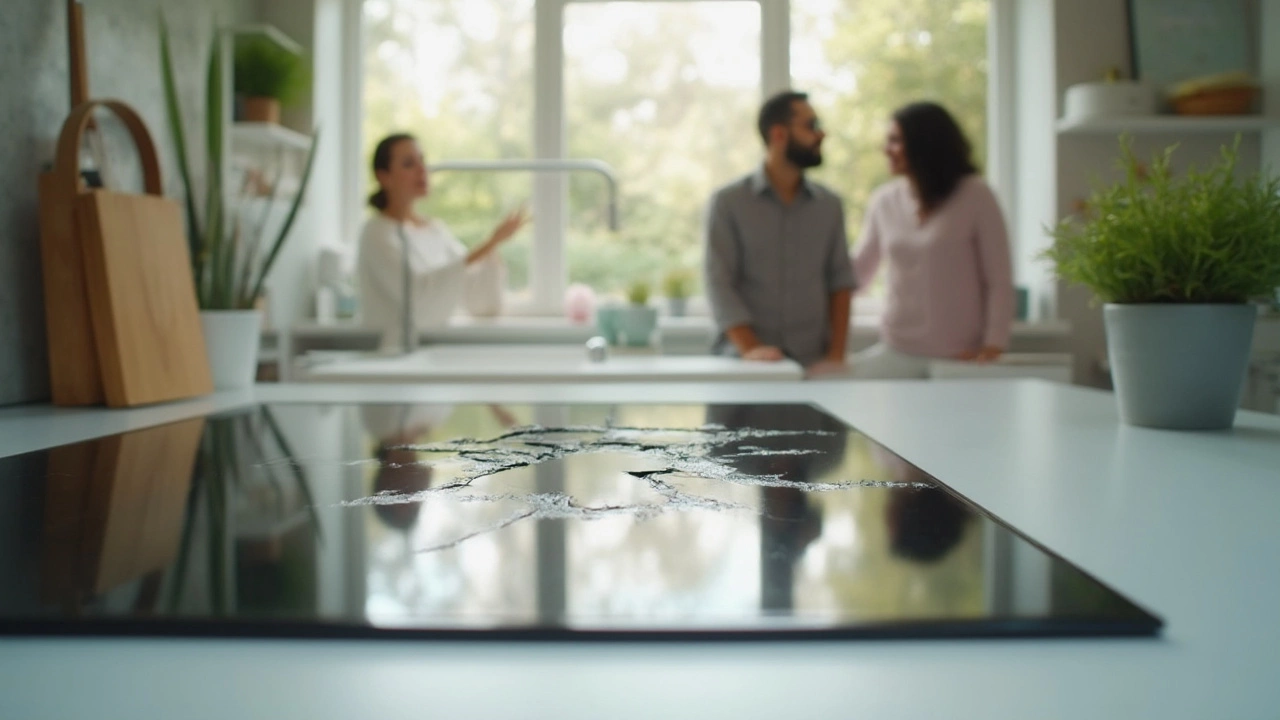
Cracks in electric hobs can show up suddenly and cause real headaches in the kitchen. This article looks at why electric hobs crack, from common mistakes to sneaky issues with installation. You'll get practical tips on how to prevent damage and handle minor cracks. Find out when you can fix a hob yourself and when it's smarter to call for professional help. Stay ahead of costly repairs and keep your cooking space safe.
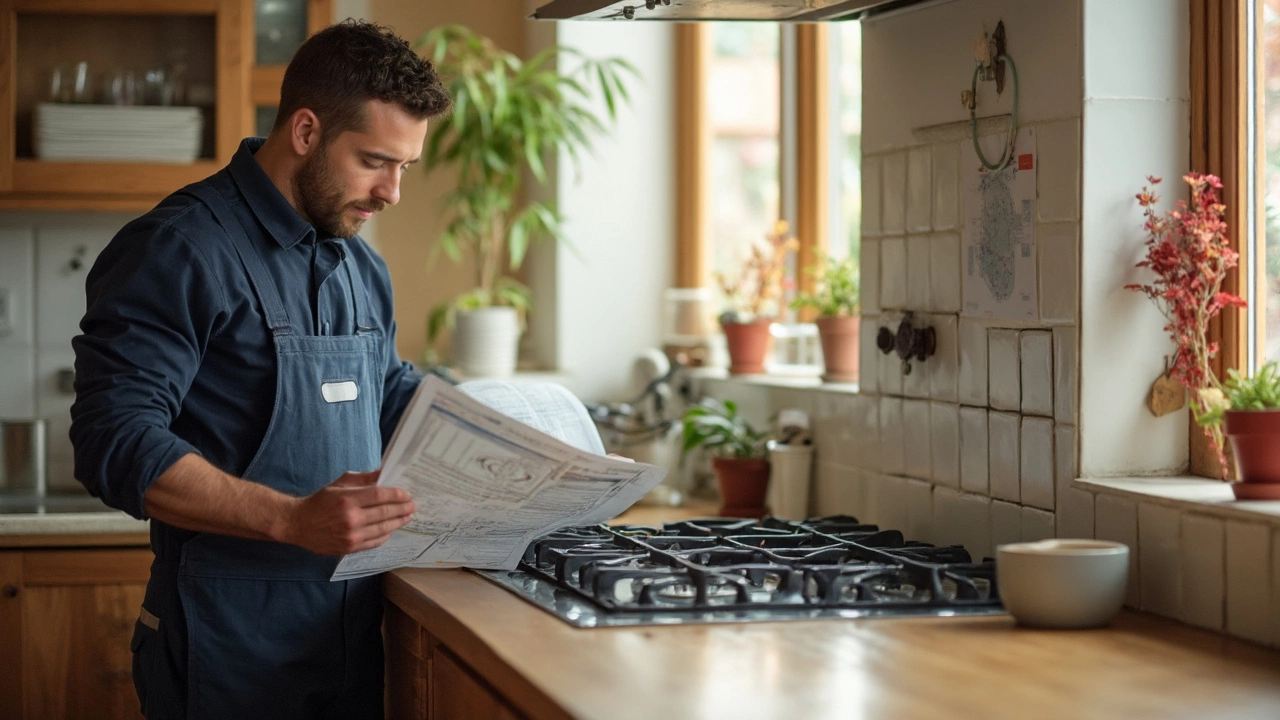
Thinking about swapping out your gas hob? Safety rules in the UK are strict, and there’s more to it than just unscrewing pipes. This article looks at whether you really need a gas engineer for the job, what could go wrong if you cut corners, how to pick the right pro, and little-known facts about what happens during an installation. It’s a no-nonsense breakdown for anyone facing a hob swap, putting your safety at the front of the queue.

Gas hobs can suddenly stop working for a bunch of reasons, from ignition troubles to blockages or problems with gas supply. This article breaks down the main causes, so you don't have to guess what went wrong. You'll learn easy troubleshooting steps and a few quirky facts about why these appliances get stubborn. With some quick checks, you might even save yourself a call to the repair guy. Know when it’s a simple fix and when it’s time for a pro.

Discover the workings of a hob, a crucial kitchen fixture that often gets overlooked until it malfunctions. Learn the common issues that can affect its performance and get handy tips on basic repairs and maintenance. Whether you're dealing with burner problems or electrical faults, this guide provides practical advice to keep your hob in top shape. Understand the typical lifespan of these appliances and how to extend it through regular care.

Replacing the anode rod in a water heater can extend its lifespan and prevent costly repairs. This article breaks down the cost of replacement, including materials and labor, and discusses why it's a crucial part of water heater maintenance. Discover how often anode rods should be checked and what signs indicate it's time for a replacement. Whether you DIY or hire a pro, understanding these factors can save you money and stress.
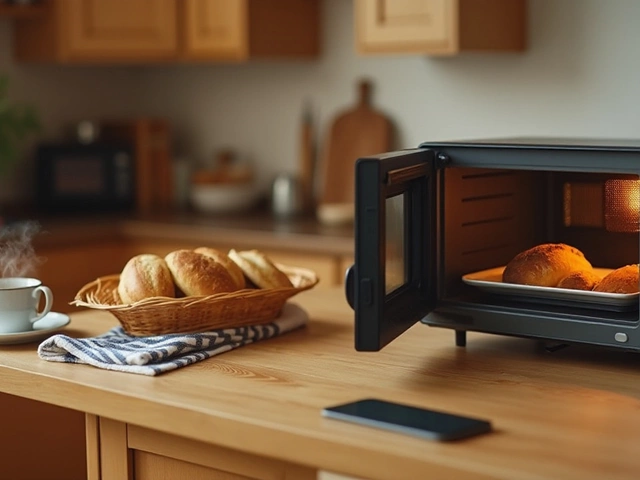
Microwave ovens are essential appliances due to their convenience in heating food. However, they can encounter several problems over time. The most frequent cause of microwave failure is a faulty door switch. This article discusses common microwave problems, how to identify them, and offers practical guidance on how to handle these issues.
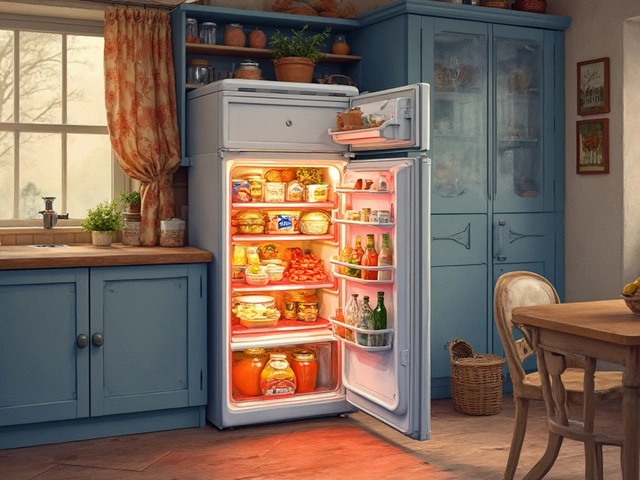
Understanding what usually fails in a fridge can save you time and money. This article explores common issues like malfunctioning thermostats, compressor problems, and leaky seals. Learn helpful tips for diagnosing and possibly fixing these issues yourself. Knowing when to call a professional is also crucial in the life of your fridge.

Wondering if it's worth repairing your electric oven or if you should just buy a new one? This article dives into the factors to consider, from cost effectiveness to the age of your appliance, helping you make an informed decision. We'll discuss common issues that can be fixed, when to call in a pro, and some smart tips to extend the lifespan of your oven. By the end, you'll know whether fixing or replacing is the better choice for your situation.
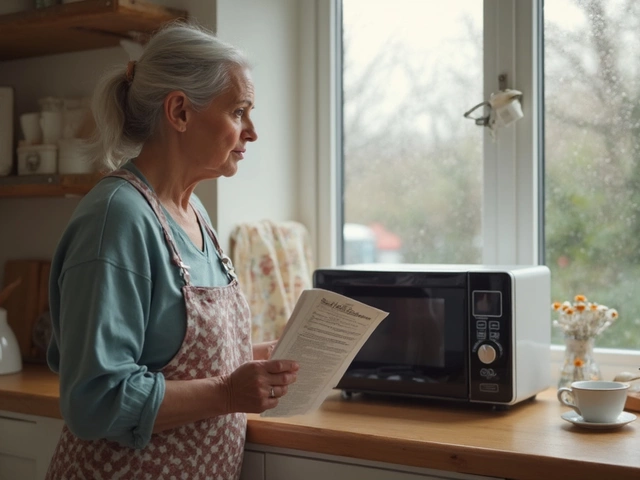
Wondering if you can fix your microwave at home instead of tossing it and buying a new one? This article breaks down common microwave problems, what you can safely handle, and when it's better to call a pro. Get practical tips that actually make a difference, plus real talk about microwave safety. Save yourself time, money, and stress with easy-to-follow advice. Tackling your appliance repair just got a whole lot simpler.