
Oven Repair vs. Replace Calculator
Current Oven Details
New Oven Estimates
Repair Scenario (Next 10 Years)
- Immediate Cost £0
- Estimated Future Repairs £0
- Total Energy Cost £0
- Total 10-Year Cost £0
Replace Scenario (Next 10 Years)
- Upfront Cost £0
- Maintenance (Warranty) £0
- Total Energy Cost £0
- Total 10-Year Cost £0
There is nothing worse than pulling a roast out of the oven only to find the middle is raw while the edges are burnt. Or worse, discovering that your "self-cleaning" cycle has left you with a cloud of smoke and a panic attack. We tend to ignore our kitchen appliances until they break down completely, but ovens are different. They are heavy, expensive, and deeply integrated into our daily routines. Knowing exactly when to replace your oven can save you money, improve your cooking results, and most importantly, keep your home safe.
In the UK, where energy prices have seen significant fluctuations in recent years, an aging oven isn't just a nuisance; it's a financial drain. An inefficient model from ten years ago could be costing you hundreds of pounds extra annually compared to a modern A++ rated unit. But how do you distinguish between a simple fix and a sign that your appliance has reached the end of its life? Let's look at the concrete signs that tell you it's time to say goodbye.
The Age Factor: The 10-to-15 Year Rule
The first thing to consider is simply the age of your machine. Most standard electric ovens have a lifespan of about 10 to 15 years. If your oven is older than this, you are likely fighting an uphill battle. Parts become harder to source, and even if you manage to find them, the cost of labor often outweighs the value of keeping the old unit running.
Think of it like a car. You might keep driving a 15-year-old vehicle, but every year it runs, the risk of a major breakdown increases. With ovens, the internal components-thermostats, heating elements, and door seals-degrade over time due to constant heat cycles. By year twelve, the metal fatigue in the hinges and the insulation degradation inside the cavity mean the oven is working harder to maintain temperature, leading to higher bills and inconsistent cooking.
How long does an average electric oven last?
Most electric ovens last between 10 and 15 years with regular use. Gas ovens may last slightly longer, up to 15-20 years, but their burners and ignition systems require more frequent maintenance.
Inconsistent Temperatures and Uneven Cooking
If you find yourself rotating trays halfway through cooking or using an oven thermometer because you don't trust the dial, your oven's thermostat is failing. This is one of the most common issues in older models. The thermostat controls the heat, and when it drifts off calibration, your food suffers. Baking cakes becomes a gamble, and roasting meat turns into a science experiment.
While a thermostat can sometimes be replaced for around £50-£80 plus labor, ask yourself: is this the first major issue, or the third? If your oven is eight years old and now needs a new thermostat, followed by a broken fan motor next year, you are better off investing in a new unit. Modern ovens come with precise digital controls and multiple heating zones that ensure even heat distribution, something older single-element models struggle to achieve.
Rising Energy Bills Without Explanation
Have your electricity bills gone up, but your usage habits haven't changed? An inefficient oven is a prime suspect. Older ovens lack the advanced insulation and smart sensors found in newer models. They lose heat rapidly when the door is opened and take longer to recover, meaning the heating elements stay on for longer periods.
In the UK, energy efficiency ratings have improved dramatically. An old C-rated oven can consume up to 30% more energy than a modern A++ rated model. Over five years, this difference can amount to several hundred pounds. When calculating whether to repair or replace, factor in these ongoing savings. A new oven might cost £400-£600, but if it saves you £50 a year in energy, it pays for itself in less than a decade.
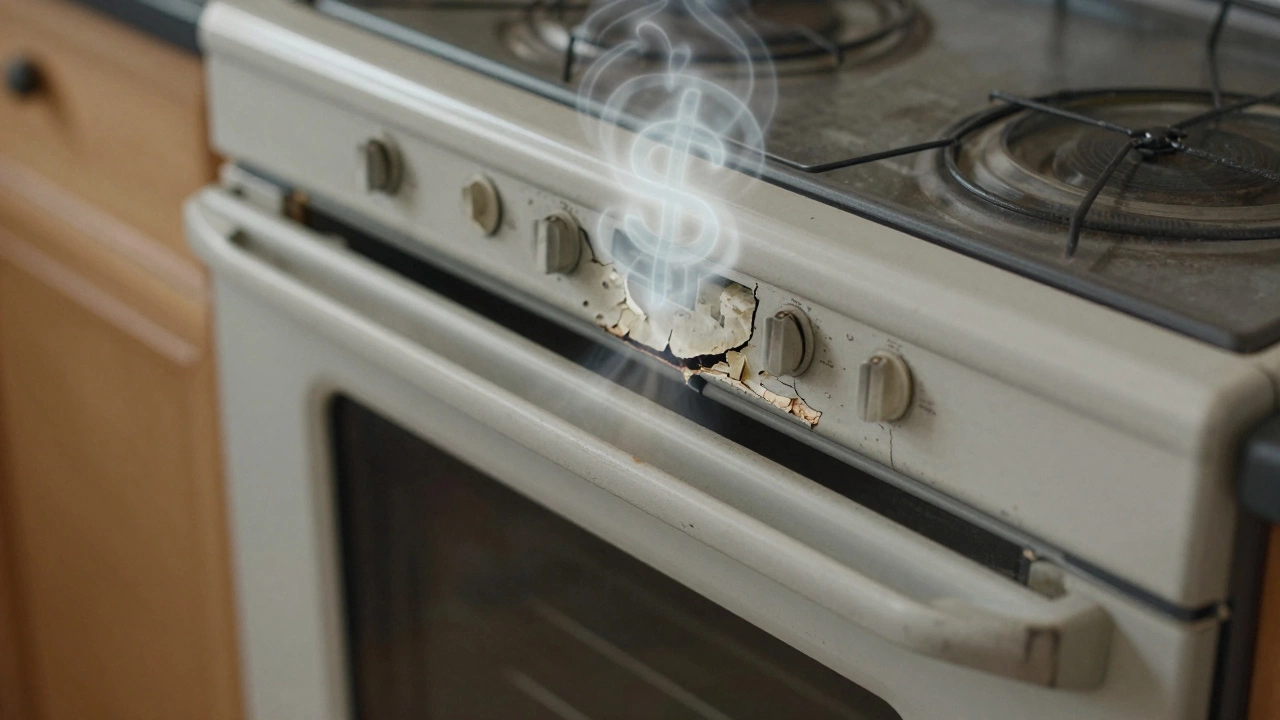
Frequent Breakdowns and Repair Costs
The "50% Rule" is a handy guideline for any appliance. If the cost of a repair exceeds 50% of the price of a new oven, and the current oven is more than half its expected lifespan, replace it. For example, if a new oven costs £500 and a repair quote comes in at £250, it's time to upgrade.
Consider the scenario where your oven's electronic control board fails. These boards are the brain of the oven, managing everything from the clock to the heating cycles. Replacement parts for discontinued models can be scarce and expensive. In Bristol, local repair technicians often report that finding parts for ovens made before 2015 is increasingly difficult. Paying £150 for a call-out fee and another £100 for a part is rarely worth it when you're looking at a total investment of £250 for a temporary fix.
Safety Concerns: Smoke, Sparks, and Strange Smells
Safety should always be your top priority. If your oven emits strange smells, sparks, or excessive smoke during normal operation (not just self-cleaning), turn it off immediately. Burning insulation, frayed wires, or faulty heating elements can pose a fire hazard.
A smell of burning plastic or rubber indicates electrical issues. If the door seal is cracked or worn, heat escapes, making the exterior of the oven dangerously hot to touch. This not only risks burns but also means your kitchen gets hotter, increasing the load on your air conditioning or ventilation systems. Never ignore these warning signs. A qualified engineer can assess the risk, but if the damage is extensive, replacement is the only safe option.
Outdated Features and Convenience
Technology moves fast, and ovens are no exception. If you're still manually setting timers and guessing temperatures, you're missing out on decades of innovation. Modern ovens offer features that make cooking easier and more consistent:
- Sensor Cooking: Automatically adjusts time and temperature based on the type of food.
- Steam Functions: Keep bread crispy and vegetables tender without drying them out.
- Smart Connectivity: Preheat your oven from your phone while you're at the shops.
- Easy-Clean Linings: Catalytic liners that absorb grease and splashes, reducing cleaning time.
These features aren't just gimmicks; they solve real problems. Steam functions, for instance, can reduce cooking times by up to 20% while retaining more nutrients in food. If your current oven lacks these conveniences, upgrading can significantly improve your daily cooking experience.
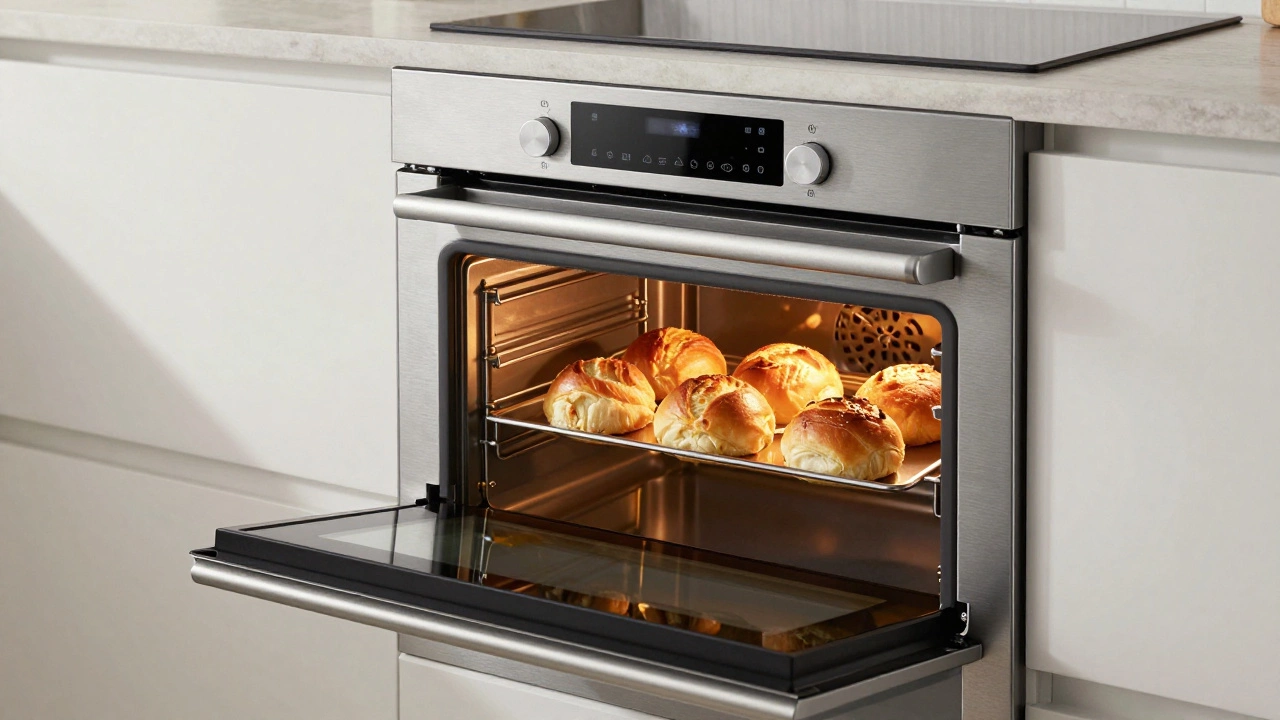
Comparison: Repair vs. Replace
| Factor | Repair | Replace |
|---|---|---|
| Cost (Immediate) | £100 - £300 | £400 - £800 (unit + installation) |
| Lifespan Extension | 1-3 years | 10-15 years |
| Energy Efficiency | No improvement | Up to 30% savings |
| Warranty | Usually 1 year on parts | 2-5 years comprehensive |
| Features | Same as before | Latest technology included |
Environmental Impact and Disposal
Replacing an appliance has an environmental cost, but keeping an inefficient one running also harms the planet. Older ovens consume more electricity, contributing to higher carbon emissions. When you do replace your oven, ensure it is disposed of responsibly. In the UK, WEEE (Waste Electrical and Electronic Equipment) regulations require proper recycling of appliances. Many retailers offer take-back schemes when you buy a new oven, ensuring the old unit is recycled correctly rather than ending up in a landfill.
Choosing an energy-efficient model reduces your household's carbon footprint over the long term. Look for models with high energy ratings and eco-friendly manufacturing processes. Some brands now use recycled materials in their construction, further minimizing environmental impact.
Next Steps: Making the Switch
If you've identified several signs that your oven needs replacing, here's what to do next:
- Measure your space: Ensure the new oven fits your existing cutout or cabinet dimensions.
- Check your power supply: Verify that your electrical circuit can handle the new oven's requirements.
- Research models: Look for reviews focusing on reliability and energy efficiency.
- Get quotes: Contact local installers for pricing on both supply and installation.
- Plan for disposal: Arrange for the removal of your old oven.
Don't wait for a catastrophic failure. Addressing the issue proactively ensures you always have a reliable cooking appliance and avoids the stress of emergency repairs. Whether you choose a sleek built-in model or a versatile freestanding range, upgrading your oven is an investment in your home's comfort, safety, and efficiency.
Is it worth repairing a 12-year-old oven?
Generally, no. At 12 years old, your oven is near the end of its expected lifespan. Repairs are likely to be temporary, and the cumulative cost of future fixes will exceed the price of a new, more efficient model.
Can I replace my oven myself?
While physically swapping the unit might seem straightforward, electrical connections must be handled by a qualified electrician or registered gas safe engineer (for gas ovens). Incorrect installation can void warranties and pose serious safety risks.
What is the most common reason for oven failure?
Thermostat failure and heating element burnout are the most common issues. These components degrade over time due to repeated heating and cooling cycles.
Do new ovens really save money on energy?
Yes. Modern A++ rated ovens are significantly more efficient than older models. Depending on usage, you could save £50-£100 per year on electricity bills.
How do I dispose of my old oven safely?
Contact your local council's waste collection service or use a retailer's take-back scheme. Never leave large appliances on the curb, as this may result in fines and improper disposal.