Hob Repair Decision Tool
That moment when your kitchen goes silent is never fun. You’re halfway through dinner, the sauce is simmering, and suddenly one of your burners just... stops. Or maybe it won’t turn on at all. The first thought that pops into your head is usually panic: "Do I need to buy a whole new hob?" It’s an expensive proposition, especially with modern built-in models costing anywhere from £300 to over £1,000.
The short answer is yes, hobs can be repaired. In fact, most issues are minor fixes that save you hundreds of pounds. But whether you should attempt the repair yourself or call a professional depends entirely on what kind of hob you have and what exactly went wrong. Let’s break down the reality of fixing these appliances so you don’t waste money replacing something that could easily be fixed.
Why Your Hob Might Be Acting Up
Before you pull out the screwdriver, you need to understand why hobs fail. Unlike ovens, which have complex heating elements and fans, hobs are relatively simple devices. They generate heat in one spot. When they stop working, it’s usually due to three things: power delivery, control signals, or the heating element itself.
If your entire hob has lost power, the issue is likely external. Check your circuit breaker box. Did a tripped switch cut the electricity? If only one burner is dead while the others work fine, the problem is isolated to that specific zone. This is actually good news because it means the main wiring and control board are probably still functional.
For gas users, if the flame lights but smells like sulfur (rotten eggs), shut off the gas immediately. That’s not a repair job; that’s a safety emergency. If the flame is yellow instead of blue, or if it keeps blowing out, you’re dealing with airflow or sensor issues, which are often cleanable.
Fixing Gas Hobs: Safety First
Gas hobs are mechanically simpler than their electric counterparts, but they carry higher risks if handled incorrectly. The most common complaint with gas stoves is the igniter failing to spark. You’ll hear the click, but no flame appears, or you have to light it manually with a match every time.
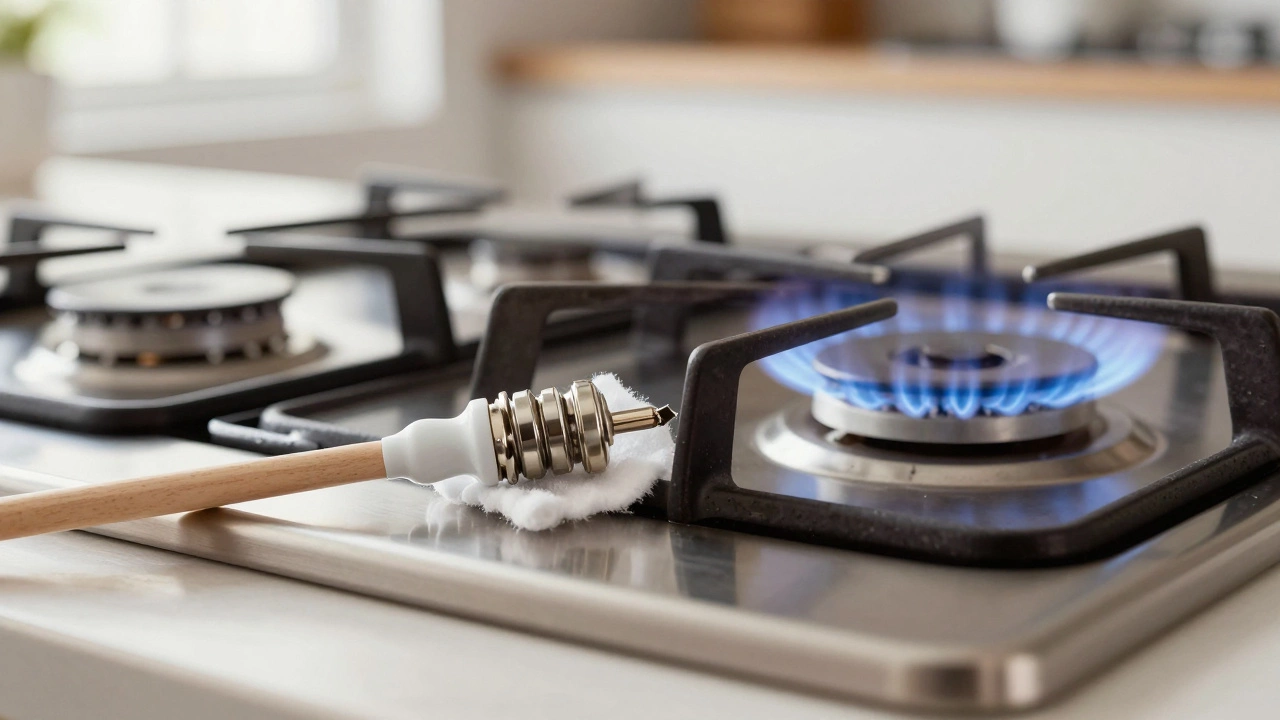
This is usually a dirty electrode. Over time, grease and food splatter coat the small metal tip near the burner. Here is how you fix it:
- Turn off the gas supply. Always disconnect the source before touching anything.
- Remove the pan support and burner cap. Lift them straight up to expose the base.
- Locate the spark electrode. It looks like a small white ceramic rod with a metal tip.
- Clean it gently. Use a dry toothbrush or a cotton swab dipped in rubbing alcohol. Do not use water directly on the component.
- Check the gap. The electrode should be about 4-7mm away from the burner port. If it’s bent too close or too far, it won’t spark reliably.
If cleaning doesn’t work, the spark module might be dead. These modules are inexpensive and replaceable, but swapping them requires accessing the underside of the hob. If you aren’t comfortable handling gas lines, skip this step and call a certified technician. Gas leaks are invisible killers, and improper reassembly can lead to carbon monoxide exposure.
Tackling Electric Coil and Ceramic Hobs
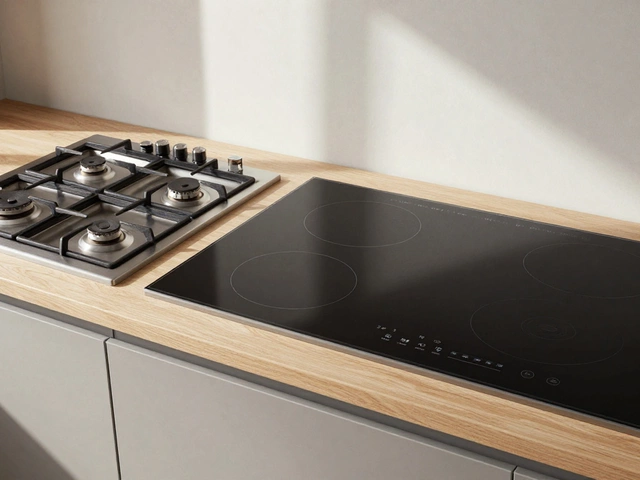
Electric hobs fall into two main camps: traditional coil burners and smooth-top ceramic glass units. Both rely on resistive heating, but their failure points differ significantly.
Coil Burners: If your coil isn’t heating, check the connection point underneath. Sometimes the coil just needs to be twisted tighter into the socket. If the coil itself is cracked, blistered, or discolored, it’s done. Replacement coils are cheap-often under £20-and easy to swap. Just unplug the hob, lift the old coil out, and twist the new one in.
Ceramic Glass Hobs: These are more delicate. If a zone isn’t heating, the issue is rarely the surface itself. It’s usually the heating element hidden beneath the glass or the contactor (a relay that sends power to the zone) on the control board.
To diagnose a ceramic hob, try this trick: Swap the knobs. If Zone 1 doesn’t work, but moving the Knob 1 to Zone 2 makes Zone 2 work, then your knob (potentiometer) is broken. Knobs wear out from constant turning. If the knob works elsewhere but the original zone stays dead, the heating element or the internal wiring is faulty. Replacing a heating element on a ceramic hob involves removing the entire unit from the countertop and prying off the glass panel. It’s doable for a handy homeowner, but one slip can shatter the expensive glass top.
The Complexity of Induction Hobs
Induction technology is efficient, but it’s also finicky. If your induction hob displays an error code (like E1, F5, or H4 depending on the brand), stop guessing. These codes are diagnostic tools provided by the manufacturer.
Common induction failures include:
- Incompatible Pots: Induction only works with magnetic cookware. Place a magnet on the bottom of your pot. If it doesn’t stick, the hob won’t heat. This isn’t a repair; it’s a user error.
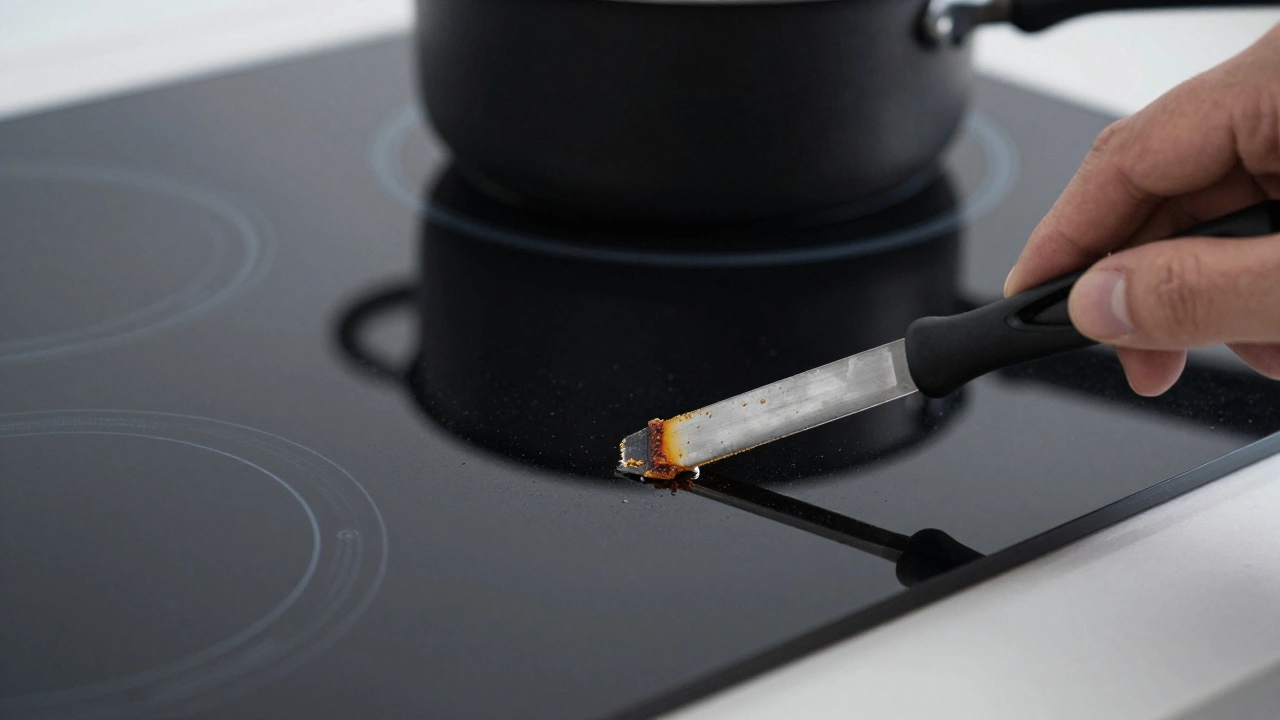
- Dirt Between Glass and Pot: Even a thin layer of sugar residue or metal foil between the pot and the glass can trigger an overheating error. Clean the surface thoroughly with a razor blade scraper and specialized cleaner.
- Fan Failure: Induction hobs run hot internally. If the cooling fan fails, the board shuts down to prevent melting. Listen for whirring sounds when you turn it on. Silence might mean a dead fan.
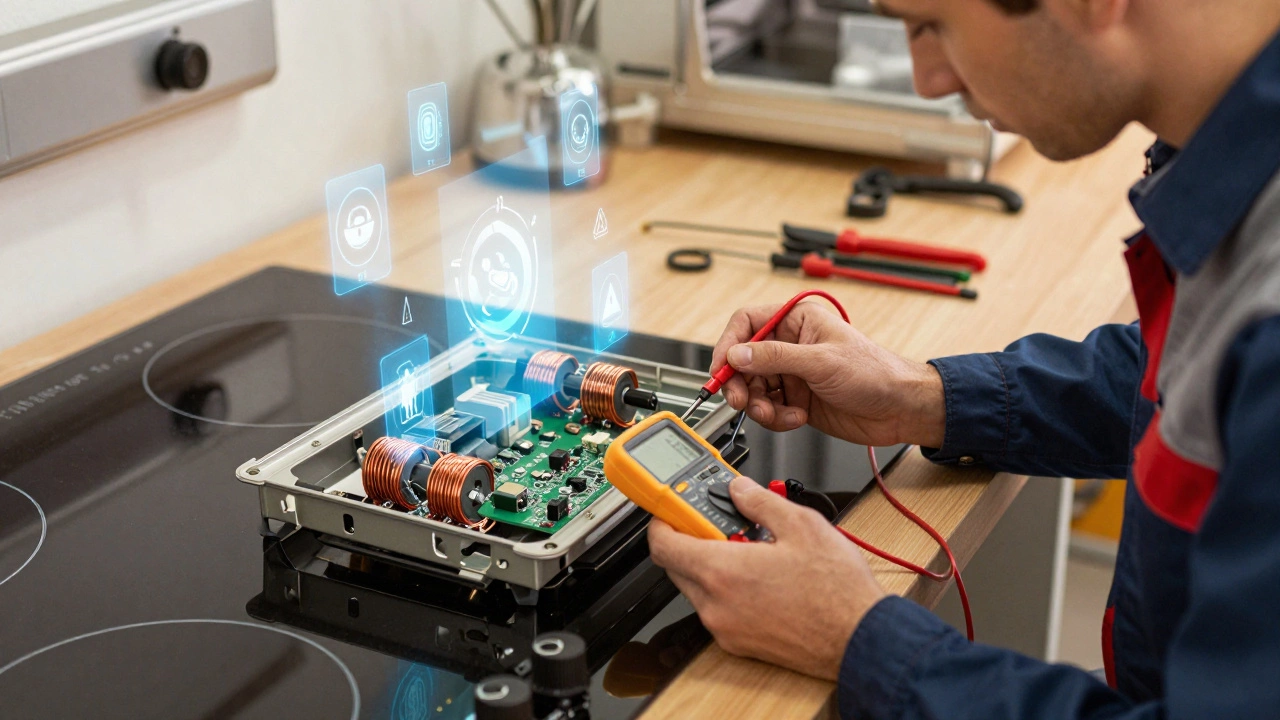
- Control Board Issues: This is the brain of the operation. If multiple zones fail simultaneously, or if the display flickers erratically, the main PCB (Printed Circuit Board) is likely fried. Repairing a PCB requires soldering skills and schematic diagrams. For most people, buying a replacement board is safer and easier than trying to fix individual chips.
Induction repairs are less DIY-friendly because the components are tightly integrated. However, checking the error code manual first can save you a service call. Many "broken" induction hobs are just reacting to poor ventilation or dirty sensors.
When to Call a Professional vs. DIY
Knowing when to stop tinkering is crucial. Here is a quick decision matrix to help you choose the right path.
| Issue Type | Difficulty Level | Recommended Action | Estimated Cost |
|---|---|---|---|
| Dirty Igniter / Clogged Jets | Easy | DIY Cleaning | £0 - £10 (supplies) |
| Burnt Out Coil | Easy | DIY Replacement | £15 - £30 (part) |
| Broken Knob/Potentiometer | Medium | DIY if accessible | £10 - £25 (part) |
| Gas Line Leak / Smell | High Risk | Call Pro Immediately | £80 - £150 (service) |
| Cracked Glass Top | Impossible | Replace Unit | £300+ (new unit) |
| Induction Control Board | Advanced | Professional Service | £100 - £250 (parts + labor) |
If the repair involves opening sealed electrical compartments, working with live high-voltage lines, or manipulating gas valves, hire a pro. The cost of a service visit (£60-£100) is often worth it compared to the risk of electrocution or fire. Plus, professionals have access to OEM (Original Equipment Manufacturer) parts that ensure longevity.
Maintenance Tips to Extend Hob Life
Prevention is cheaper than cure. Regular maintenance can double the lifespan of your hob. For gas models, remove the grates monthly and soak them in warm soapy water to prevent grease buildup in the burner ports. For electric and induction hobs, wipe spills immediately. Sugar and acidic foods can etch into the glass surface over time, causing micro-cracks that weaken the structure.
Also, ensure your kitchen has adequate ventilation. Running a hob without an extractor fan pulls heat and moisture into the surrounding cabinetry, which can warp wood and corrode electrical connections inside the appliance housing. A well-ventilated kitchen is a happy hob.
Is it worth repairing an old hob?
If your hob is less than 10 years old, yes. Modern hobs are built to last 10-15 years. If the repair cost is less than 50% of the price of a new unit, fixing it is usually the smarter financial move. However, if the unit is older than 15 years, parts may be discontinued, making replacement more practical.
Can I repair a cracked glass induction hob?
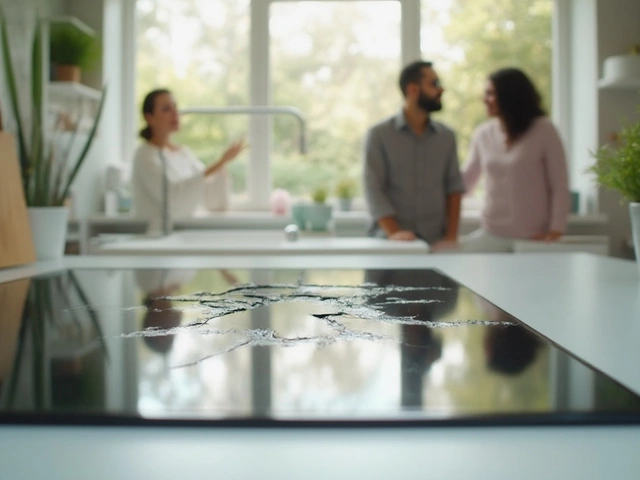
No. A cracked glass top is a significant safety hazard. Heat and moisture can seep into the electronics below, causing short circuits or fires. There is no safe way to patch or glue the glass. You must replace the entire glass-ceramic panel or the whole hob.
Why does my gas hob smell like gas even when it's off?
This indicates a leak in the gas line or valve. Do not try to fix this yourself. Turn off the main gas supply, open windows for ventilation, and evacuate the house. Call your gas provider or a certified emergency repair technician immediately. Never use sparks or switches until the leak is resolved.
How much does a professional hob repair cost?
Labor rates vary by location, but typically range from £50 to £80 per hour. Parts add to this cost. A simple thermostat replacement might cost £100 total, while a complex induction board repair could exceed £250. Always ask for a quote before authorizing work.
What causes an induction hob to beep continuously?
Continuous beeping usually signals an error state. Common causes include incompatible cookware, a dirty surface triggering false readings, or an overheating protection trip. Check your user manual for the specific beep pattern or error code displayed. Cleaning the surface and ensuring the pot is centered often resolves the issue.