

Feeling frustrated because one or more burners on your electric stove won’t heat? You’re not alone – most homeowners hit this snag at least once. The good news is that many of the usual culprits are easy to spot and fix without tearing the kitchen apart.
First, check the basics. A tripped circuit breaker or a blown fuse can shut power to the whole unit or just a single burner. Resetting the breaker or swapping the fuse often restores heat instantly. If power is fine, the next step is to look at the burner elements themselves.
Two issues cause the majority of stove woes: faulty heating elements and faulty controls.
1. Burned‑out heating element. Over time, the coil inside a burner can develop a break or become coated with grime, preventing it from heating. To test, turn the burner on high and see if the coil glows red. If it stays cool, the element is likely dead. Replacing an element is a straightforward DIY job – you’ll need a screwdriver, the new part (match the model number), and a few minutes.
2. Bad switch or control board. If the burner gets power but still won’t heat, the switch that tells the element to turn on might be faulty. Many modern stoves use a digital control board; a single faulty sensor can stop an entire zone from working. Swapping the suspect switch with a known good one is a cheap way to confirm the problem.
When you’ve identified a busted element, follow these quick steps:
If the new element heats up, you’re done. If not, the issue likely lies in the wiring or the stove’s control module.
Another frequent complaint is uneven heating, where some burners stay hot while others stay cool. This usually points to a loose connection in the internal wiring harness. Tightening the terminal screws or reseating the wiring plug often solves the problem.
While many fixes are DIY‑friendly, some scenarios are best left to professionals. For example, if you suspect a cracked glass cooktop, a broken internal thermostat, or any issue involving the main wiring harness, call a qualified repair service. Attempting these repairs without proper training can be dangerous and may void warranties.
At Bognor Regis Appliance Repair Experts, we specialize in electric stove repair and can get your cooker back in shape fast. Our technicians carry the right parts and have the experience to diagnose hidden faults that can stump a DIYer.
Bottom line: start with the easy checks – breaker, fuse, visible element damage – then move on to switches and wiring. If you’re comfortable handling a few screws, replace the element yourself and save a call-out fee. When the problem feels beyond your skill set, trust the pros to avoid costly mistakes.
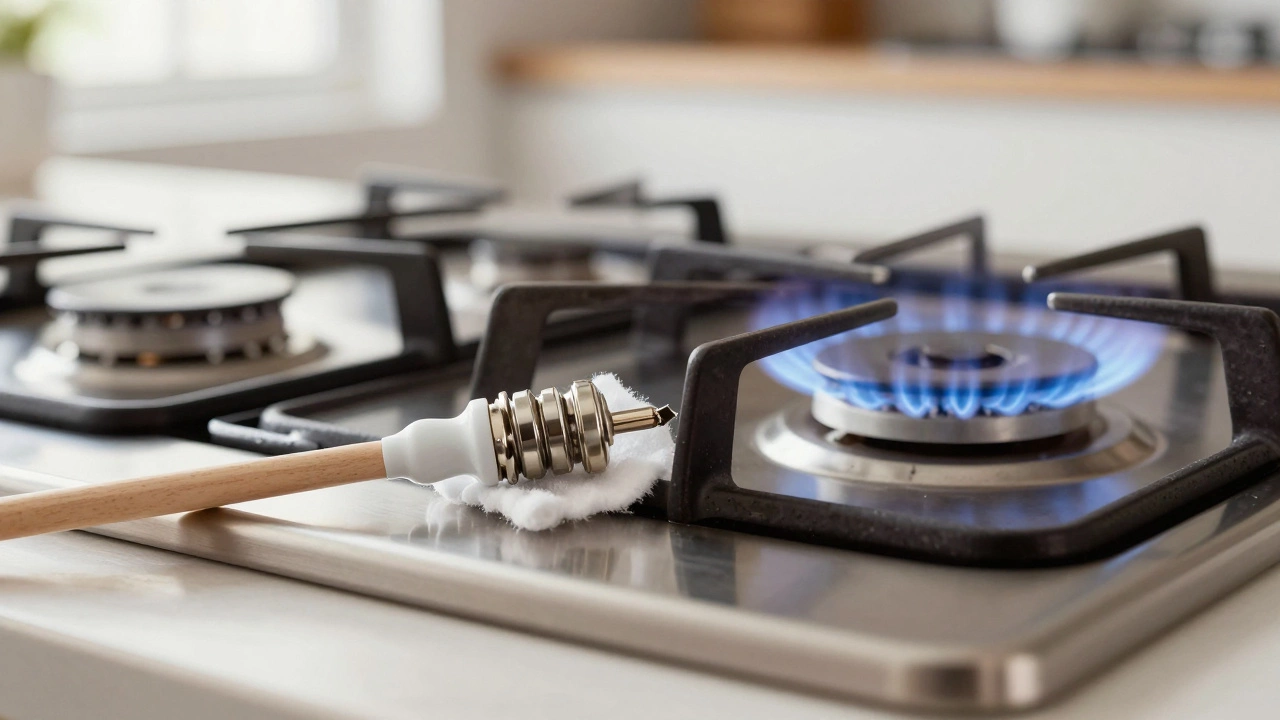
Discover if your broken hob can be fixed. Learn DIY tips for gas, electric, and induction cooktops, when to call a pro, and how to save money on repairs.

Trying to figure out if you should repair your electric stove or just buy a new one? This article breaks down the real costs, common repairs, and the value of fixing versus replacing. Find out what issues are usually fixable, what repairs make sense, and when to let go. You'll also get practical tips for simple DIY fixes and signs you need a pro. Make a smart choice for your kitchen and your wallet.
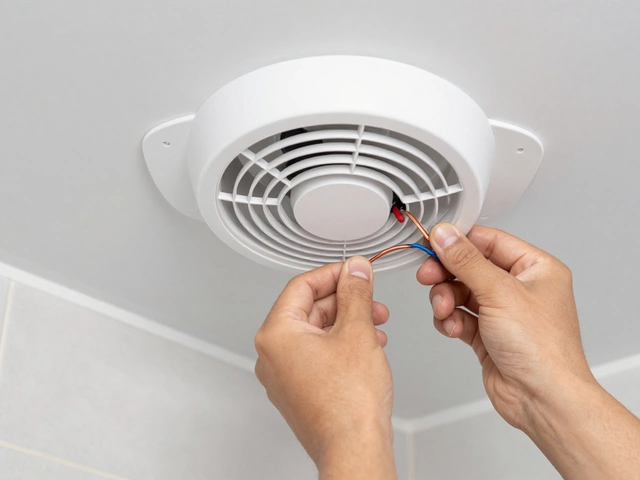
Wondering who should install your extractor fan? Learn when to hire an electrician, HVAC tech, or handyman for safe and efficient ventilation installation.
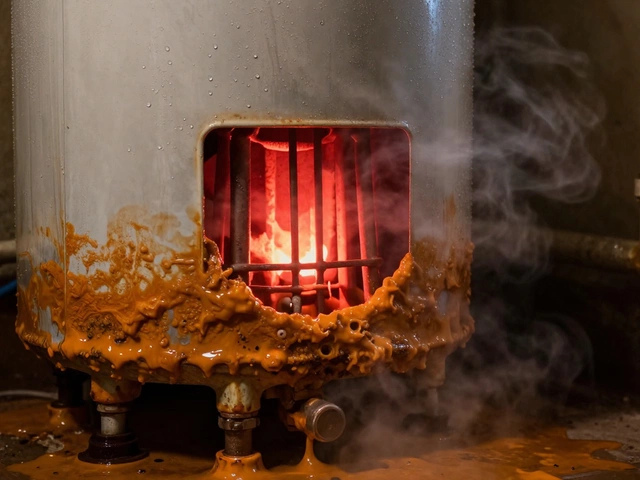
Sediment buildup from hard water is the #1 cause of water heater failure. Learn how mineral deposits damage your tank, why the anode rod matters, and simple steps to prevent leaks and extend your heater's life.
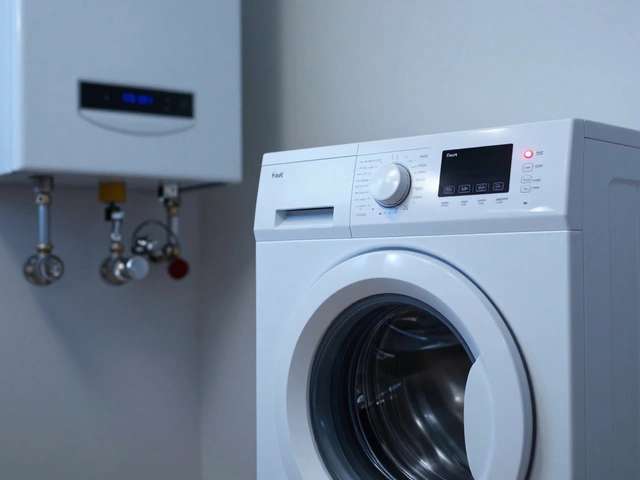
Find out if your washing machine works when the boiler is broken. Learn about cold water cycles, potential errors, and tips for UK homes.
Wondering if it's worth repairing your electric oven or if you should just buy a new one? This article dives into the factors to consider, from cost effectiveness to the age of your appliance, helping you make an informed decision. We'll discuss common issues that can be fixed, when to call in a pro, and some smart tips to extend the lifespan of your oven. By the end, you'll know whether fixing or replacing is the better choice for your situation.
Wondering if you can fix a faulty gas hob? This article explains what repairs are possible, which issues you can tackle yourself, and when to call in a pro. Get down-to-earth tips on spotting common problems, safety advice, and how regular care can extend your hob’s life. We cover everything from spark ignition troubles to stubborn burners that won’t light. Know what you’re dealing with and avoid expensive mistakes.