Boiler Breakdown Laundry Checker
Configure Your Setup
Washing Machine
Tumble Dryer
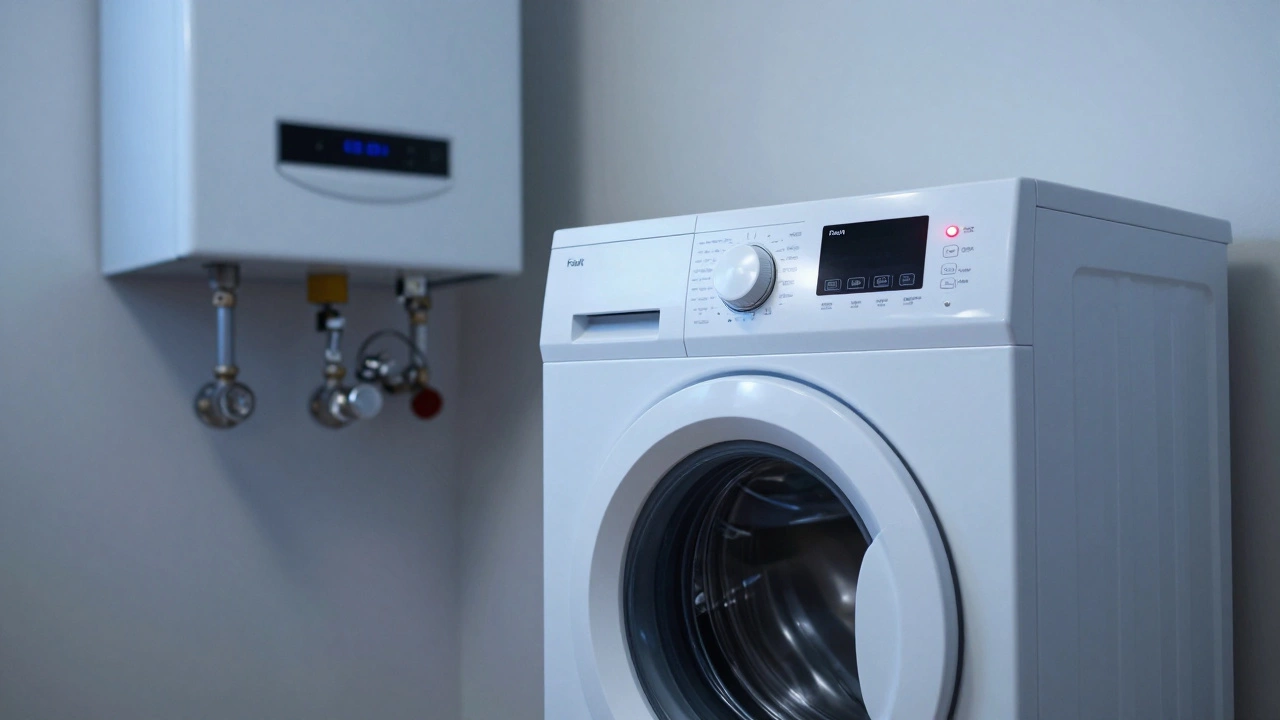
You press the start button on your washing machine, only to realize your central heating is dead. Panic sets in. Will the machine fill with ice-cold water and ruin your clothes? Or will it just refuse to run at all? The short answer is: yes, it will likely work, but you need to know which buttons to press.
In most modern British homes, your washing machine is a standalone appliance that draws water directly from your mains supply. It does not rely on your boiler is the central heating unit that provides hot water for taps and radiators to function. However, if you want a warm wash, things get complicated. Let’s break down exactly what happens when the heating goes out and how to keep your laundry routine on track without damaging your appliances or your clothes.
How Your Washing Machine Gets Water
To understand why your machine might still run, you have to look at where the water comes from. In a typical UK property, there are two distinct water systems running through your walls.
The first is the cold water main. This pipe runs from the street directly into your house. It supplies your toilet cisterns, your kitchen sink tap (usually), and crucially, the inlet valve of your washing machine. This water is always available, regardless of whether your boiler is firing up or sitting dormant.
The second system is the hot water supply. This usually comes from your boiler heating water in a cylinder or instantly as it passes through a heat exchanger. Your bathroom taps, your shower, and potentially your washing machine draw from this source.
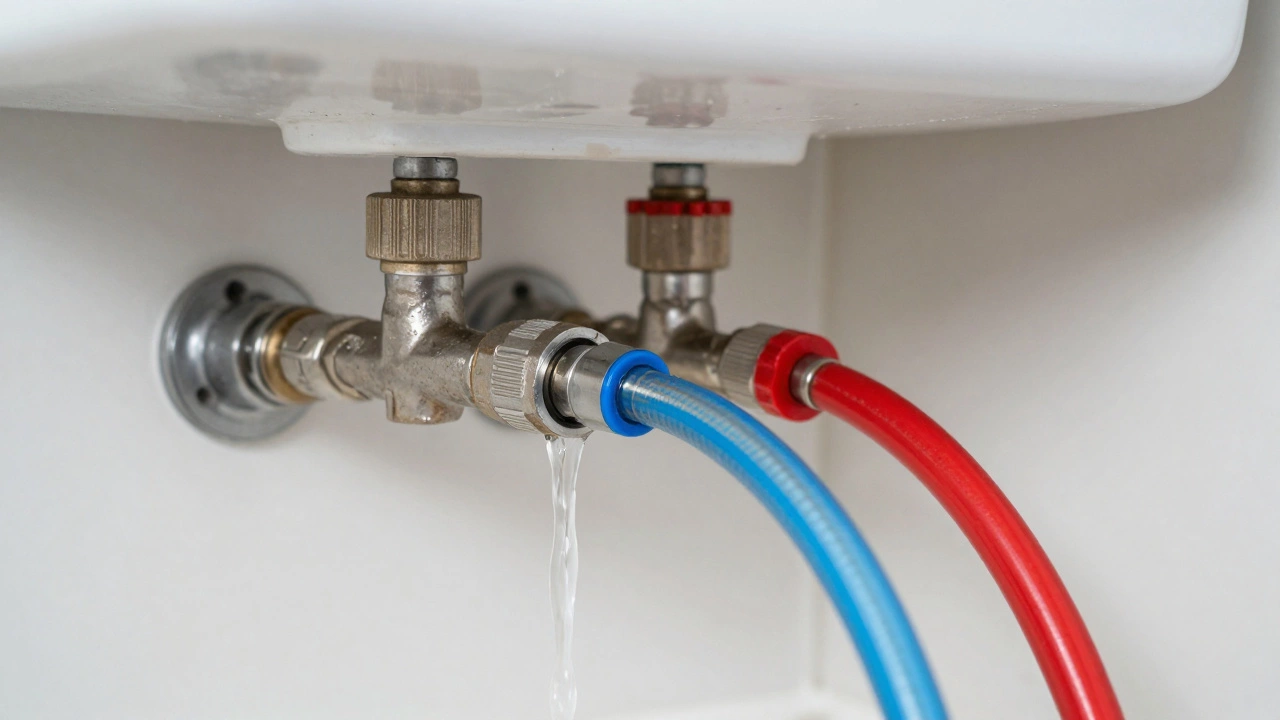
Here is the key distinction: your washing machine has two inlet hoses. One connects to the cold tap, and one connects to the hot tap. When you select a "Cold Wash" program, the machine opens the valve on the cold hose and ignores the hot hose entirely. Since the cold mains supply is independent of your boiler, the machine fills up perfectly fine.
| Appliance | Relies on Boiler? | Works During Breakdown? | Primary Water Source |
|---|---|---|---|
| Washing Machine | No (for cold cycles) | Yes | Mains Cold Supply |
| Dishwasher | No (for cold cycles) | Yes | Mains Cold Supply |
| Kitchen Sink Tap | Yes (for hot side) | No (Hot Water Only) | Boiler/Cylinder |
| Radiator | Yes | No | Boiler System |
The Danger of Using Hot Water Cycles
If your boiler is broken, you might be tempted to put the washing machine on a 40°C or 60°C cycle, hoping the residual heat in the pipes will do the job. Do not do this. Here is why.
When you select a hot wash, the washing machine expects water at a specific temperature range coming from the hot tap. If your boiler is off, the water coming out of that tap is lukewarm or cold. The machine’s internal sensors detect this discrepancy. Depending on the model, two things can happen:
- The Error Code: Modern machines like Bosch, Siemens, or AEG often display an error code (such as E15 or H3) indicating "water temperature too low." They may pause indefinitely, waiting for the water to heat up, effectively locking you out of the cycle.
- The Inefficient Wash: Older or cheaper models might ignore the sensor. They will proceed with the wash using cold water, but they won’t adjust the detergent dosage or spin speed accordingly. You end up with under-cleaned clothes because the enzymes in your detergent weren’t activated by the heat.
Furthermore, some older properties have a "combi-boiler" setup where the hot water pressure is linked to the boiler’s pump. If the boiler is completely dead, you might find that even the hot inlet hose delivers zero flow, causing the machine to timeout and stop filling altogether.
Can You Run a Hot Wash Without a Boiler?
Technically, no. But practically, you have options if you absolutely must wash a load of towels or bedding that requires high heat for hygiene reasons.
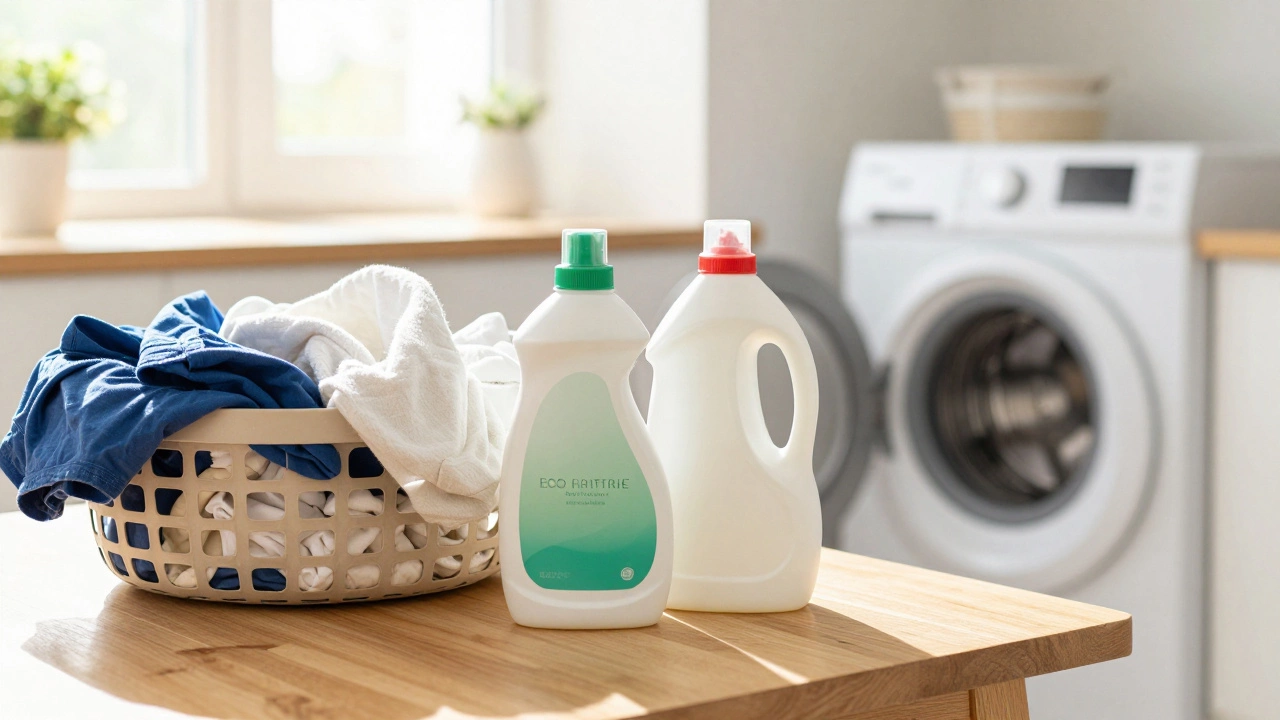
Your best bet is to use the "Cold Wash" setting but compensate with other factors. Modern detergents, such as those containing biological enzymes, are designed to work efficiently at 20°C or even 10°C. Brands like Persil and Ariel have reformulated their liquids specifically for cold water performance.
If you need sanitization, add a cup of white vinegar to the fabric softener compartment during the rinse cycle. Vinegar helps kill bacteria and neutralize odors without needing high temperatures. Alternatively, you can soak heavily soiled items in a bucket of warm water (heated on a gas hob or electric kettle if safe) before loading them into the machine for a cold rinse.
What About the Tumble Dryer?
This is a common follow-up question. If your washing machine works, will your dryer? It depends on the type of dryer you own.
If you have a condenser tumble dryer, it generates its own heat using an internal electric element. It does not connect to your boiler at all. It will work perfectly fine, even if your house is freezing.
If you have a vented tumble dryer, it also uses an internal electric heater. Again, no boiler needed.
However, if you have a heat pump dryer, it is highly efficient but relies on ambient air temperature. While it doesn't use the boiler, extreme cold in the room can reduce its efficiency slightly. It will still run, though.
The only dryer that might struggle is a gas tumble dryer. These burn natural gas to create heat. If your boiler breakdown is due to a wider gas supply issue (like a cut-off or meter failure), your gas dryer will not light. Check your gas hob; if the hob works, the gas dryer will likely work too.
Troubleshooting: Why Won’t It Fill?
Sometimes, even on a cold cycle, the washing machine refuses to fill. Before you call a repair engineer, check these three common culprits that often coincide with boiler issues:
- The Stopcock: Did someone turn off the main water supply while trying to fix the boiler? Check the angle valves under your kitchen sink. Both the hot and cold isolators should be turned parallel to the pipe (open).
- The Inlet Filter: Over time, limescale builds up in the mesh filters inside the washing machine’s inlet hoses. If the pressure drops slightly due to household usage, a clogged filter can prevent filling. Unscrew the hoses from the back of the machine and clean the mesh screens with an old toothbrush.
- Electrical Trips: If the boiler was making noise or sparking before it died, you might have tripped a circuit breaker. Check your consumer unit (fuse box). Ensure the MCB (Miniature Circuit Breaker) for the kitchen or general sockets hasn’t popped.
Long-Term Solutions for Boiler-Free Washing
If your boiler is old and frequently breaks down, consider upgrading your washing habits rather than just patching the problem. Many new washing machines now feature "AutoSense" technology. This allows you to select a generic "Cotton" or "Mixed" program, and the machine automatically detects the water temperature and adjusts the cycle length and agitation accordingly. This makes them far more resilient to boiler failures.
Additionally, installing a thermostatic mixing valve on your cold water feed can help stabilize pressure fluctuations that sometimes occur when other appliances try to draw hot water from a struggling system. While this doesn’t fix the boiler, it protects your washing machine’s inlet valve from pressure shocks.
Remember, your washing machine is a robust piece of engineering. It is designed to handle variations in water supply. As long as you stick to cold or eco-wash cycles, your laundry will get done, your clothes will stay clean, and you can focus on getting that boiler fixed.
Can I run a 90-degree wash if my boiler is broken?
No. A 90-degree wash requires boiling water, which only your boiler or a specialized instant heater can provide. If you attempt this cycle without a working boiler, the machine will likely display an error code because the water entering from the hot tap is not reaching the required temperature. Stick to cold or 30-degree eco cycles instead.
Will using cold water damage my washing machine?
Not at all. In fact, cold water is gentler on the machine's internal components because there is less thermal stress on the seals and hoses. Most modern manufacturers recommend cold washing to save energy and extend the life of both the appliance and your clothing fibers.
Does the washing machine need electricity to fill with water?
Yes. The inlet valve is an electromechanical component. When you start the cycle, the computer sends a signal to open the valve. If you have a power outage along with your boiler breakdown, the machine will not fill. However, the water pressure itself is provided by the mains, not the electricity.
Why is my washing machine making a gurgling sound when the boiler is off?
This is often due to air locks in the pipework. When the boiler stops circulating water, air can enter the system. As the washing machine draws water, it pulls this air through the pipes, causing gurgling. It is usually harmless but indicates you may have trapped air in your central heating system that needs bleeding.
Should I disconnect the hot water hose from my washing machine?
It is not necessary unless you never use hot washes. Many experts actually recommend connecting only the cold hose and letting the machine heat the water internally if it has a built-in heater (common in newer models). This prevents limescale buildup from hard hot water. If you do have both connected, ensure the hot tap is fully open to avoid vacuum locks.