Boiler Replacement Time Estimator
How long will your boiler replacement take? This tool estimates your installation timeline based on common factors that affect installation time, according to UK gas engineers.
Your Project Details
Replacing a boiler isn’t like changing a lightbulb. You can’t just turn it off, unscrew a few bolts, and pop in a new one. In the UK, where winters get cold and boilers run non-stop for months, knowing how long this job takes matters-especially if you’re without heat or hot water. Most homeowners expect it to be done in a day. Some think it’ll take a week. The truth? It usually takes one to three days, but that depends on a dozen things you might not have considered.
What’s Involved in Replacing a Boiler?
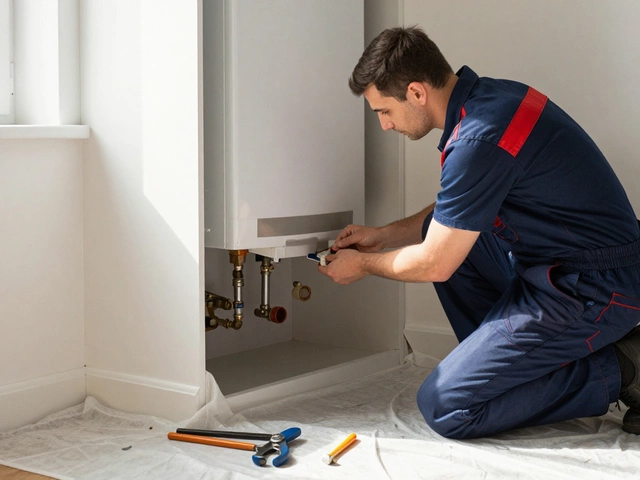
Before we talk about time, let’s clear up what replacing a boiler actually means. It’s not just swapping the unit. A full replacement includes:
- Removing the old boiler and disposing of it safely
- Flushing the central heating system to remove sludge and rust
- Installing new pipework if needed (especially with combi boiler upgrades)
- Connecting gas, water, and electrical supplies
- Fitting a new thermostat and controls
- Testing pressure, leaks, and safety systems
- Completing Gas Safe certification paperwork
That’s a lot. And every step adds minutes-or hours-to the job. A simple swap in the same spot? Faster. A full system redesign? Longer.
One-Day Install: The Standard Scenario
Most boiler replacements in UK homes are done in a single day. This happens when:
- You’re replacing your old boiler with the same type (e.g., combi to combi)
- The new boiler is installed in the same location
- The pipework and flue route don’t need major changes
- The system is already clean and well-maintained
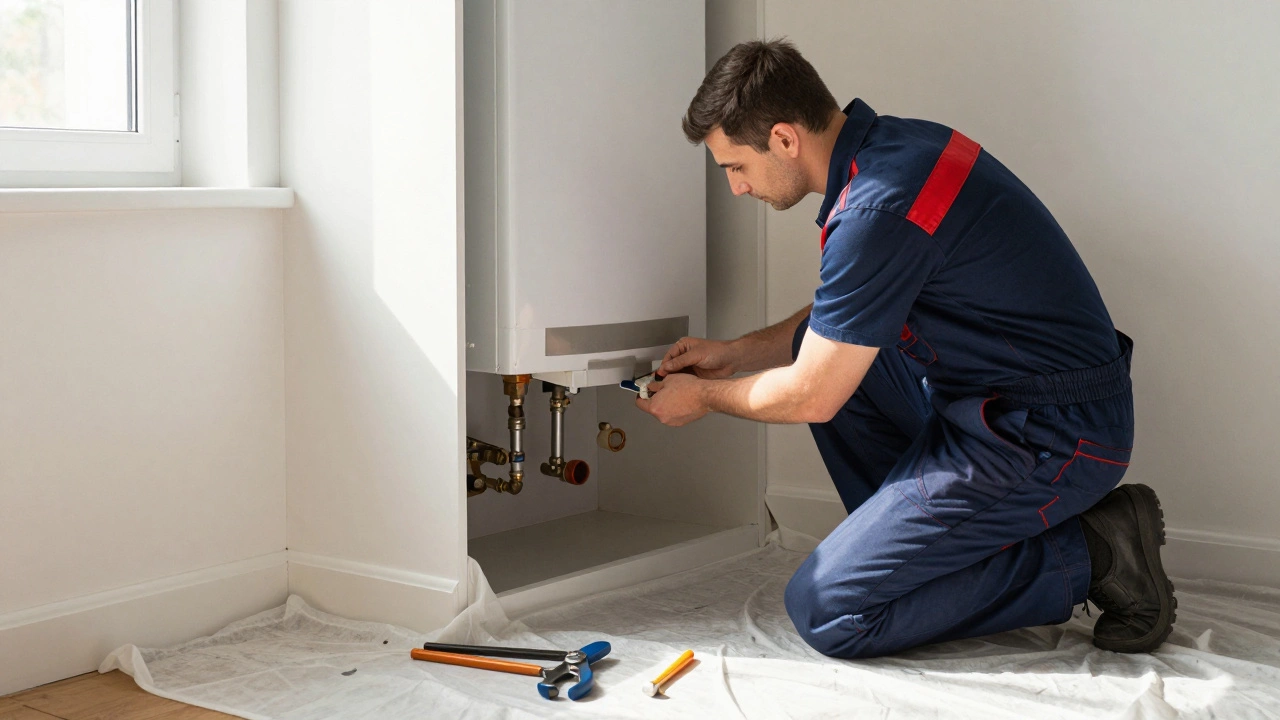
Gas engineers in Bristol, Cardiff, and Manchester see this most often. A skilled team arrives at 8 a.m., removes the old unit by 11 a.m., installs the new one by 2 p.m., flushes the system, tests everything, and leaves by 5 p.m. with a Gas Safe certificate in hand. No mess. No delays. Just a working boiler and a happy homeowner.
This is why most companies quote a ‘one-day install’-it’s the norm, not the exception. But don’t assume yours will be this smooth.
Two-Day Install: When Things Get Complicated
Two days is the second most common timeline. It usually happens when:
- You’re switching from a regular boiler to a combi boiler (or vice versa)
- The flue needs to be rerouted because of building regulations or a new wall position
- The old pipes are corroded and need replacing
- The system hasn’t been flushed in years and clogs slow down the process
- There’s no space for the new boiler, so a cupboard has to be rebuilt
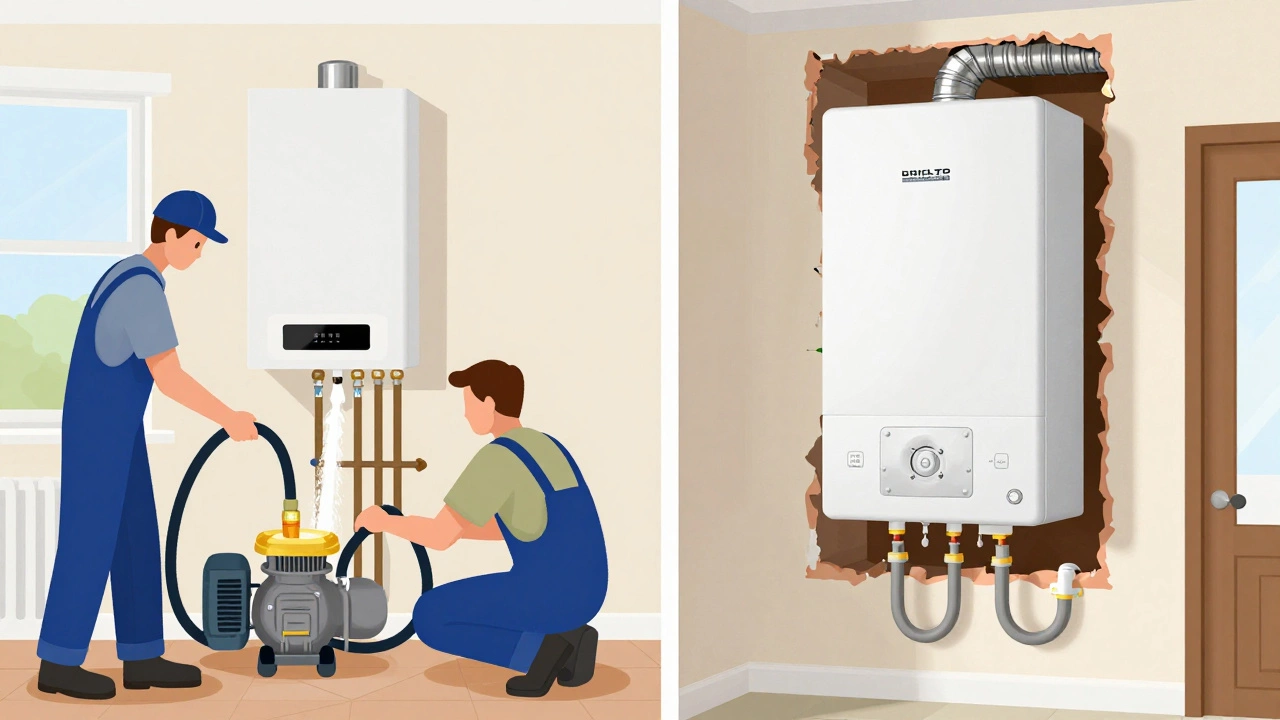
In these cases, the team will remove the old boiler on Day 1, flush the system, and prepare the site. On Day 2, they’ll install the new unit, connect all lines, and run full diagnostics. This isn’t a delay-it’s good practice. Rushing this stage can lead to leaks, poor efficiency, or even dangerous gas build-up.
I’ve seen homes in Bristol where the old boiler sat in a tiny cupboard under the stairs. Installing a modern combi boiler meant cutting into the wall, moving the gas line, and repositioning the flue. That took two full days, even with a small team.
Three Days or More: The Big Upgrades
Three days or longer? That’s not rare-it’s becoming more common. This happens when:
- You’re upgrading to a system boiler with a separate hot water tank
- You’re installing underfloor heating alongside the boiler
- The property is older, with outdated or lead pipework
- The boiler is being moved to a completely new location (e.g., from the loft to the kitchen)
- There’s a planning or building control requirement (like in listed buildings)
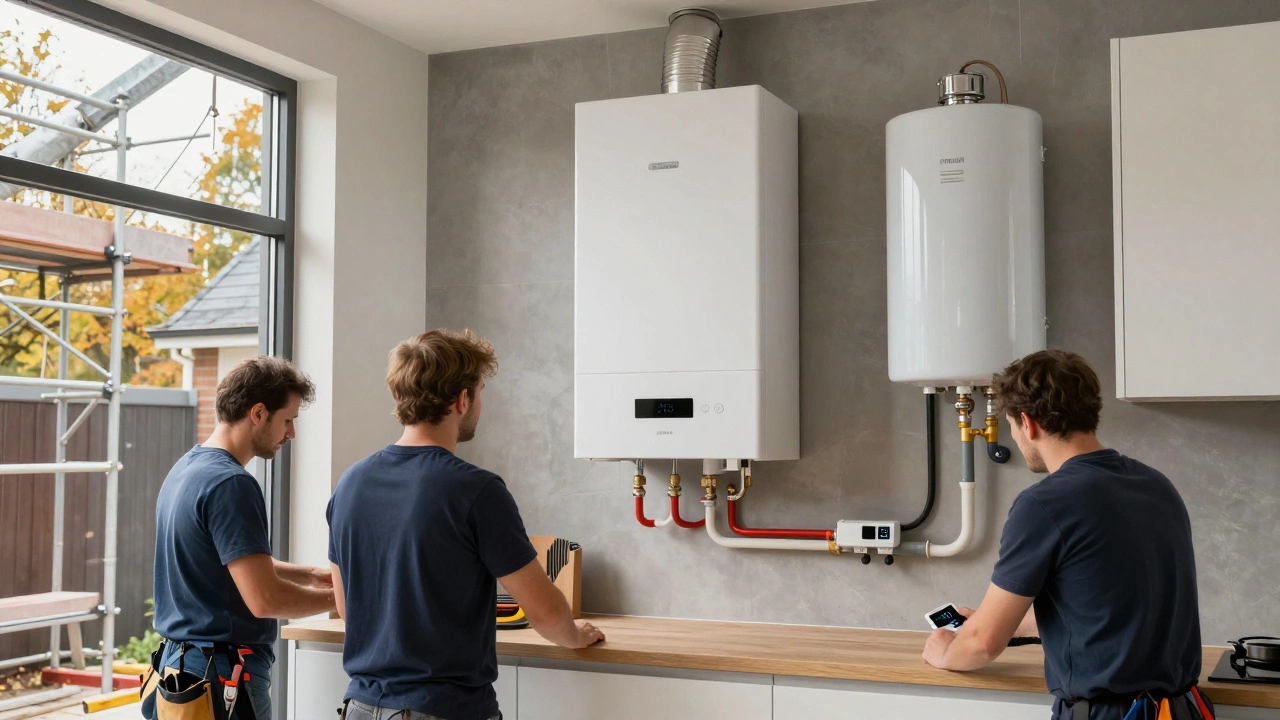
In these cases, the job becomes part of a larger renovation. You might need to coordinate with electricians, plumbers, or even builders. One homeowner in Bath replaced their boiler while also installing new radiators, insulation, and smart controls. The boiler swap itself took three days-but the whole project lasted two weeks.
Also, if your home has a condensing boiler requirement under UK building regulations, and the old flue doesn’t meet current standards, the engineer might need to wait for a specialist part. That can add a day.
What Slows Things Down?
Even with a simple swap, delays happen. Here are the top five reasons:
- Old pipework - If your pipes are from the 1970s, they’re likely full of rust. Flushing them takes longer than expected. Some systems need chemical cleaning before installation.
- Gas supply pressure - If the gas line can’t deliver enough pressure for the new boiler, the engineer has to upgrade it. That requires a separate visit from the gas network operator.
- Flue restrictions - New boilers need specific flue lengths and positions. If your wall or roof doesn’t allow it, you might need scaffolding or a different flue type.
- Access issues - Narrow staircases, tight lofts, or blocked basements can slow down removal and delivery. One engineer in Bristol spent 45 minutes just getting a boiler down a spiral staircase.
- Weather delays - If the flue is outside and it’s raining or windy, work can’t proceed safely. That’s not the installer’s fault-it’s just how it is.
These aren’t excuses. They’re facts. A good installer will tell you upfront if any of these apply to your home.
What Can You Do to Speed It Up?
You can’t make the gas engineer work faster-but you can remove obstacles:
- Clear the area around the boiler. Move furniture, boxes, or storage.
- Have the old boiler’s make and model ready. That helps the engineer order the right replacement.
- Ask if your system needs a power flush. If it’s been 8+ years since the last flush, do it before the install.
- Confirm the new boiler’s location with the installer. Moving it later adds cost and time.
- Be home the whole day. If the engineer needs to test taps or radiators, they’ll need access.
One homeowner in Bristol sent her boiler’s manual to the installer the night before. The engineer said it cut 30 minutes off the job. Small prep, big difference.
Why You Shouldn’t Rush It
Some companies promise a boiler install in four hours. That’s usually just a swap-no system flush, no safety checks, no testing. It’s risky. In 2024, the Health and Safety Executive reported 17 cases of carbon monoxide poisoning linked to poorly installed boilers. Most happened because installers skipped steps to save time.
A proper install includes:
- Pressure testing the water system (to catch leaks before they happen)
- Checking gas tightness with a leak detector
- Verifying flue draw with a combustion analyzer
- Setting the correct boiler output for your home size
Skipping these isn’t a shortcut. It’s a hazard.
What to Expect on Installation Day
If you’ve booked a replacement, here’s what a typical day looks like:
- 8:00-9:00 AM - Engineer arrives, confirms the job, and lays down dust sheets.
- 9:00-11:00 AM - Old boiler is disconnected, removed, and taken away.
- 11:00 AM-1:00 PM - System is flushed, new pipework is fitted if needed.
- 1:00-3:00 PM - New boiler is installed, connected to gas, water, and electrics.
- 3:00-4:30 PM - System is pressurized, tested, and commissioned.
- 4:30-5:00 PM - You’re shown how to use the controls, and paperwork is handed over.
That’s the ideal. If you’re on a two-day job, Day 1 ends after the old boiler is gone. Day 2 picks up where it left off.
Final Answer: How Long Does It Take?
Here’s the real answer, based on UK data from Gas Safe Register and heating installers:
- 75% of installs are completed in one day
- 20% take two days (usually due to system changes or pipework)
- 5% or less take three or more days (major renovations or older homes)
So if someone tells you it’ll take a week, they’re either overestimating or they’ve got a complicated job. If they say it’ll be done in four hours, they’re cutting corners. The sweet spot? One day, with full safety checks.
Can I replace my boiler myself to save time?
No. In the UK, only a Gas Safe registered engineer can legally install or replace a boiler. Even if you’re handy with tools, connecting gas lines, testing pressure, and certifying the system requires legal qualifications. Attempting it yourself risks fines, invalid insurance, and serious safety hazards like gas leaks or carbon monoxide poisoning.
Do I need to turn off my water and gas before the installer arrives?
No. The installer will handle shutting off utilities safely. Turning them off yourself could cause pressure imbalances or leaks. Just make sure the area around the boiler is clear and accessible. The engineer will test for gas leaks and water pressure before starting.
Will my hot water be off during the install?
Yes. You’ll lose hot water and heating for the entire day. If you’re on a two-day install, you’ll be without both systems overnight. Plan ahead-book a hotel, use a kettle, or arrange for a temporary electric water heater if you have elderly family members or young children.
Is there a best time of year to replace a boiler?
Spring and early autumn are ideal. Installers are less busy, so you’ll get faster quotes and slots. Avoid winter-demand spikes, prices rise, and delays are common. Also, if your boiler fails in January, you’ll be stuck in the cold while waiting for a technician.
What’s the difference between a boiler replacement and a boiler repair?
A repair fixes a broken part-like a pump or thermostat-without replacing the whole unit. It usually takes a few hours. A replacement means removing the entire boiler and installing a new one. That’s a full-day job. If your boiler is over 10 years old and needs major repairs, replacement is usually cheaper and more efficient in the long run.
If you’re thinking about replacing your boiler, don’t wait until it breaks. The average boiler in UK homes is 12 years old-past its most efficient lifespan. Replacing it before winter hits saves money on bills and keeps you safe. A good installer will give you a clear timeline. Listen to them. Don’t push for speed. Quality matters more than speed when your heat and safety are on the line.