Boiler Service Simulator & Cost Estimator
Configuration
What happens during the service?
Checking casing for damage, corrosion, and flue terminal blockages.
Ensuring system pressure is between 1 and 1.5 bar for efficiency.
Removing dust/debris from heat exchanger to ensure clean combustion.
Using digital analyzer to check for dangerous leaks and combustion efficiency.
Testing overheating thermostats and flame failure devices.
Estimated Service Cost
Based on 2026 UK Market Averages
- Estimated Duration 30 - 60 Mins
- Engineer Requirement Gas Safe Registered
- Warranty Impact Mandatory
Imagine this: it’s mid-January. The wind is howling outside, and you’re wrapped in three jumpers because your heating has decided to take a holiday. You didn’t budget for an emergency call-out. You just wanted to keep up with the routine stuff. That’s why knowing exactly how much to get a boiler serviced matters. It isn’t just about saving money on the bill; it’s about avoiding the panic of a breakdown when you need warmth the most.
If you live in the UK, particularly in places like Bristol where winters can be damp and cold, keeping your heating system in check is non-negotiable. But pricing can feel like a minefield. One quote says £40, another says £150. Who are you supposed to trust? Let’s cut through the noise and look at what you should actually expect to pay in 2026, what goes into that price tag, and how to spot a deal that’s too good to be true.
The Standard Cost of a Boiler Service in 2026
So, what is the magic number? For a standard annual boiler service performed by a qualified professional, you should expect to pay between £60 and £90. This is the sweet spot for most homeowners across the UK right now.
If you see quotes significantly lower than £60, pause. A proper service takes time. It involves checking pressure, testing for carbon monoxide leaks, cleaning out debris, and inspecting seals. If someone offers to do it for £30, they might be rushing through a visual check rather than doing the actual safety tests. On the flip side, if you’re being quoted over £100 for a simple service on a standard combi-boiler, you might be getting upsold or paying for premium brand premiums that don’t necessarily add value to the service itself.
Here is a quick breakdown of average costs based on boiler type:
- Combi Boilers: £60 - £80. These are the most common units in UK homes. They heat water directly from the mains, so there are fewer components to check compared to systems with tanks.
- System Boilers: £70 - £90. Because these connect to a separate hot water cylinder, the engineer needs to check additional valves and pressure points.
- Regular (Conventional) Boilers: £80 - £100. These older setups involve both a hot water tank and a cold water feed tank (often in the loft), making the inspection slightly more involved.
- Condensing Boilers: £65 - £85. Most modern boilers are condensing types. The service includes checking the condensate drain to ensure it hasn’t frozen or blocked up.
What Actually Happens During a Service?
You might wonder why you’re paying £70 for something that looks like it takes twenty minutes. A thorough boiler service isn’t just wiping down the casing. It’s a health check for a complex piece of machinery that burns gas inside your home. Here is what a competent Gas Safe Registered Engineer will do:
- Visual Inspection: They’ll check the boiler casing for damage, corrosion, or signs of leakage. They also look at the flue terminal outside to ensure it’s clear of bird nests or blockages.
- Pressure Check: Your boiler needs to be within a specific pressure range (usually 1 to 1.5 bar) to operate efficiently. If it’s too low, the boiler won’t fire up; too high, and the safety valve might trip.
- Burner and Heat Exchanger Cleaning: Dust and debris can build up here. If the burner is dirty, it burns fuel inefficiently, costing you more in energy bills. The engineer cleans this out to ensure clean combustion.
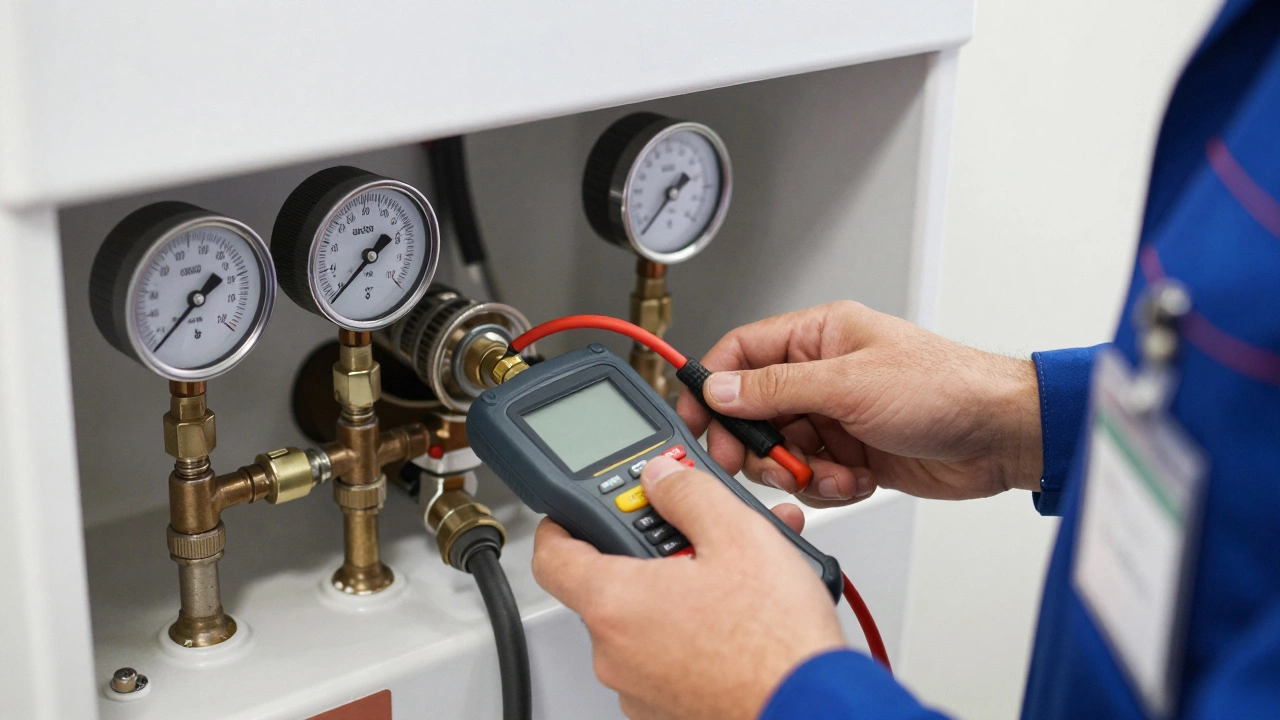
- Carbon Monoxide Test: This is critical. They use a digital flue gas analyzer to measure the combustion efficiency and check for dangerous levels of carbon monoxide. This test ensures your family is safe from invisible, odorless gas leaks.
- Safety Device Check: They’ll test the overheating thermostat, the flame failure device, and other safety mechanisms to make sure they kick in if something goes wrong.
A proper service usually takes between 30 to 60 minutes. If it’s done in five minutes, ask questions.
Hidden Costs and Additional Fees
The base price is one thing, but hidden fees can creep in. Be aware of these potential extras so you aren’t shocked by the final invoice.
| Service Type | Estimated Cost | When It Applies |
|---|---|---|
| Call-Out Fee | £30 - £50 | Often included in the service price, but some companies charge separately if no work is done. |
| Power Flush | £300 - £600 | If your radiators are cold at the top or the system is sludgy. Not part of a standard service. |
| Magnet Filter Install | £150 - £250 | Recommended during a power flush to prevent future sludge buildup. |
| Emergency/Weekend Call | +50% to +100% | Services booked outside normal business hours (Mon-Fri, 9-5). |
| Parts Replacement | Varies | If a seal, fan, or pump fails during the check, parts are extra. |
Note that a power flush is a major job, not a minor tweak. If your engineer recommends one, ask them to explain why. Is the system old? Have you had issues with cold spots? Don’t agree to it unless you understand the necessity.
Why You Can’t Skip the Annual Service
I know, I know. Life gets busy. You forget. But skipping a boiler service is a gamble with high stakes. Here is why you shouldn’t treat it as optional:
1. Safety First: Boilers burn gas. If the combustion isn’t right, carbon monoxide can leak into your home. It’s deadly. A service checks the seals and the flue to prevent this. No amount of saved money is worth risking your life.
2. Warranty Validity: Most manufacturers require proof of annual servicing to keep your warranty valid. If your boiler breaks down after three years and you don’t have a log of services, the manufacturer can deny the claim. You could be looking at a £1,500+ replacement bill instead of a £100 repair.
3. Efficiency and Bills: A dirty boiler works harder. It uses more gas to produce the same amount of heat. According to data from Energy Saving Trust, a poorly maintained boiler can lose up to 10% of its efficiency. Over a year, that adds hundreds of pounds to your energy bills.
4. Landlord Requirements: If you rent out property in the UK, you are legally required to get a Gas Safety Certificate annually. This is stricter than a homeowner’s service. Failure to provide this can lead to massive fines and void insurance policies.
How to Choose the Right Engineer
Not all plumbers are created equal. In the UK, anyone working on gas appliances must be registered with Gas Safe Register. This is the law. Never hire someone who claims to be "CORGI" certified-that scheme ended years ago. Always ask to see their ID card and check the photo and expiry date.
Here is a checklist for hiring:
- Check Credentials: Verify their Gas Safe registration number online.
- Get Multiple Quotes: Call at least three local engineers. Compare the scope of work, not just the price.
- Read Reviews: Look for recent reviews on Google or Trustpilot. Pay attention to comments about punctuality and communication.
- Ask About Insurance: Ensure they have public liability insurance. If they drop a wrench and crack your floor tiles, you want to be covered.
- Local Knowledge: Local engineers, like those in Bristol, often offer better response times and may charge less for travel than national chains.
DIY Checks vs. Professional Service
Can you service your own boiler? Absolutely not. It’s illegal and incredibly dangerous. However, there are things you can do to monitor your boiler’s health between professional visits.
Check the Pressure Gauge: Most boilers have a small dial on the front. Keep an eye on it. If it drops below 1 bar, you might have a leak. If it rises above 2 bars, the expansion vessel might be failing. Note these readings and tell your engineer.
Listen for Strange Noises: Gurgling sounds in radiators suggest air in the system. Whistling or banging noises from the boiler itself could indicate kettling (limescale buildup) or a failing pump. These are red flags.
Look for Leaks: Regularly peek under the boiler. Even a small drip can cause significant water damage over time.
These checks don’t replace a service, but they help you catch problems early before they become expensive emergencies.
Is a Boiler Care Plan Worth It?
Many companies sell annual care plans for £20-£30 per month. These typically include an annual service, priority call-outs, and sometimes discounted parts. Are they worth it?
For a new boiler under warranty, probably not. You just need the service record. For an older boiler (8+ years), it might be worth considering if you value peace of mind and predictable costs. However, read the fine print. Many plans exclude parts labor or cap the discount. Often, paying for a single service (£70) plus setting aside a bit of cash for repairs is cheaper than a long-term contract, especially if your boiler runs reliably.
If you choose a plan, ensure it covers all gas appliances in your home, not just the boiler. And remember, you can cancel most plans if you move house or replace the unit.
Final Thoughts on Boiler Maintenance
Getting your boiler serviced isn’t a luxury; it’s a necessity. In 2026, with energy prices still volatile, efficiency matters more than ever. By spending around £70 a year, you protect your home, your wallet, and your family. Don’t wait for the breakdown. Book your service now, find a trusted local engineer, and sleep soundly knowing your heating is safe and efficient.
How often should I get my boiler serviced?
You should get your boiler serviced once a year. This is recommended by manufacturers to maintain warranty validity and ensure safety. For landlords, it is a legal requirement to obtain a Gas Safety Certificate annually.
What happens if I don't service my boiler?
Skipping services can lead to reduced efficiency (higher bills), increased risk of breakdowns, voided warranties, and serious safety hazards like carbon monoxide leaks. It also makes diagnosing future problems harder for engineers.
Can I service my own boiler?
No, it is illegal and dangerous for anyone not registered with Gas Safe to carry out work on gas appliances. Only a qualified Gas Safe engineer should perform a boiler service.
How long does a boiler service take?
A standard boiler service typically takes between 30 to 60 minutes. This includes visual inspections, pressure checks, cleaning, and safety tests. If repairs are needed, it will take longer.
Do I need a power flush with every service?
No, a power flush is not part of a standard annual service. It is only recommended if your heating system has significant sludge buildup, indicated by cold spots on radiators or discolored water. It is a separate, more expensive procedure.
What is the difference between a boiler service and a repair?
A service is preventative maintenance to check safety and efficiency. A repair is fixing a broken component. A service might identify a part that needs replacing, which would then become a repair job with additional costs for parts and labor.