

When working with DIY appliance care, the practice of maintaining and troubleshooting household devices on your own. Also known as home appliance maintenance, it helps you avoid costly service calls and extends product life.
DIY appliance care isn’t just about fixing a broken part; it’s a mindset that blends safety, efficiency, and a bit of know‑how. Safety checks are a core part of the routine, because spotting a frayed cord or a loose grounding screw before it fails prevents accidents. Energy efficiency considerations guide you to clean condenser coils, defrost freezers regularly, and keep dryer lint traps clear, which saves electricity and lowers your bills. Basic tool kits equipped with insulated screwdrivers, needle‑nose pliers, a multimeter, and a set of spanners give you the right bite to tackle most fixes without renting equipment. These three ideas form a simple equation: DIY appliance care includes regular safety checks, requires the right tools, and benefits from energy‑saving habits.
Looking at the common problems across our guides, you’ll notice patterns. Oven control boards, boiler pressure drops, and extractor fan motor failures all share a need for visual inspection and a quick test of power supply before you start dismantling. Understanding the typical cost of parts—like a £70 gas oven igniter or a £120 heat‑pump compressor—helps you decide whether a repair is worth it. If a washing machine’s drum assembly costs more than a new machine, the smart move is to replace. Knowing the lifespan of key appliances, such as a 10‑12 year window for a standard dishwasher, lets you plan upgrades before a sudden breakdown. The posts below walk you through step‑by‑step diagnostics, when to press a reset button safely, and how to decide if a professional call is necessary. Armed with this background, you’ll be able to scan a problem, pick the right tool, and apply the right fix with confidence.
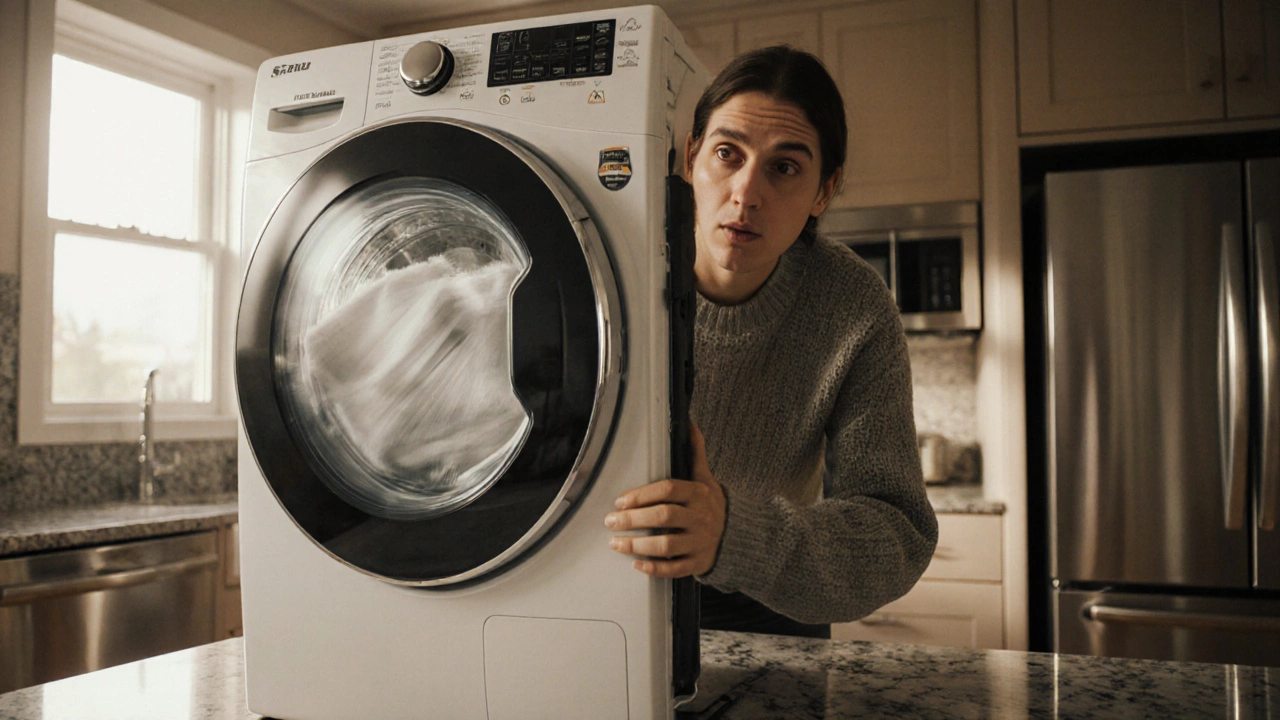
Learn why and when appliances need professional service, the signs of trouble, how often each should be checked, DIY tips, costs and when to replace.
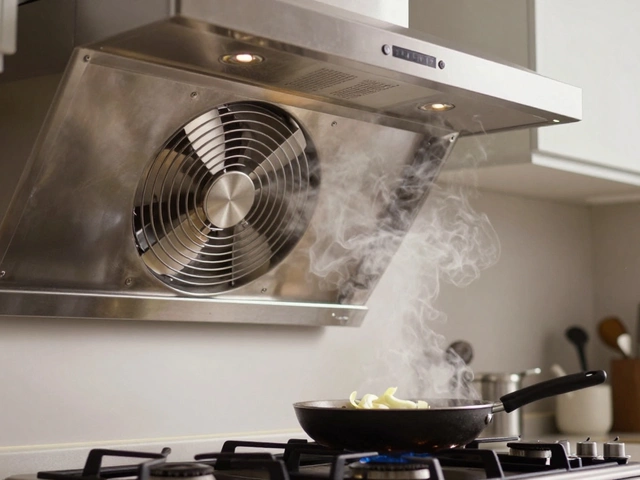
Discover why kitchen extractor fans stop working and how to fix them. From clogged filters to motor failures, learn practical troubleshooting steps to restore airflow and avoid costly repairs.

Resetting a freezer compressor may sound daunting, but it's an essential skill for maintaining your appliance's efficiency. Compressors can occasionally need a reset to function properly, potentially saving you from costly repairs or replacements. This article walks you through the steps to safely reset your freezer compressor and offers tips to prevent future issues. Understanding when and why to reset your compressor can keep your freezer running smoothly and extend its lifespan.
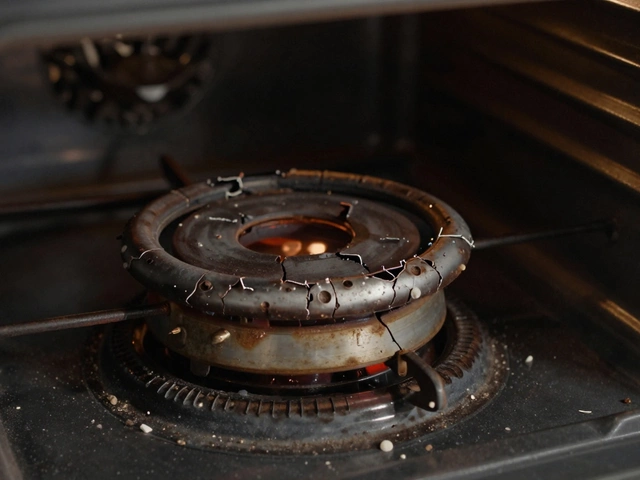
If your oven won't heat up, it's usually a simple fix-like a broken element, faulty thermostat, or blown fuse. Learn the most common causes and how to diagnose them yourself before calling a repair technician.

Considering replacing your electric oven on your own? Before you jump into action, it's crucial to understand the steps involved and the potential challenges you might face. From ensuring safety precautions to understanding the basic wiring, this article delves into what you need to know. We'll discuss not only the tools and skills required but also when it's better to call in a professional. By the end, you'll have a clearer picture of whether you should tackle this task yourself or seek expert help.
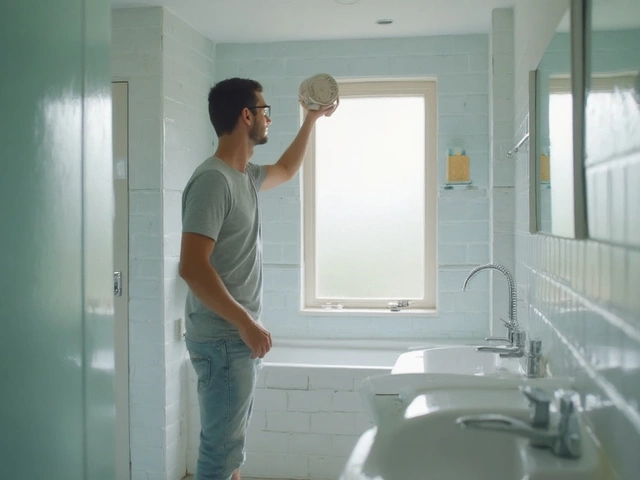
Nobody wants to deal with a stuffy bathroom or smoky kitchen, but if your extractor fan isn’t working, that’s exactly what you’ll get. This article shows you how to check if your extractor fan is doing its job or just taking up space. From simple power checks to quick airflow tests, you’ll learn hands-on methods anyone can use—no tech wizardry needed. Expect practical tips, a couple of helpful tricks, and signs that tell you when it’s time to call an expert. Don’t let stale air hang around: let’s figure out what your fan is up to.