Oven Installation Safety Checker
Safety Assessment Tool
Answer the questions below to determine if your new oven installation requires a professional electrician.
Replacing your kitchen range might seem straightforward, but the wiring involved isn't like plugging in a toaster. You are dealing with serious amounts of energy that can cause fires or severe injury if handled wrong. Most homeowners ask this question after seeing a rental property where the unit was just swapped out, but rental rules differ vastly from permanent home ownership laws.
The short answer depends on your location, your specific setup, and what kind of replacement you are making. In many jurisdictions, connecting a hardwired appliance requires a licensed professional. However, there are gray areas involving plug-in units or simple like-for-like swaps. Before you touch the terminal block, you need to understand the electrical code, insurance implications, and physical risks involved.
Understanding Electrical Codes and Legal Requirements
National Electrical Code is a set of standards for safe electrical design, installation, and inspection intended to protect people and property from electrical hazards. In the United States, this is known as the NEC, while other countries have their own versions like BS 7671 in the UK. These codes exist because improper wiring leads to house fires. Statistics show that electrical failures are a leading cause of residential fires, often stemming from loose connections at the outlet or inside the junction box.If you are in a state like California or New York, the rules are stricter. Some localities require a permit even for replacing the appliance itself if the wiring changes. This means a city inspector needs to sign off on the work. If you do the work yourself without a permit and something goes wrong, your insurance company could deny coverage. They view unpermitted electrical work as negligence.
Consider the scenario where you buy a new oven that requires a different cord configuration than your old one. Maybe the old unit was hardwired directly into the wall, but the new one comes with a plug. Converting a hardwired connection to a receptacle usually violates code unless done by a certified person. This is because the circuit rating, wire gauge, and grounding methods must match perfectly. A mismatch here creates heat buildup at the contact points, which melts insulation over time.
The Technical Challenge of High-Voltage Wiring
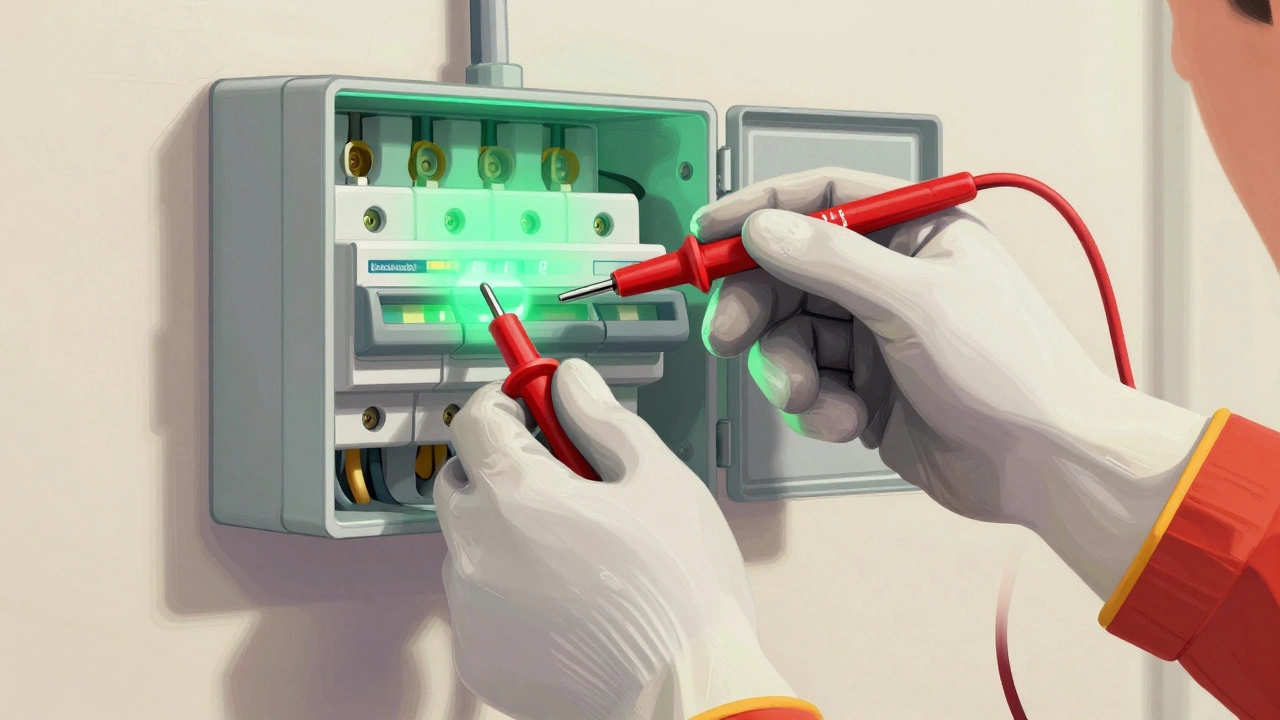
An Electric Oven operates on higher voltage than standard household outlets. While your lamp plugs into 120 volts, ranges typically run on 240 volts. This is split between two live legs and a neutral. Touching the wrong wire while the breaker is live can result in a lethal shock. Even if you think you turned the power off, verification with a non-contact tester or multimeter is critical.
Here is why the voltage matters. You cannot simply splice a 120-volt extension cord into a 240-volt appliance. The wire gauge thickness also plays a huge role. If the copper wire inside your wall is too small for the load the oven draws, it acts like a fuse that slowly overheats. A qualified electrician knows how to calculate the ampacity required. For example, a standard 50-amp circuit usually requires 6 AWG wire, while a smaller 40-amp range might use 8 AWG. Using the wrong size wire invites fire hazards within the walls, hidden from plain sight.
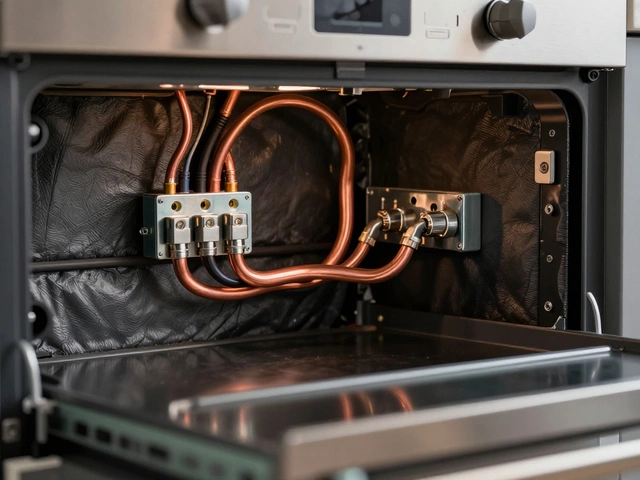
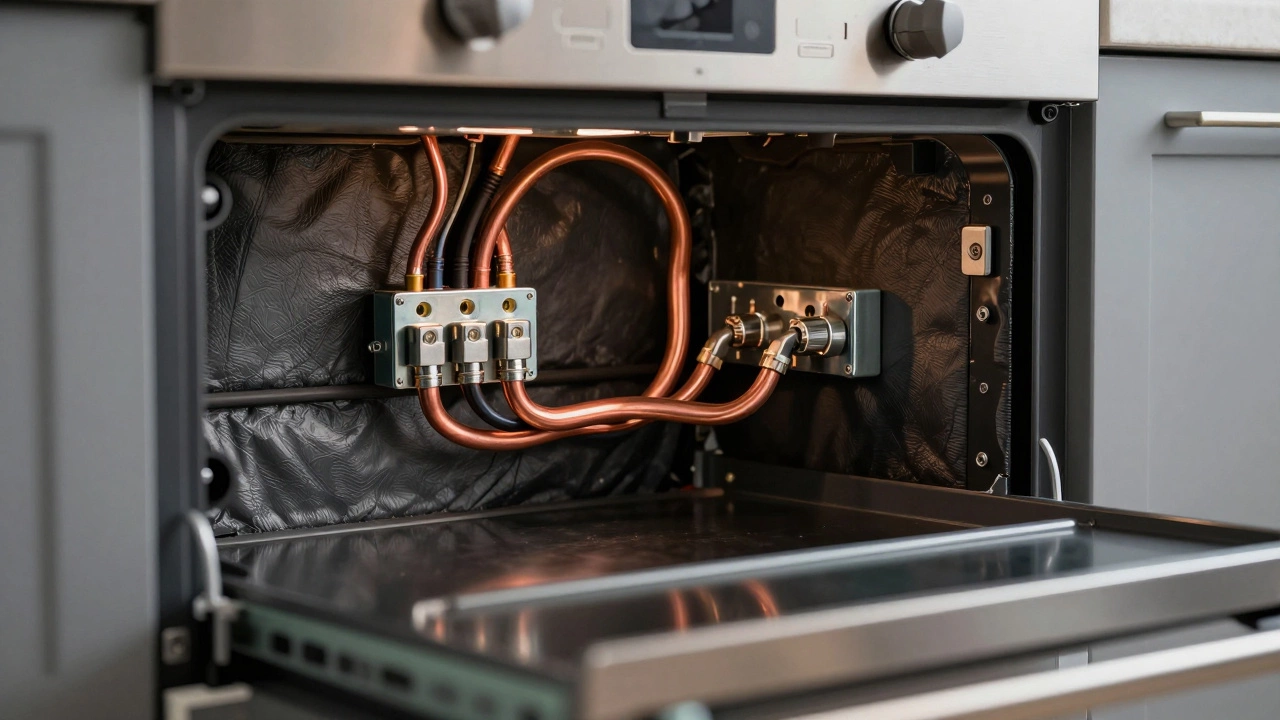
You also need to consider the type of connector. Older homes often have three-prong connectors, while modern installations require four-prong setups (hot, hot, neutral, ground). The transition from three to four prongs involves re-pigting the wires inside the box. If you mess up the neutral and ground connection, the metal frame of the oven becomes energized. Anyone touching the handle while touching a sink could get electrocuted. This specific failure mode is a common reason why inspections fail on DIY attempts.
When Can You Attempt DIY Installation?
There are situations where swapping an appliance does not strictly require a licensed professional. If you are replacing an existing unit with a new one that uses the exact same plug type, you might legally disconnect the old one and plug in the new one yourself. This assumes the wall outlet already exists and is rated correctly for the device.
- The old and new units must be the same electrical specification (e.g., both 30 amps, both 240 volts).
- You must not modify the wiring inside the wall box.
- The installation must not involve moving the oven to a new location requiring new conduit runs.
- Your local jurisdiction allows owner-performed work on existing circuits.
Even in these cases, you are responsible for the safety of the connection. Some states allow homeowners to do work on their own single-family residence, but not on rentals or multi-unit buildings. Always check your specific municipal codes. Some cities require a permit even for plug-in replacements to ensure the circuit wasn't altered previously. Ignoring this can complicate a future home sale, as appraisers look for permitted improvements.
Risks of Improper Installation
Circuit Breaker serves as an automatic switch designed to cut off power when the current exceeds a safe limit. A tripping breaker is your first warning sign. If you install the oven and the breaker trips immediately, the issue is likely a short circuit or a load overload. If it trips randomly later, the connection may be loose. Loose terminals arc, creating sparks and intense heat. This damage doesn't happen instantly; it degrades over months until an insulation layer fails.Another risk involves the grounding system. Modern appliances rely on a proper ground path to trip the breaker if the internal components short. Without a verified ground, fault currents travel through the chassis. If the ground wire is disconnected during installation, the safety mechanism is useless. People assume the appliance works because the elements heat up, unaware the safety net has been removed. Over time, corrosion on the terminal screws can increase resistance, generating heat where there should be none.
Warranty issues also arise. Major manufacturers like Whirlpool or GE often void the warranty if the appliance is installed incorrectly. Their documentation states that improper electrical connections damage the electronic control boards. When you claim a repair under warranty, technicians inspect the wiring. If they find stripped wire ends or missing strain reliefs, they deny the claim, leaving you to pay thousands for board replacements.
Cost-Benefit Analysis of Hiring a Professional
| Factor | DIY Replacement | Professional Installation |
|---|---|---|
| Cost | $0 Labor | $150 - $300 Average |
| Safety Risk | High (Shock/Fire) | Low (Insured) |
| Compliance | Often Non-Compliant | Fully Compliant with Code |
| Warranty Protection | Potentially Voided | Maintained |
| Time Required | 1-3 Hours | 1-2 Hours |
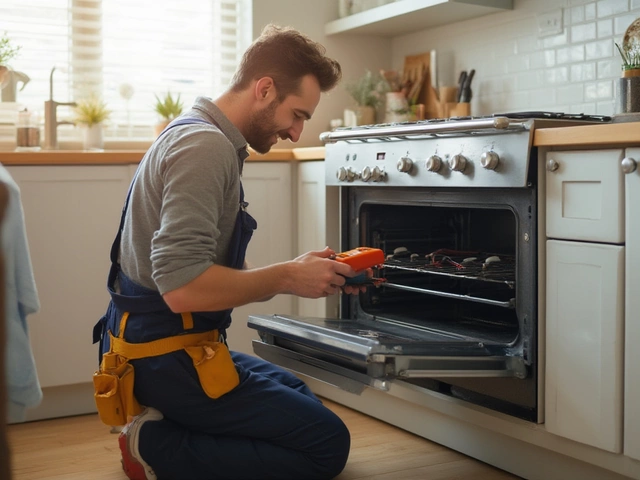
Hiring a professional saves money on potential errors. The average cost to call an expert is reasonable compared to the cost of a destroyed control board or a structural fire. Professionals carry liability insurance. If they accidentally burn down your kitchen, their insurance covers it. If you do it and hurt yourself or cause damage, your homeowner's policy might fight the claim. Beyond money, you save time on learning. A professional brings a multimeter, torque wrenches, and experience reading schematics.
There is also the matter of efficiency. An electrician ensures the voltage is stable. Low voltage causes ovens to bake unevenly, ruining meals. Fluctuating voltage damages the heating elements prematurely. They test the continuity of the line before you even unplug the old oven. This diagnostic step prevents buying parts you don't need. It provides peace of mind that the circuit feeding the appliance is healthy enough for the long haul.
Safety Checklist Before Starting Any Work
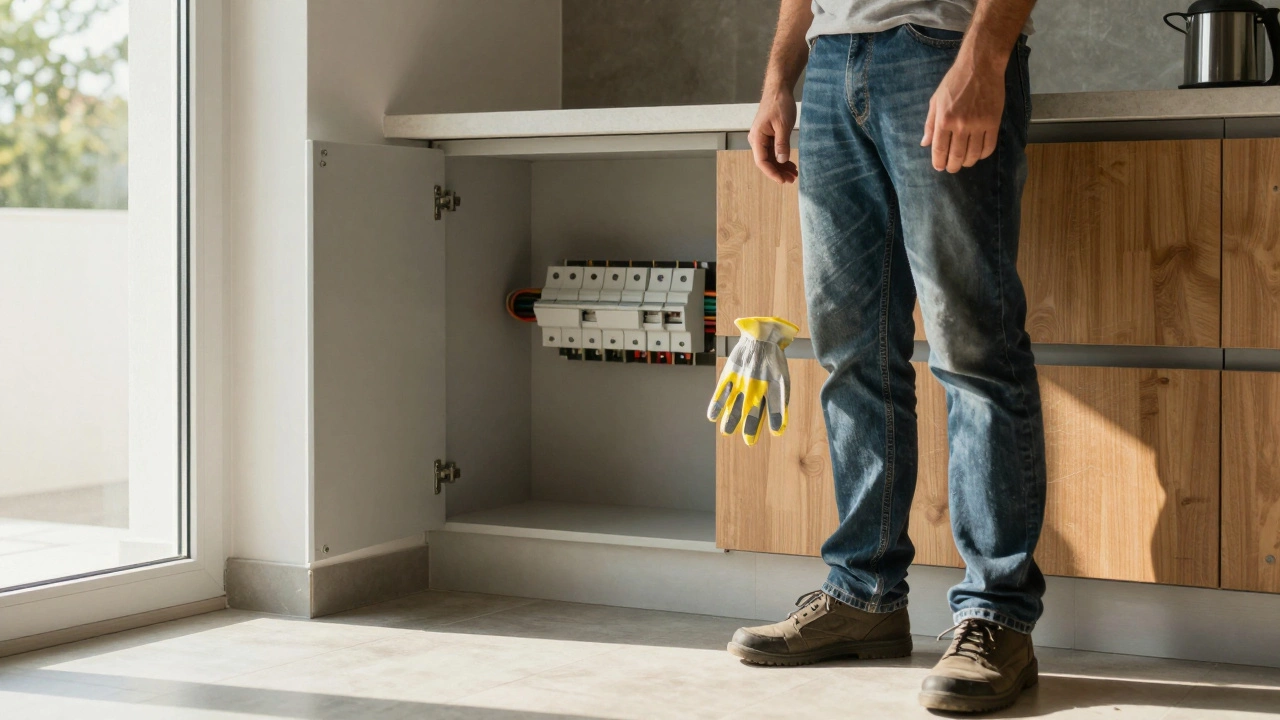
If you decide to proceed with a simple swap, safety is non-negotiable. Never skip the steps that verify power status. Electricity is unforgiving.
- Turn Off Power: Go to the main panel and switch off the breaker labeled "Kitchen" or "Range." Flip it to the OFF position.
- Verify Power Loss: Use a voltage tester at the wall outlet to confirm zero volts exist. Test the tester on a known live source first.
- Prepare the Space: Clear the area around the cabinet. Have the new box ready for removal.
- Check Cord Compatibility: Ensure the plug matches the socket exactly (prong shape, spacing).
- Secure the Connection: Tighten all screws firmly. Wiggle the cable to ensure no stress on the terminal block.
- Restore Power Cautiously: Turn the breaker on and listen for popping sounds.
Never force a plug in. If it doesn't fit, you have the wrong connector type or a grounding mismatch. Forcing it strips the insulation and damages the pins. Once the connection is made, check the stove's leveling feet. Uneven stoves can shift and strain the cord connection over time, loosening the wires inside the plug head.
Frequently Asked Questions
Can I replace a gas oven with an electric one myself?
No. Switching fuel types requires installing a completely new electrical circuit rated for high voltage. Gas lines must also be capped off. This work almost always requires permits and licensed tradespeople due to gas safety and high-voltage risks.
What happens if I use a 120-volt outlet for my oven?
Modern ovens generally cannot operate on 120 volts. The heating elements will draw excessive current and trip the breaker immediately. Smaller vintage units might work but would bake extremely slowly and inefficiently, potentially overheating the wall wiring.
Does insurance cover fires caused by DIY electrical work?
It depends on the policy. Many policies exclude damages resulting from code violations or lack of permitting. If you did not pull a permit and an inspector finds unapproved wiring, the claim may be denied entirely.
How do I know if my wall outlet is ready for a new oven?
Check the amperage rating stamped on the breaker. Look at the plug on your new oven. The wall outlet must match the amperage. A 50-amp breakers requires a 50-amp rated cord and outlet.
Is it cheaper to fix the wiring or move the outlet?
Moving the outlet is significantly more expensive. It involves cutting drywall, running new conduit, and labor hours. Fixing existing damaged wiring at the current location is usually the most budget-friendly option if the wall is structurally sound.